
CNC machining in the consumer electronics industry
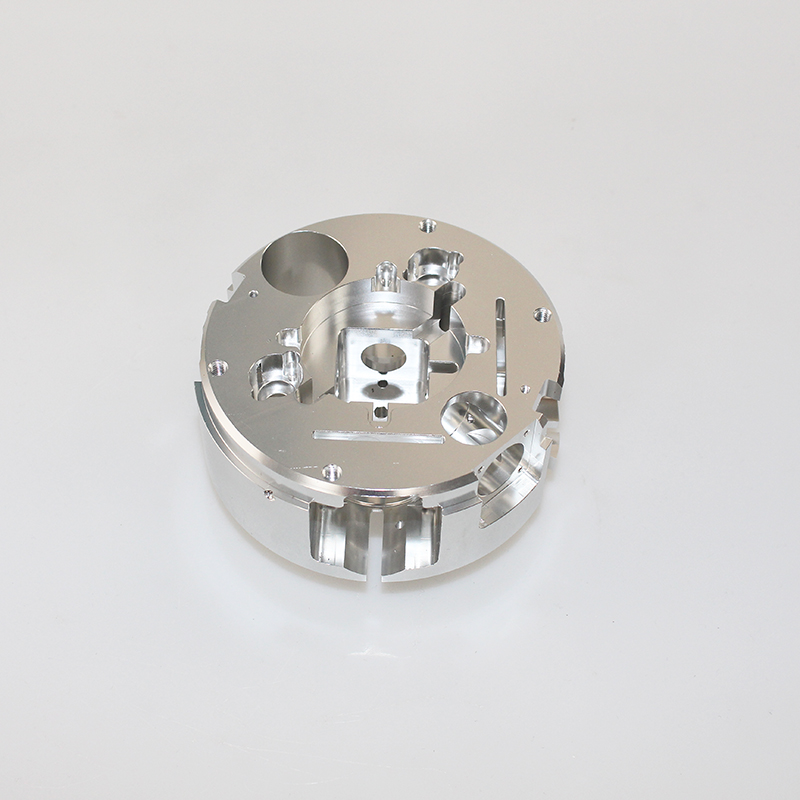
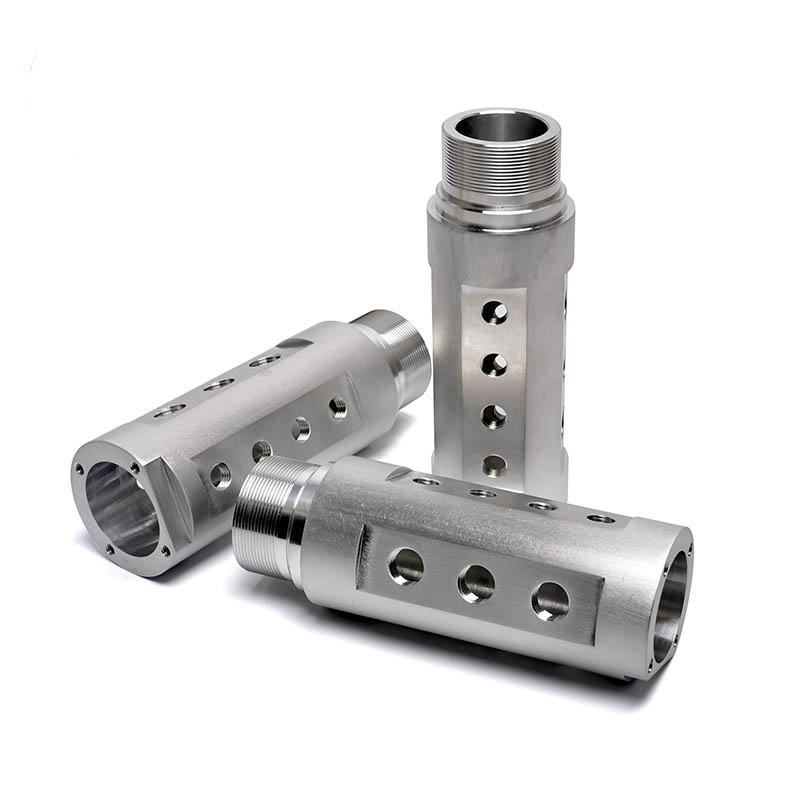
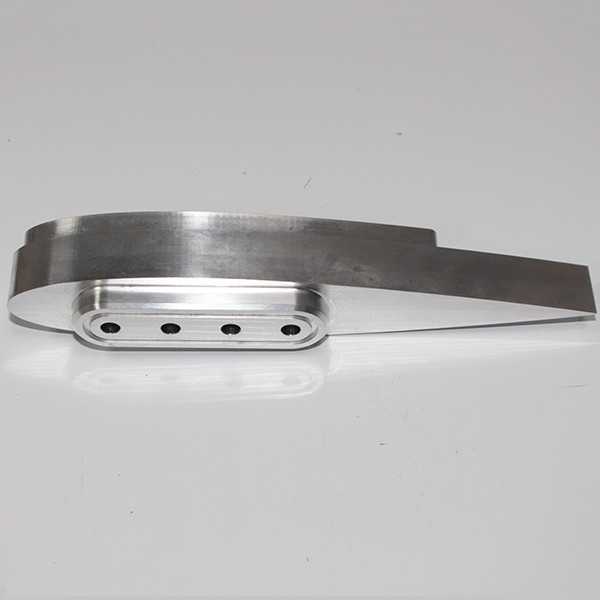
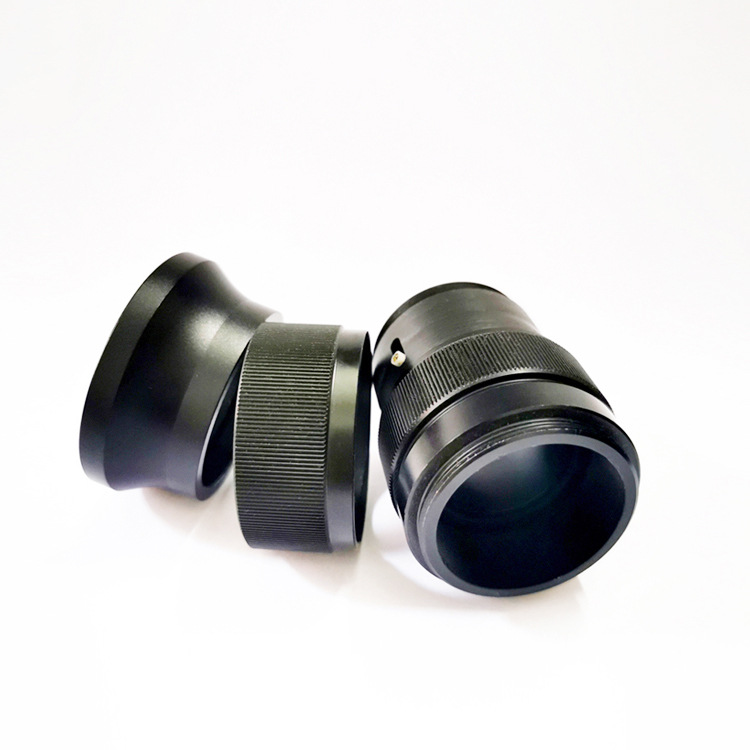
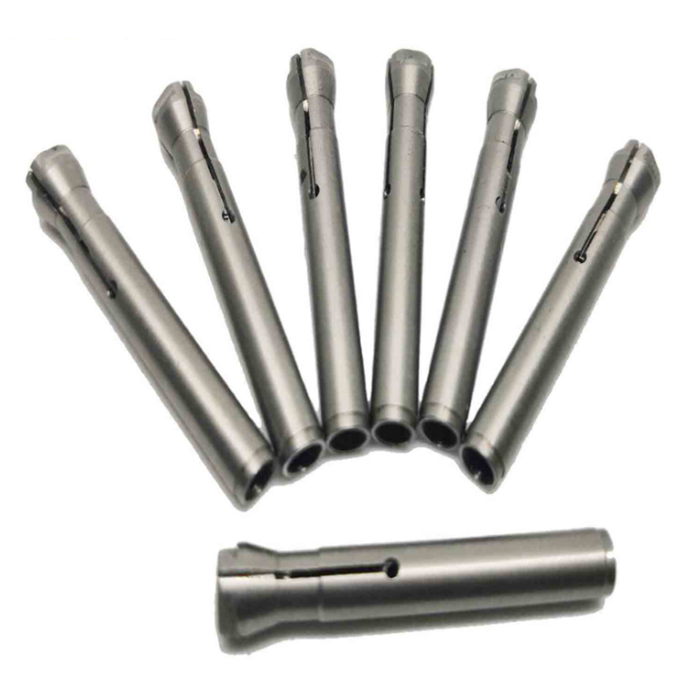
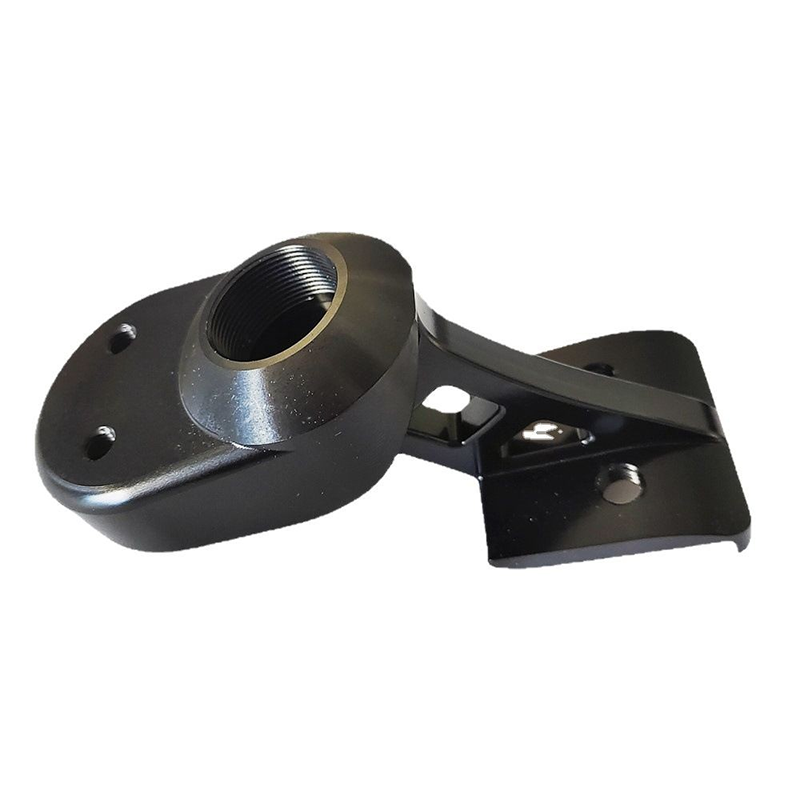
In the consumer electronics sector, from mobile phones and laptops to smart wearables, the prevalence of metal bodies and precision components is inseparable from CNC machining technology. This technology, with its high precision and high stability, has become a core force driving product upgrades. As a leading precision manufacturing service provider, CS MFG SOLUTION continues to provide consumer electronics brands with one-stop production solutions, from prototyping to mass production. Learn how CS MFG SOLUTION uses high-precision CNC machining to create smartphone frames, smartwatch components, and more, improving industry quality.
I. How CNC Works and Its Advantages
CNC machining transforms digital designs into physical parts using computer-controlled tools. Key Steps:
3D Modeling: Designers create 3D models using software such as SolidWorks.
Programming: Engineers create tool paths and cutting parameters.
Multi-Axis Machining: 3-5 axis machines mill, drill, and shape metal.
Finishing: Polishing or anodizing enhances appearance and durability.
Importance:
Precise tolerances: Accuracy of ±0.01 mm is suitable for microelectronic components. Complex Shapes: Create curves or thin walls impossible with traditional methods.
Consistency: A yield rate exceeding 95% ensures consistent mass production.
II. Applications of CNC in Electronics
1. Smartphones and Tablets
Apple first used CNC technology for the iPhone's all-metal frame, which was carved from a single block of aluminum. This not only improved strength but also resolved signal issues associated with milling antenna slots.
CS MFG SOLUTION excels in this area. Its five-axis machines can process titanium and stainless steel, efficiently creating finely cut phone frames.
2. Smart Wearables
Smartwatch cases require extreme precision. CNC systems are capable of engraving minute details, such as the polished stainless steel case of the Apple Watch.
CS MFG SOLUTION HL530 engraving machine achieves micron-level accuracy on small components, from watch crowns to watchband buckles.
3. Laptops
Thin and light laptops like the Huawei MateBook X Pro (14.6mm thick) rely on CNC systems to remove 90% of the material while maintaining strength.
CS MFG SOLUTION dual-channel machine tools double the production speed of laptop frames, meeting the brand's needs for rapid iteration.
Key technical characteristics and application scenarios of this field
1. Core Processing Technology
-- High Precision Composite Processing: Utilizing high-speed, high-rigidity spindles and adaptive processing techniques, combined with tool monitoring and dynamic feedforward control, enabling continuous processing of materials such as aluminum alloys and titanium alloys with a single clamping and tolerances controlled within ±0.03 mm;
-- Intelligent Solutions: Integrating intelligent detection and automatic loading/unloading functions to enhance production efficiency and yield (for example, the yield of titanium alloy middle frames increased from 30%-40% to a higher level);
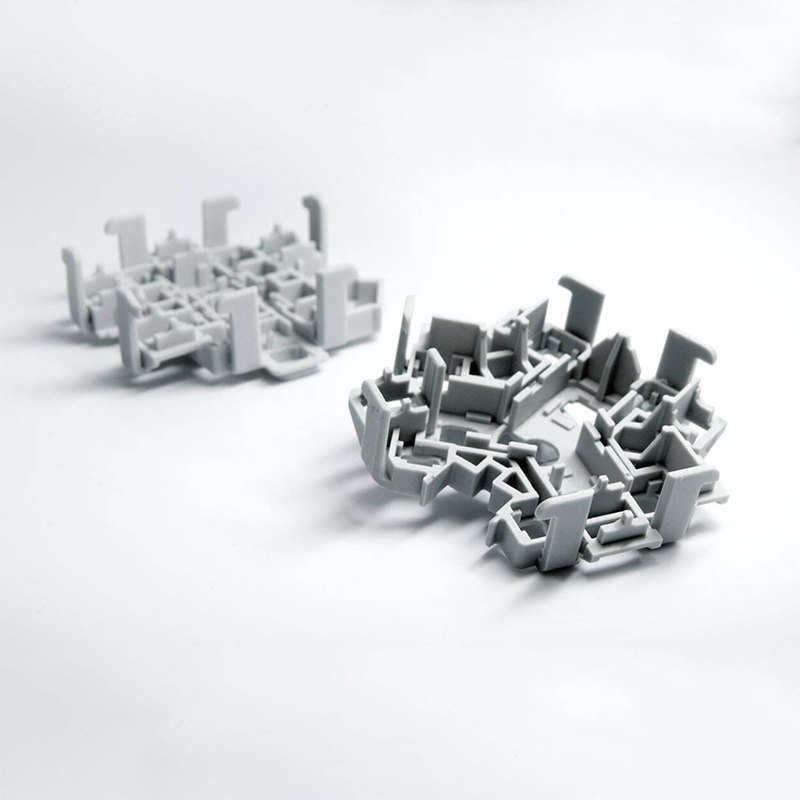
-- Multi-process Integration: Some companies are combining CNC with 3D printing, powder metallurgy (MIM) and other technologies to meet the demands of complex structural components;
2. Typical Application Scenarios
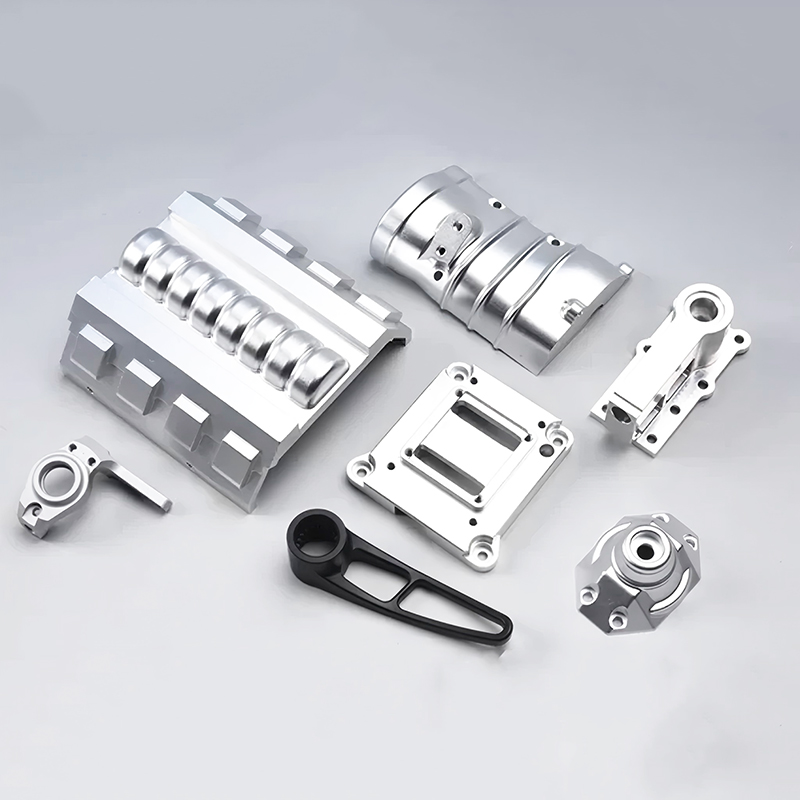
-- Mobile Phone Middle Frames/Cases: Processing of aluminum alloys (such as 5052) and titanium alloys (such as TC4), addressing issues of thermal deformation and surface oxidation;
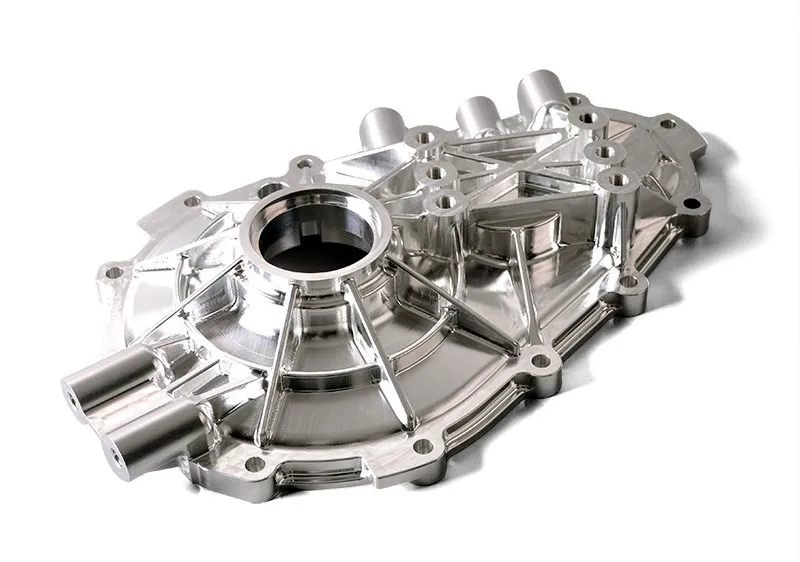
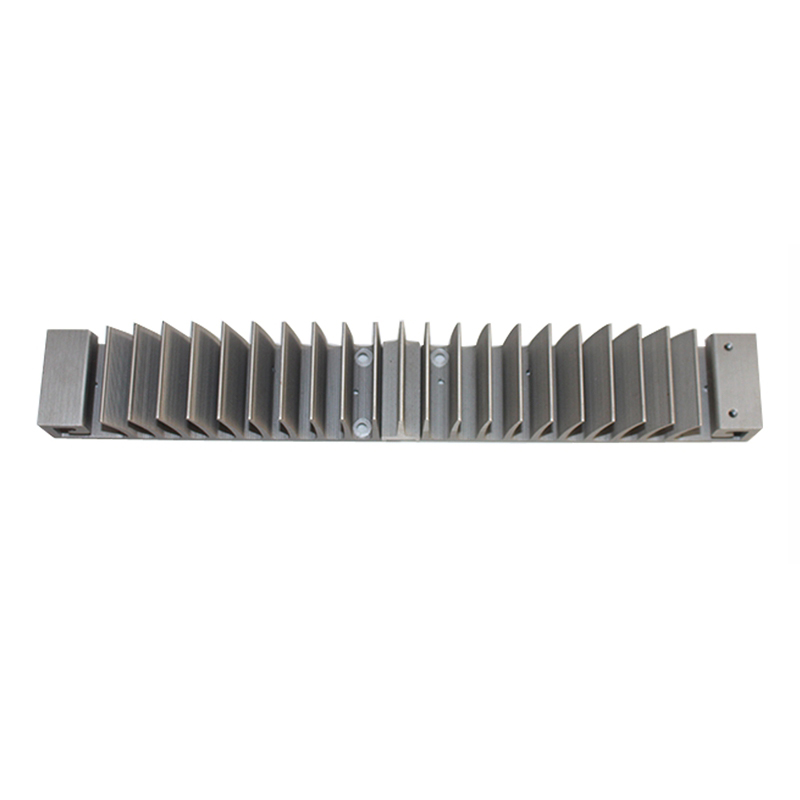
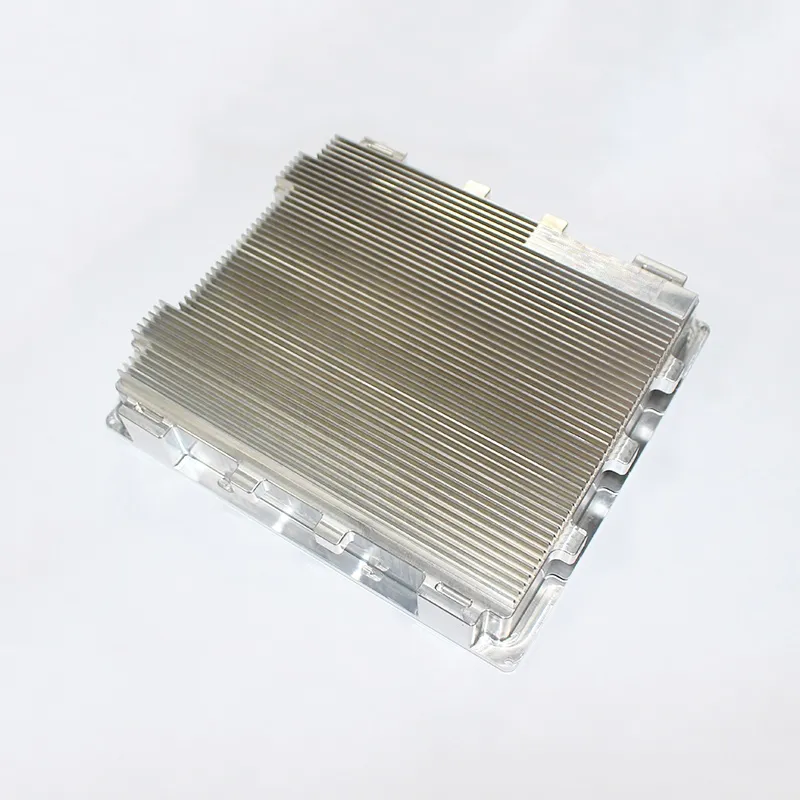
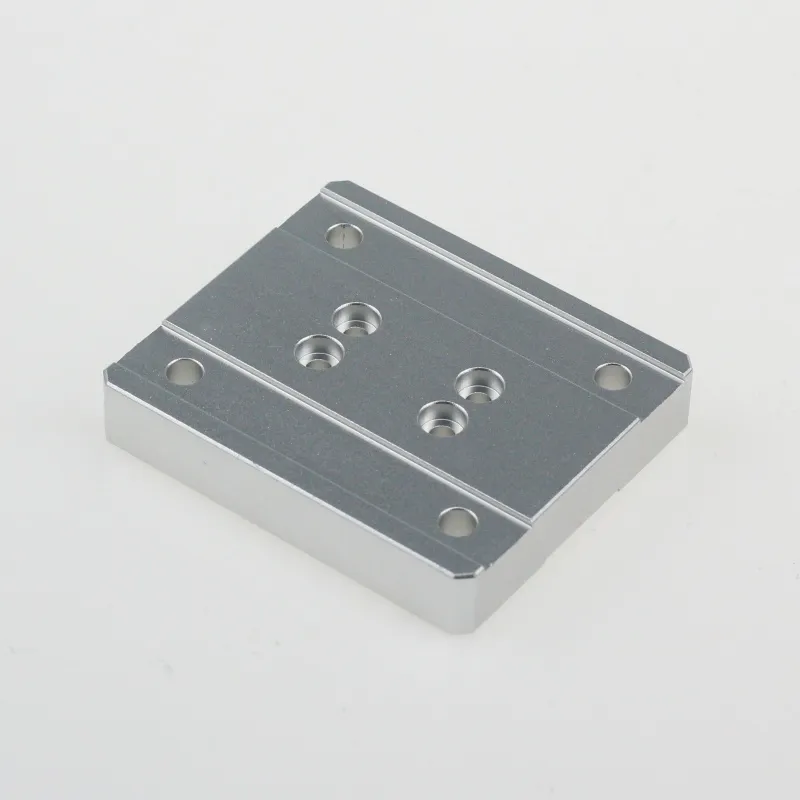
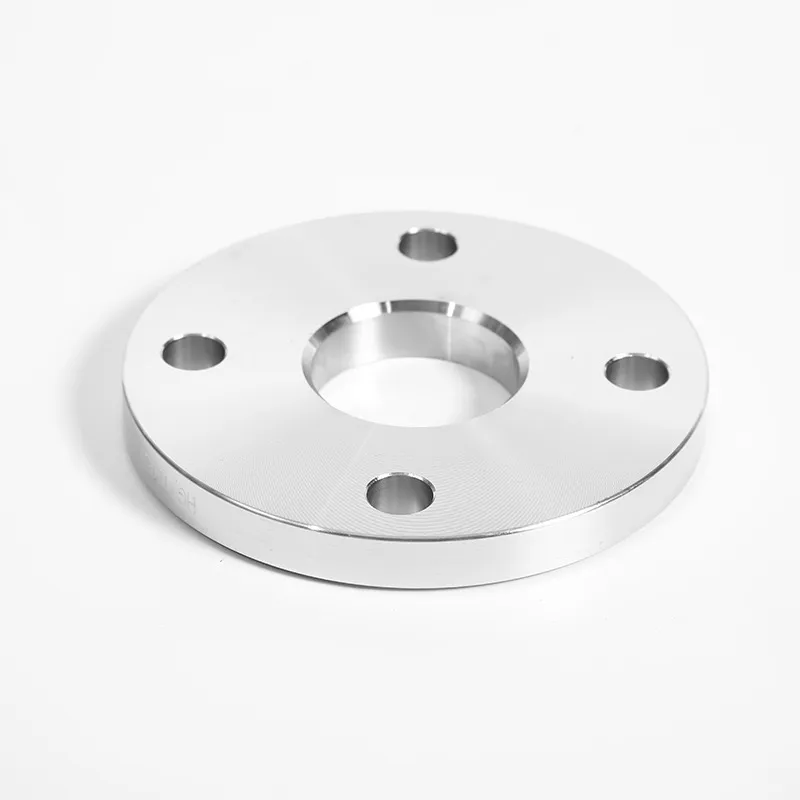
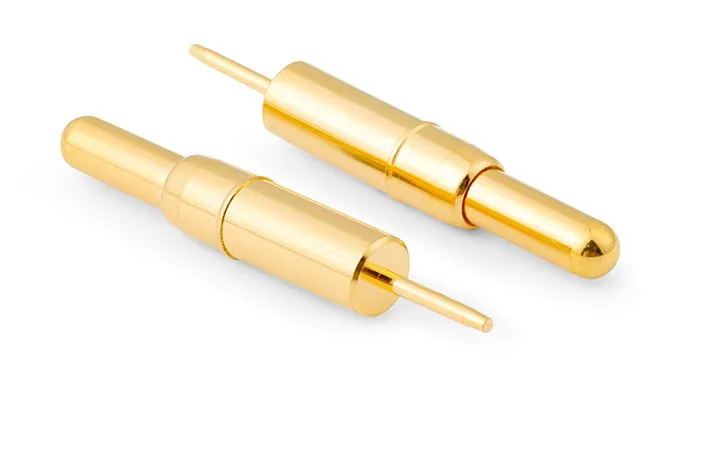
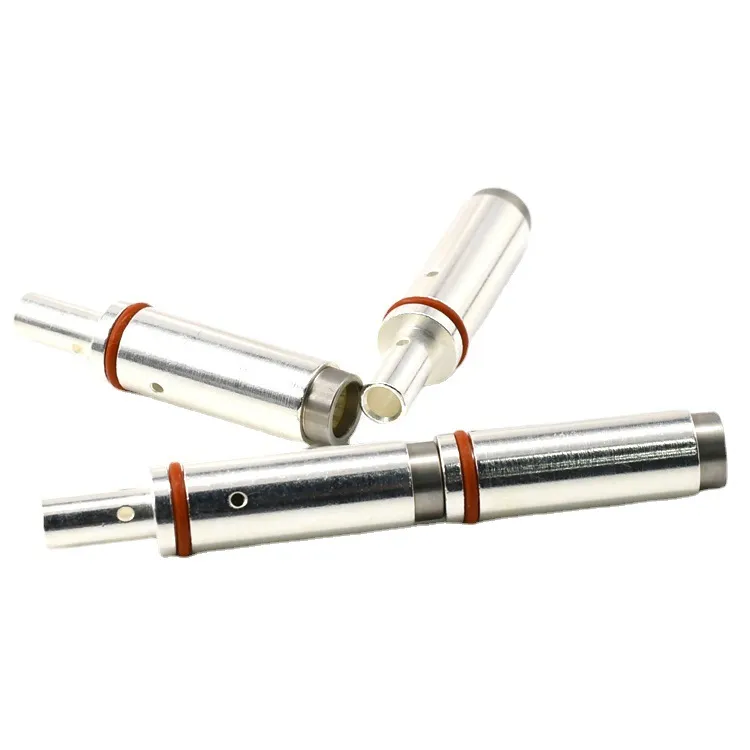
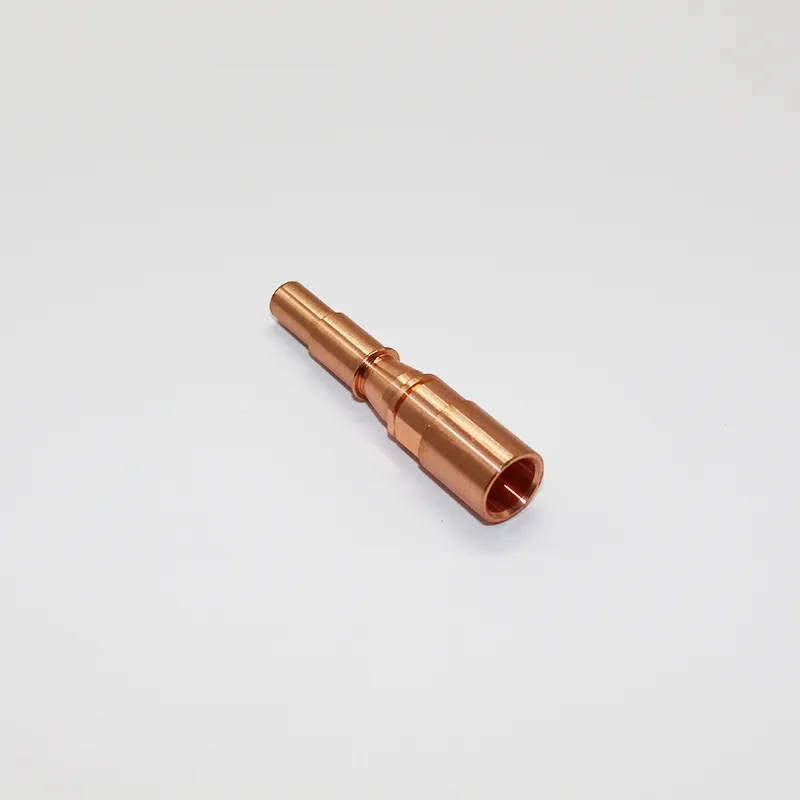
-- Heat Sinks and Connectors: Micron-level milling and laser marking technology ensure high precision assembly;
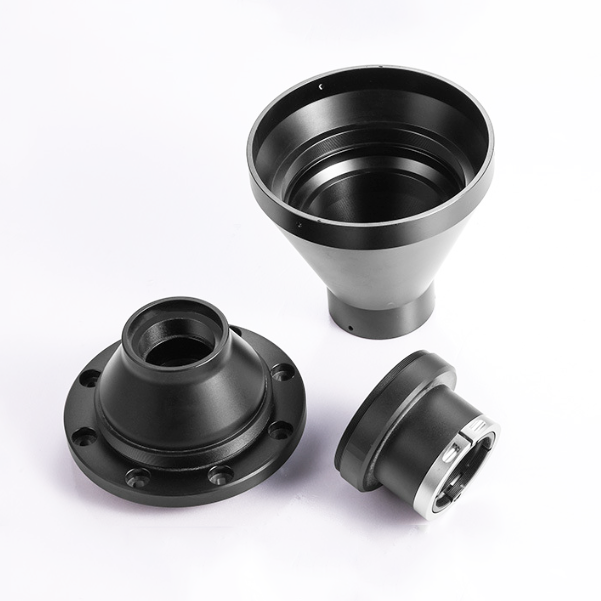
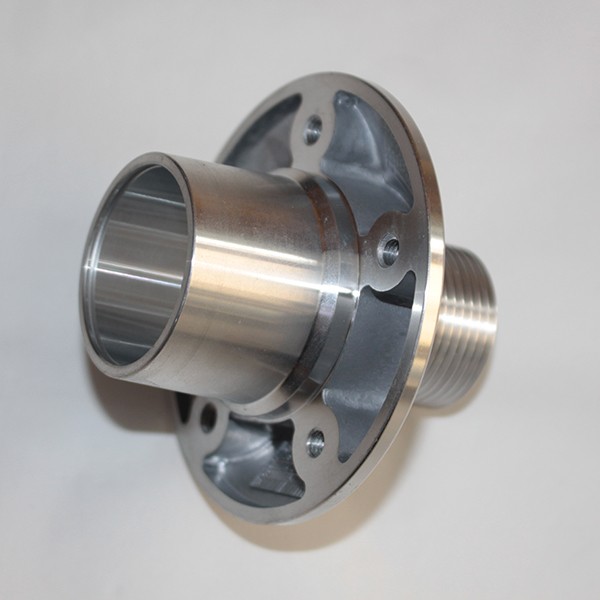
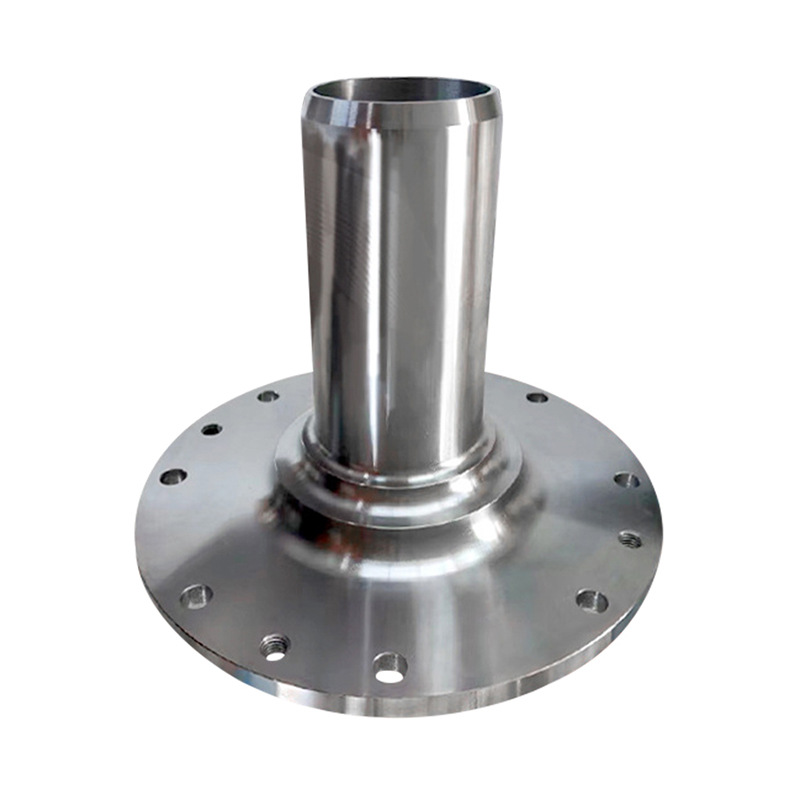
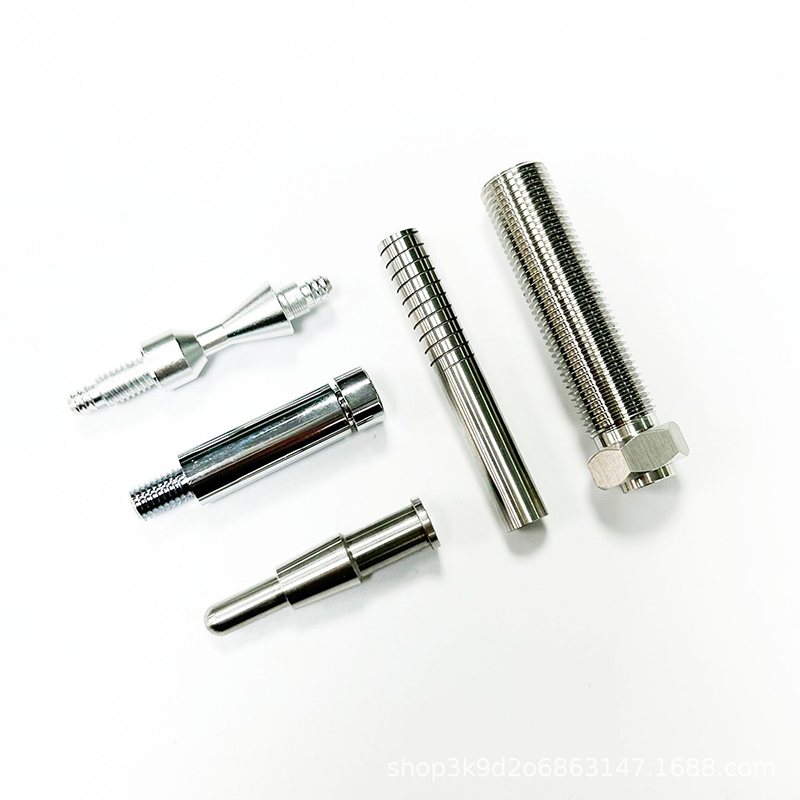
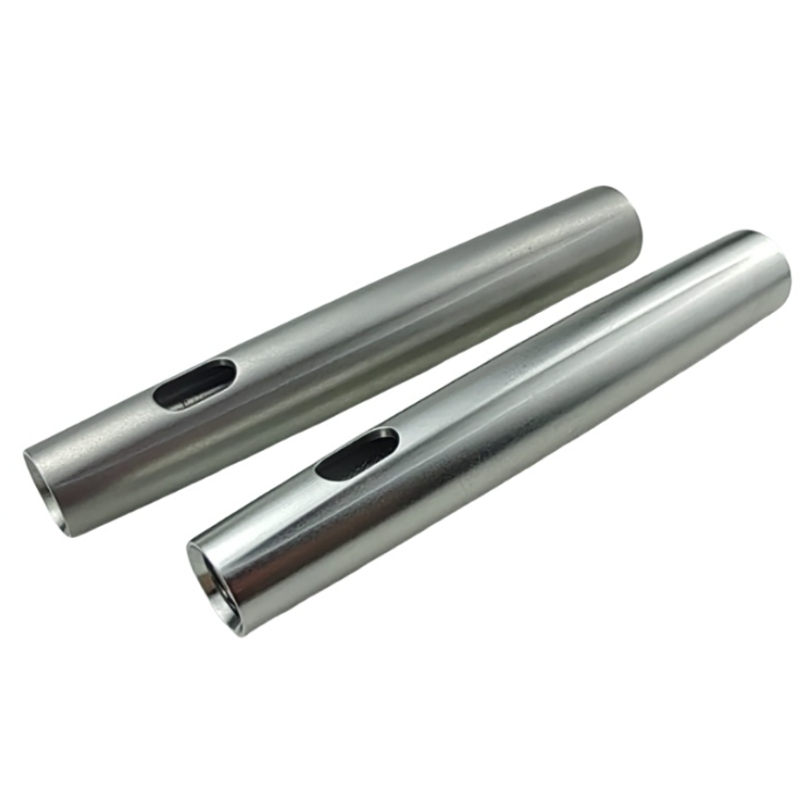
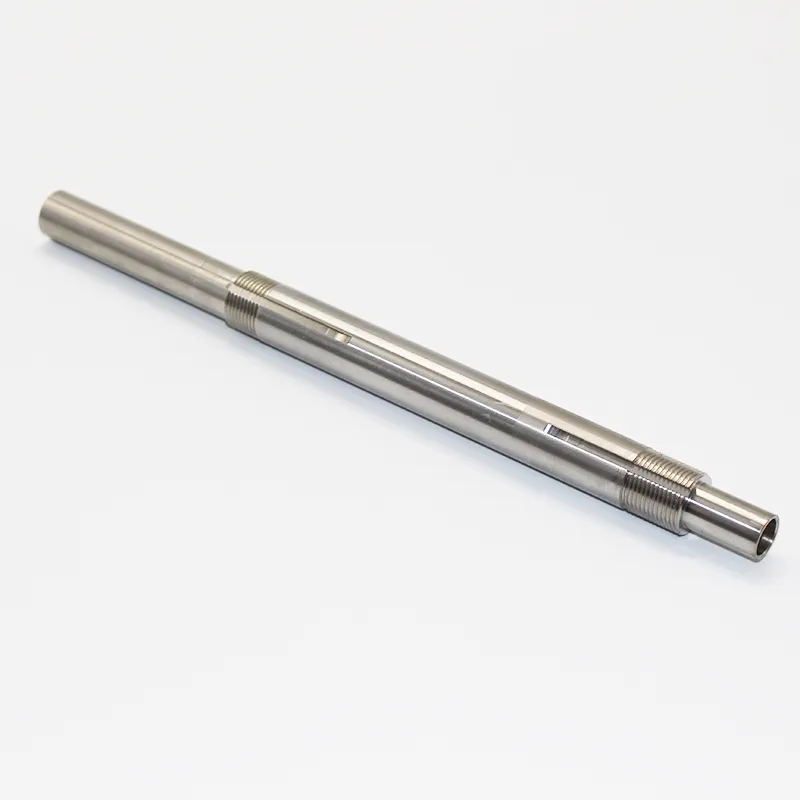
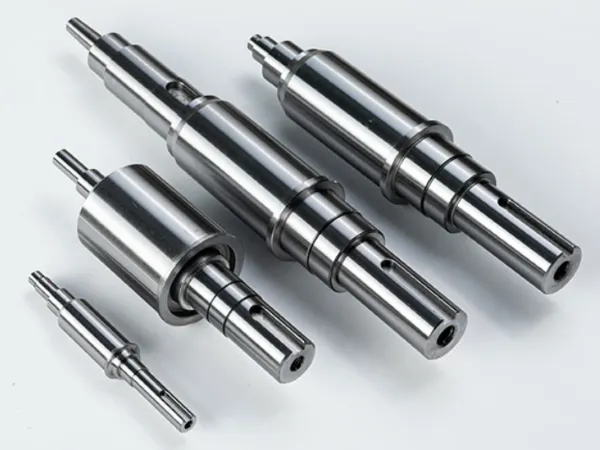
-- Core Components: Such as ball screw shafts, hollow cup motors, requiring high-rigidity equipment to guarantee dimensional stability;
3. Material and Process Challenges
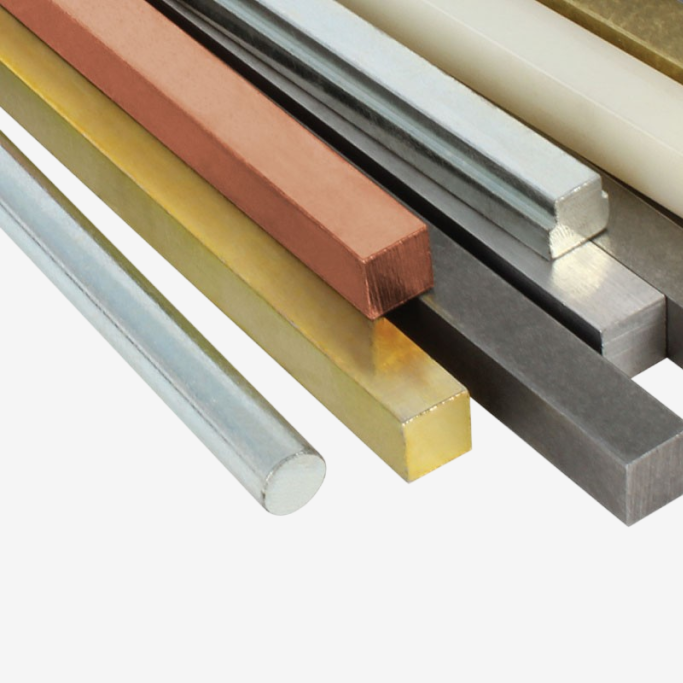
-- Aluminum Alloys: Lightweight and easy to process, but require optimization of cutting parameters to reduce thermal deformation;
-- Titanium Alloys: High strength but difficult to process, taking 3-4 times longer than aluminum alloys, requiring specialized tools (such as Hastelloy tools);
-- Composite Processing: For example, titanium-aluminum alloy composite middle frames, requiring a balance between material properties and processing efficiency;
Part III: Choose CS MFG SOLUTION as a Trusted Partner
As a global leader in precision machining, CS MFG SOLUTION technological advantages in the consumer electronics sector are reflected in the following aspects:
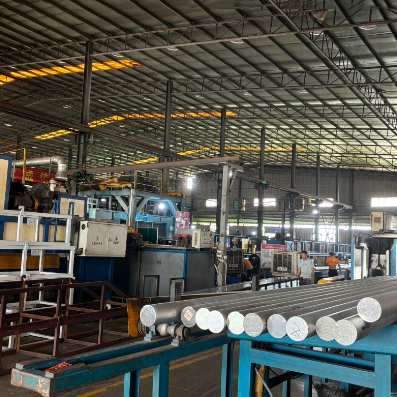
Advanced Equipment Cluster: CS MFG SOLUTION boasts over 70 high-precision CNC machines, including three-, four-, and five-axis machining centers, as well as high-speed drilling and tapping centers and specialized engraving machines, capable of meeting machining requirements of varying complexity.
Complex Material Processing Capabilities:CS MFG SOLUTION has developed specialized cutting parameters and tool combinations for difficult-to-machine materials like titanium alloys. Through adaptive control technology and real-time tool detection, the machining yield of titanium alloy mid-frames has been increased to over 92%.
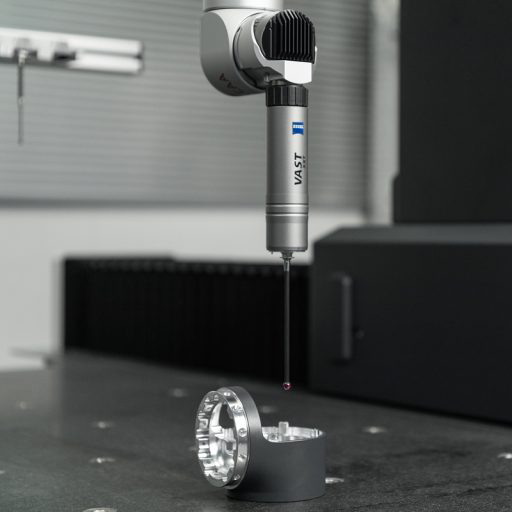
Full-Process Quality Control: From incoming raw materials to finished product delivery, we adhere to stringent inspection standards, including three-dimensional coordinate measurement, surface roughness testing, and stress testing, to ensure every product meets customer requirements.
Quick Response and Flexible Production: Through modular design and automated production lines, we achieve a seamless transition from prototype development to mass production, reducing lead times to as little as seven working days.
IV. Summary
CNC machining has elevated the quality of consumer electronics, making them more stylish, robust, and reliable. CS MFG SOLUTION is leading this trend, employing cutting-edge technology to deliver precision and speed. As electronics continue to evolve, CS MFG SOLUTION remains committed to creating the next generation of devices.
Looking for a trusted, long-term partner? Contact us today to receive your customized solution.
Follow us on LinkedIn.