

40px
80px
80px
80px
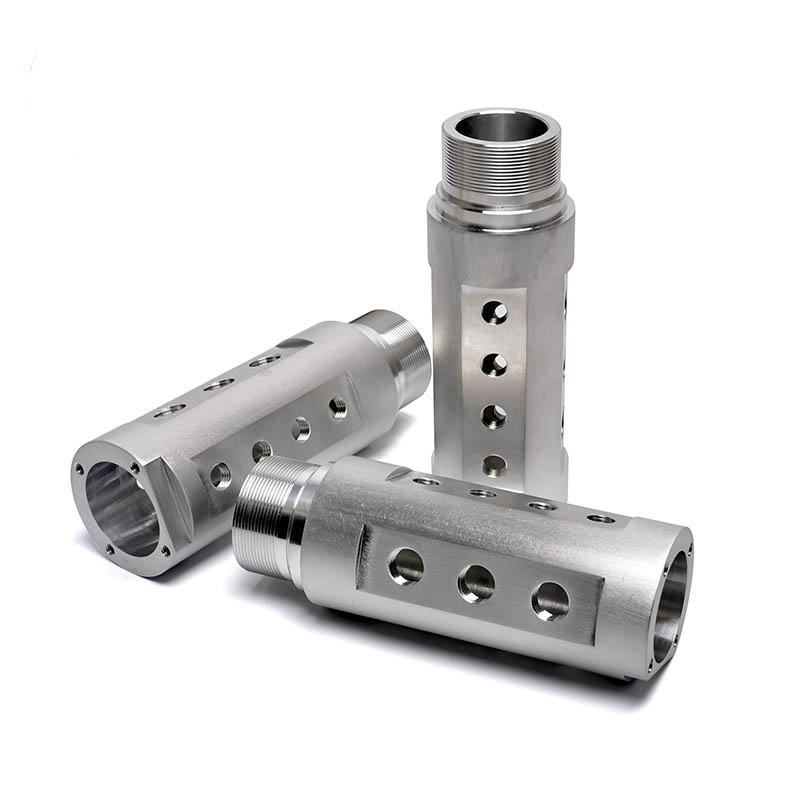
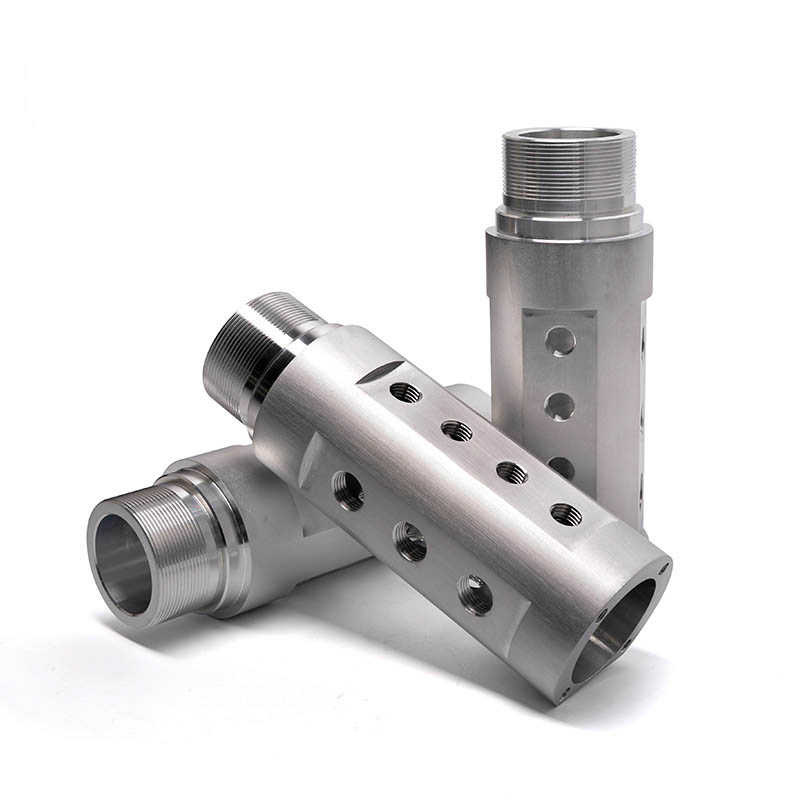
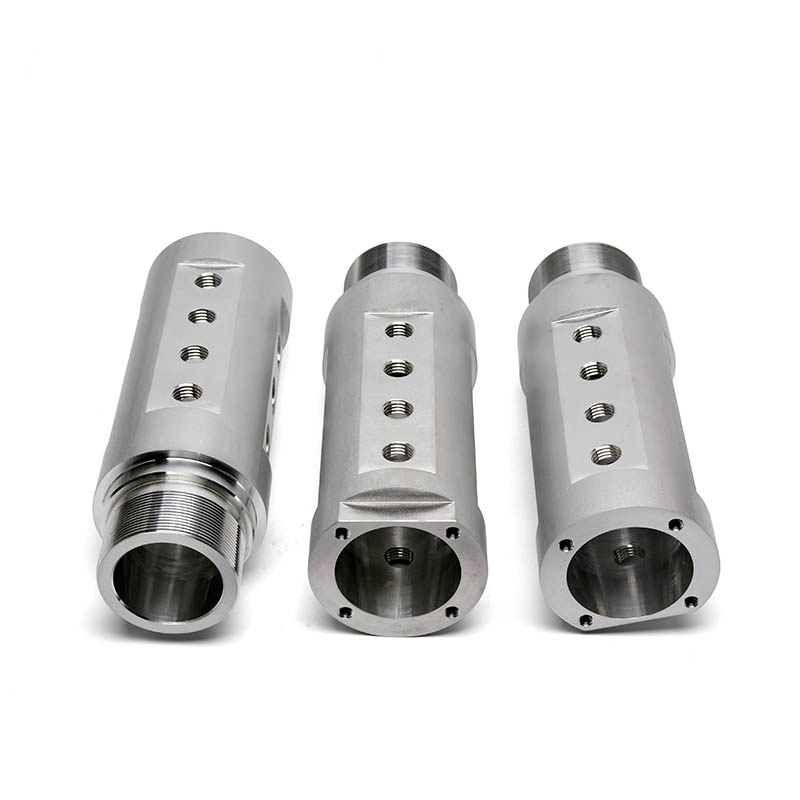
Metal drilling requires comprehensive consideration of material properties, tool selection, process parameters, and quality control. The following are key points:
1. Tool selection and material matching Drill bit types:
-- High-speed steel (HSS) drill bits: Suitable for soft materials such as mild steel and aluminum alloys; lower cost but shorter lifespan.
-- Carbide drill bits: Used for high-hardness materials like stainless steel and titanium alloys; wear resistance increased by 3-5 times.
-- Cobalt drill bits: When drilling stainless steel, cobalt-containing drill bits (e.g., M35/M42) should be used to prevent rapid wear of ordinary bits.
-- Drill bit geometric parameters: A point angle of 130° and a spiral angle of 30°-35° can optimize chip removal and cutting force.
2. Process parameter optimization Cutting speed and feed rate:
-- Aluminum alloy: Cutting speed 200-600 m/min, feed rate 0.05-0.2 mm/rev.
-- Stainless steel: Reduce cutting speed to 30-60 m/min, and feed rate to 0.02-0.1 mm/rev to reduce thermal deformation. -- Cooling and lubrication: Cutting oil or emulsion must be used to reduce friction heat and extend tool life.
3. Drilling quality control:
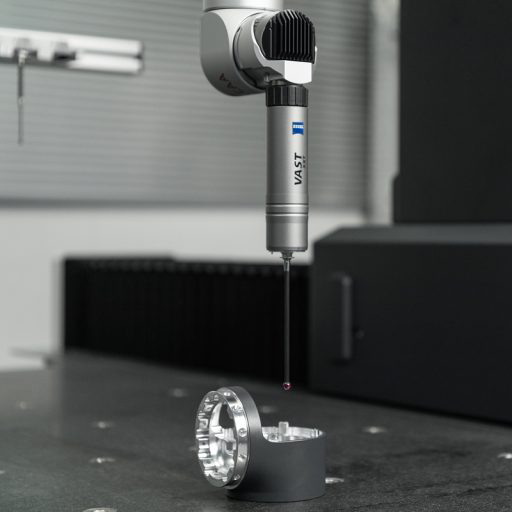
-- Precision grade: Ordinary drilling precision IT13-IT11, surface roughness Ra 50-12.5 μm; needs subsequent enlarging/broaching to improve to IT7-IT9.
-- Hole position deviation control: During drilling of thin plates, a pressure plate must be used to secure the material and prevent deformation that can lead to hole position offset. Deep hole processing (depth > 5 times diameter) should be done in steps and chip removal to avoid chip blockage.
4. Special material handling:
-- Stainless steel: Requires low speed and small feed, with lubricant (soy sauce is ineffective; special cutting oil is needed).
-- Titanium alloy: Prone to chip welding; requires a high-rigidity machine and sharp drill bits; pulse cooling technology is recommended.
5. Safety and equipment requirements:
-- Protective gear: Operators must wear goggles and cut-resistant gloves to avoid chip splatter.
-- Equipment maintenance: Regularly check the spindle runout of the drill (≤0.02 mm) and the concentricity of the chuck.
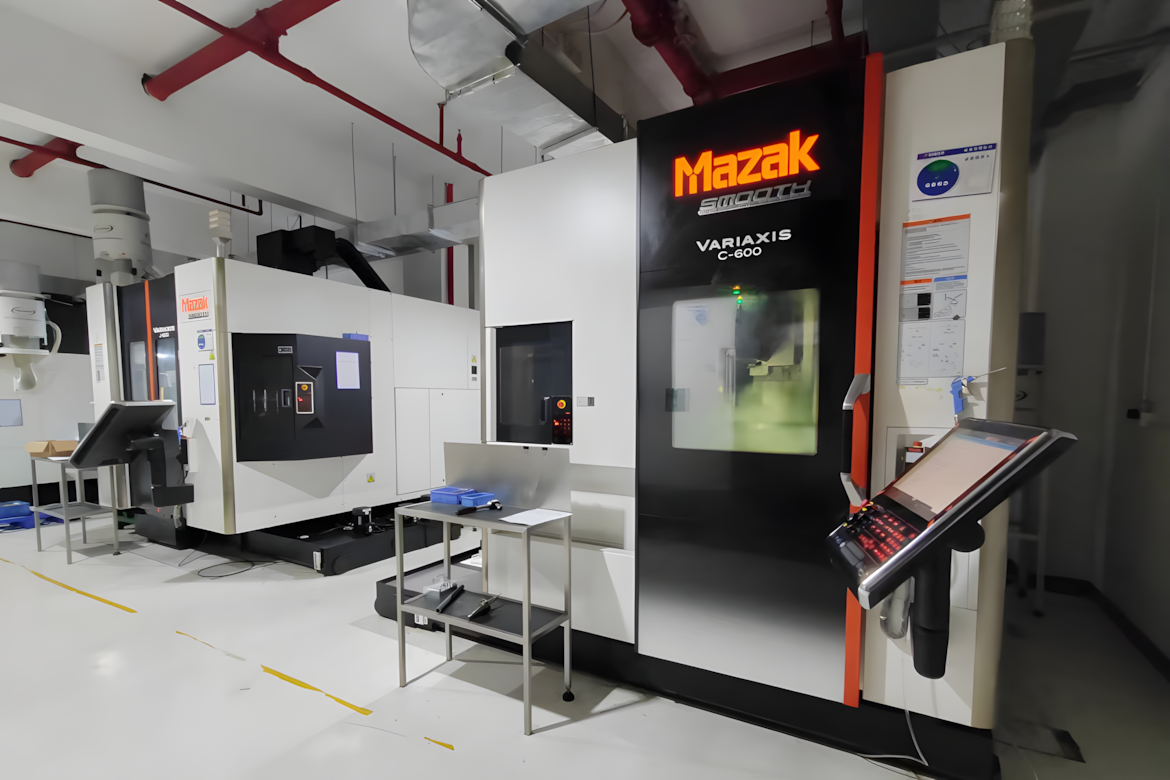
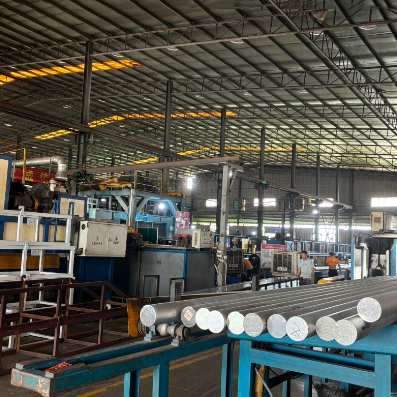
CNC workshop

CNC workshop
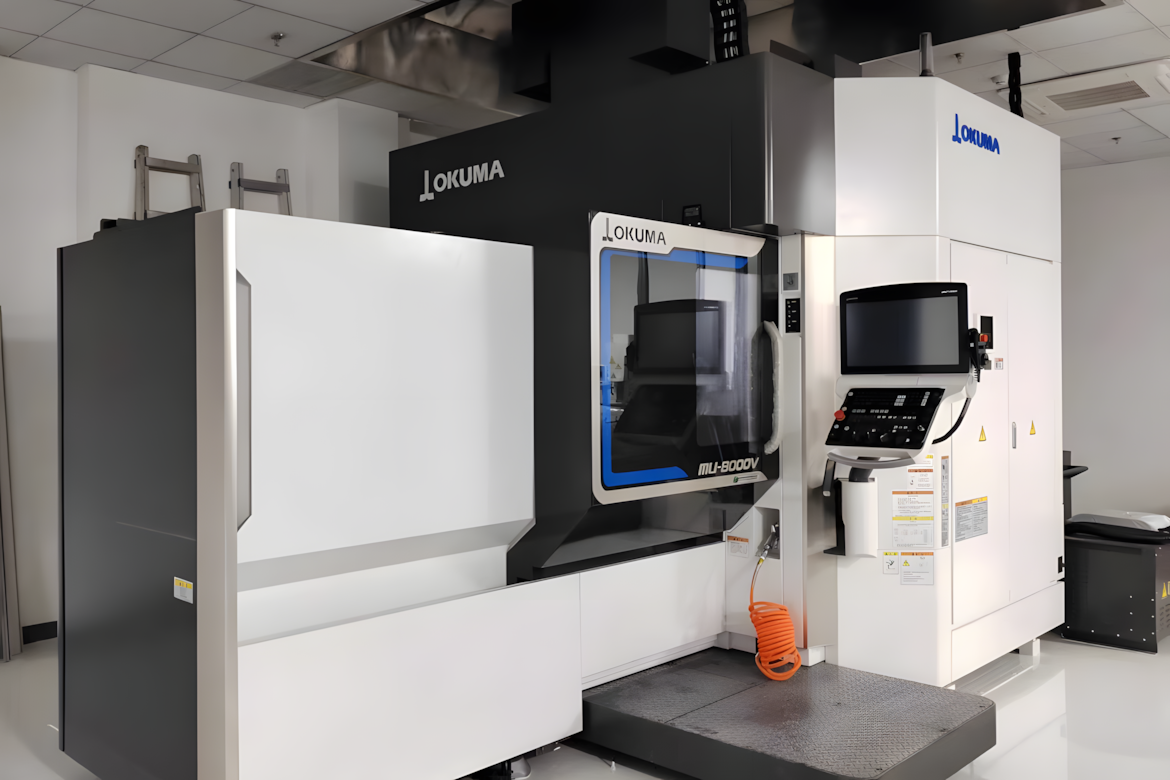
CNC workshop
CNC workshop
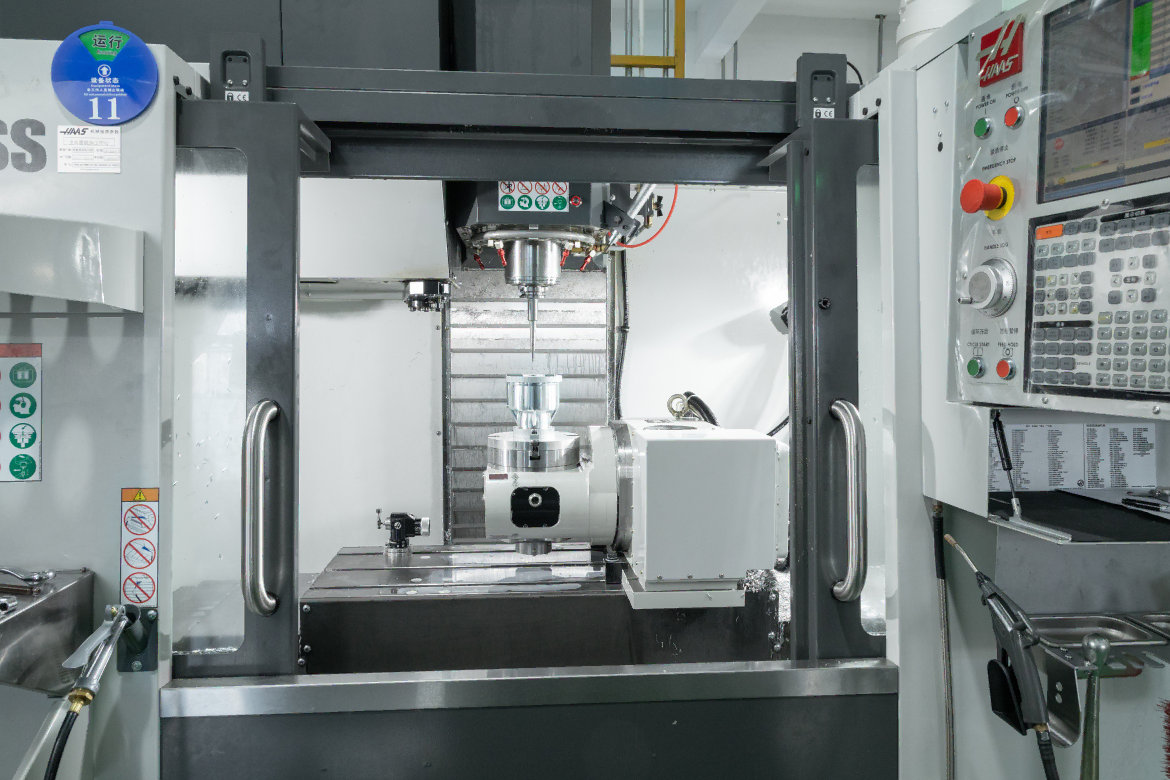
CNC workshop
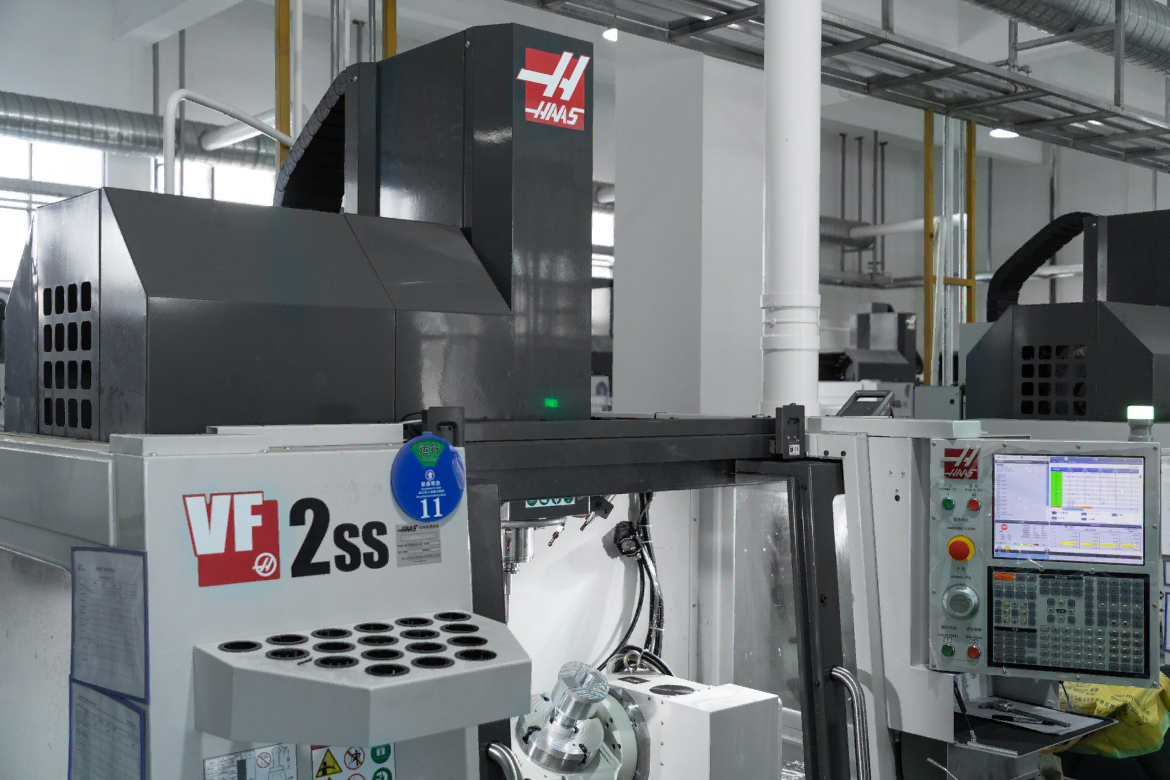
CNC workshop
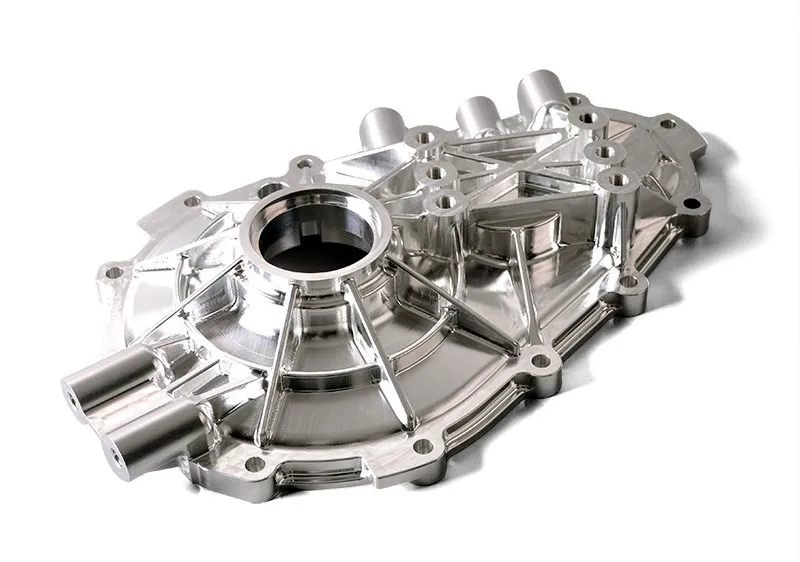
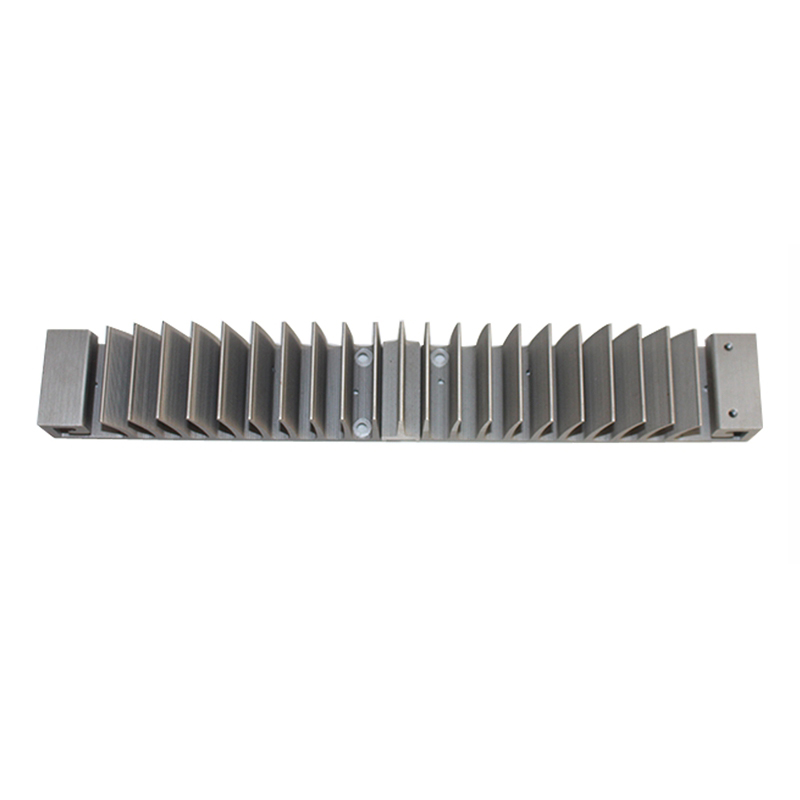
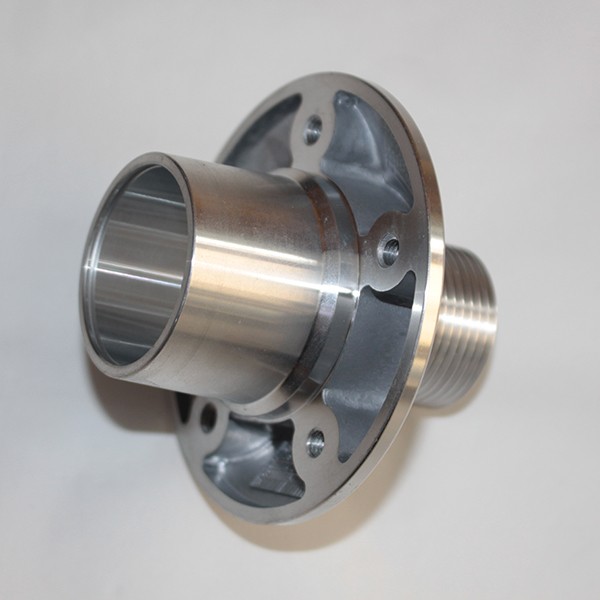
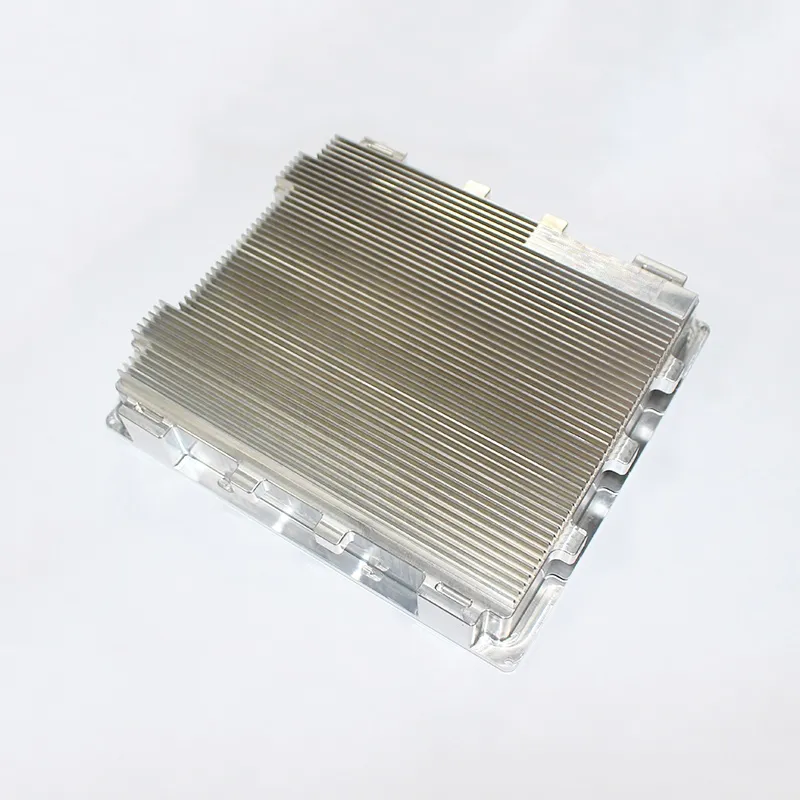
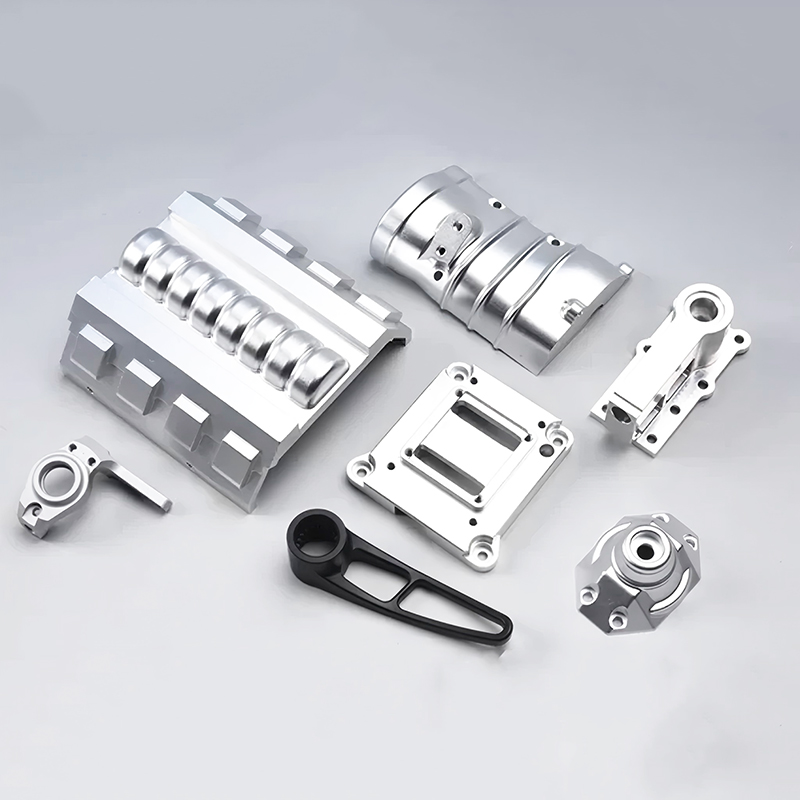
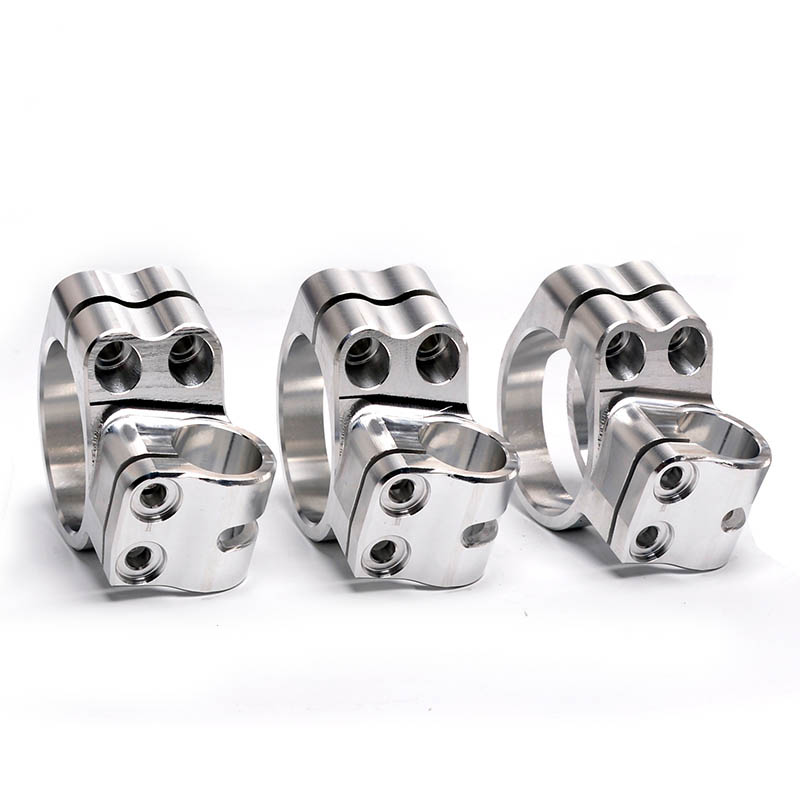
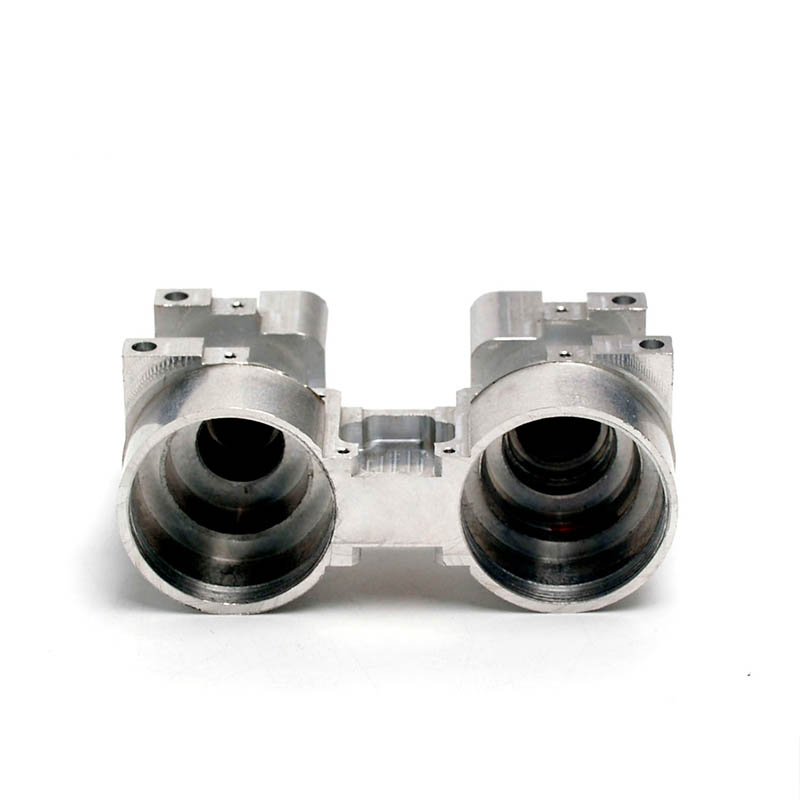
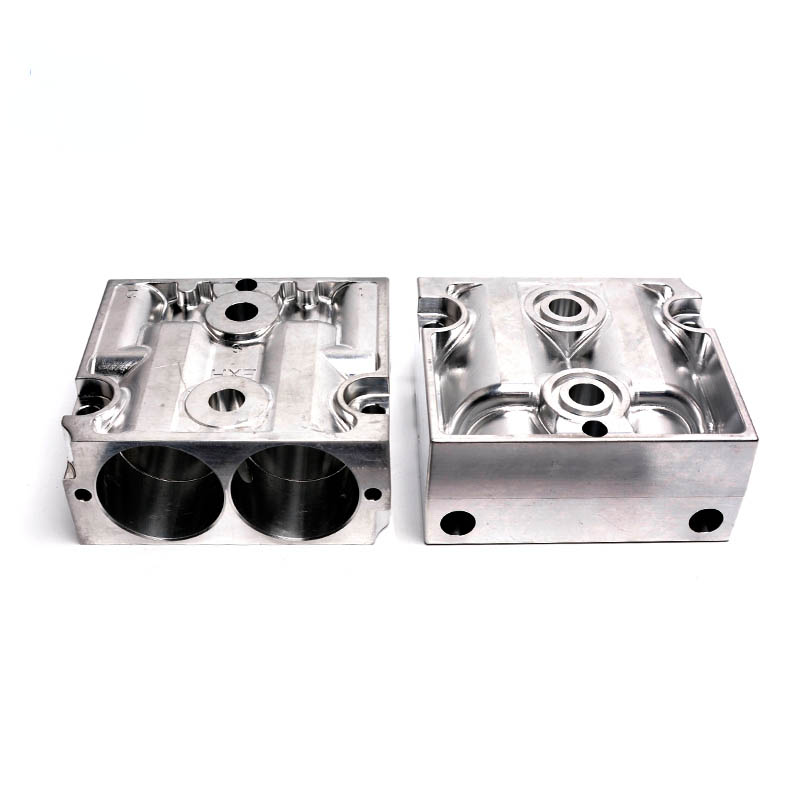
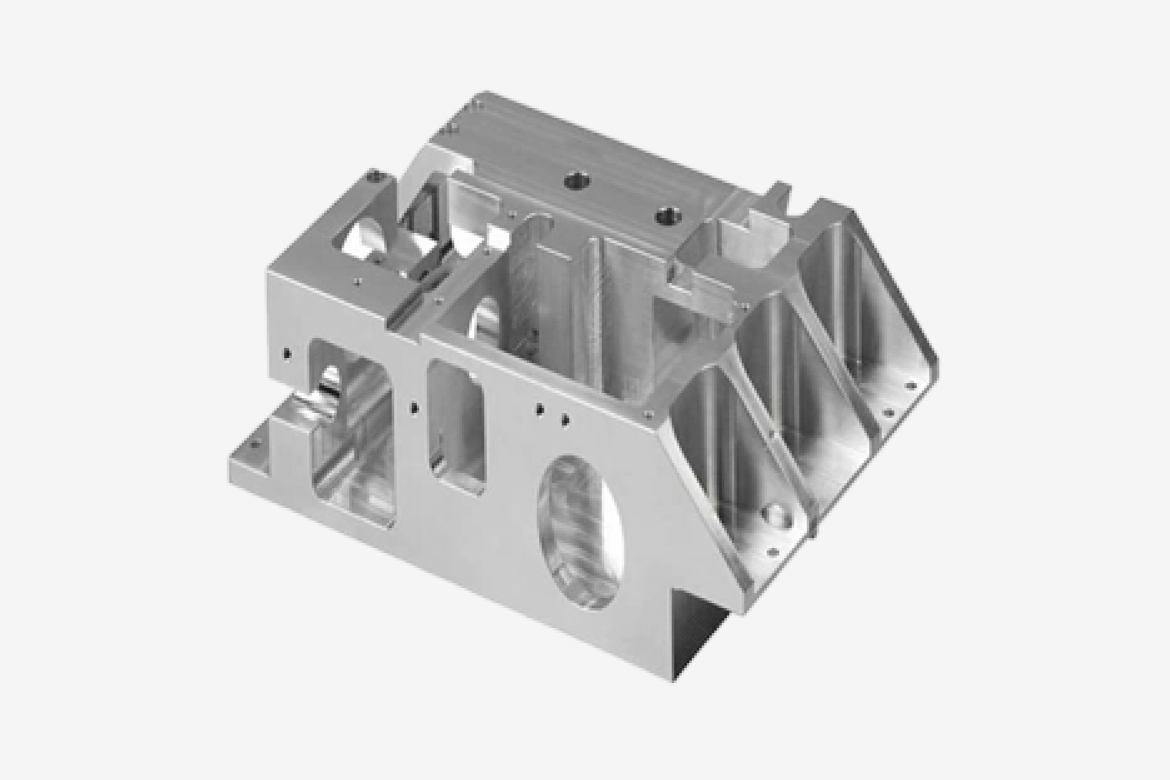
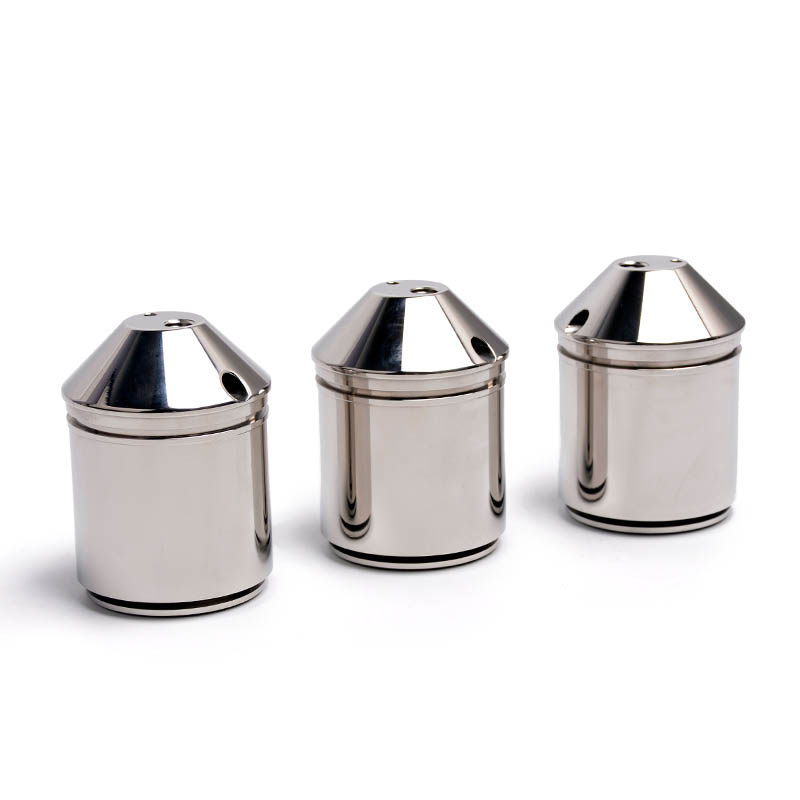
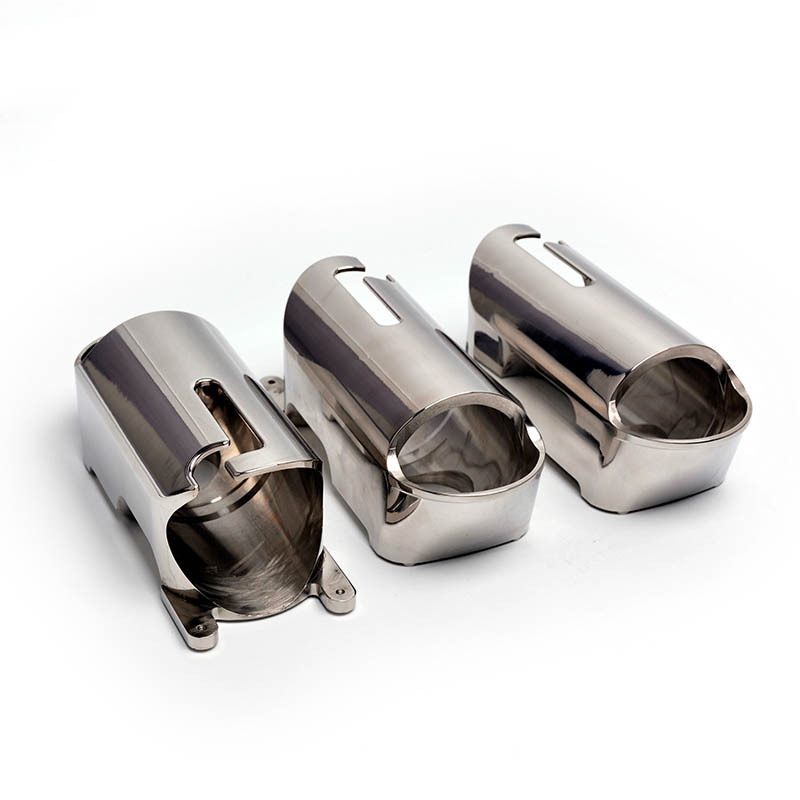
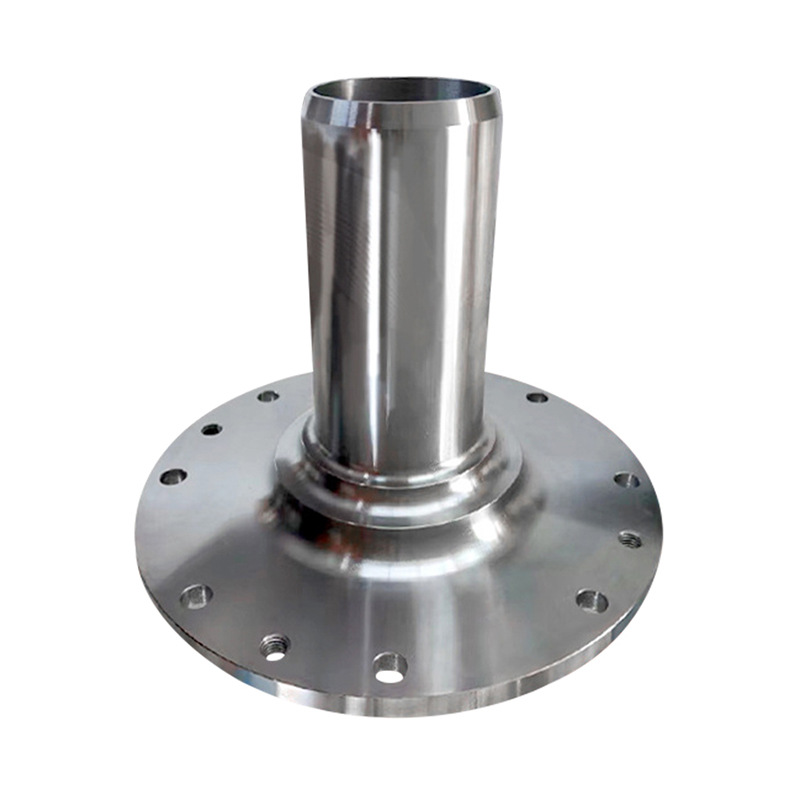
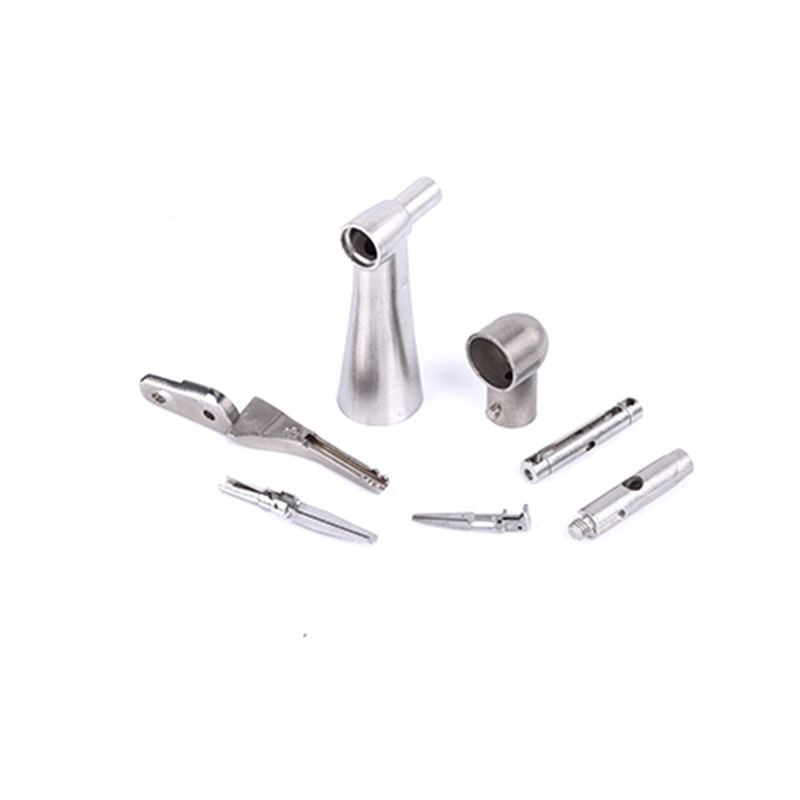
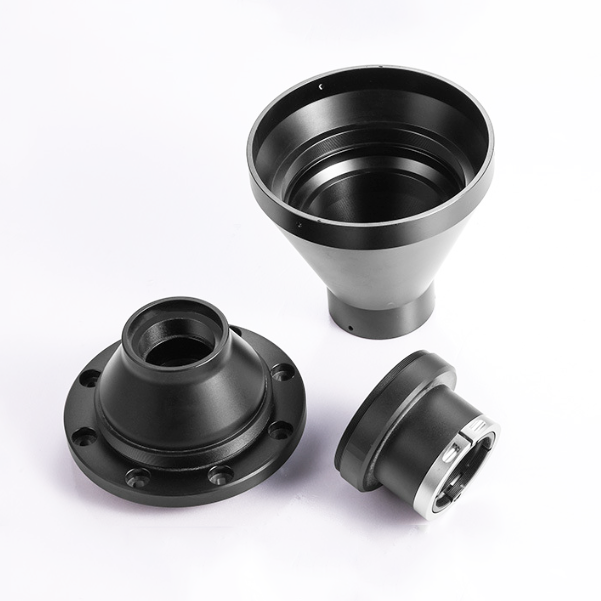
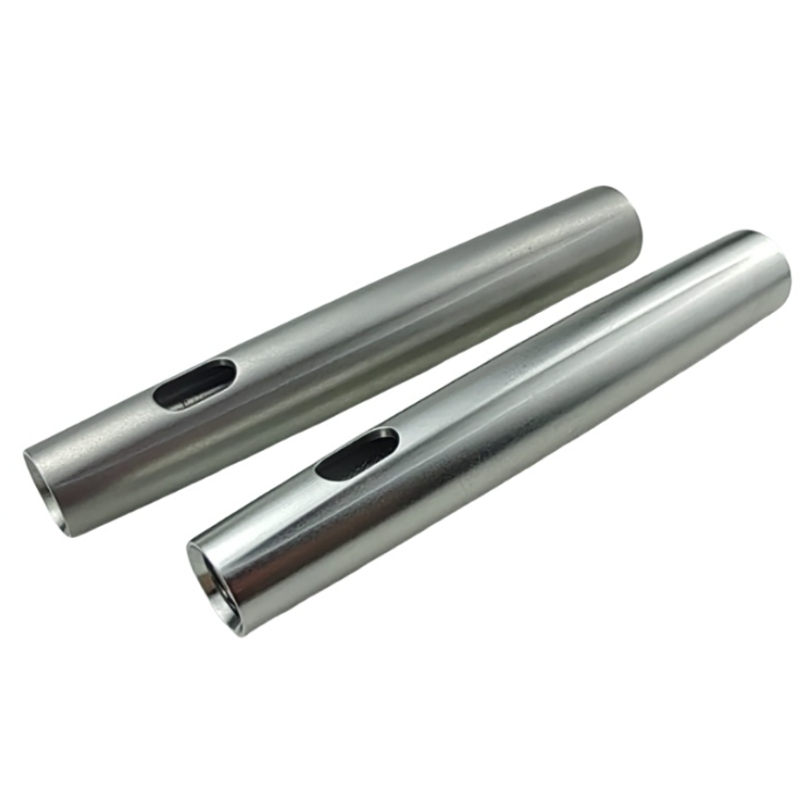
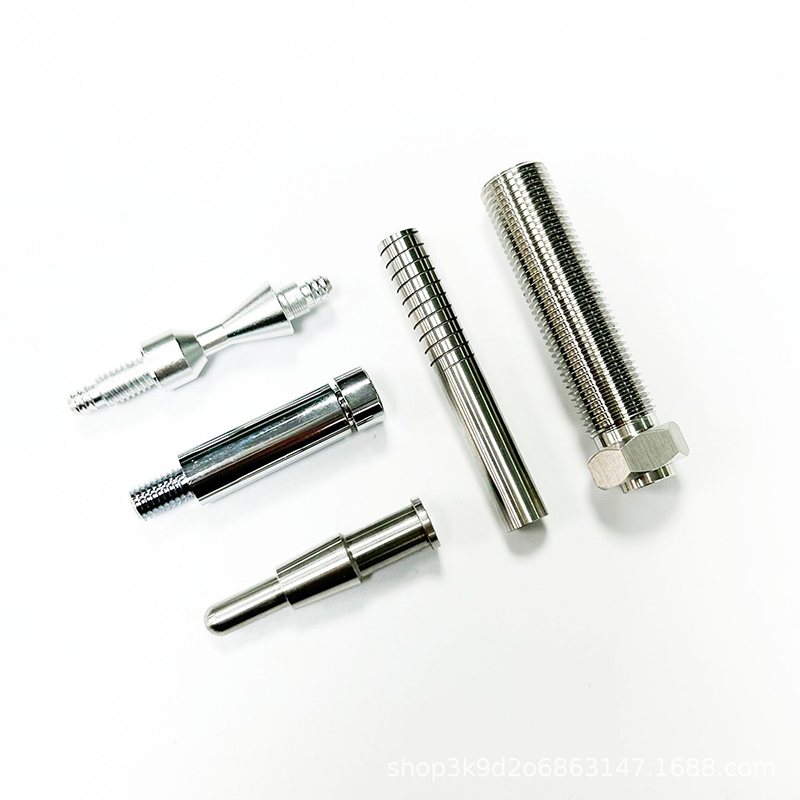
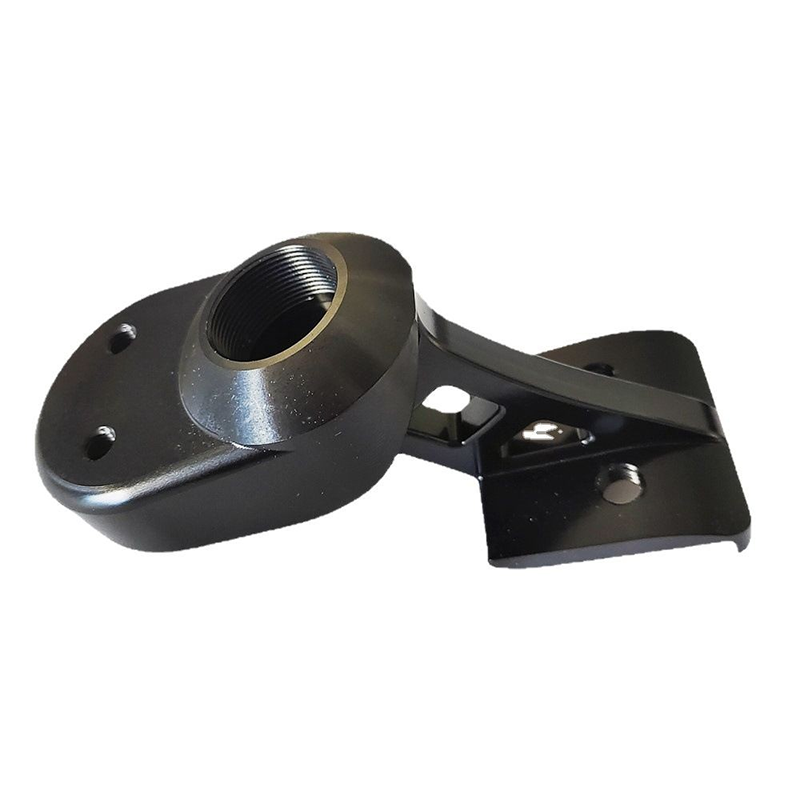
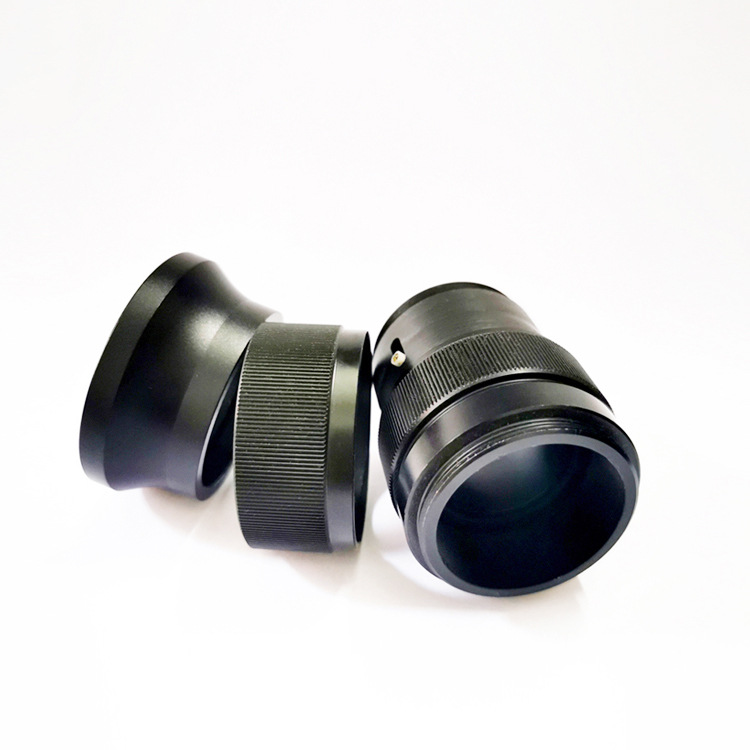
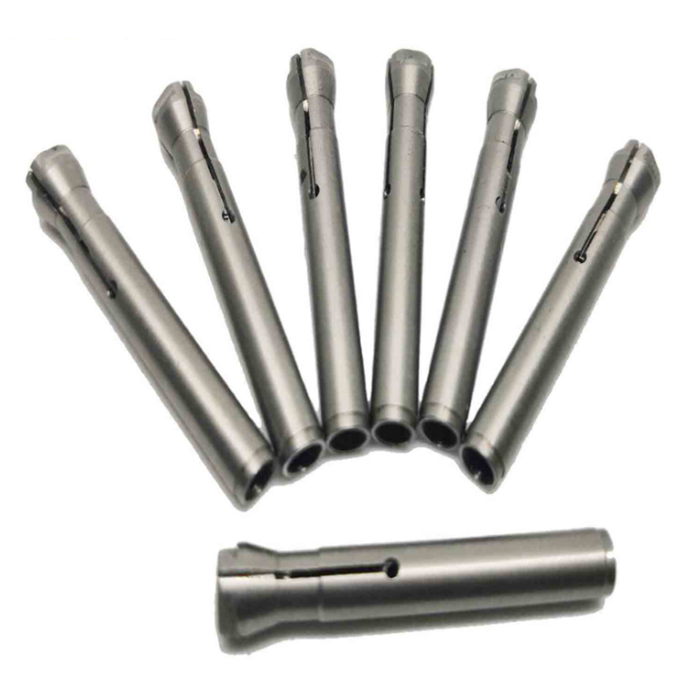
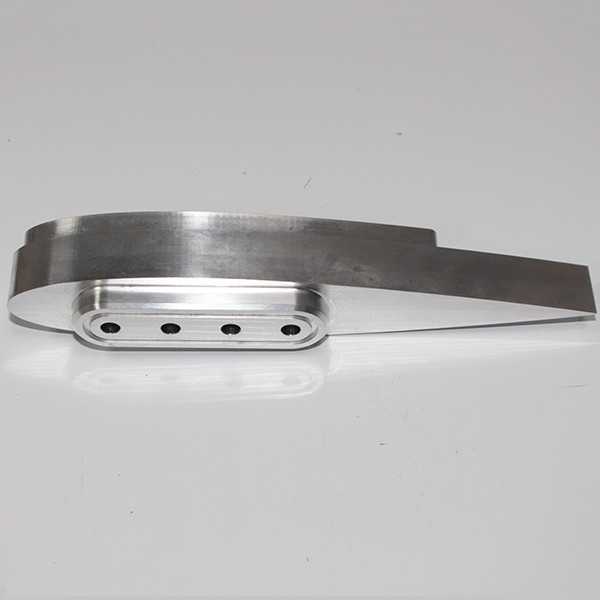
CNC Milling Parts
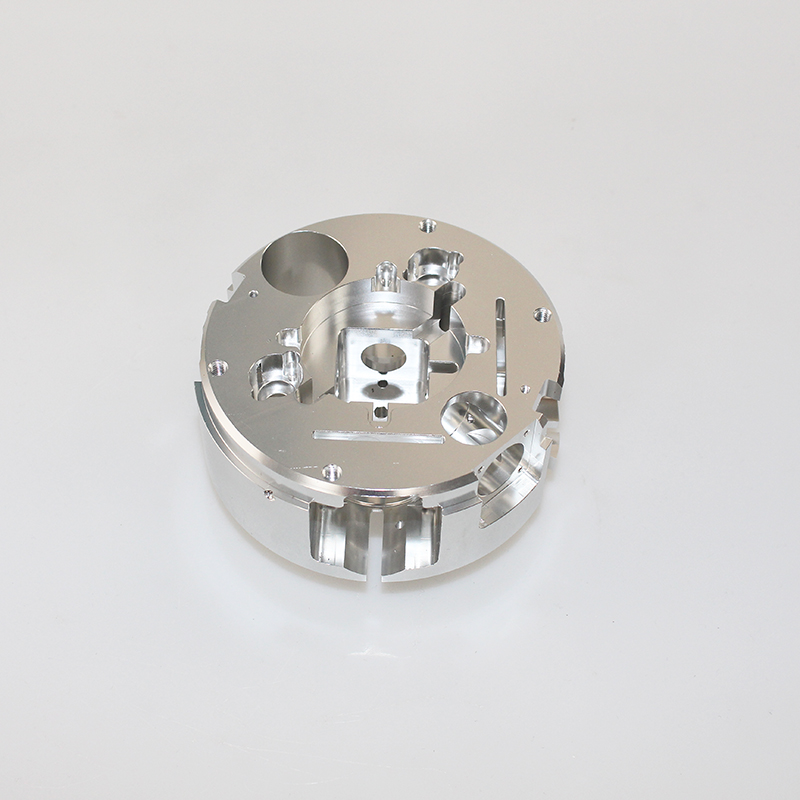
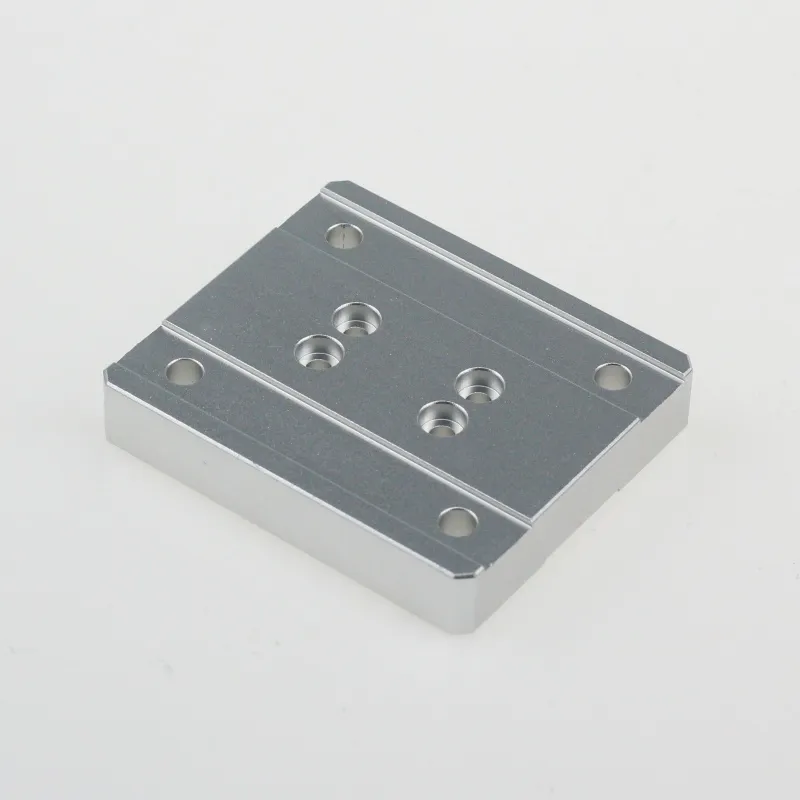
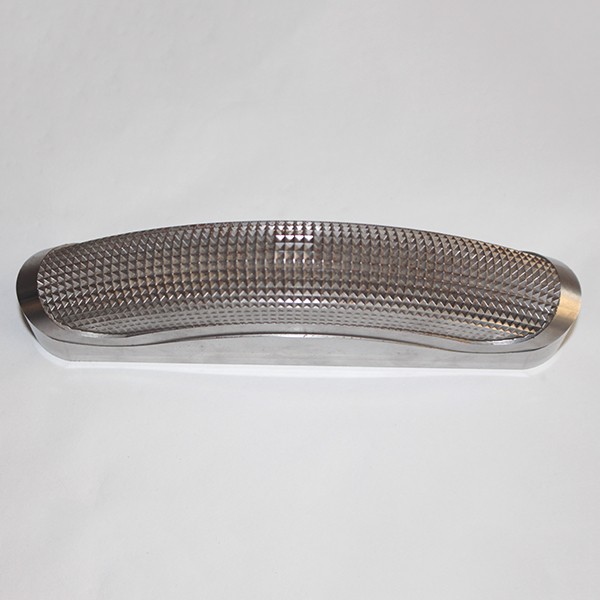
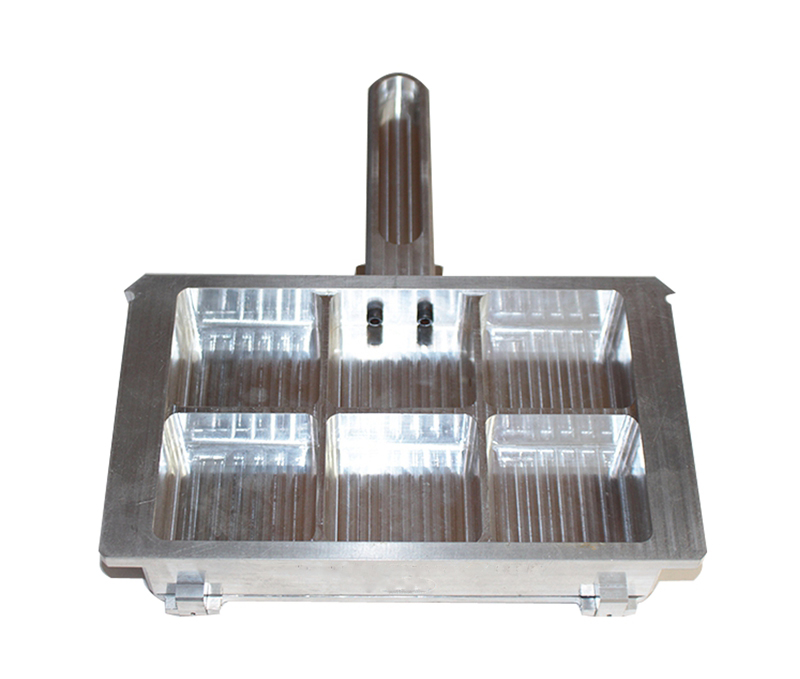
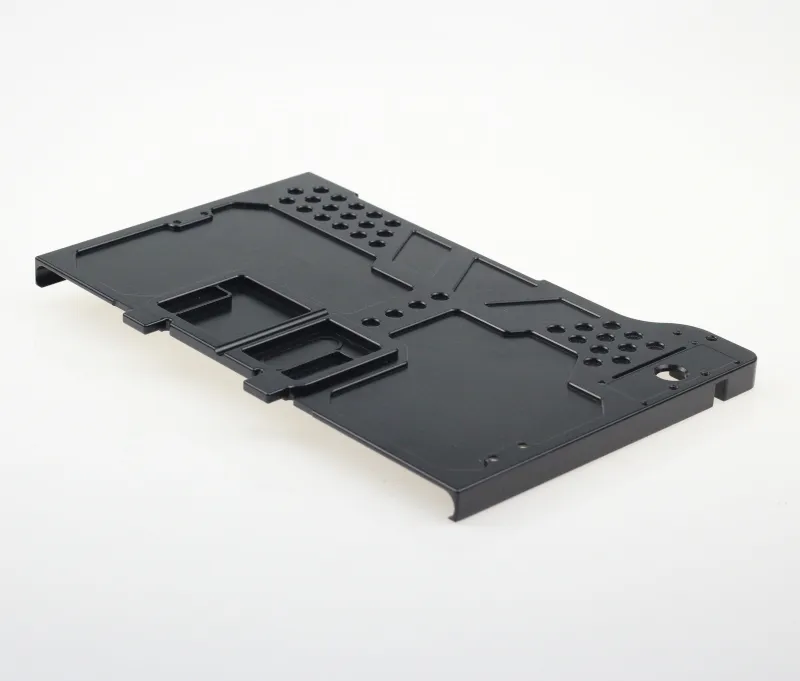
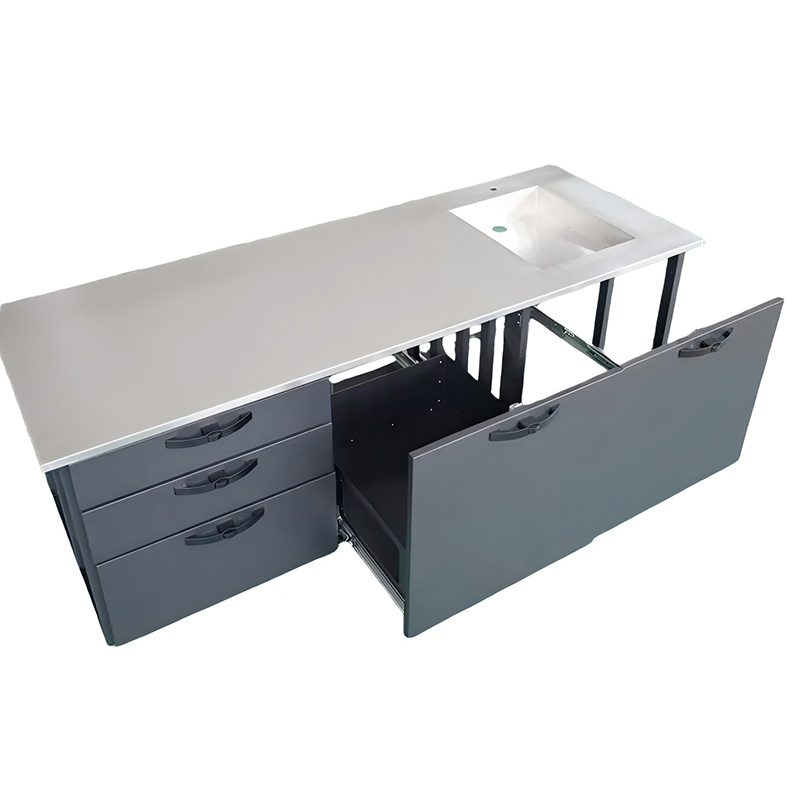
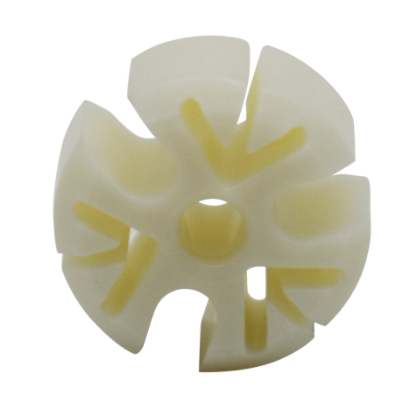
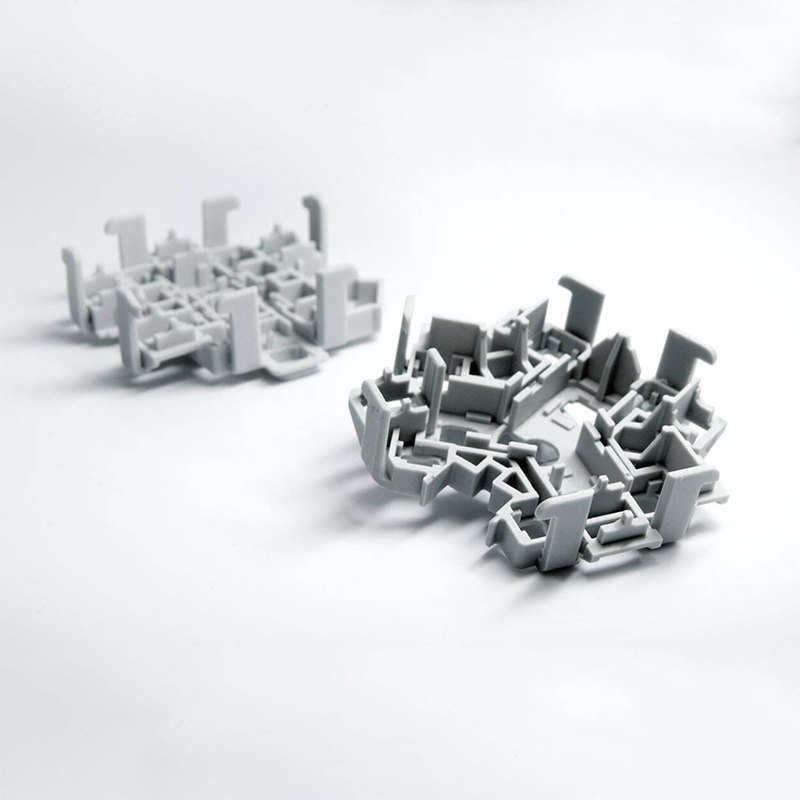
Explore our CNC Milling Parts Gallery to see precision-crafted components manufactured with high accuracy and quality.
Tolerances for CNC Milling
3-Axis | 4-Axis | 5-Axis | |
Maximum Part Size | 3000*1800*800 mm | 850*510*600 mm | 925*1050*600 mm |
Minimum Part Size | 5*5*5 mm | 5*5*5 mm | 5*5*5 mm |
General Tolerances | ± 0.05 mm | ± 0.02 mm | ± 0.01 mm |
Lead Time | Simple parts can be delivered in as little as 1 day. | Most projects are completed within 3 business days. | Most projects are delivered in 3 business days. |
Core Characteristics of Milling Processing
1. Multi-Edge Cutting and Efficiency
-- Milling cutters have multiple cutting edges (e.g., end mills with 4-6 edges), which can participate in cutting simultaneously, sharing the load and improving efficiency (30%-50% higher than single-edge tools).
-- Suitable for large feed rates or high cutting speed machining, such as surface milling with a cutting depth of up to 5-10mm.
2. Intermittent Cutting and Impact Vibration
-- The cutter teeth engage and disengage from the workpiece periodically, causing fluctuations in cutting force, requiring machines with good rigidity (e.g., heavy-duty milling machines) to ensure precision.
-- Intermittent cutting facilitates tool cooling and extends tool life, but durable tool materials (e.g., carbide) must be used.
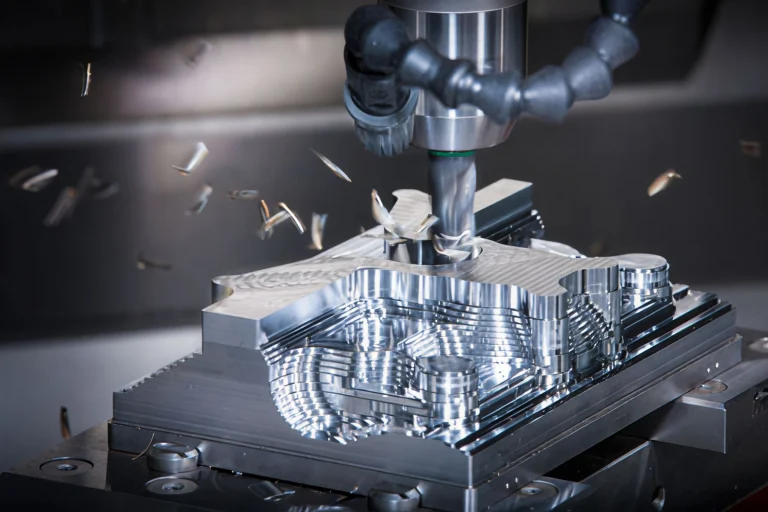
3. Process Flexibility-- By changing tools (e.g., face mills, T-slot mills), it can process complex features such as flat surfaces, grooves, gears, and curved surfaces.
-- Supports multi-axis linkage (e.g., five-axis milling) to achieve machining of three-dimensional complex profiles (e.g., mold cavities).4. Controllable Surface Quality-- Adjusting cutting parameters (e.g., feed rate, speed) can control surface roughness (Ra 0.8-12.5μm).
-- End mills' secondary cutting edges can polish surfaces with roughness down to Ra 0.4μm.Range of Milling Processing
1. Basic Processing-- Flat/Step Surfaces: Face mills (end mills) process large flat surfaces, three-edge mills process steps.
-- Grooves/Keys: End mills mill straight grooves, keyway cutters process key slots (accuracy IT8-IT9).2. Complex Feature Processing
-- Gears/Threads: Modular shaped end mills process gears, thread mills process threads.
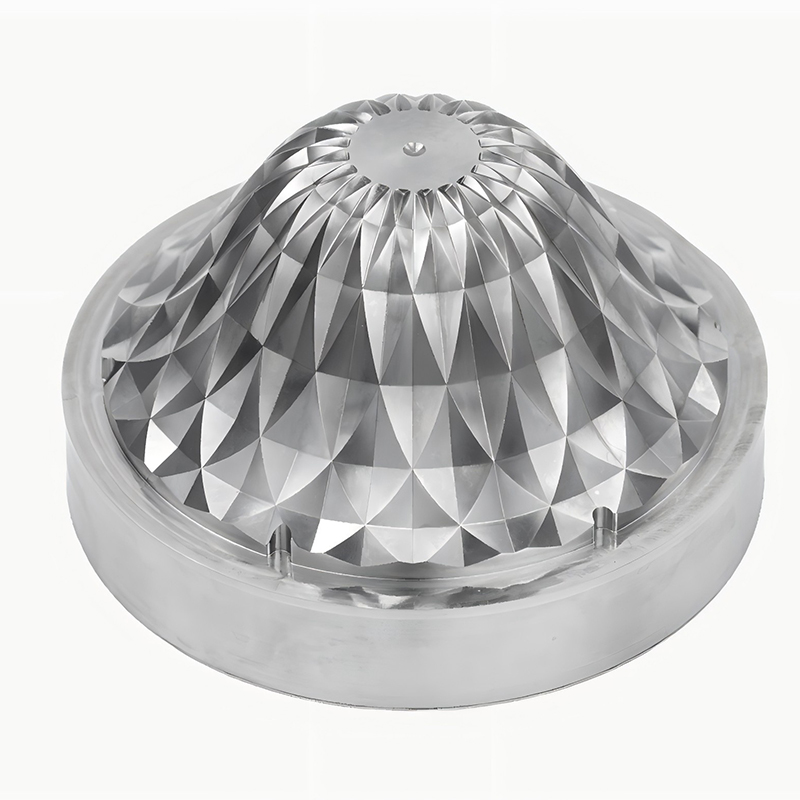
-- Cavities/Molds: Ball end mills process three-dimensional curves (e.g., injection molds).
2. Special Processing
-- Cutting/Indexing: Saw blades mill cut workpieces, dividing heads achieve evenly spaced holes/teeth.
-- Special-Shaped Slots: Dove-tail milling cutters and T-slot mills process specific connection structures.Typical Application Scenarios
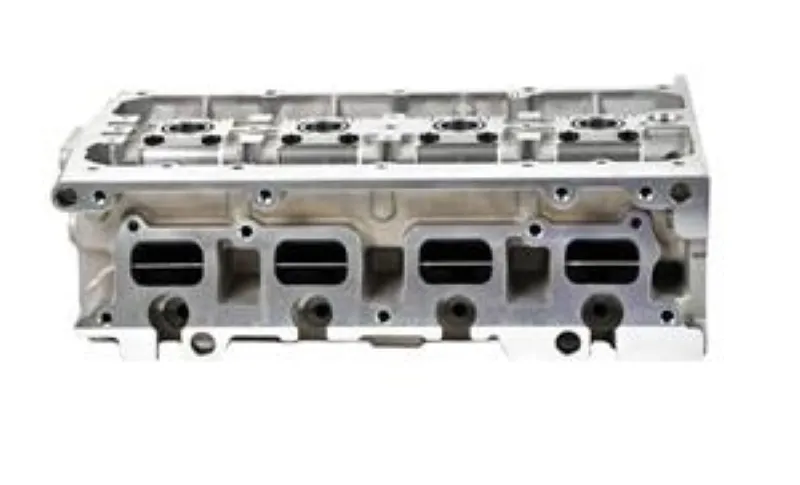
-- Automotive Manufacturing: Milling flat surfaces of engine blocks, processing gear case shells.
-- Aerospace: Frameworks of fuselages, structural components of landing gear.
-- Electronics: Mounting slots for circuit boards, arrays of heat sink fins.
Comparison with Other
ProcessesTurning:
Suitable for rotating parts (e.g., shafts), milling is better for polyhedral/complex profiles.
Drilling:
Milling can replace some drilling operations (e.g., large diameter holes) but with higher precision.
40px
80px
80px
80px