
40px
80px
80px
80px
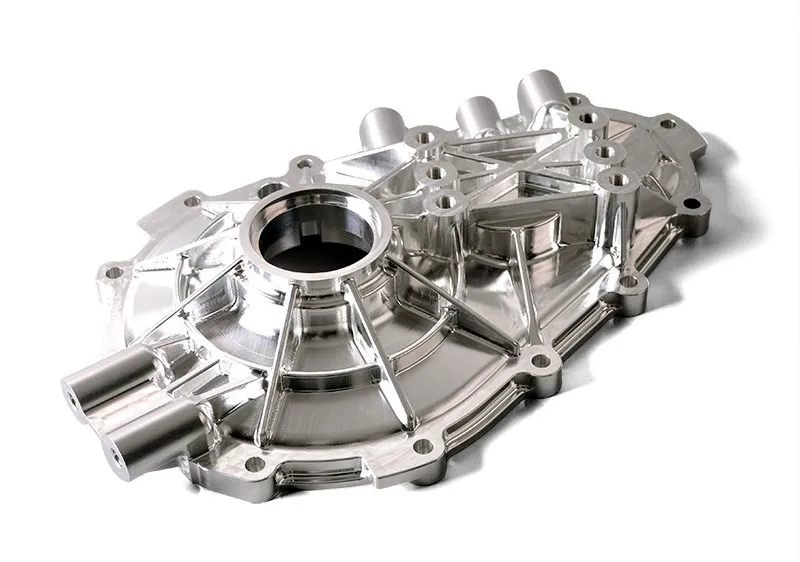
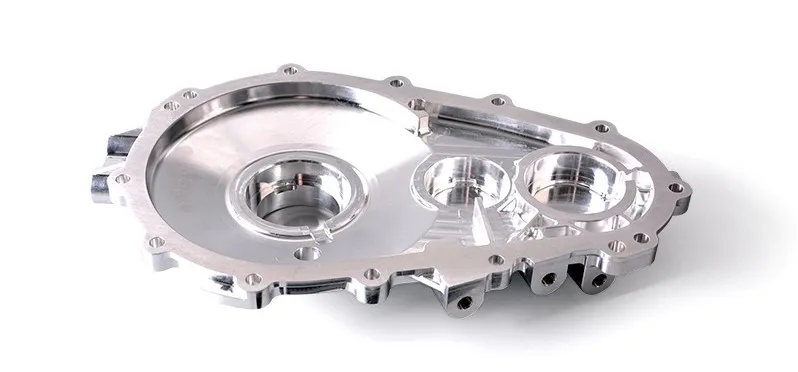
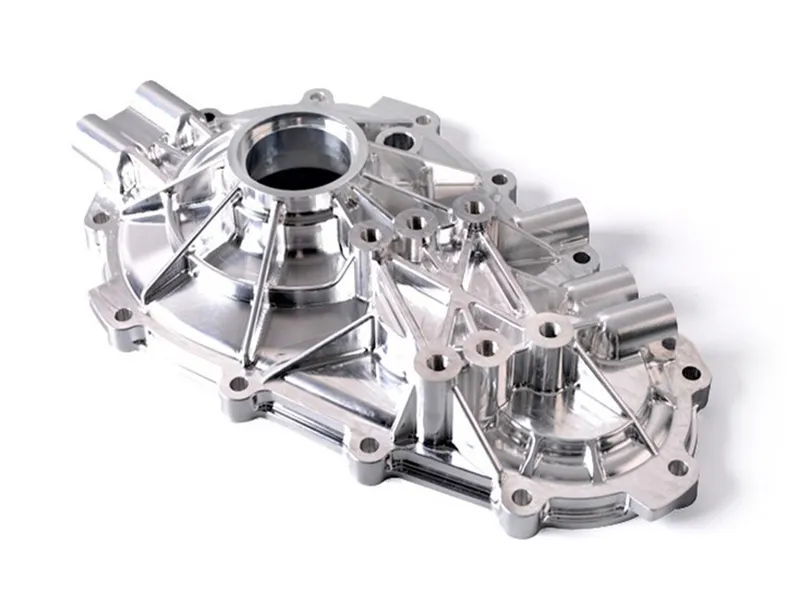
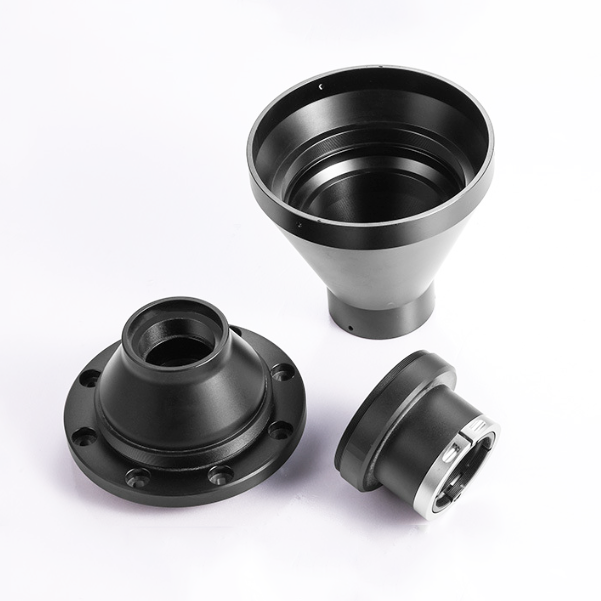
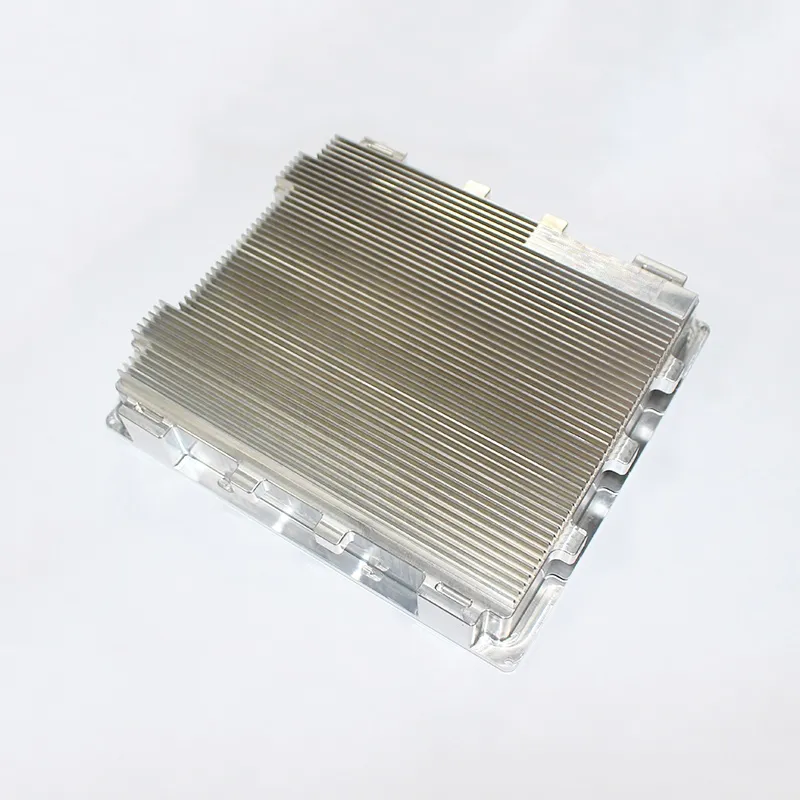
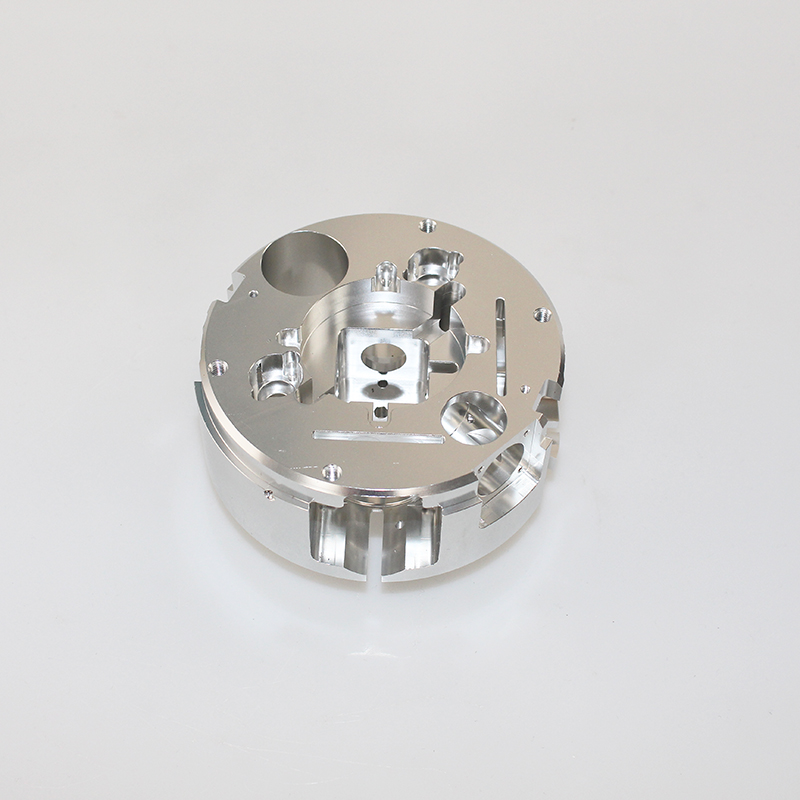
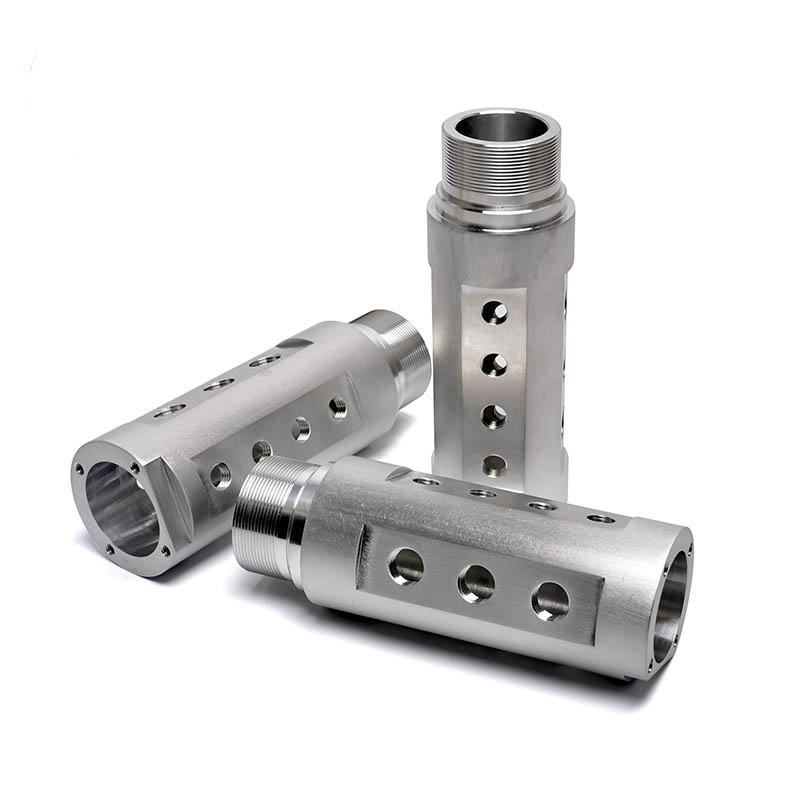
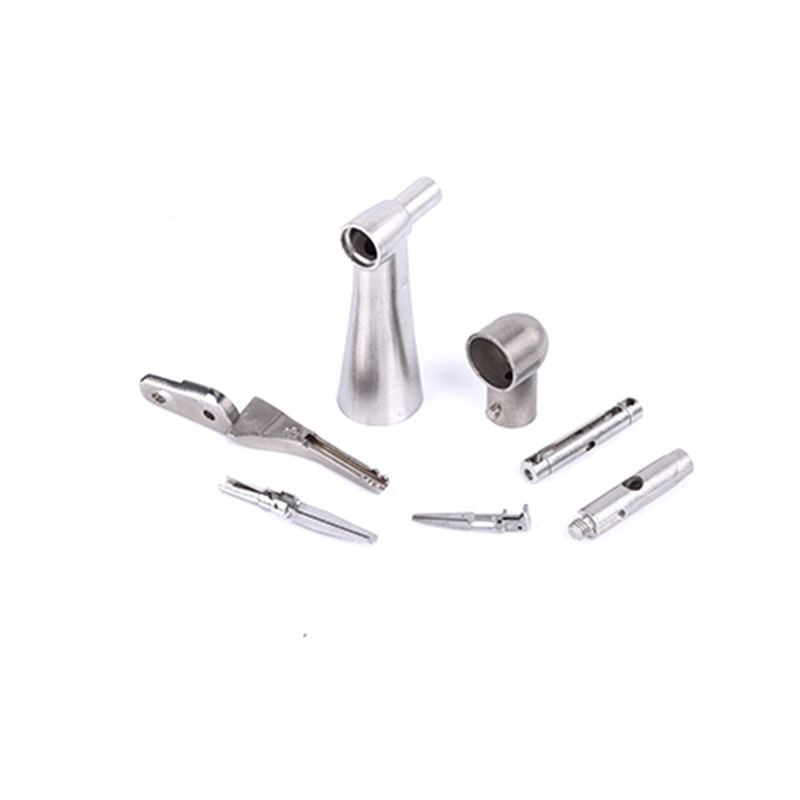
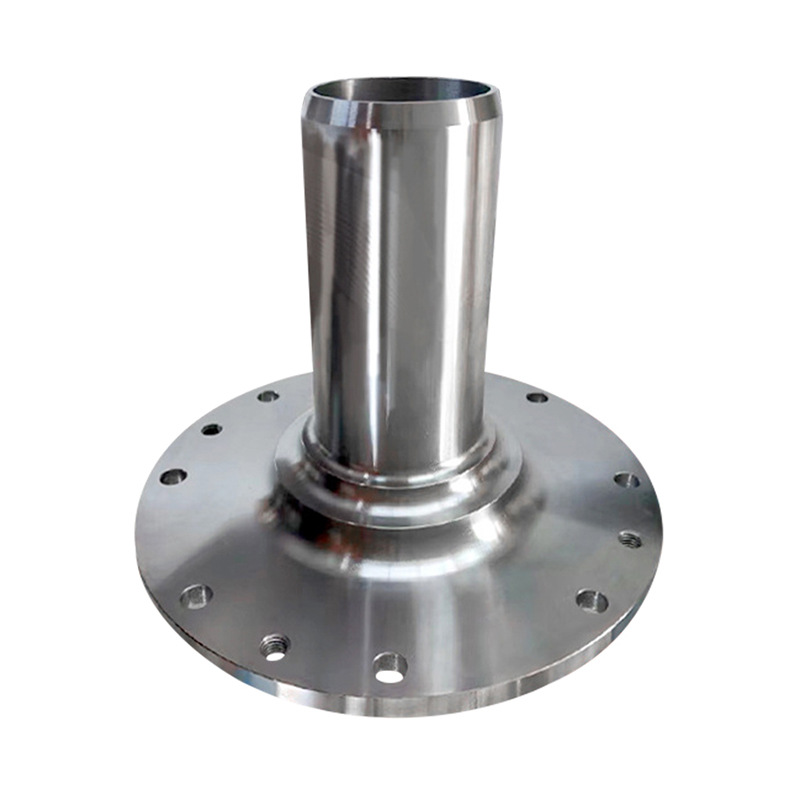
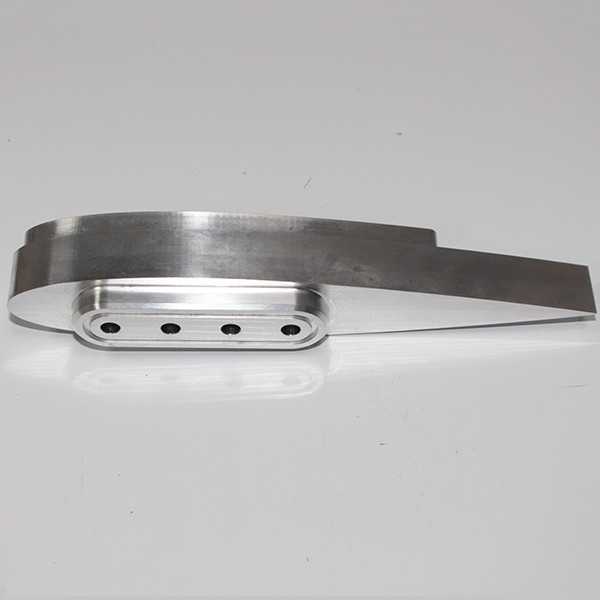
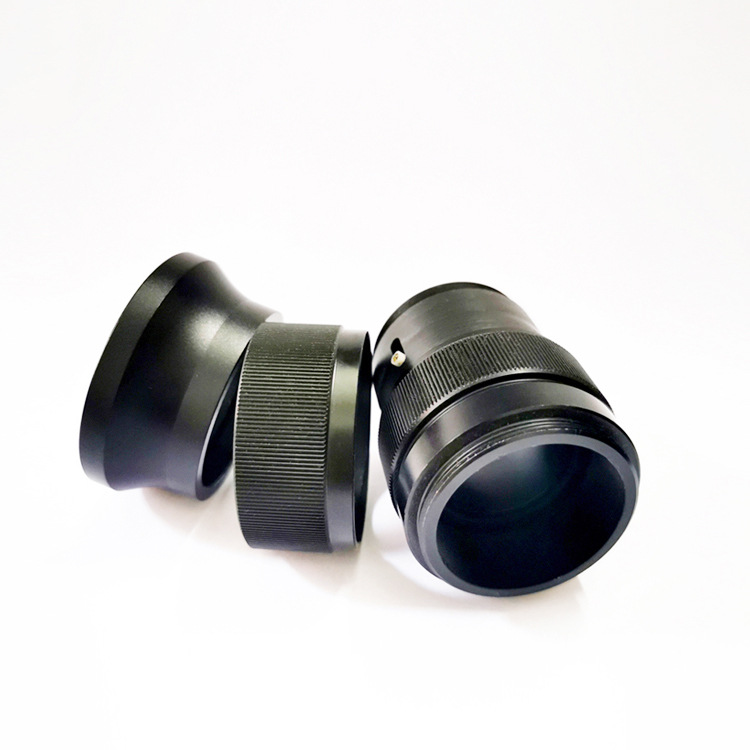
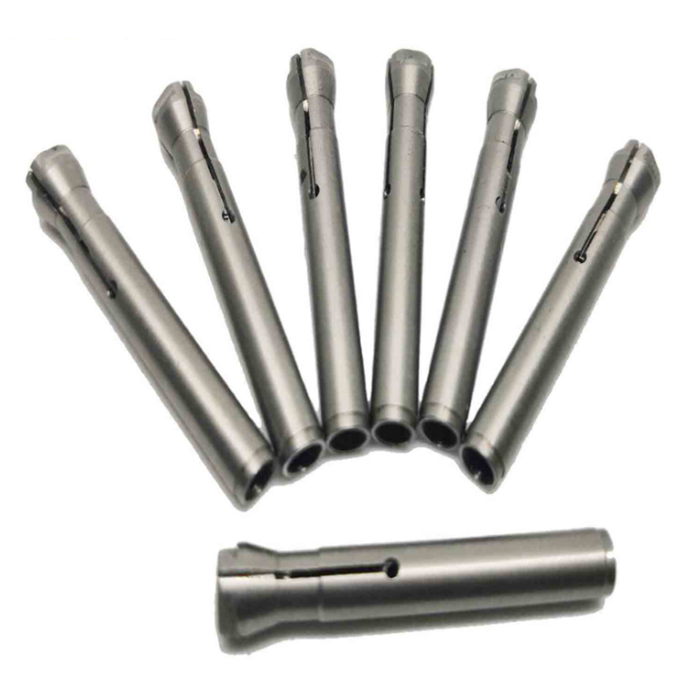
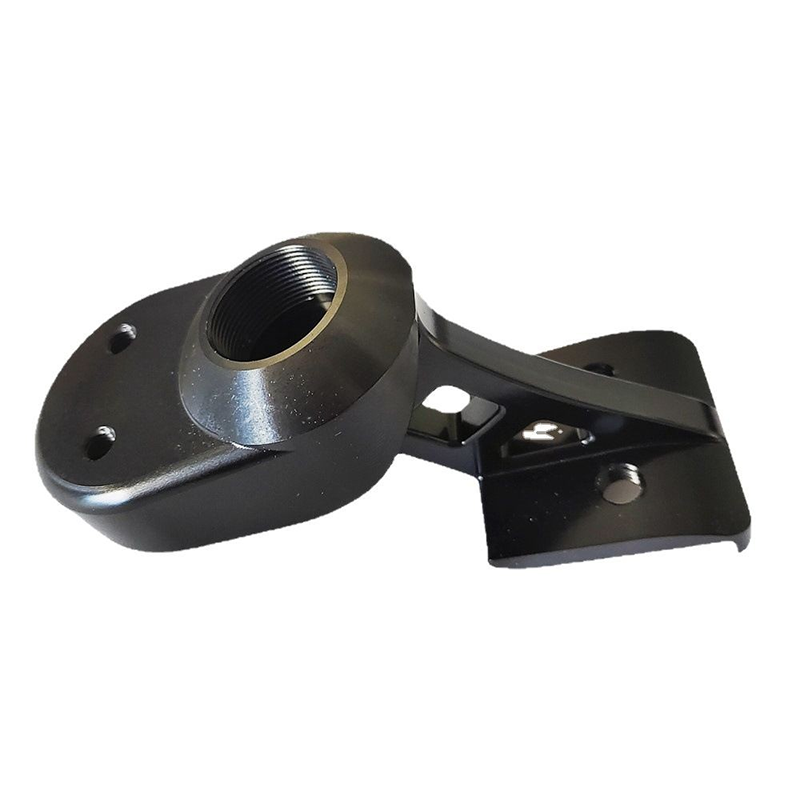
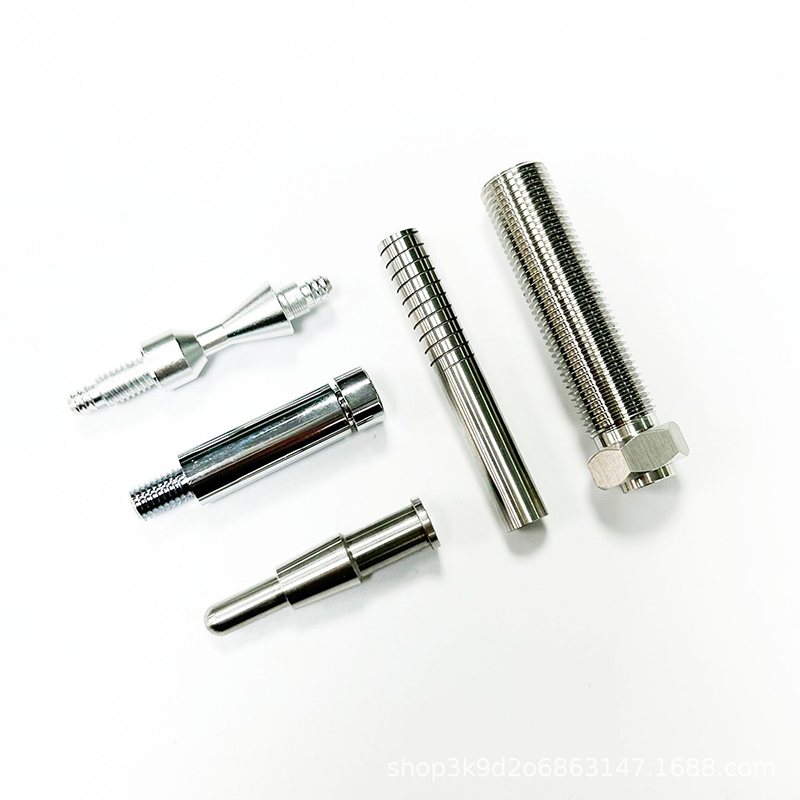
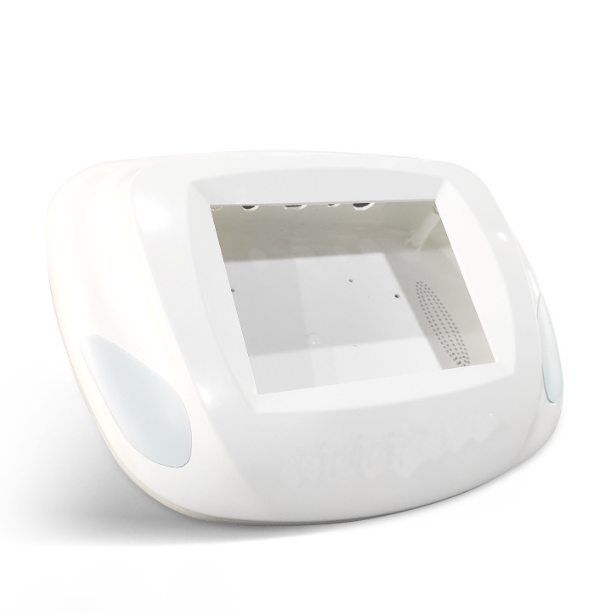
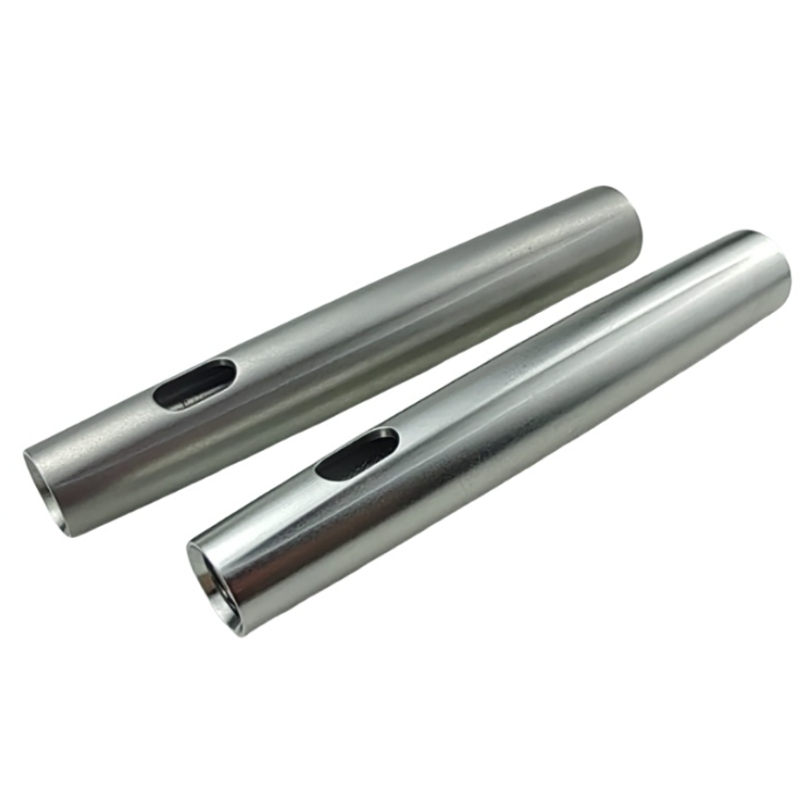
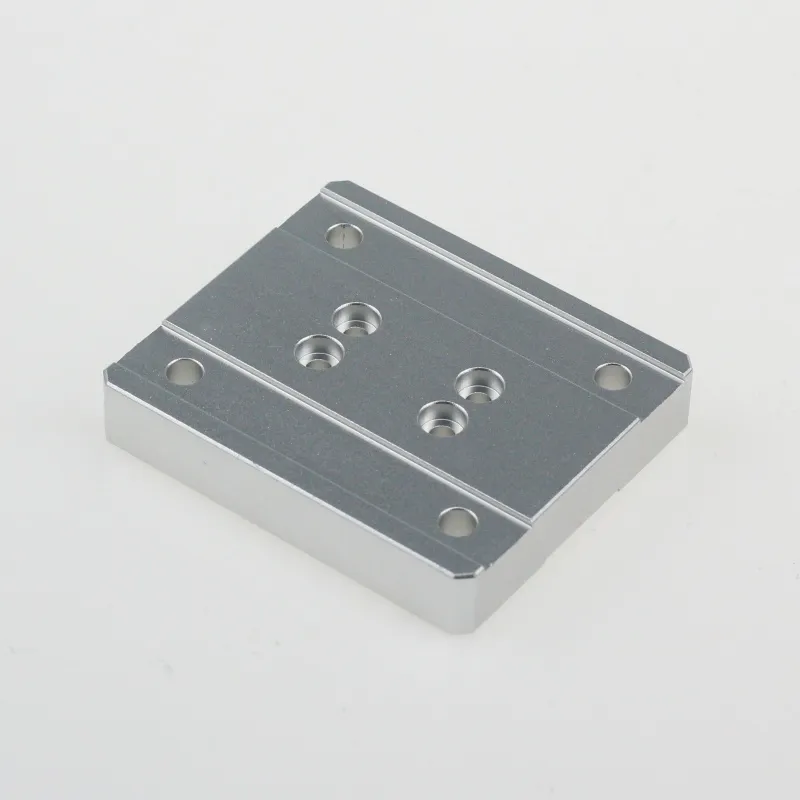
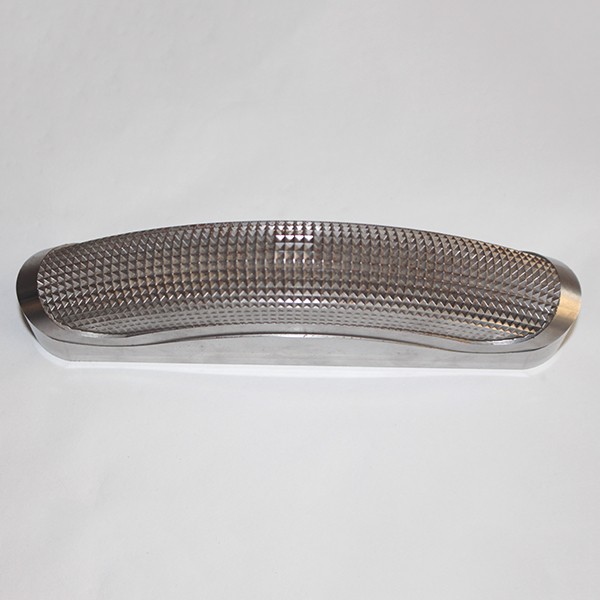
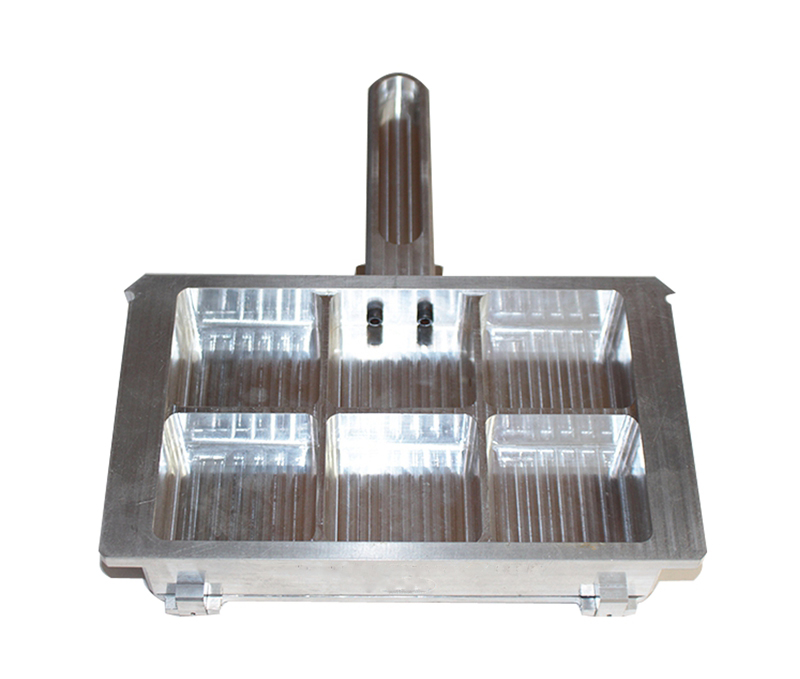
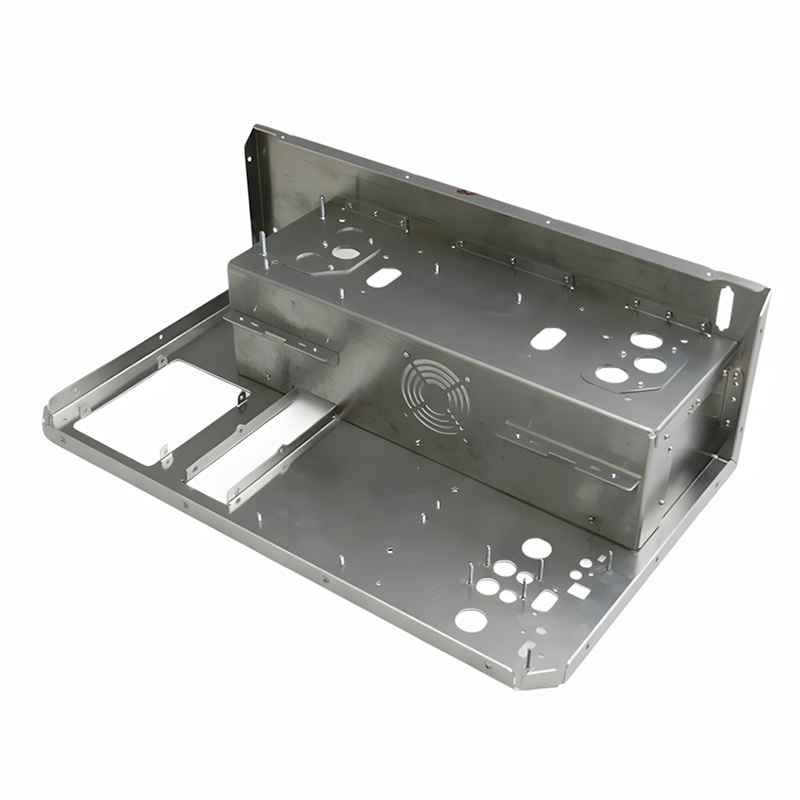
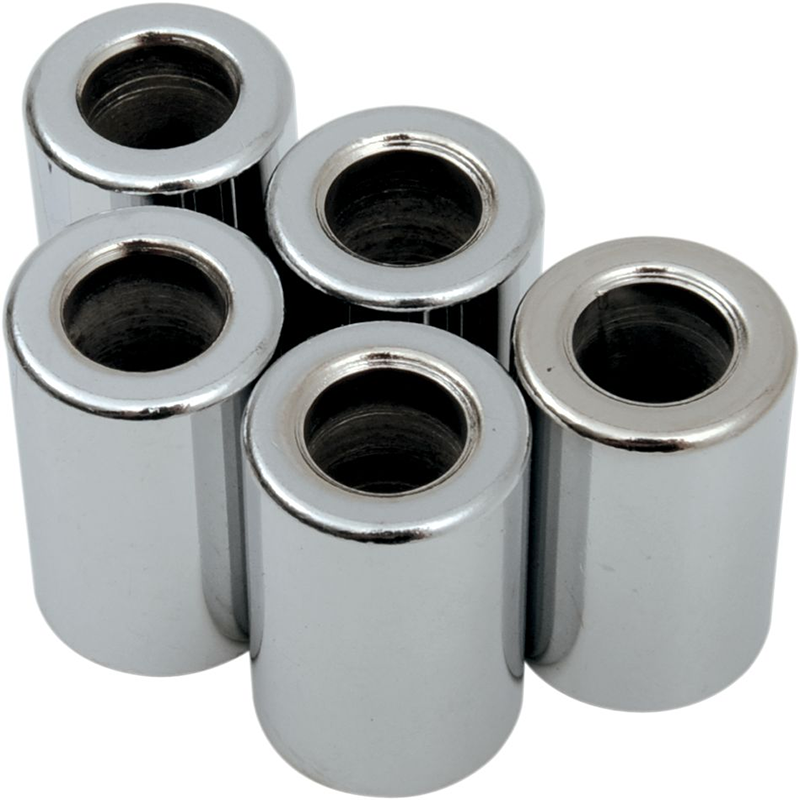
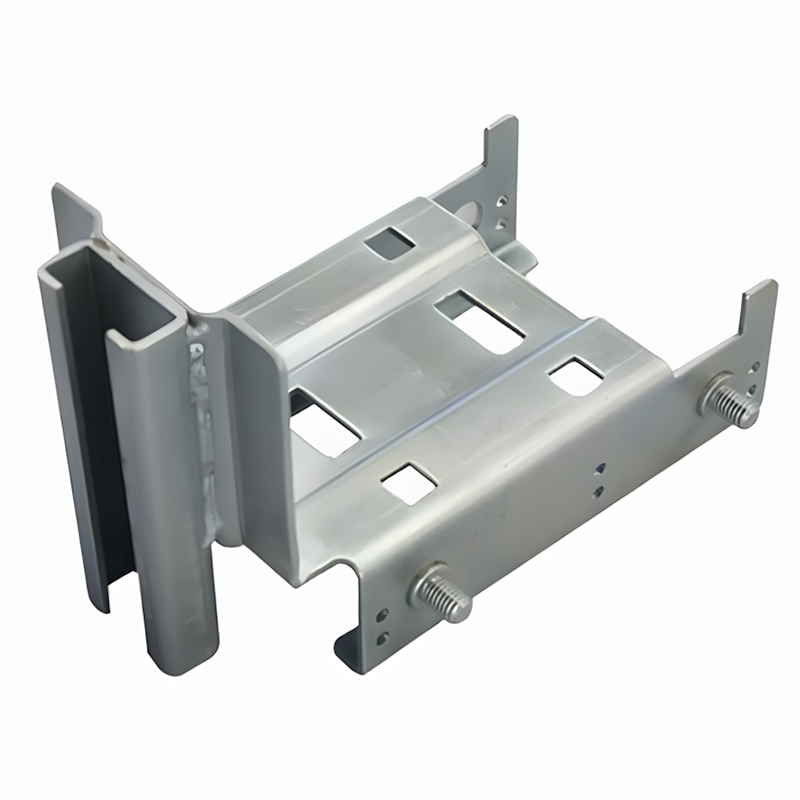
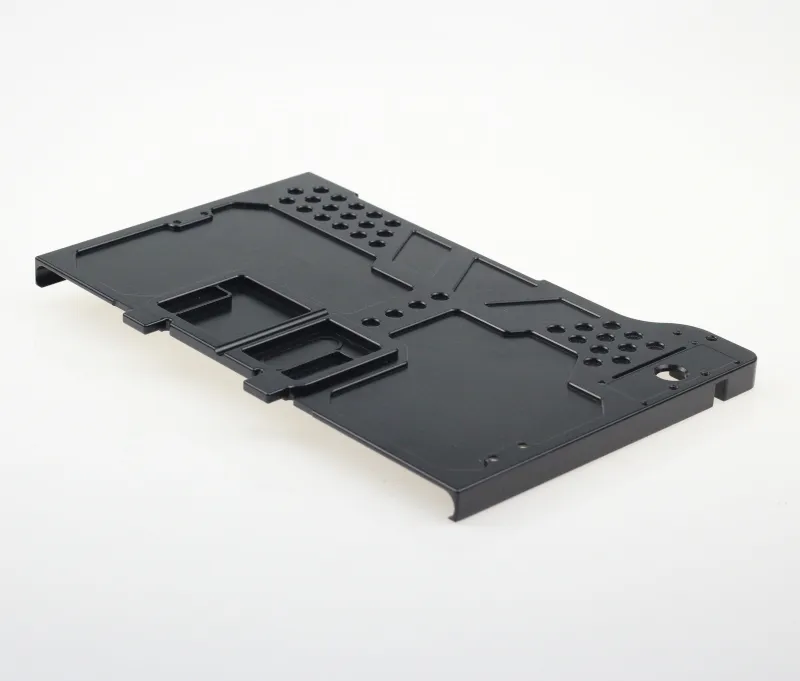
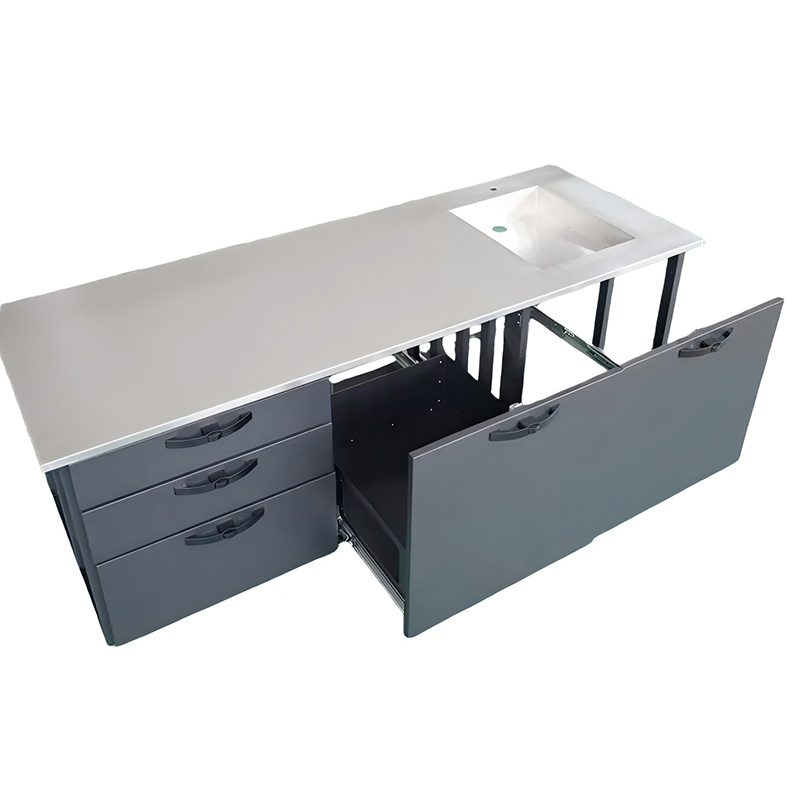
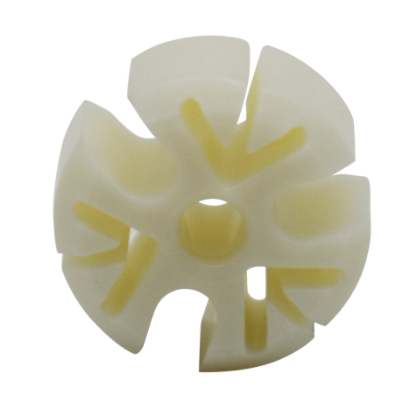
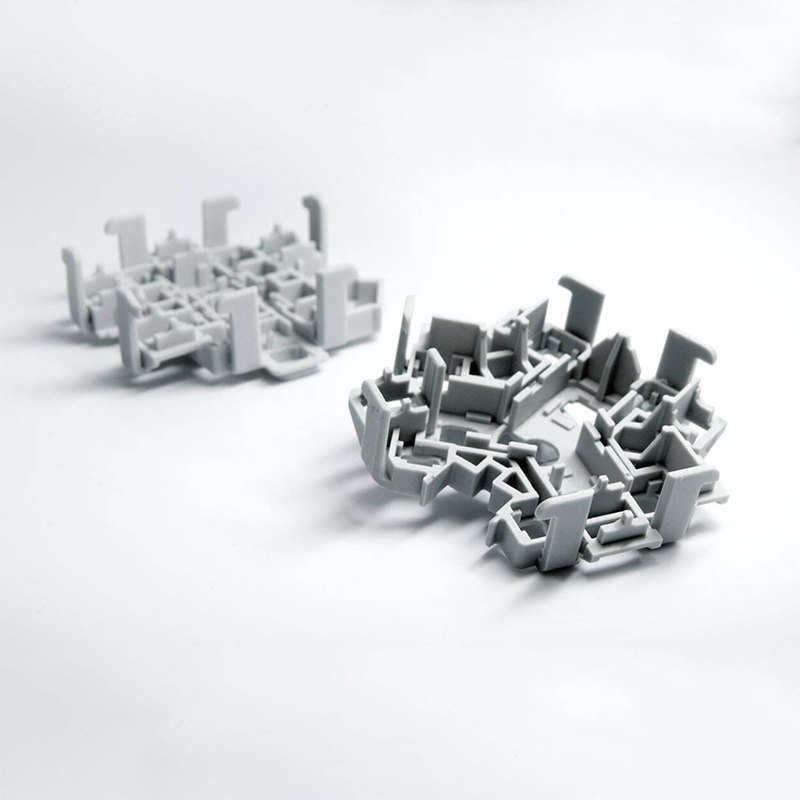
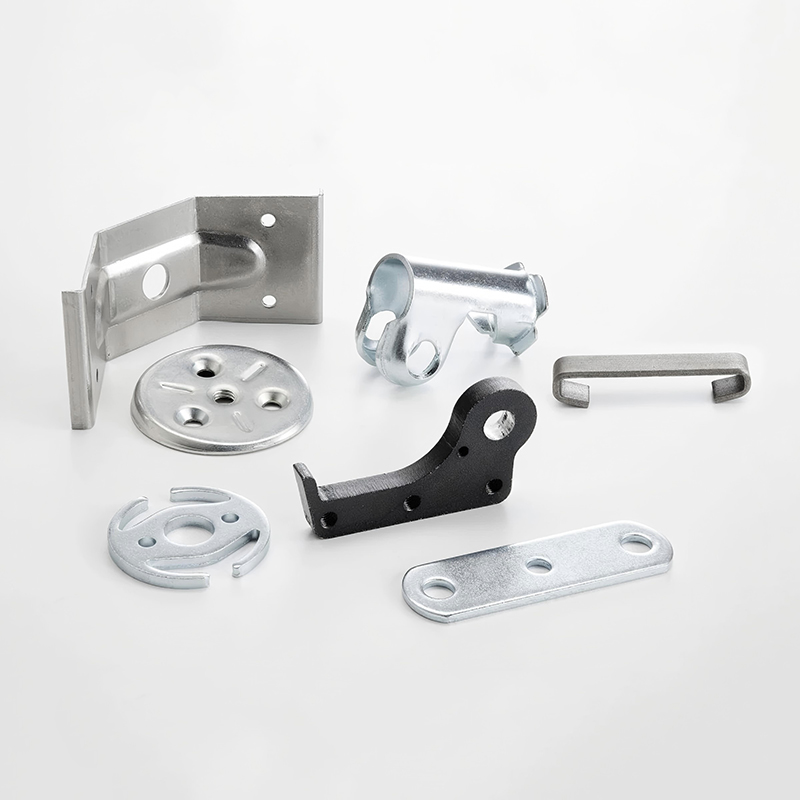
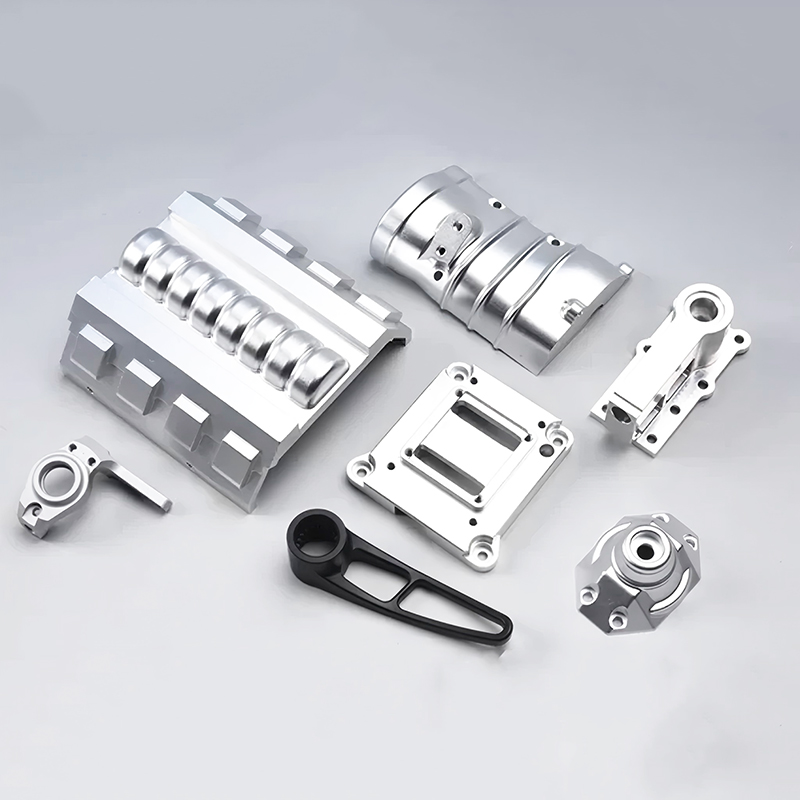
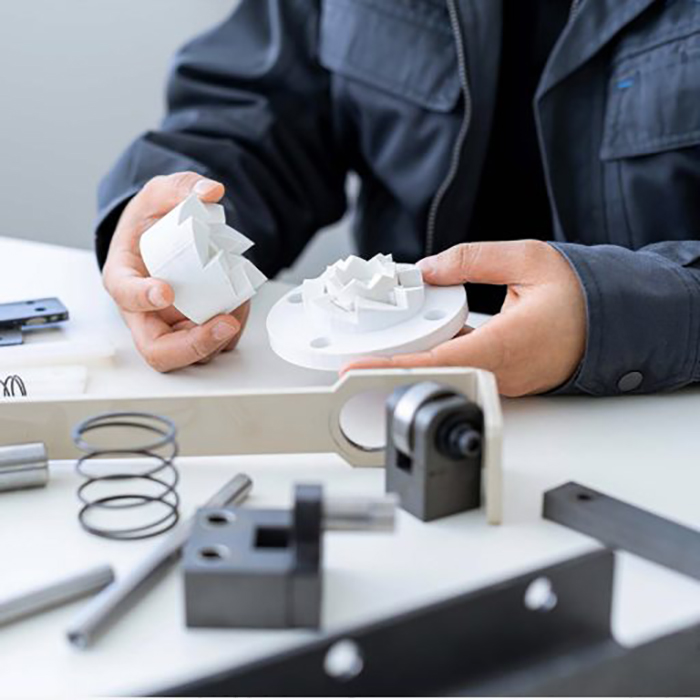
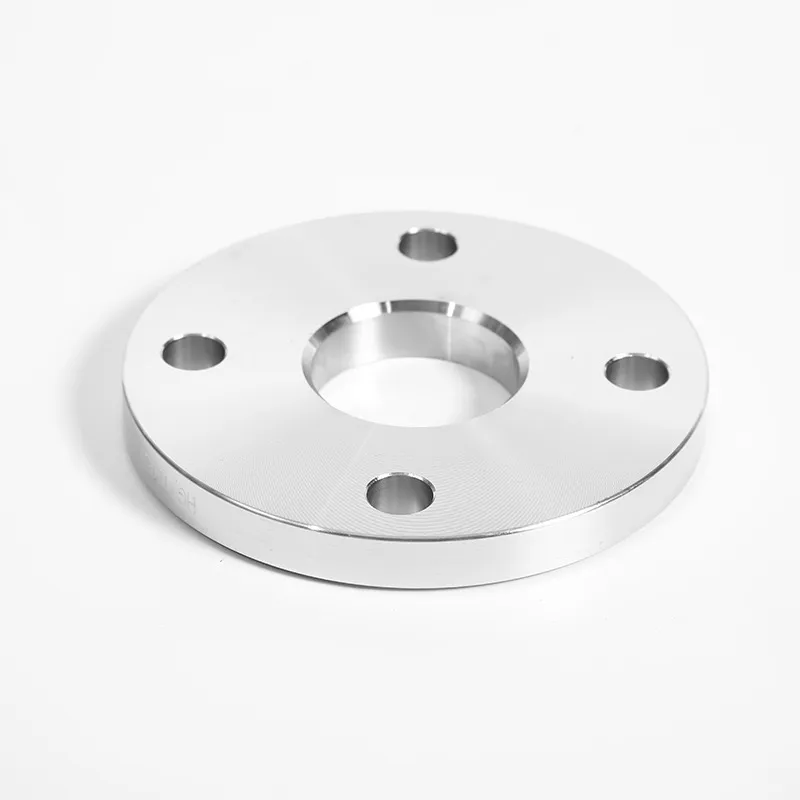
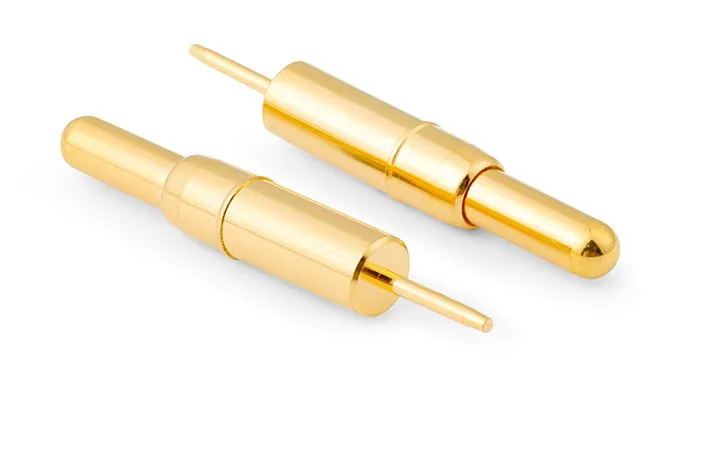
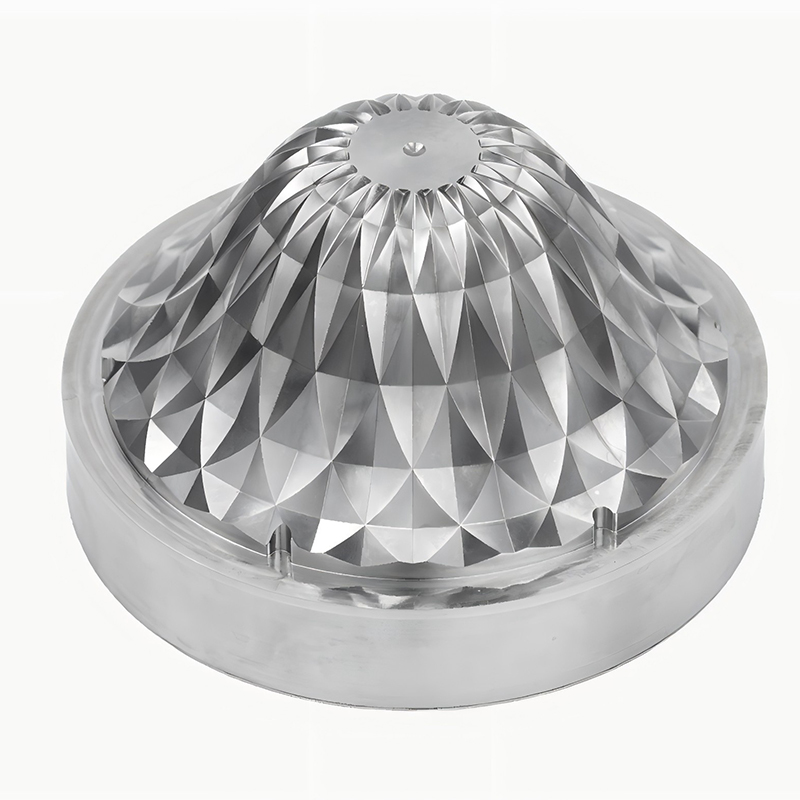
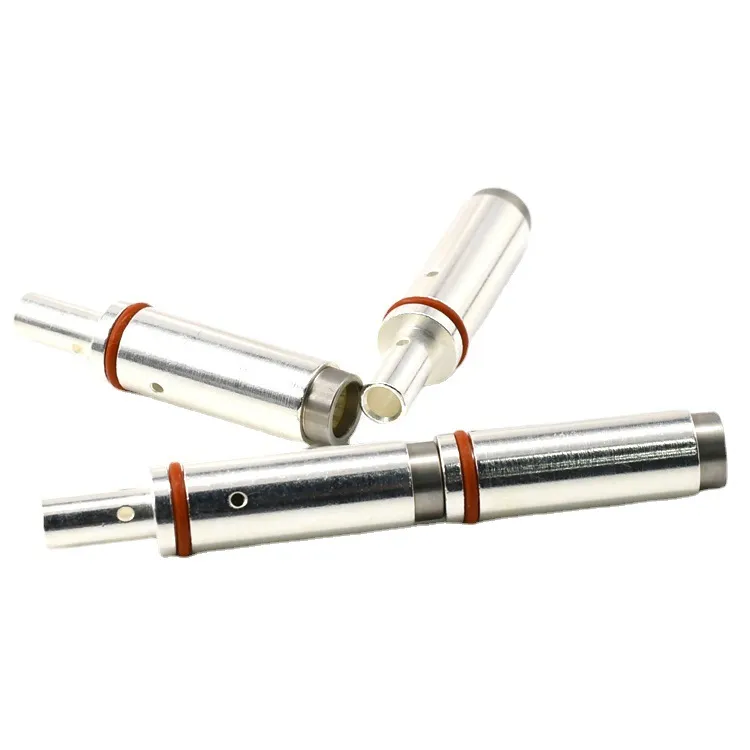
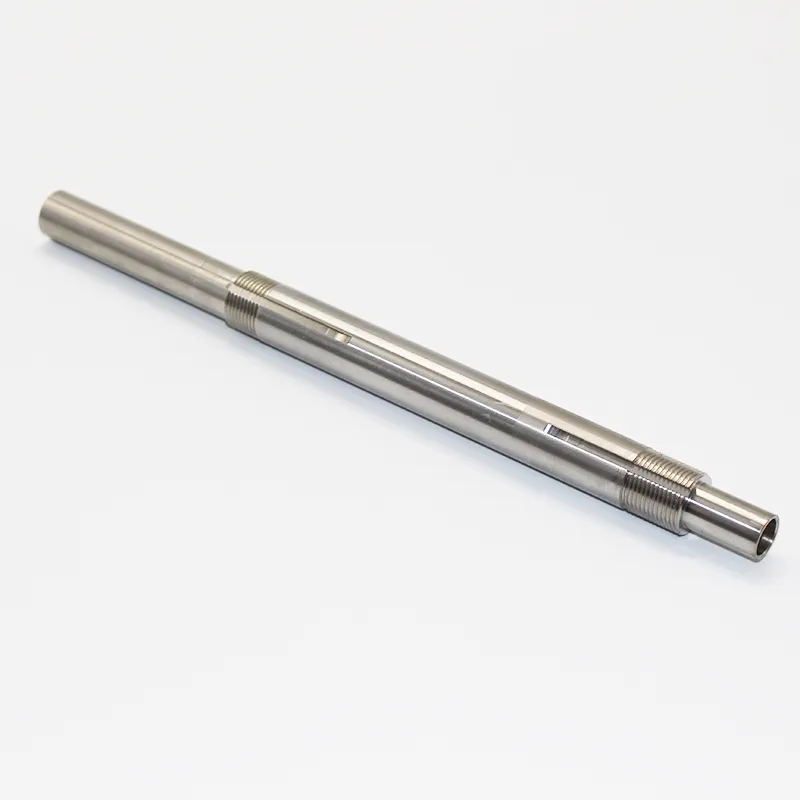
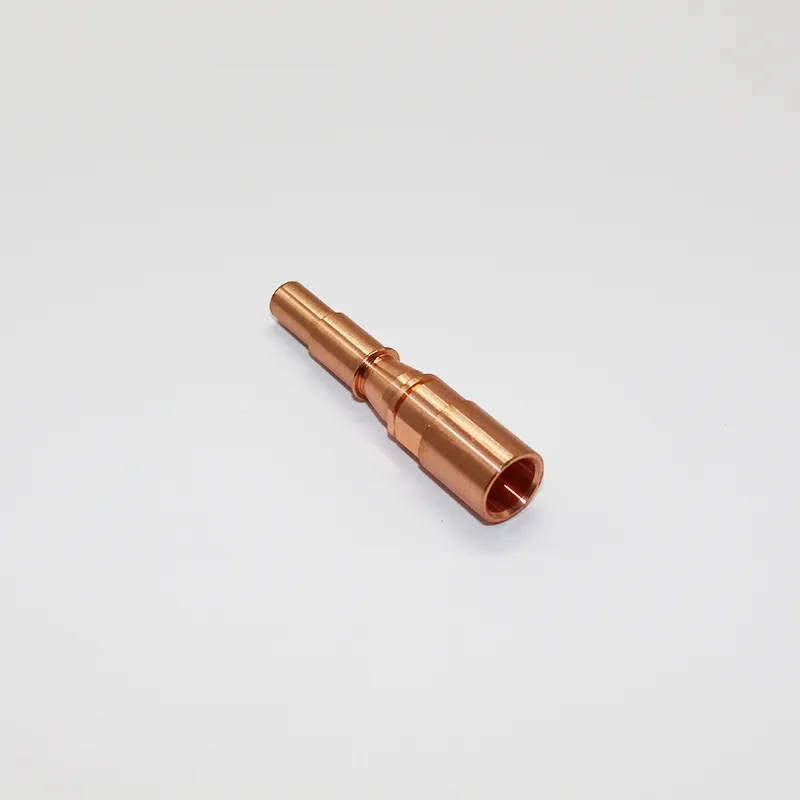
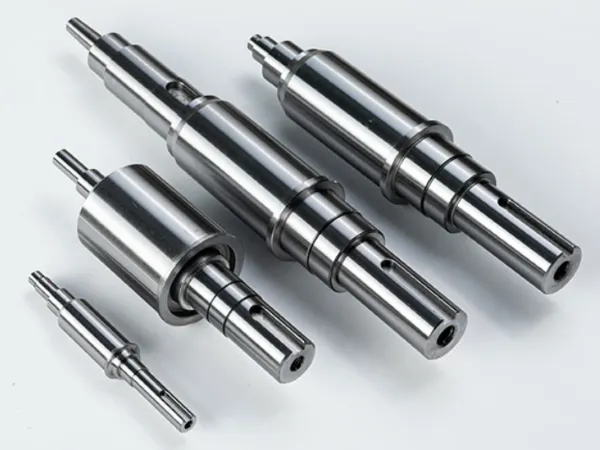
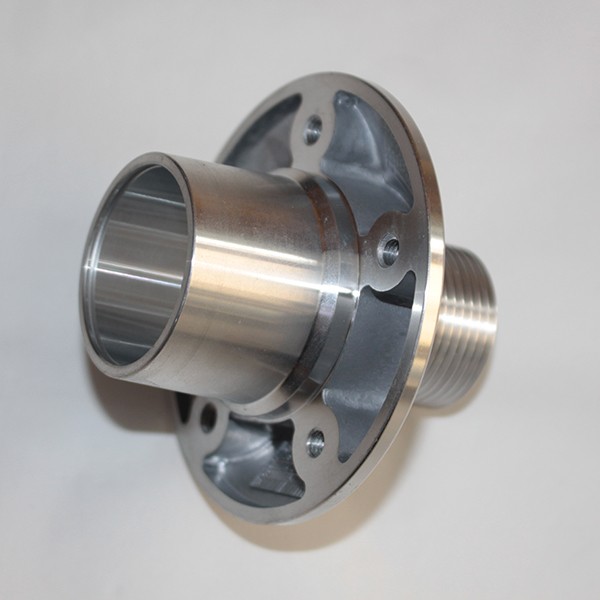
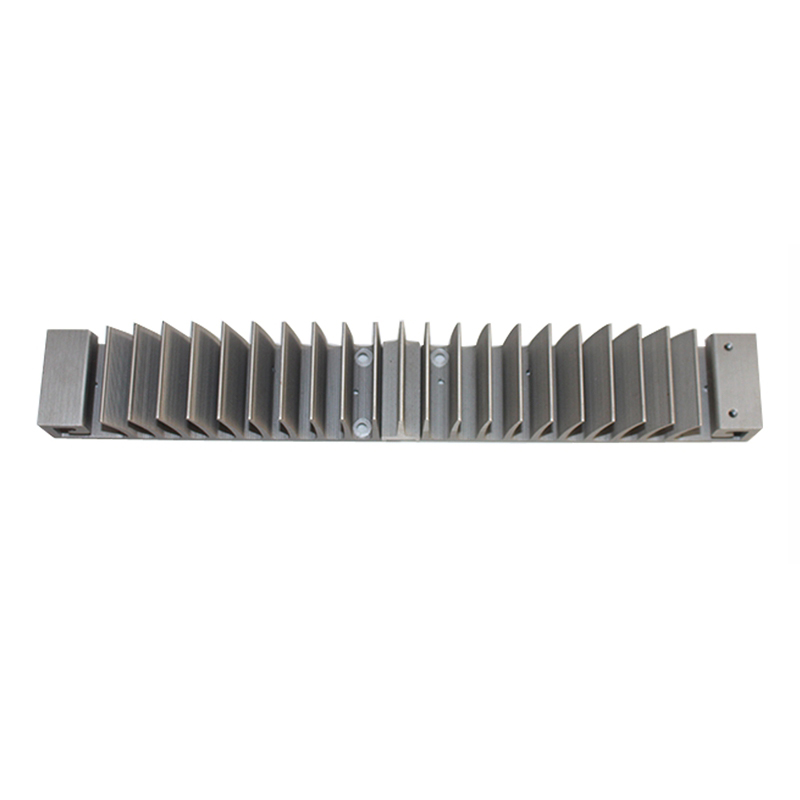
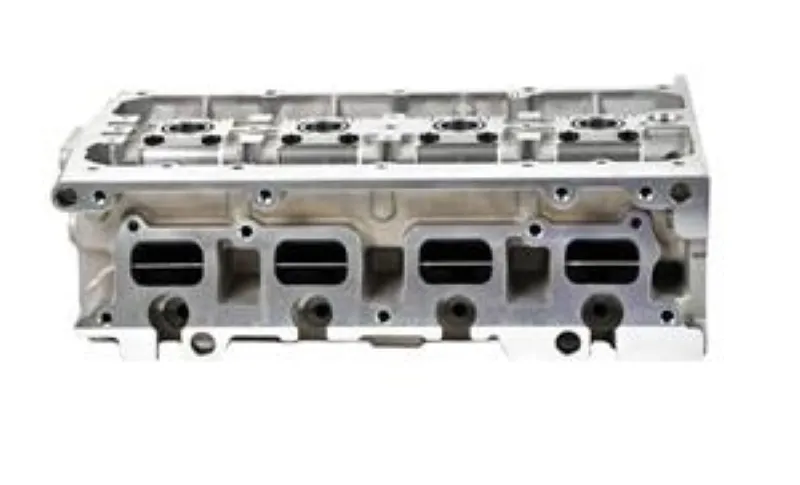
CNC Machining is a kind of engraving and molding. Precision parts processing is an accessory widely used in automobiles, communications, medical, watches, mobile phones, computers and other industries. Produced on demand to meet the needs of different customers.
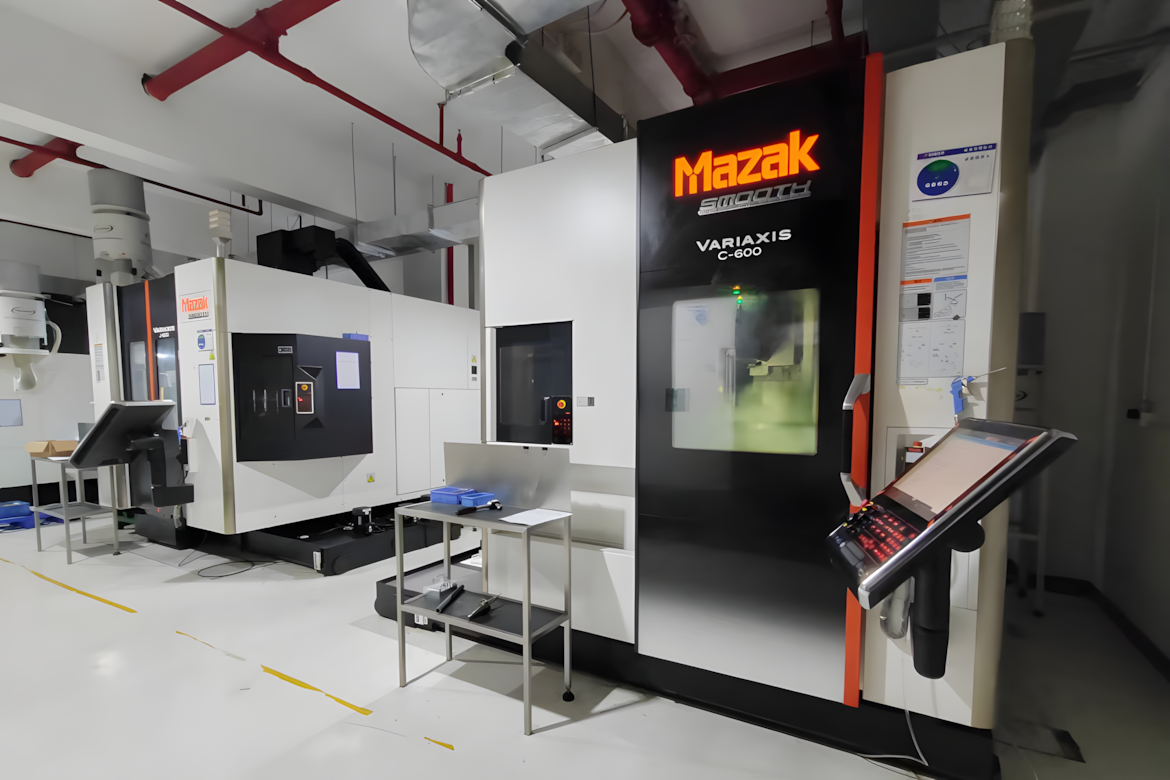
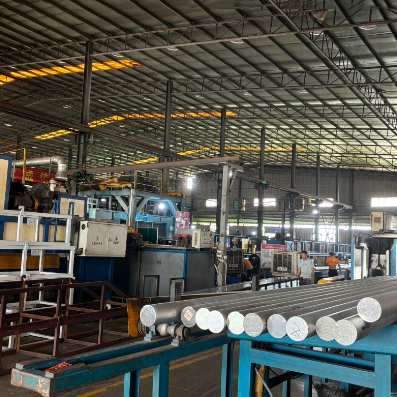
CNC workshop
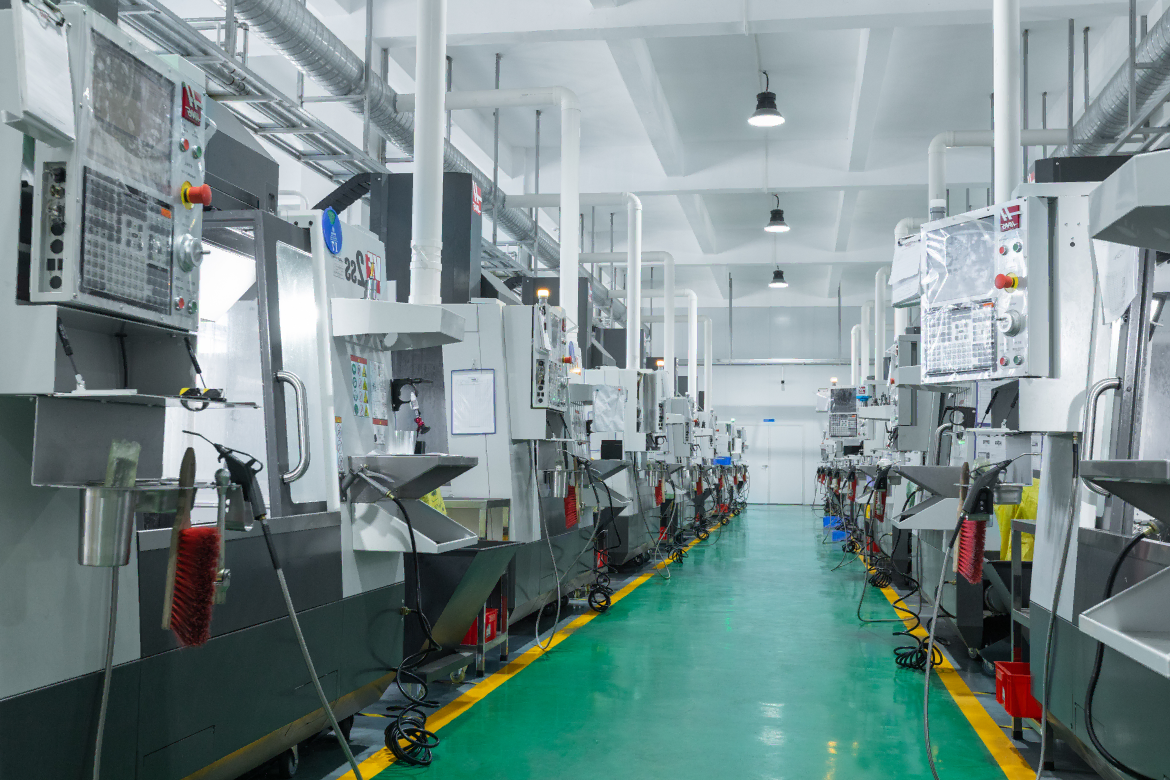
CNC workshop
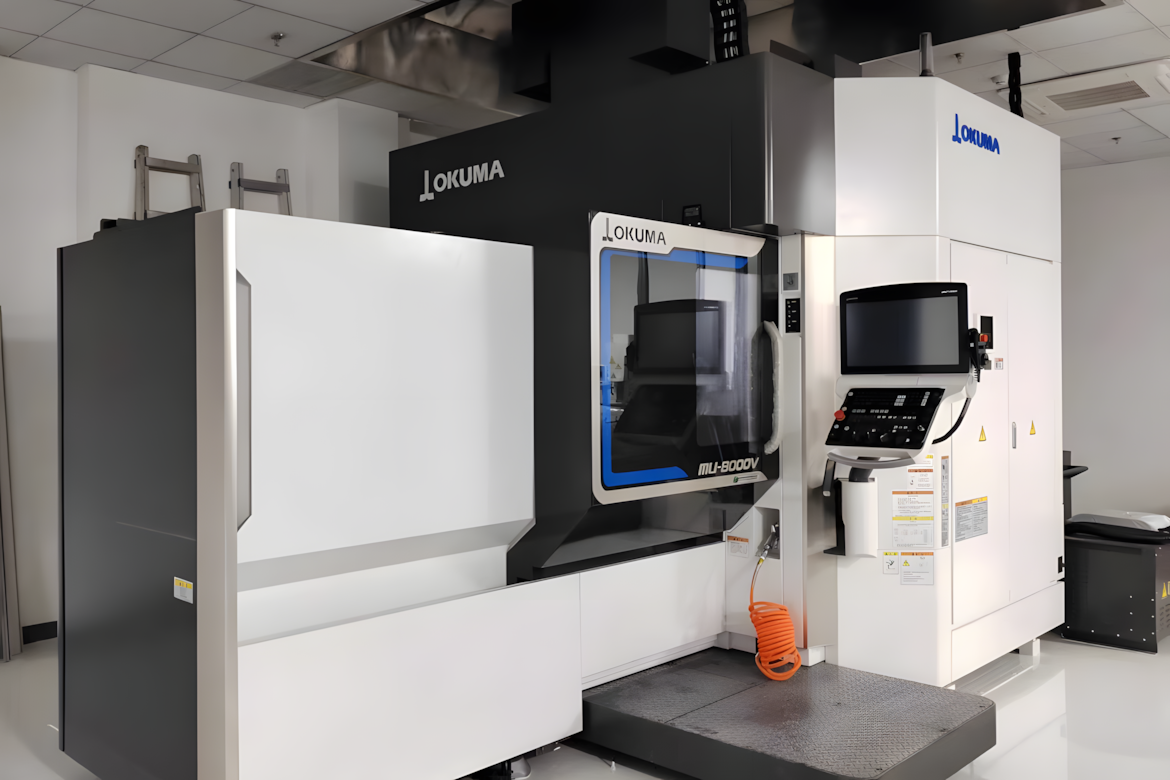
CNC workshop
CNC workshop
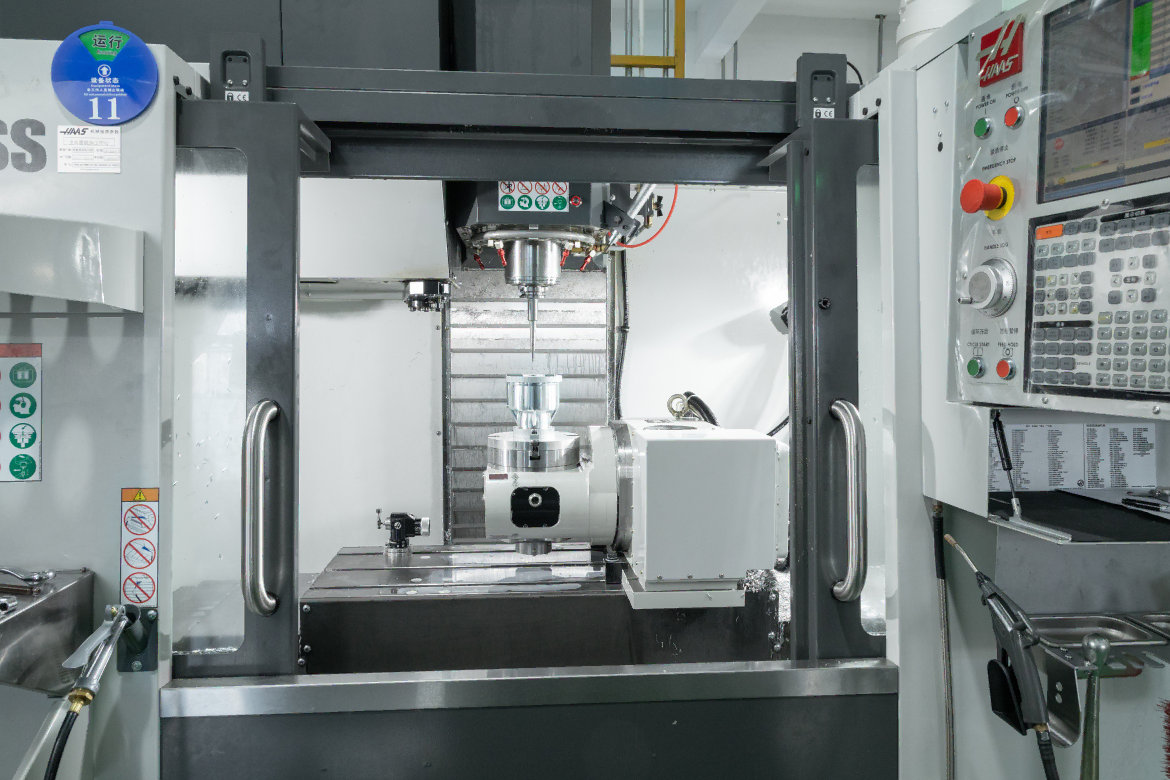
CNC workshop
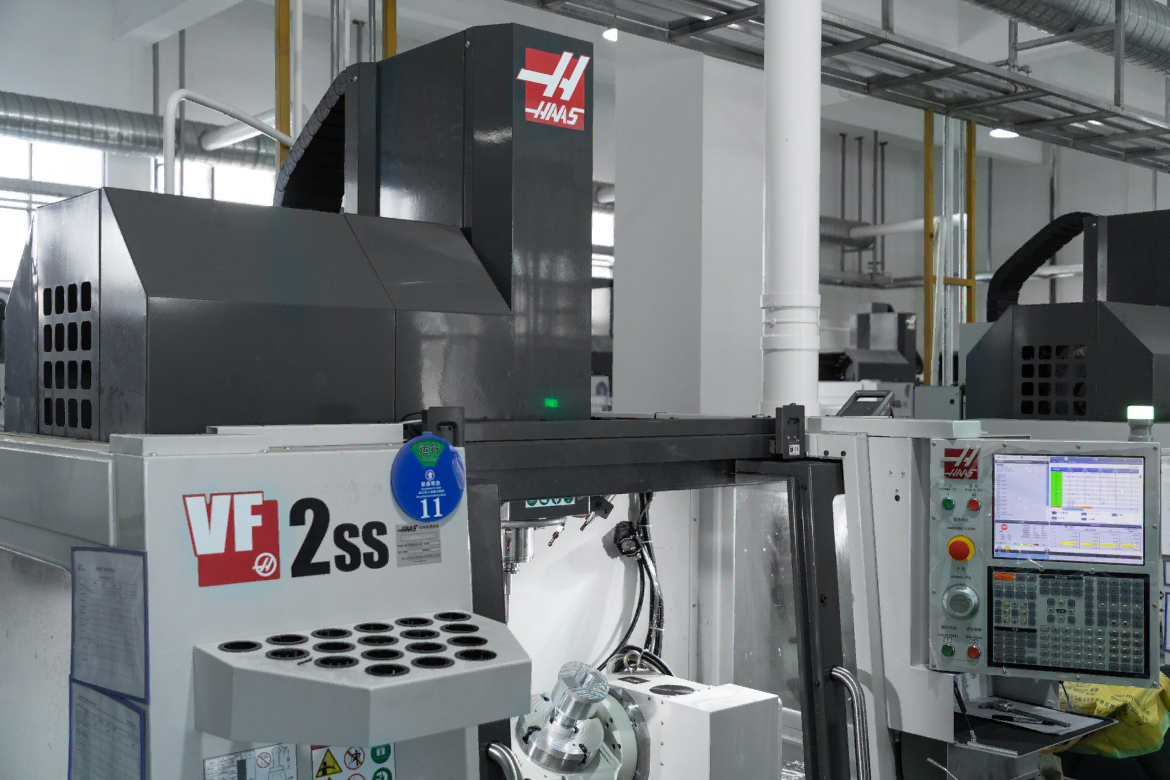
CNC workshop
Tolerances for CNC Milling
3-Axis | 4-Axis | 5-Axis | |
Maximum Part Size | 3000*1800*800 mm | 850*510*600 mm | 925*1050*600 mm |
Minimum Part Size | 5*5*5 mm | 5*5*5 mm | 5*5*5 mm |
General Tolerances | ± 0.05 mm | ± 0.02 mm | ± 0.01 mm |
Lead Time | Simple parts can be delivered in as little as 1 day. | Most projects are completed within 3 business days. | Most projects are delivered in 3 business days. |
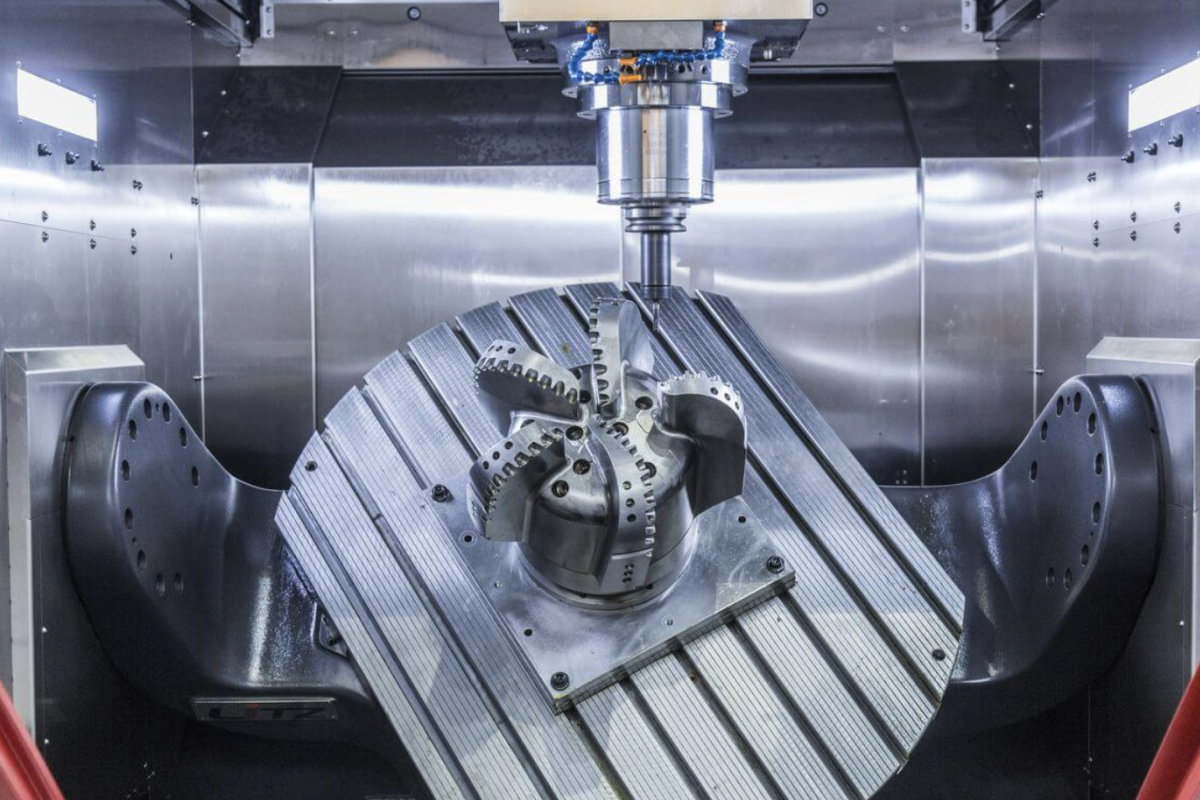
What is five-axis machining?
Five-axis machining is a CNC machine tool processing mode that achieves high-precision cutting of complex surfaces through the simultaneous control of three linear axes (X, Y, Z) and any two rotating axes (A, B, C) for a total of five axes. Its core feature is that the tool or workpiece can be adjusted at any angle in space, allowing for multi-faceted processing without the need for multiple setups.
Configuration of the axes in five-axis machines:
1. Linear axes: X (left-right), Y (front-back), Z (up-down), responsible for basic positioning;
2. Rotating axes:
-- A axis: rotates around the X axis (tilting the tool);
-- B axis: rotates around the Y axis (common in head-swinging machines);
-- C axis: rotates around the Z axis (worktable rotation);
Typical combinations include XYZ AB, XYZ AC, etc.;Core advantages of five-axis machining:
1. Complex surface machining: can complete multi-angle cutting of irregular parts such as turbine blades and propellers in one go;
2. High precision and efficiency: achieves precision up to ±0.005mm by correcting the tool tip trajectory through RTCP (Rotary Tool Center Point) function;
3. Reduced setup times: avoids repeated positioning errors and improves surface quality (e.g., Ra 0.4 μm);
Mechanical structure types of five-axis machines:
1. Dual-head type: the tool rotates around two axes, suitable for processing large workpieces;
2. Dual-rotary table type: the workpiece table has dual rotating axes, suitable for medium and small precision parts;
3. Hybrid type: combines head-swinging and rotary table, providing greater flexibility;Typical application fields:
-- Aerospace: engine blades, fuselage structural parts;
-- Medical devices: artificial joints, dental implants;
-- Mould manufacturing: automotive body panels moulds, injection moulds;
40px
80px
80px
80px