

40px
80px
80px
80px
Rapid Sheet Metal Prototyping Technology and Process
1. Dieless Multi-Point Forming Technology
Based on the concept of discrete die design, this technology achieves three-dimensional curved surface forming of sheet metal using computer-controlled adjustable units. It can produce complex shapes without traditional die sets and is particularly suitable for small-batch customized production.
2. SolidWorks Sheet Metal Design Process
--Base Flange Method: Directly sketch and set the sheet thickness to generate a basic sheet metal part. Suitable for designing regular shapes.
--Solid Conversion Method: Use the "Convert to Sheet Metal" function to generate a bent structure from an extruded solid. Suitable for situations where a 3D model is already available.
3. Comparison of Sheet Metal Forming Processes
--Traditional Die Stamping: Relies on the coordination of upper and lower dies. Suitable for large-scale production, but with high die costs.
--Electromagnetic Assisted Drawing: Combining electromagnetic force with multi-point forming technology can reduce springback and improve forming accuracy.
4. Key Steps in Prototyping
--Requirements Analysis: Identify functional, material, and cost constraints, prioritizing processes that enable rapid iteration.
--3D Modeling Verification: Use software like SolidWorks to simulate bending and unfolding to avoid production conflicts.
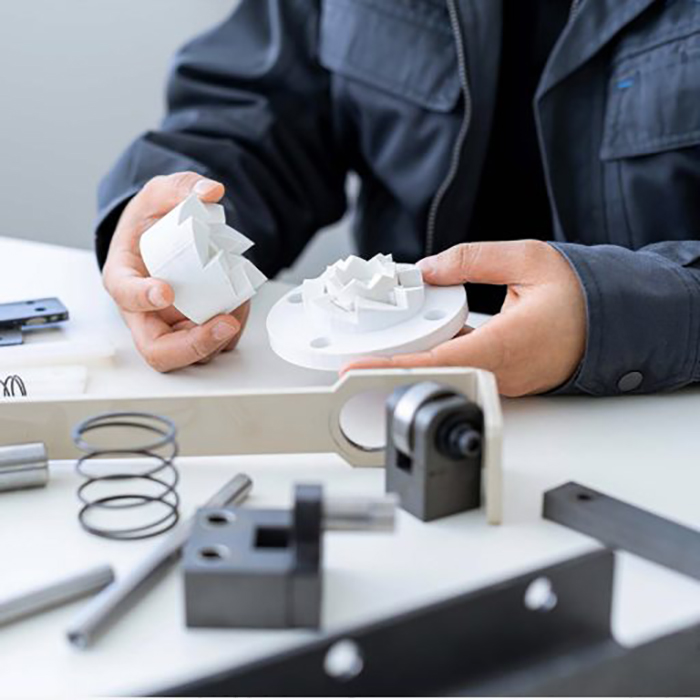
--Rapid Prototyping: Create functional prototypes using CNC or 3D printing to test assembly feasibility.
5. Industry Applications
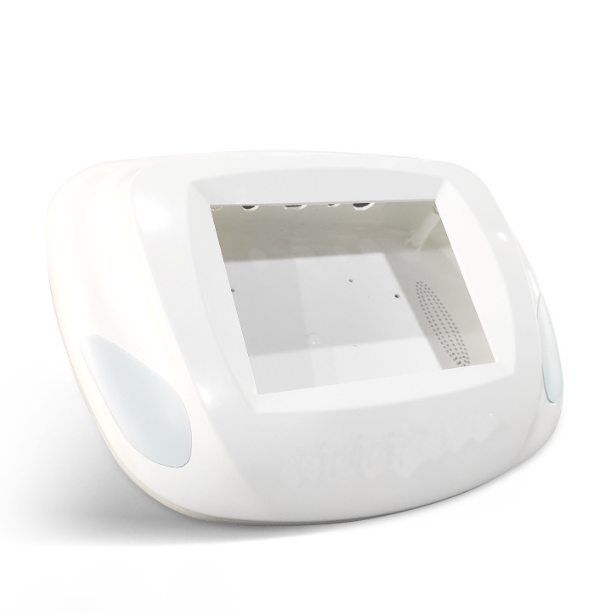
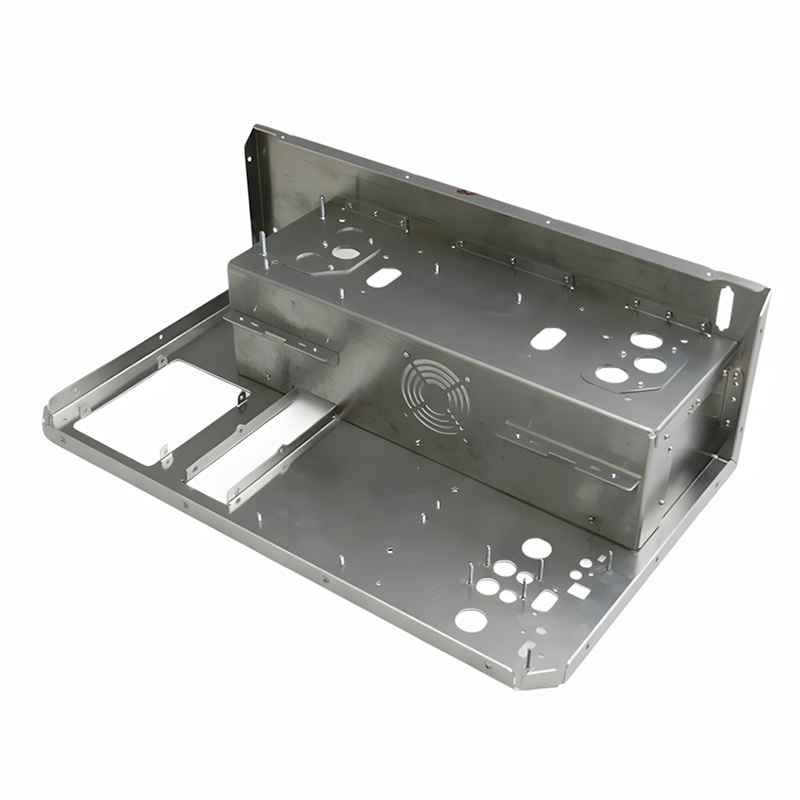
--Industrial Equipment Housings: Using dieless forming technology shortens development cycles to 3 days, reducing costs by 40%.
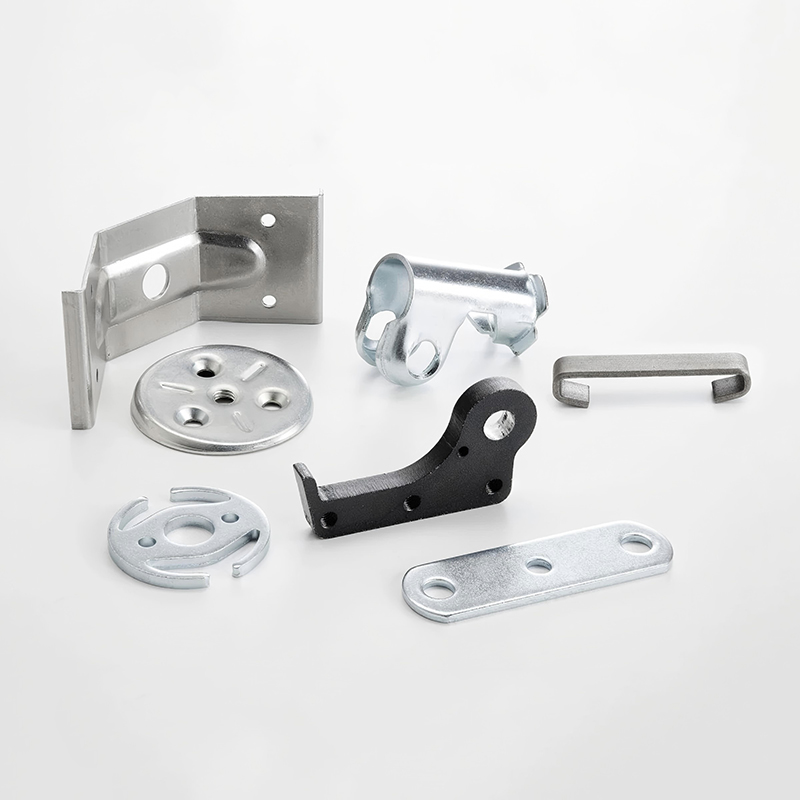
--Electronic Equipment Sheet Metal Parts: Rapidly deliver prototypes through SolidWorks design and laser cutting.
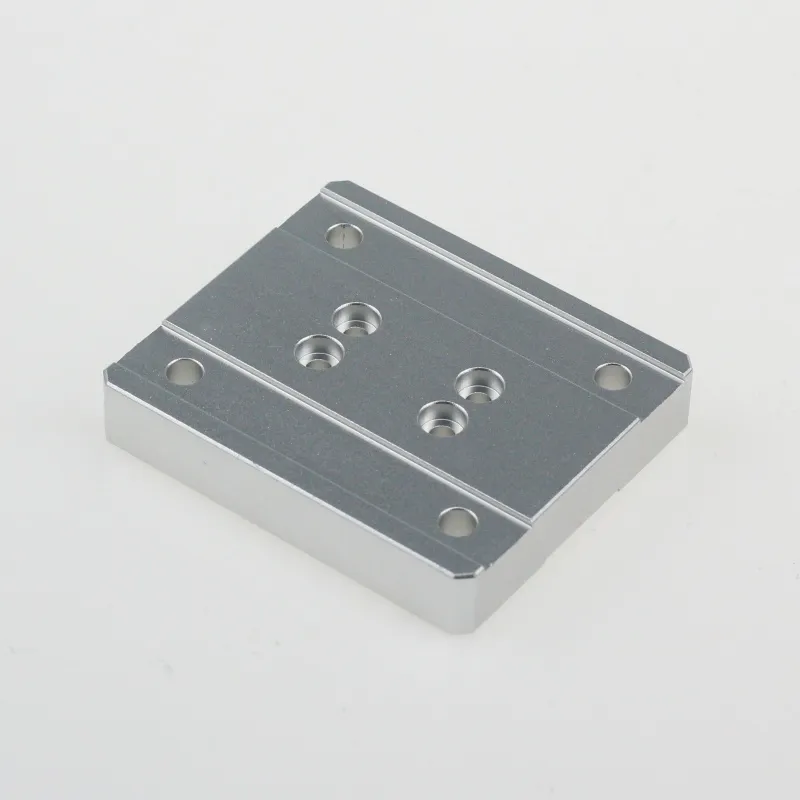
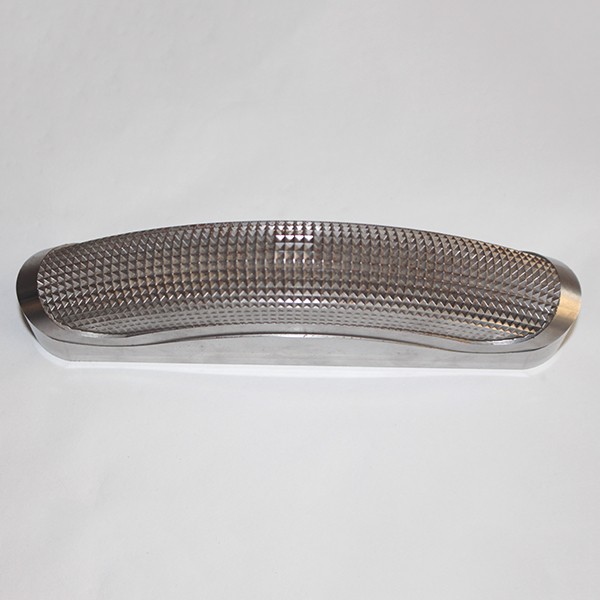
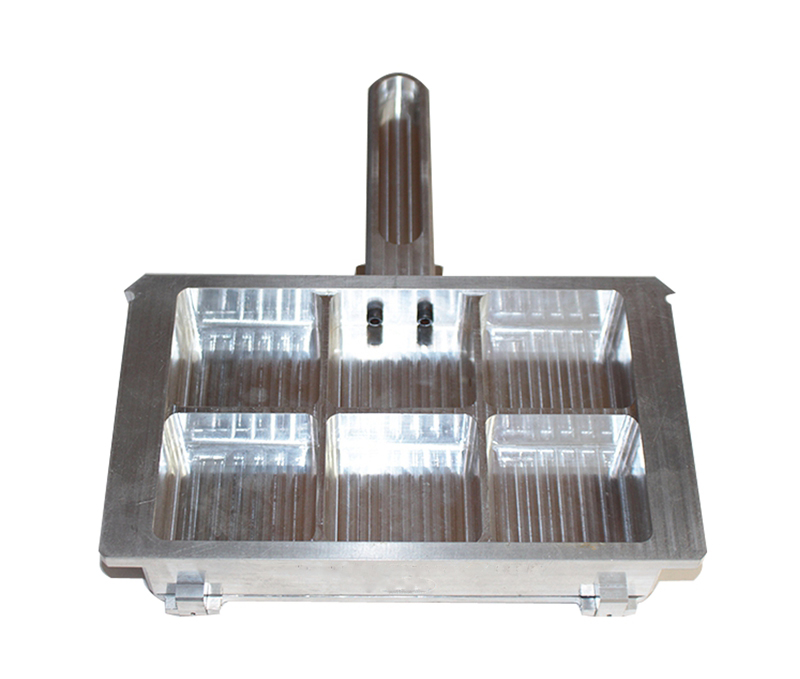
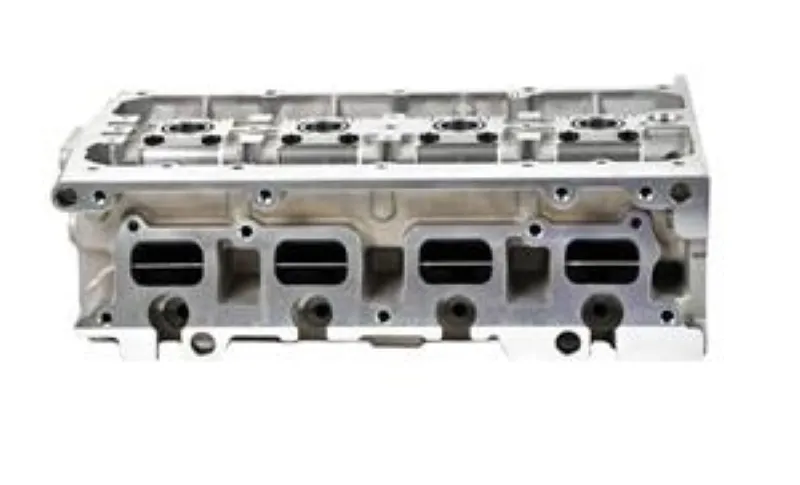
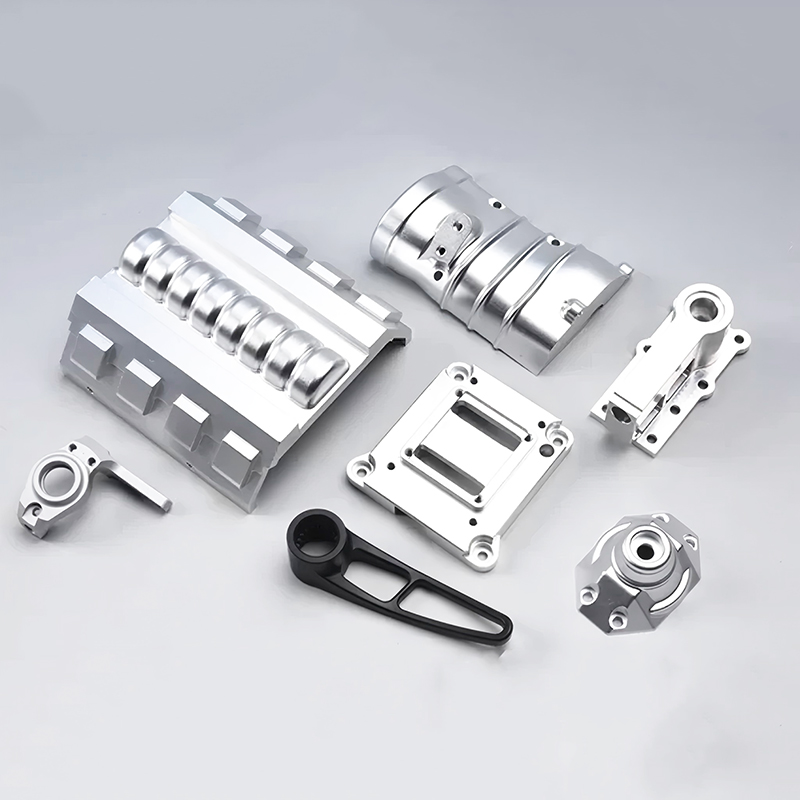
Rapid Prototyping Parts
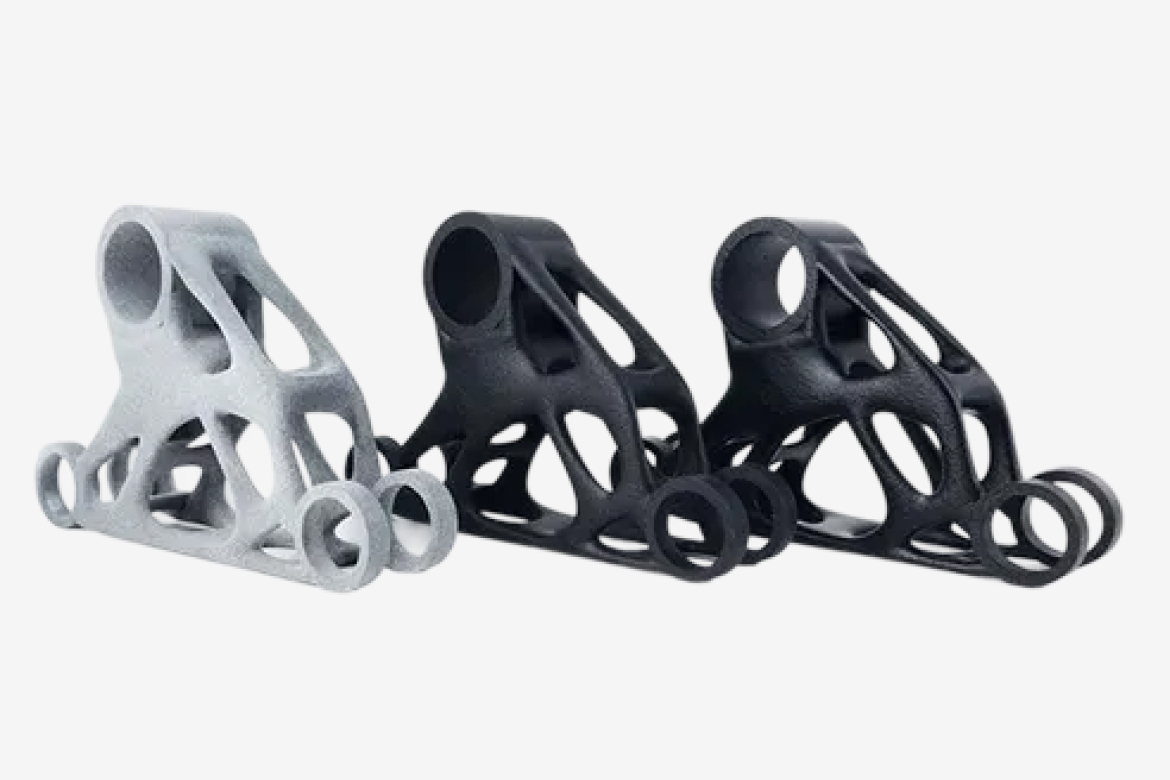
Rapid Prototyping Process:
Experience an efficient journey from design to prototype with our simplified process, and obtain high-quality parts quickly and precisely;

Our Rapid Prototyping Technology
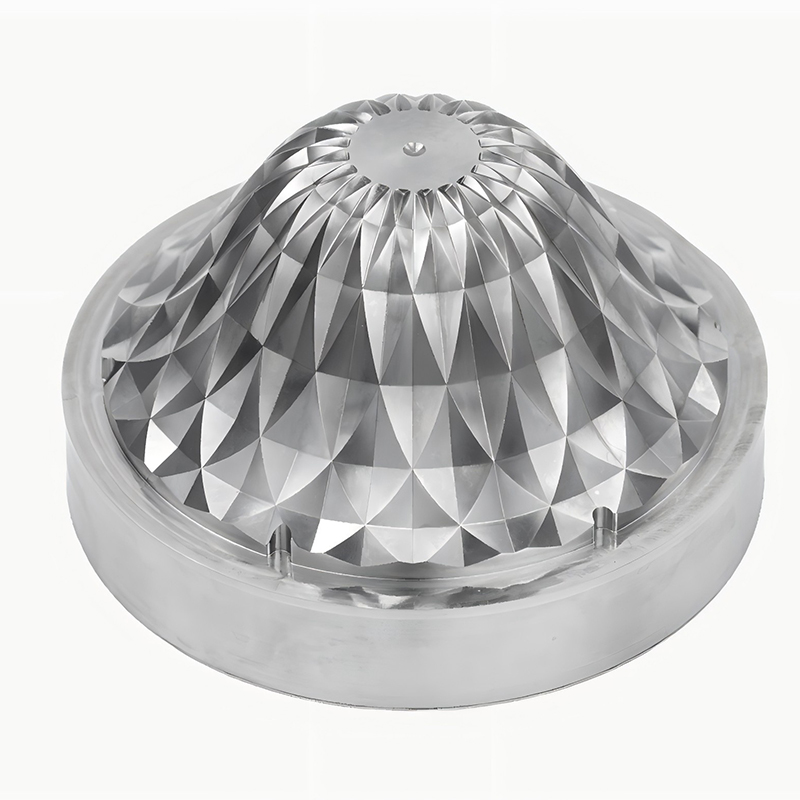
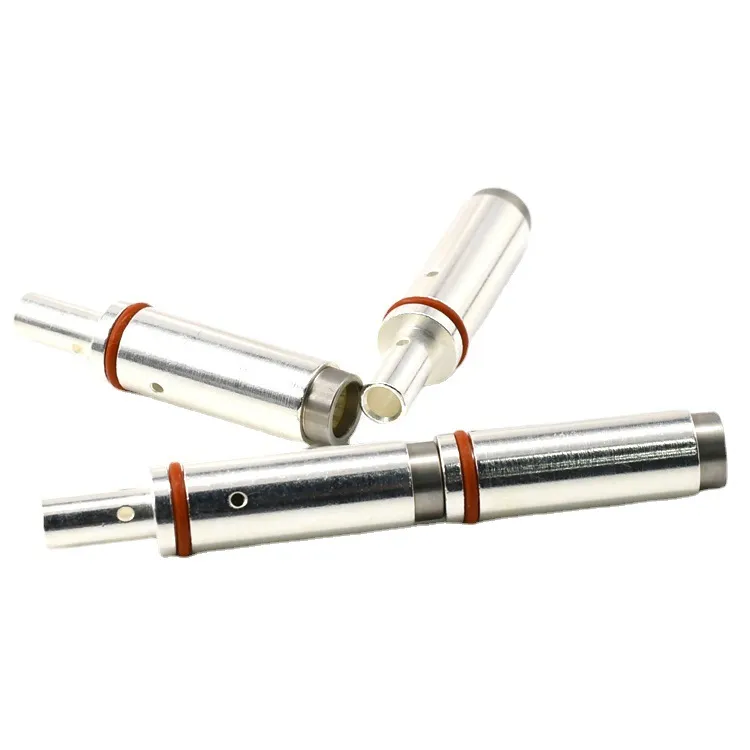
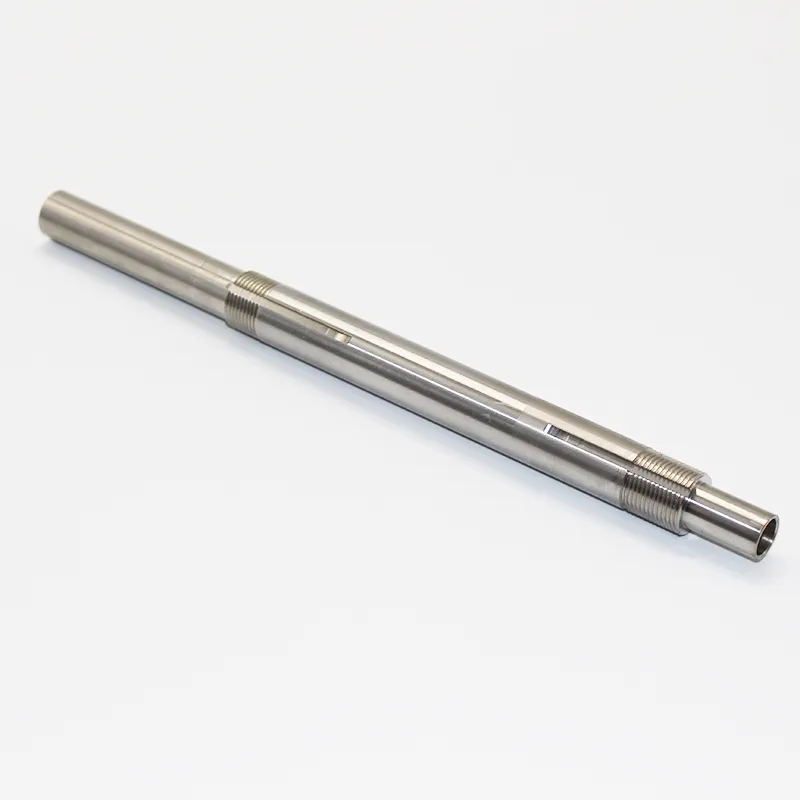
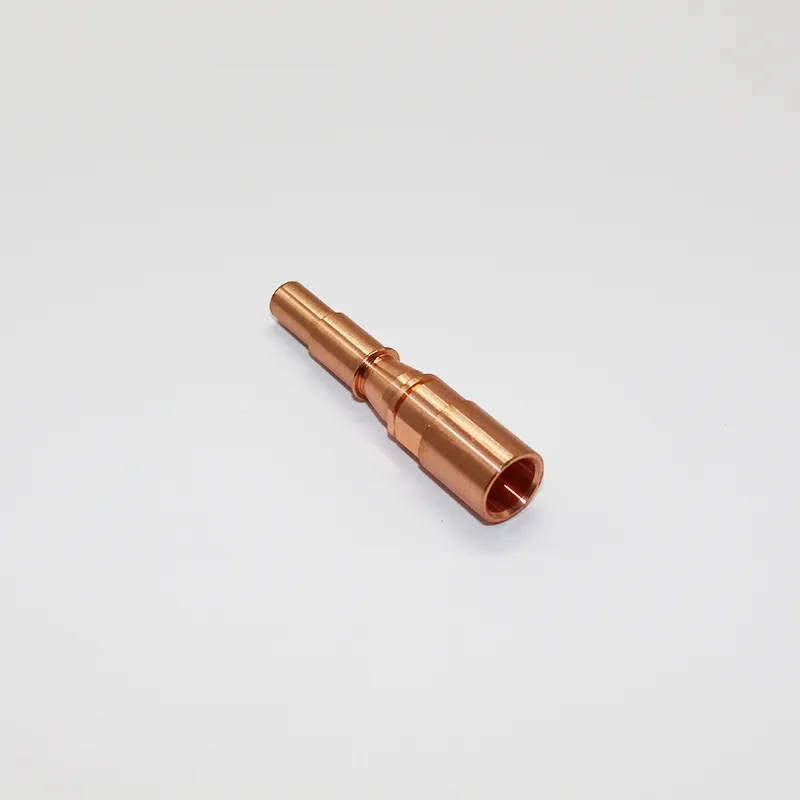
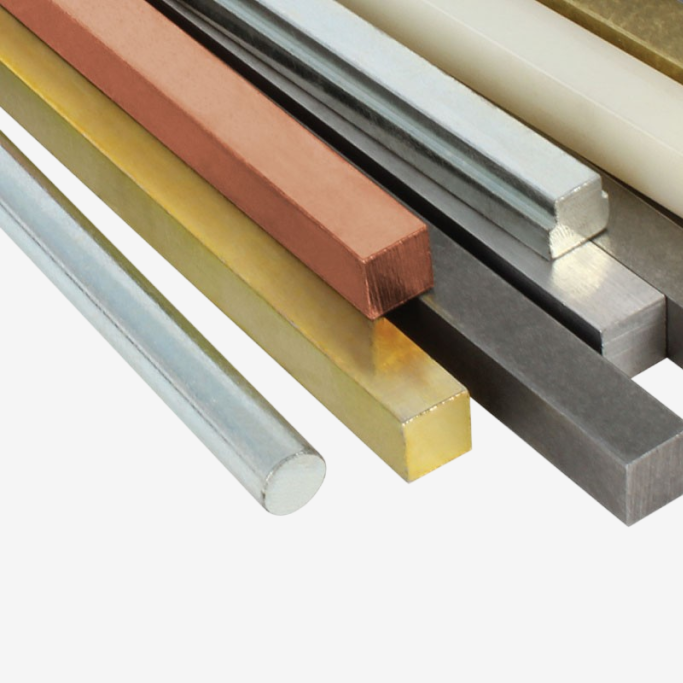
Our rapid prototyping integrates advanced manufacturing technologies to turn designs into high-quality prototypes quickly and efficiently. By leveraging cutting-edge equipment and diverse processes, we ensure precision, material versatility, and fast turnaround times.
Key technologies we use:
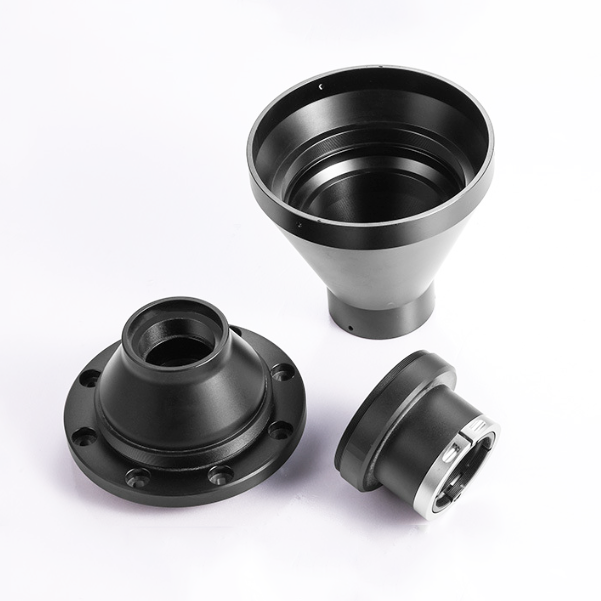
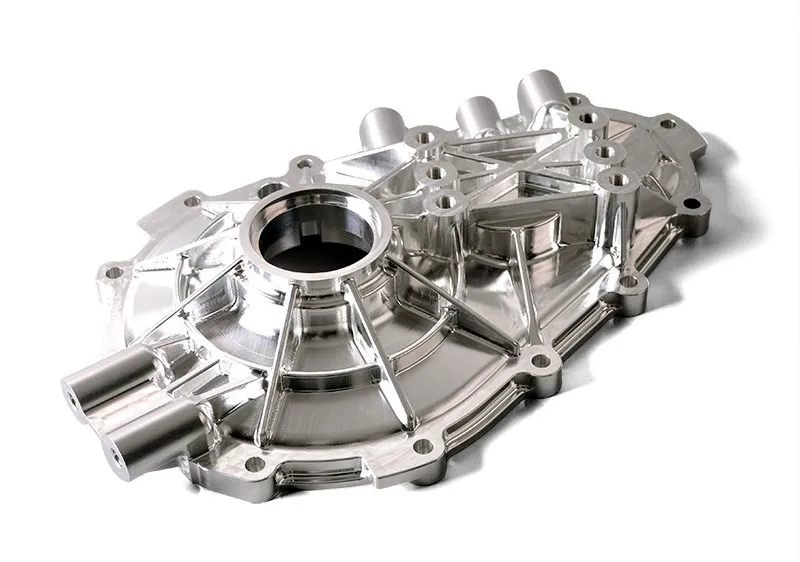
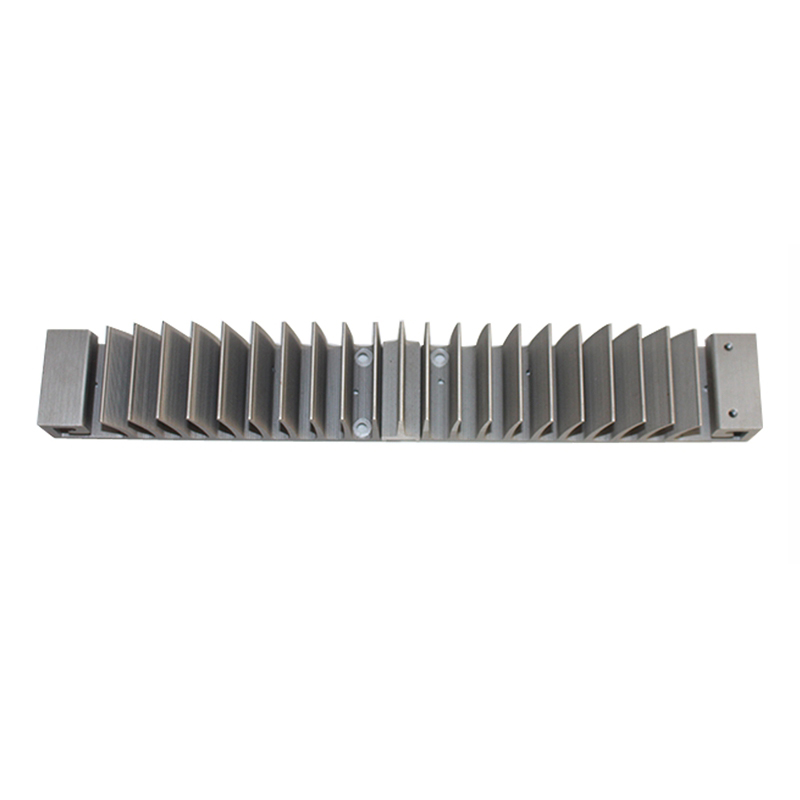
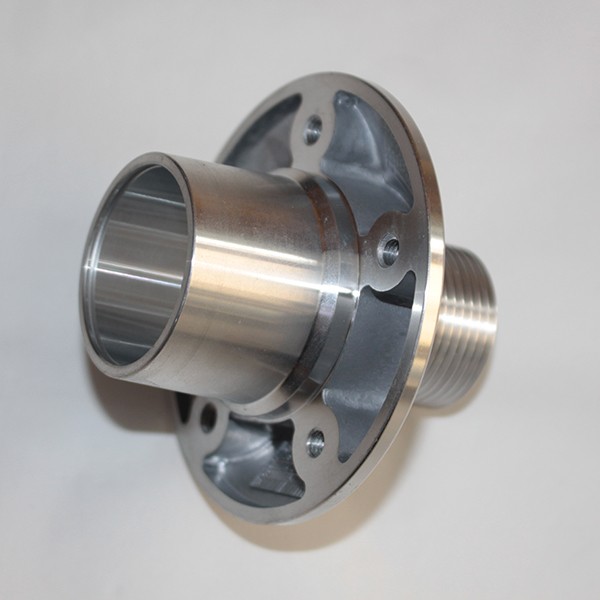
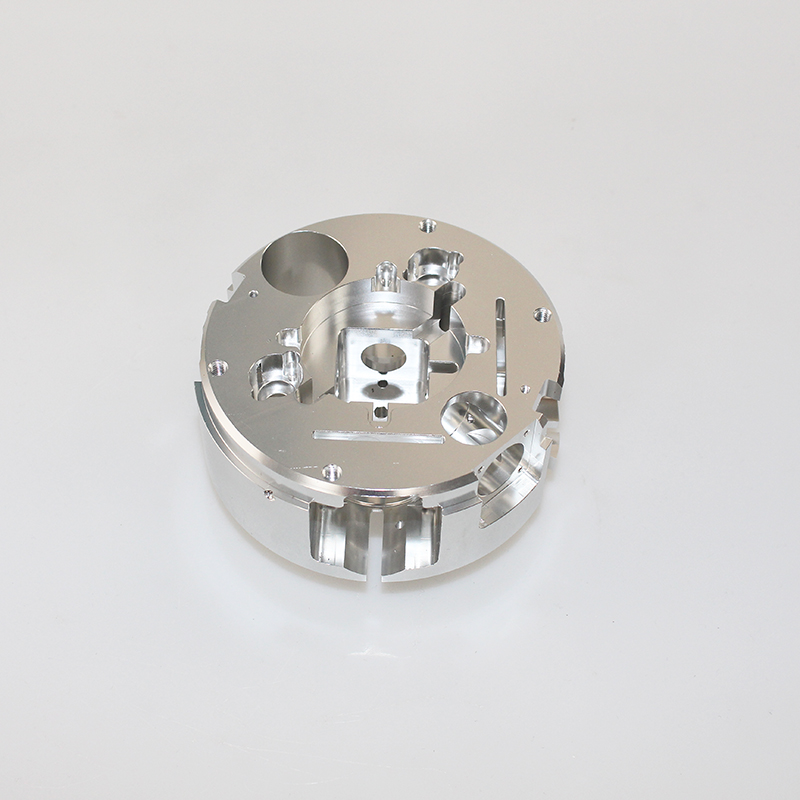
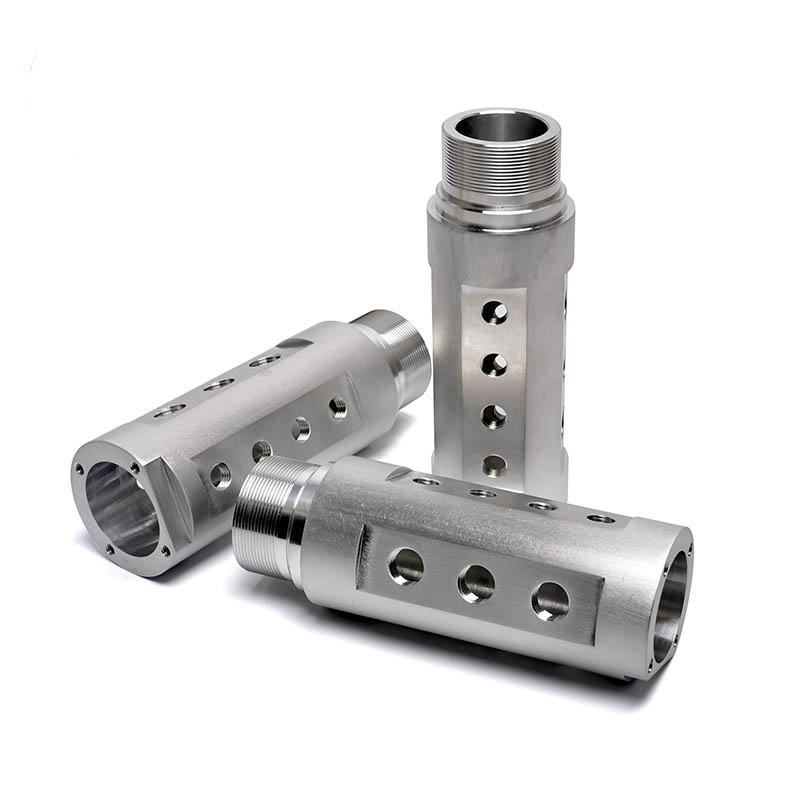
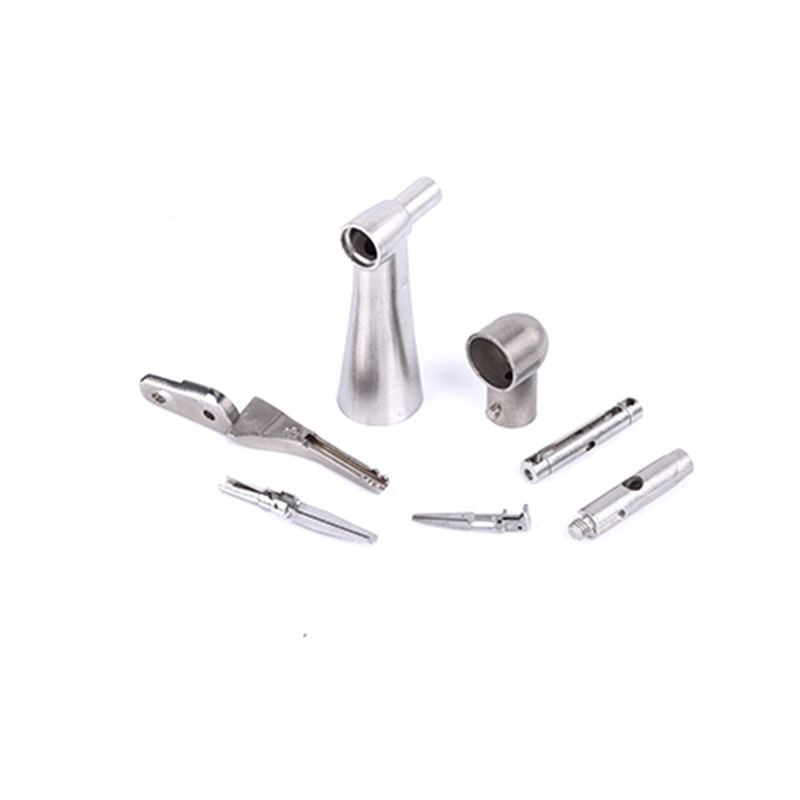
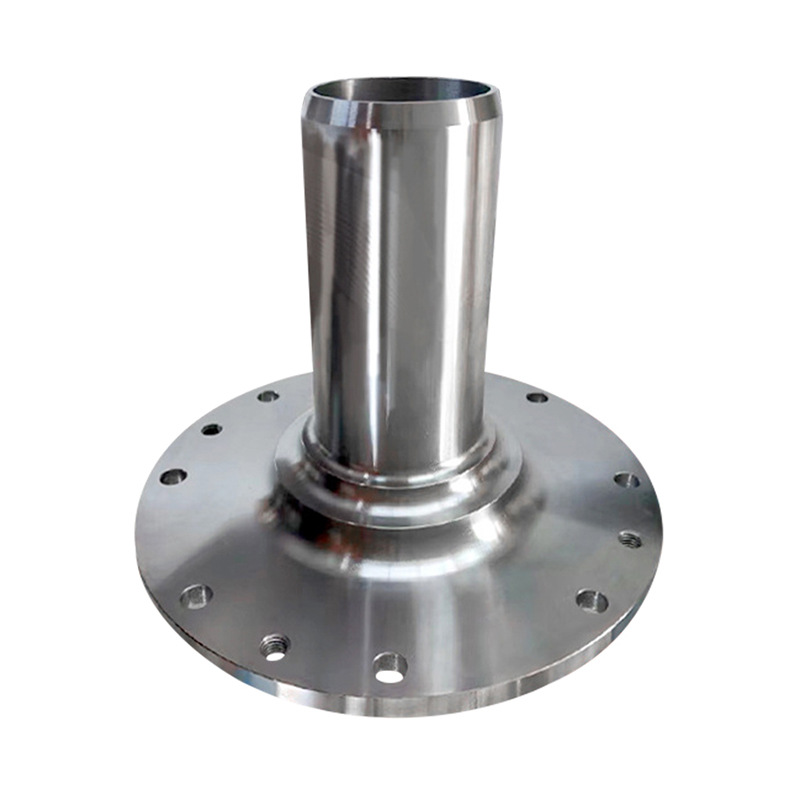
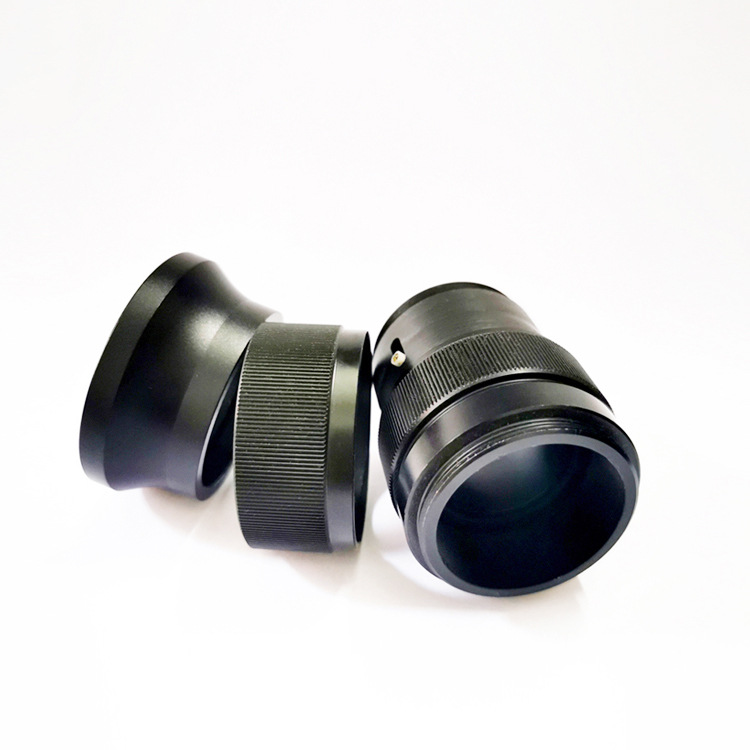
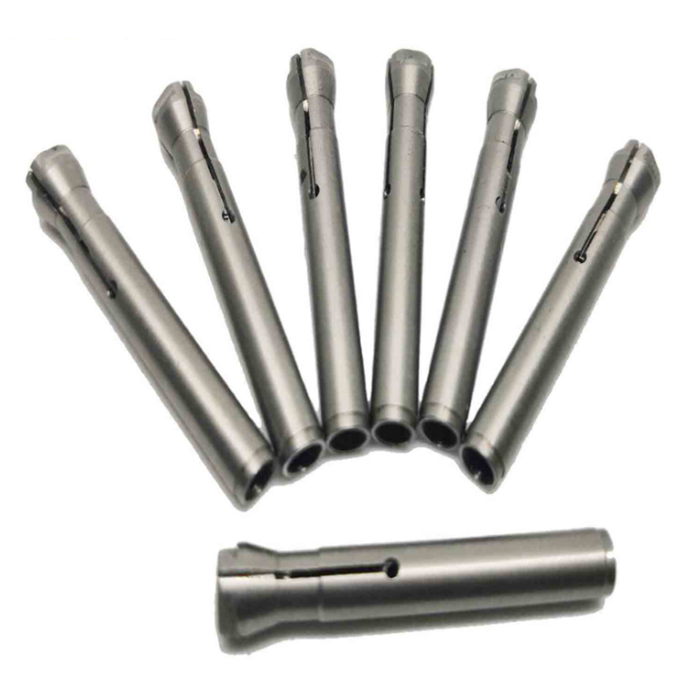
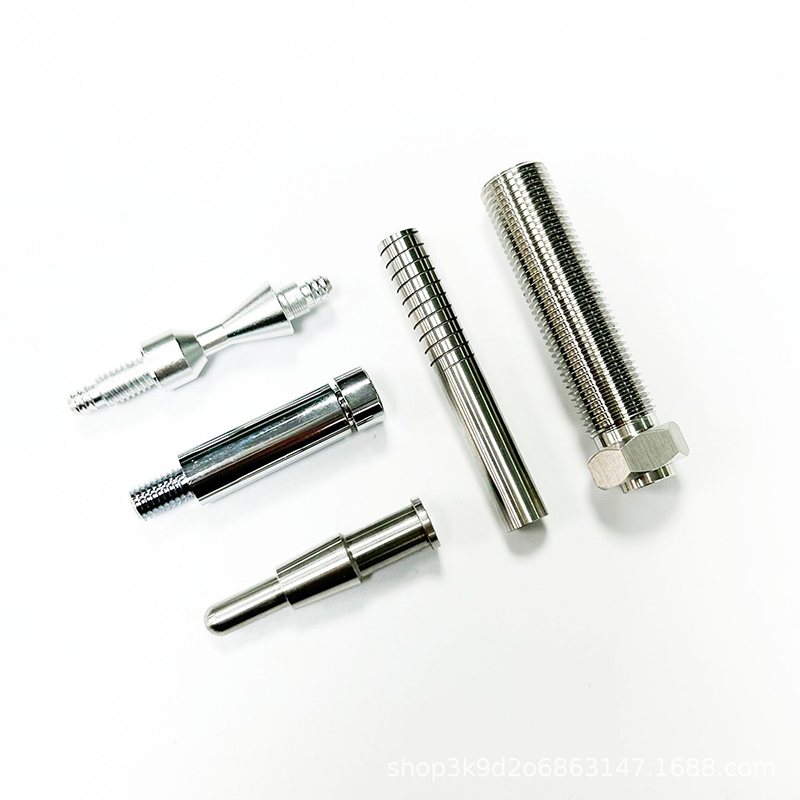
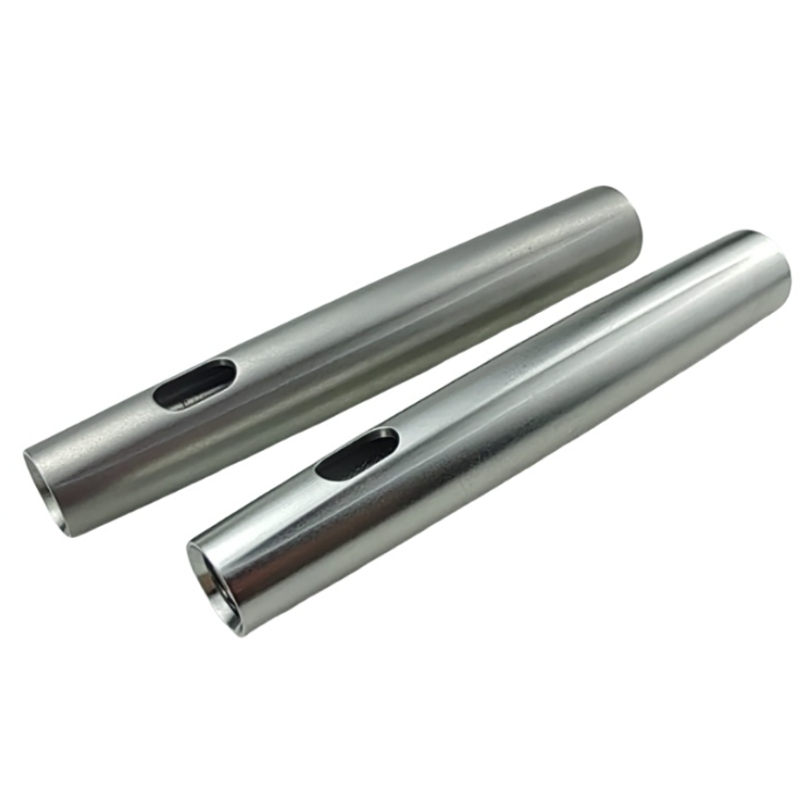
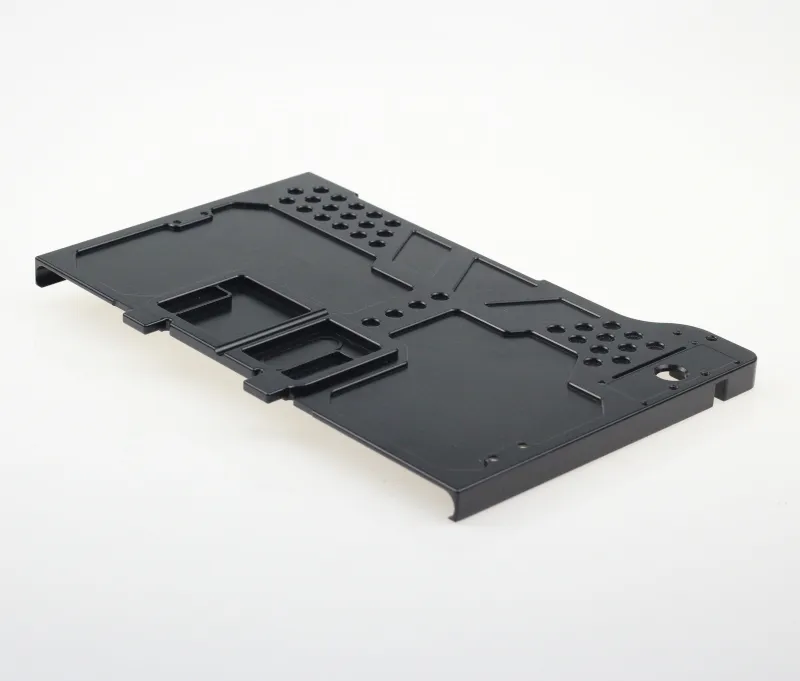
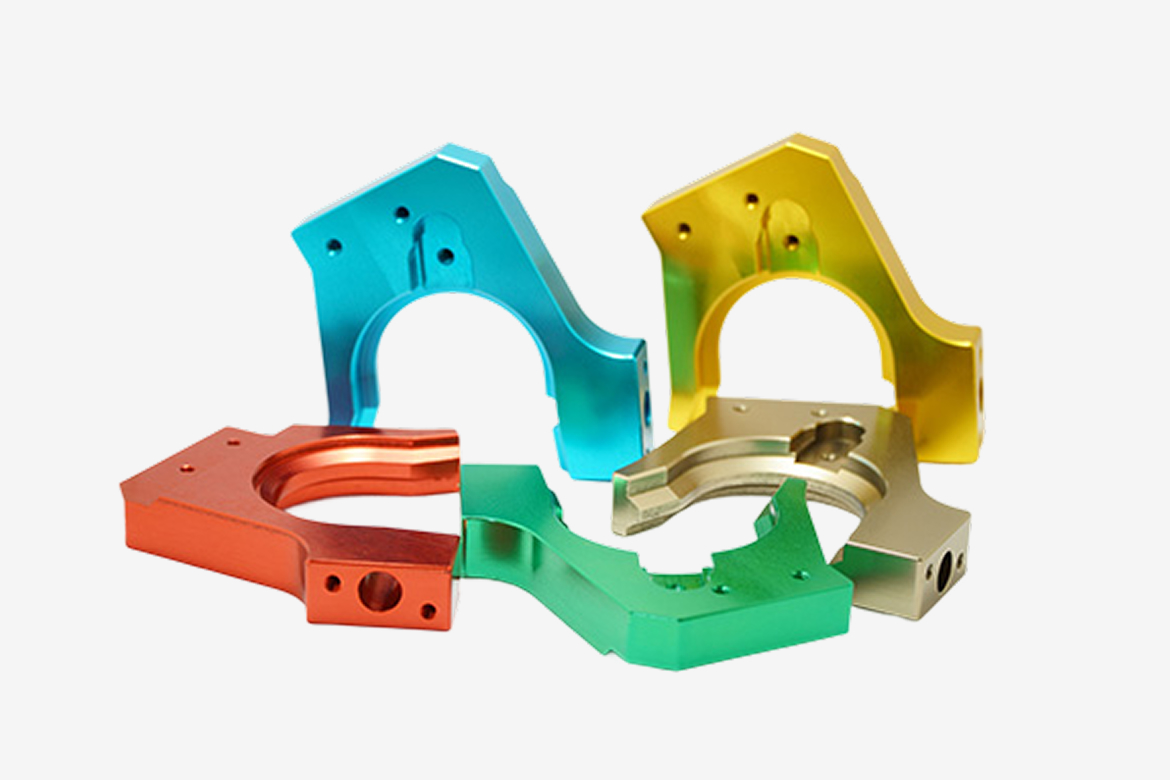
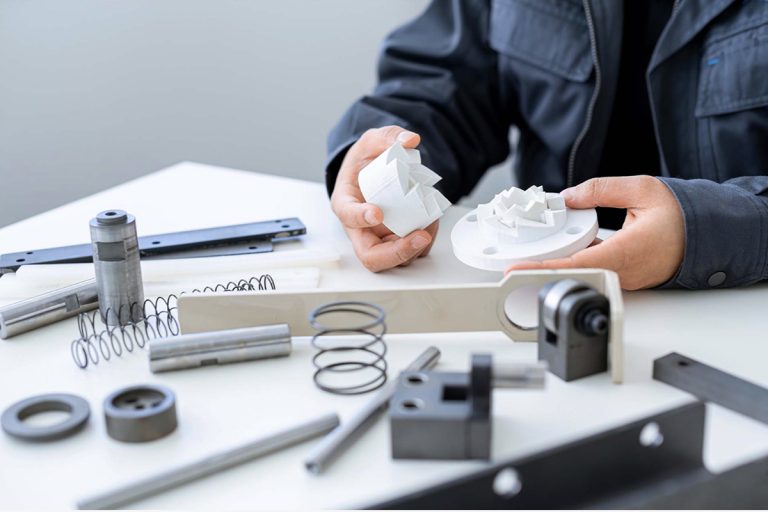
--CNC Machining – High-precision milling and turning for metal and plastic prototypes.
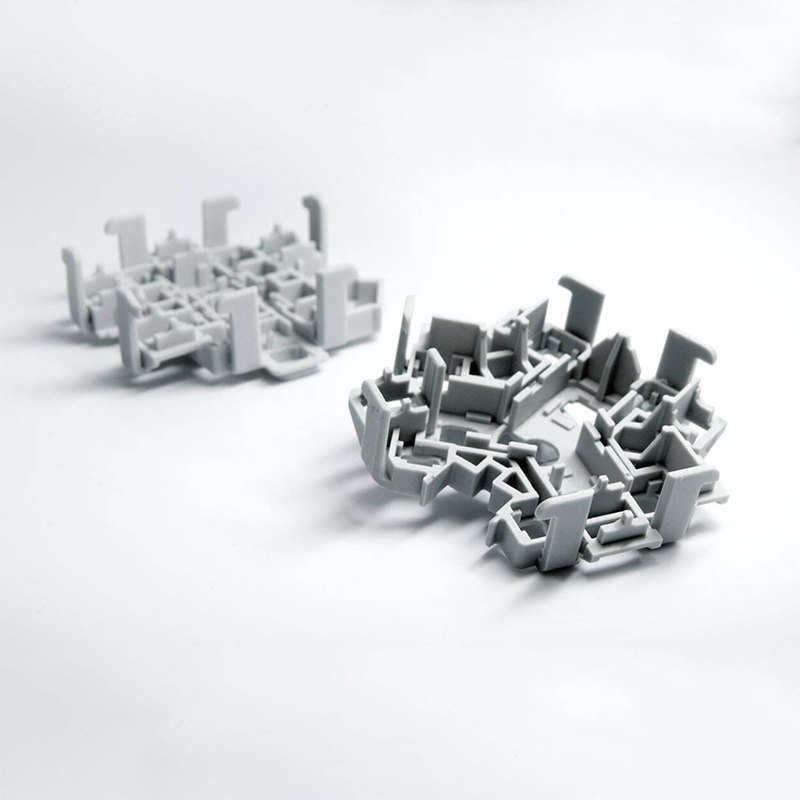
--3D Printing – SLA, SLS, MJF, and SLM for fast, detailed parts.
--Vacuum Casting – Ideal for small-batch plastic prototypes with injection-molded quality.
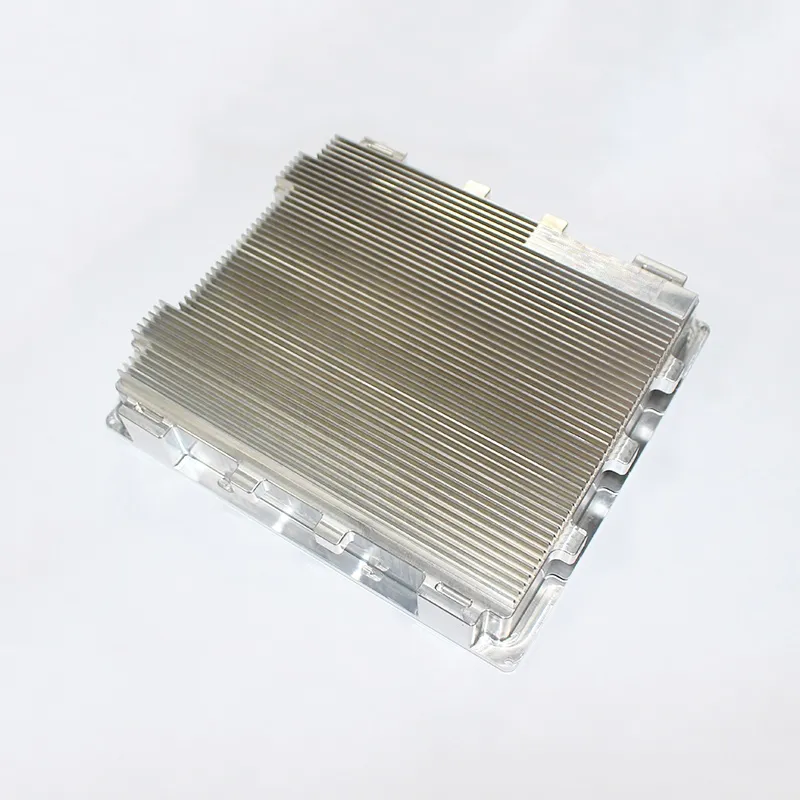
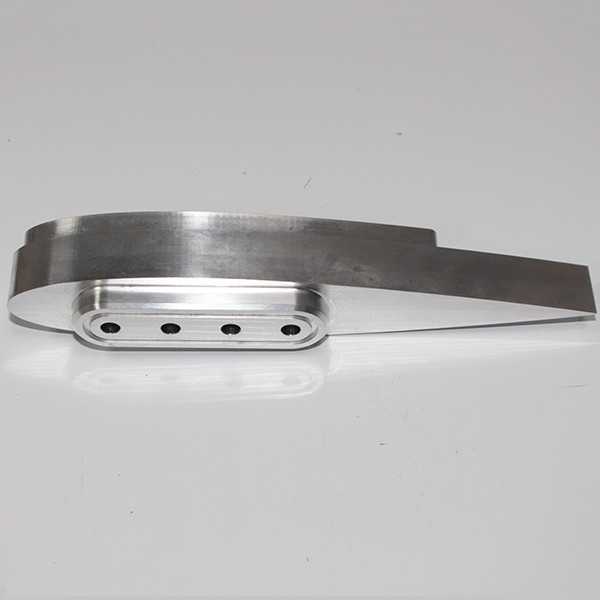
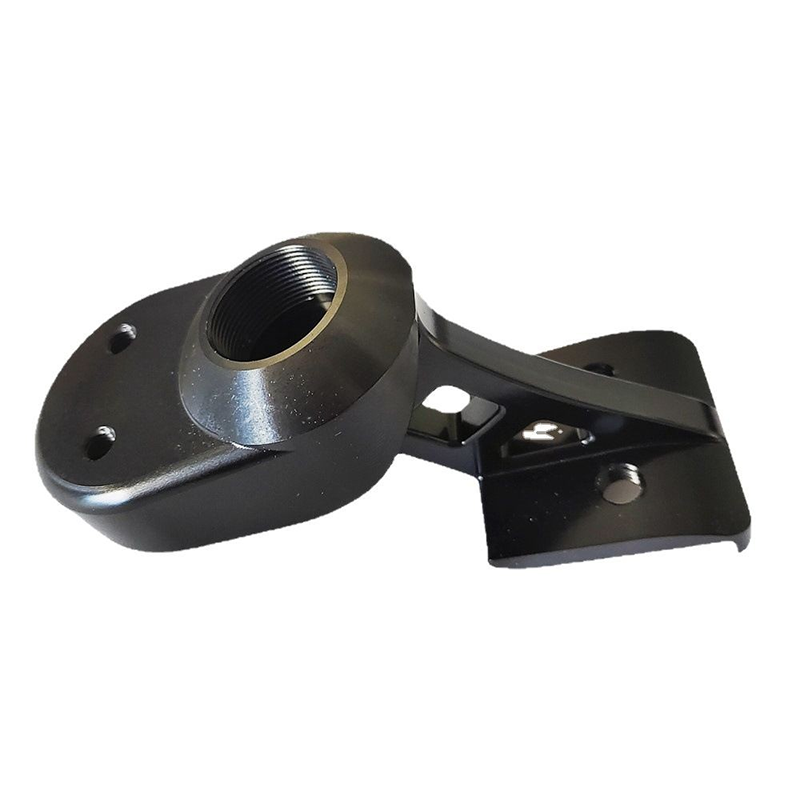
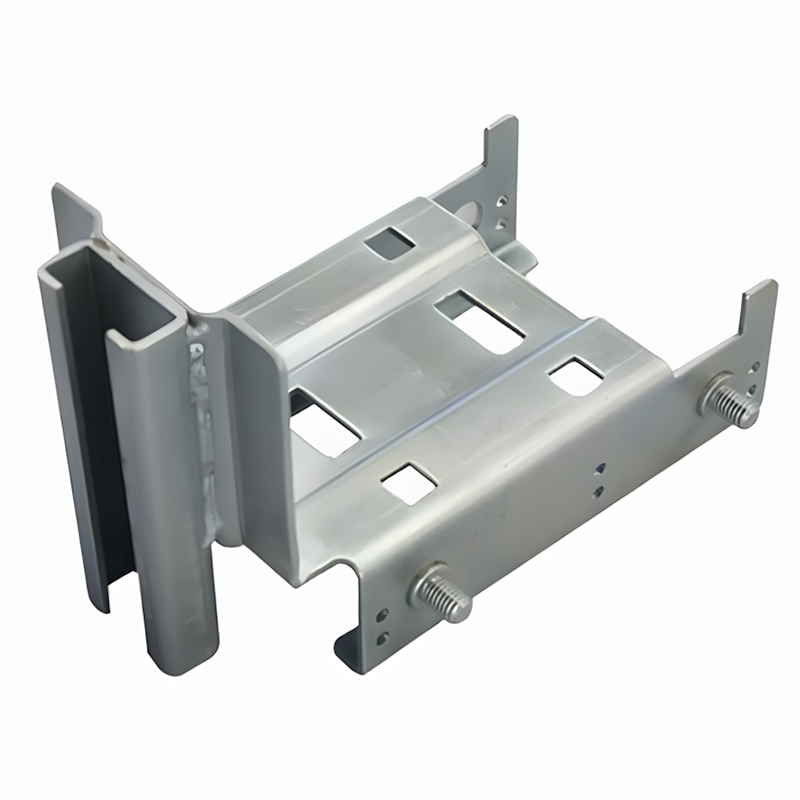
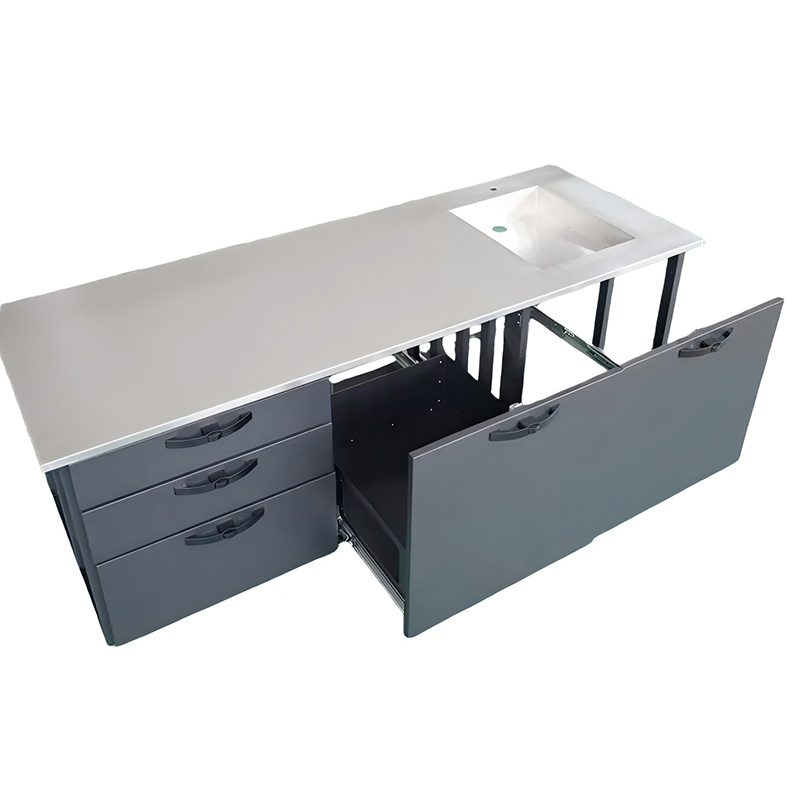
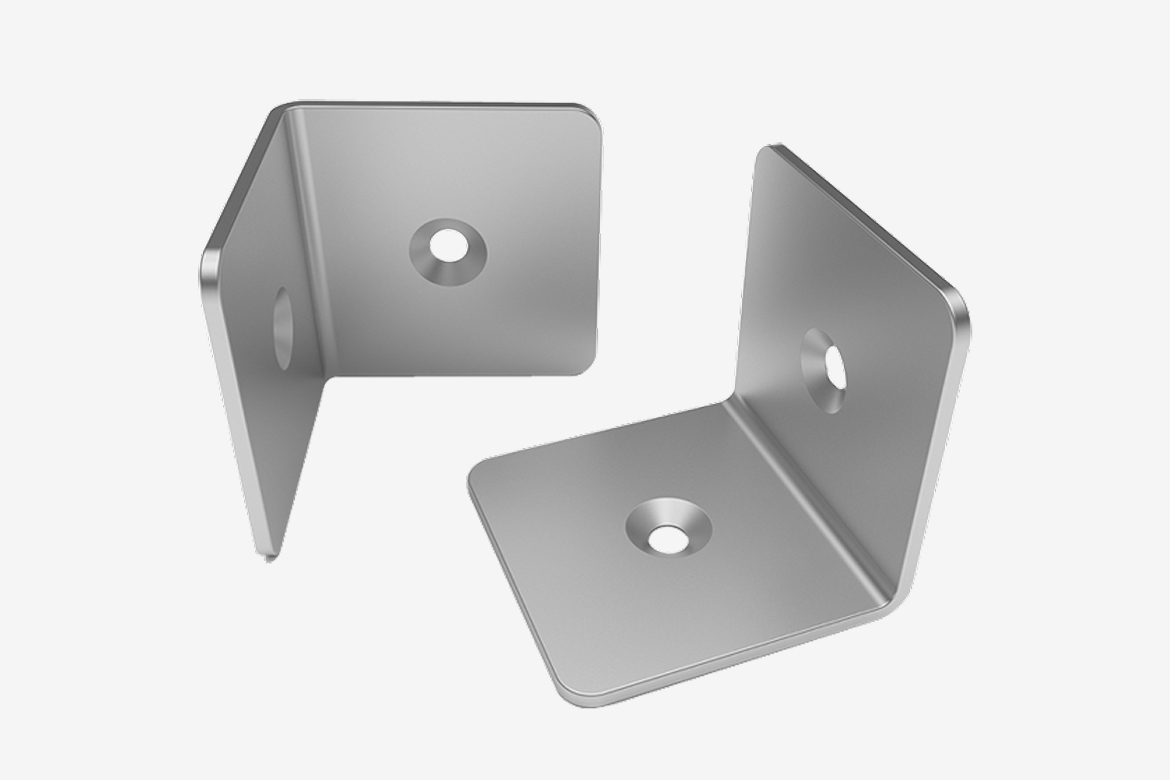
--Sheet Metal Fabrication – Quick production of metal enclosures and structural parts.
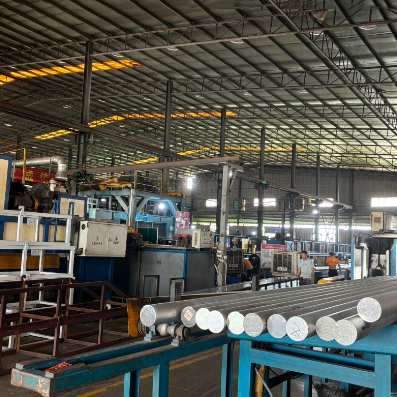
--Our facilities feature industrial 3D printers, multi-axis CNC machines, and advanced molding systems, ensuring exceptional accuracy and repeatability.
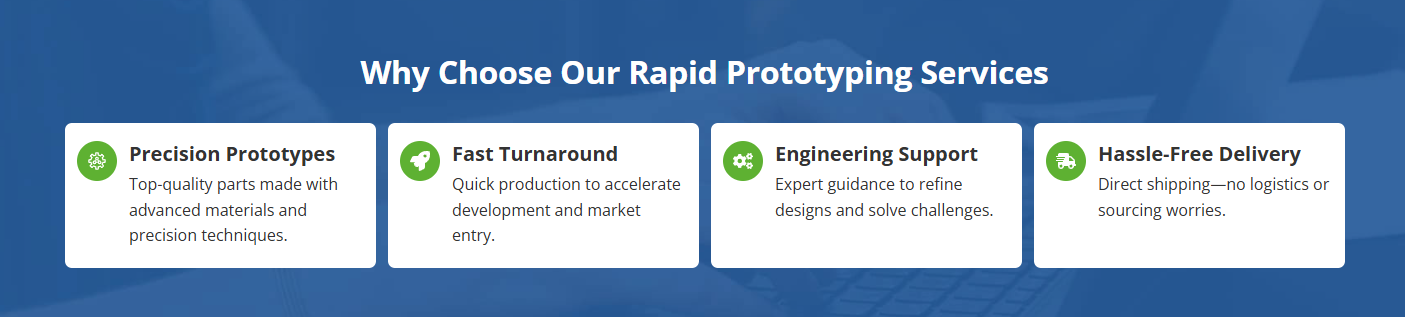
Choose Our Rapid Prototyping Services
1. Technology Type and Applications
--SLA (Stereolithography)
Suitable for high-precision, high-surface-finish prototypes, such as medical models or complex structural parts, with an accuracy of ±0.05mm.
--SLS (Selective Laser Sintering)
Suitable for functional prototypes and small-batch production. Made of nylon or metal powder, it offers mechanical strength similar to injection molding.
--FDM (Fused Deposition Modeling)
Low-cost, suitable for rapid design concept verification, but with lower accuracy and strength (±0.5mm).
2. Key Considerations
--Precision Requirement: SLA and SLS are suitable for micron-level precision, while FDM is suitable for lower-precision requirements.
--Material Properties: SLS's nylon material is suitable for mechanical testing, while SLA resin is suitable for visual verification.
--Cost and Speed: FDM offers the lowest cost, while SLA and SLS are suitable for high-value prototypes.
40px
80px
80px
80px