

40px
80px
80px
80px
Vacuum Casting Process:
1. Process Principles and Classifications
--Vacuum casting is a technique that creates negative pressure in a sealed environment, allowing molten metal to fill the mold under the influence of a pressure differential. It is primarily divided into two types:
--Vacuum Suction Casting: The mold's gate is inserted into the molten metal, then a vacuum is drawn, using the negative pressure to force the molten metal up and into the mold.
--Vacuum Die Casting: High-pressure injection is performed under a vacuum, suitable for producing high-precision castings.
2. Core Process Flow
--Sealing Preparation: The investment shell is placed in a sealed chamber, and the runner is immersed in molten metal.
--Vacuum Formation: The vacuum pump is activated to bring the sealed chamber to a negative pressure of -66,500 Pa (-500 mmHg).
--Metal Filling: Under negative pressure, the molten metal rises along the runner and fills the mold cavity.
--Solidification and Demolding: After the casting solidifies, the vacuum is released, and the remaining molten metal returns to the furnace.
3. Technical Features
--Direct Suction Casting: Utilizes the CLA method, inverting the mold after filling to achieve shrinkage feeding
--Special Suction Casting: Enhances shrinkage feeding capabilities through pressure differential control between the upper and lower sealing chambers
--Inert Gas Shielding: The CLV method is suitable for high-temperature alloys and prevents metal oxidation
4. Application Advantages
--Casting surface finish can reach Ra 1.6-6.3μm
--Increases metal utilization by 30%, improving process yield
--Applicable to special materials such as titanium alloys and high-temperature alloys
--No binder required, with a waste sand recovery rate exceeding 95%.
Our Products
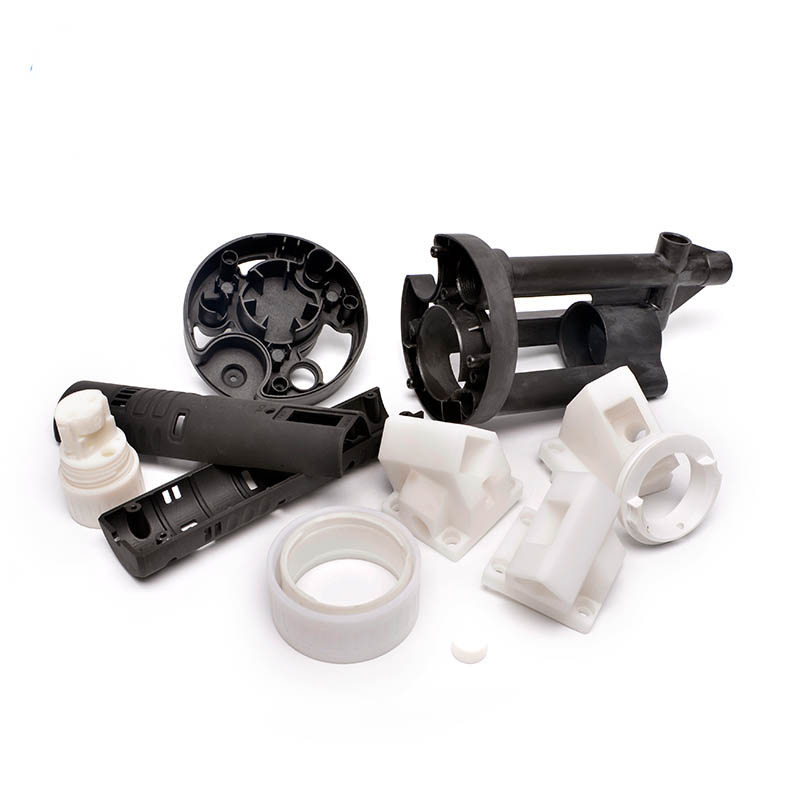
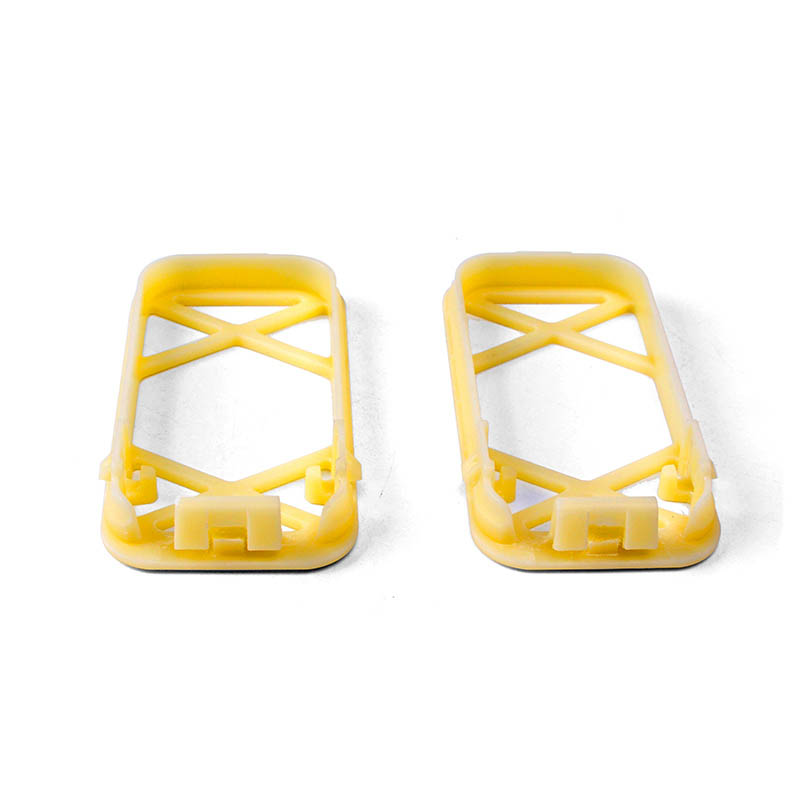
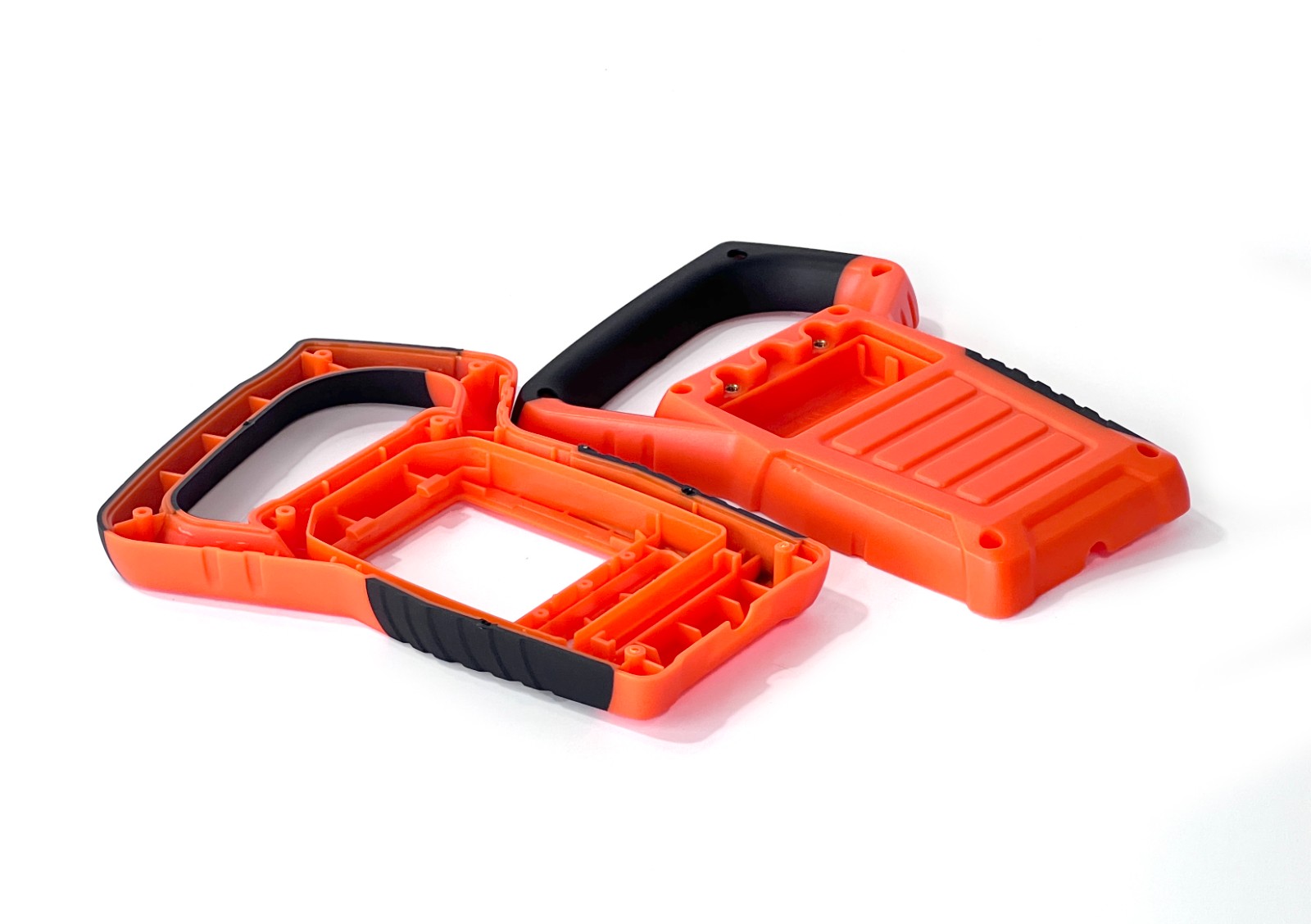
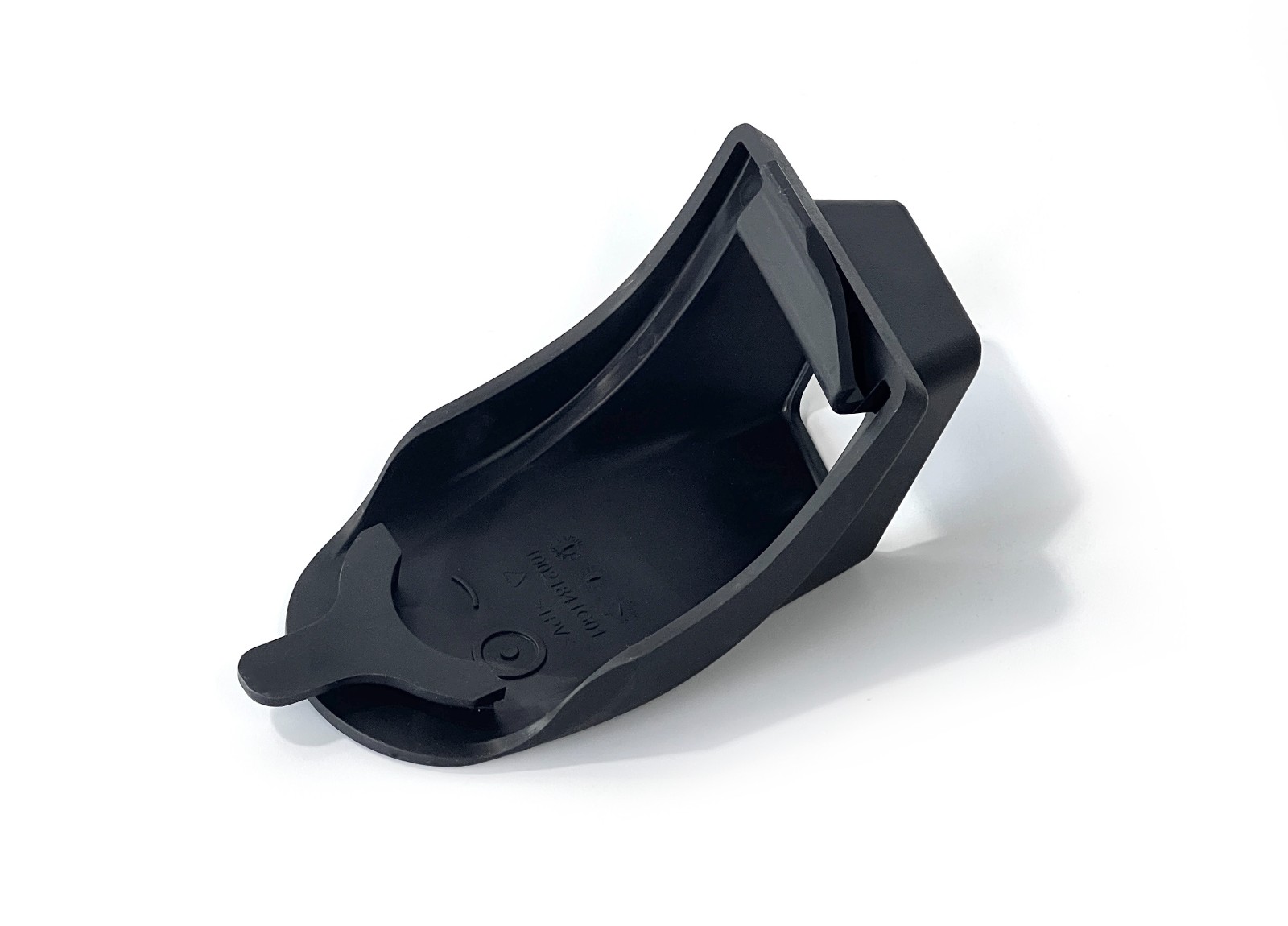
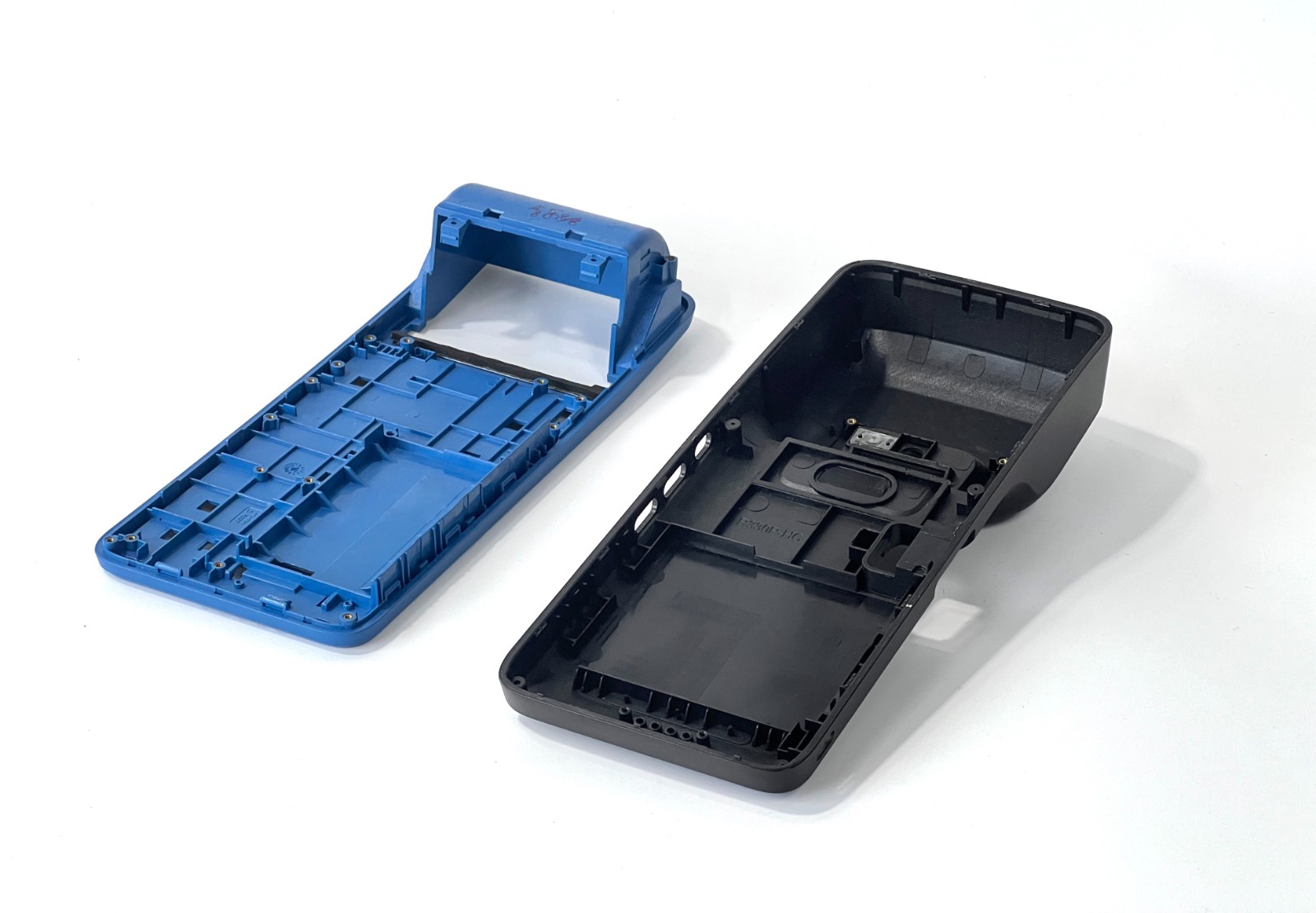
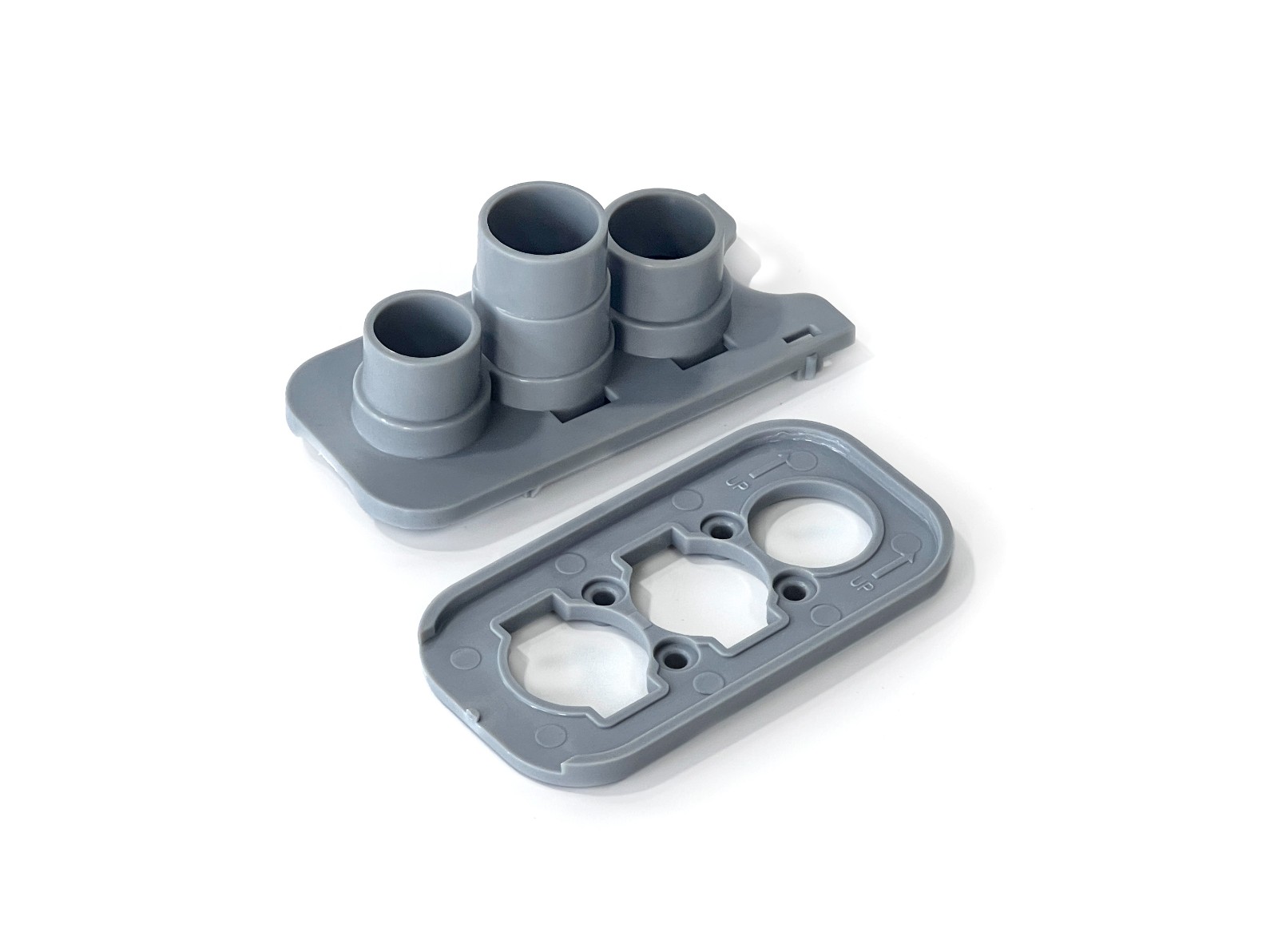
What is Vacuum Casting?
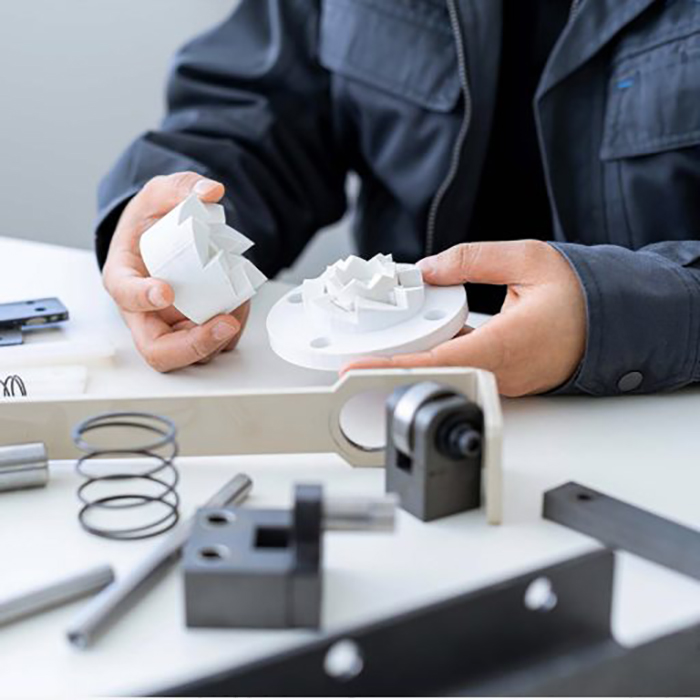
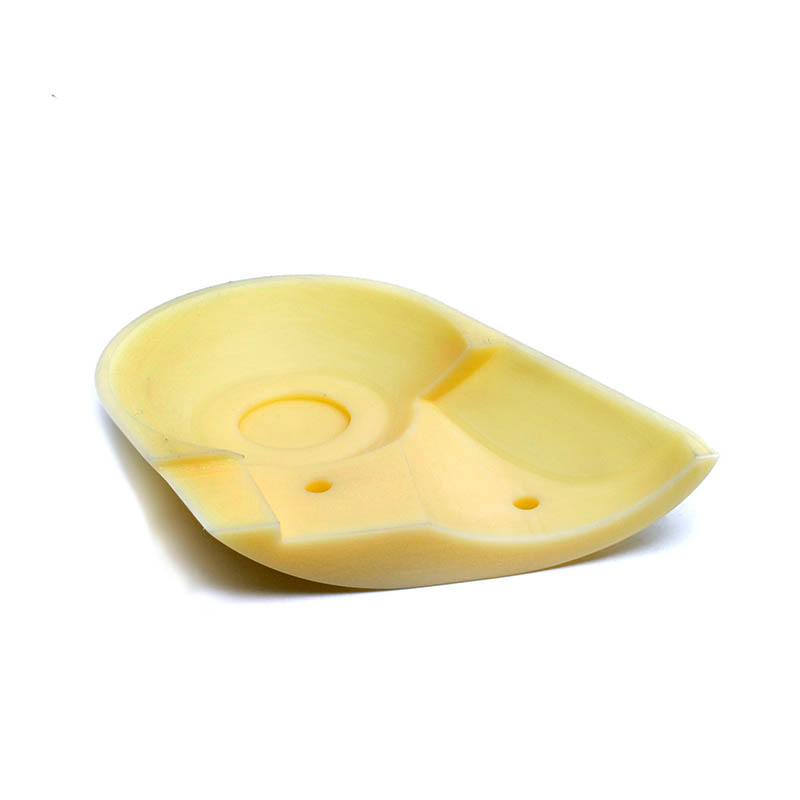
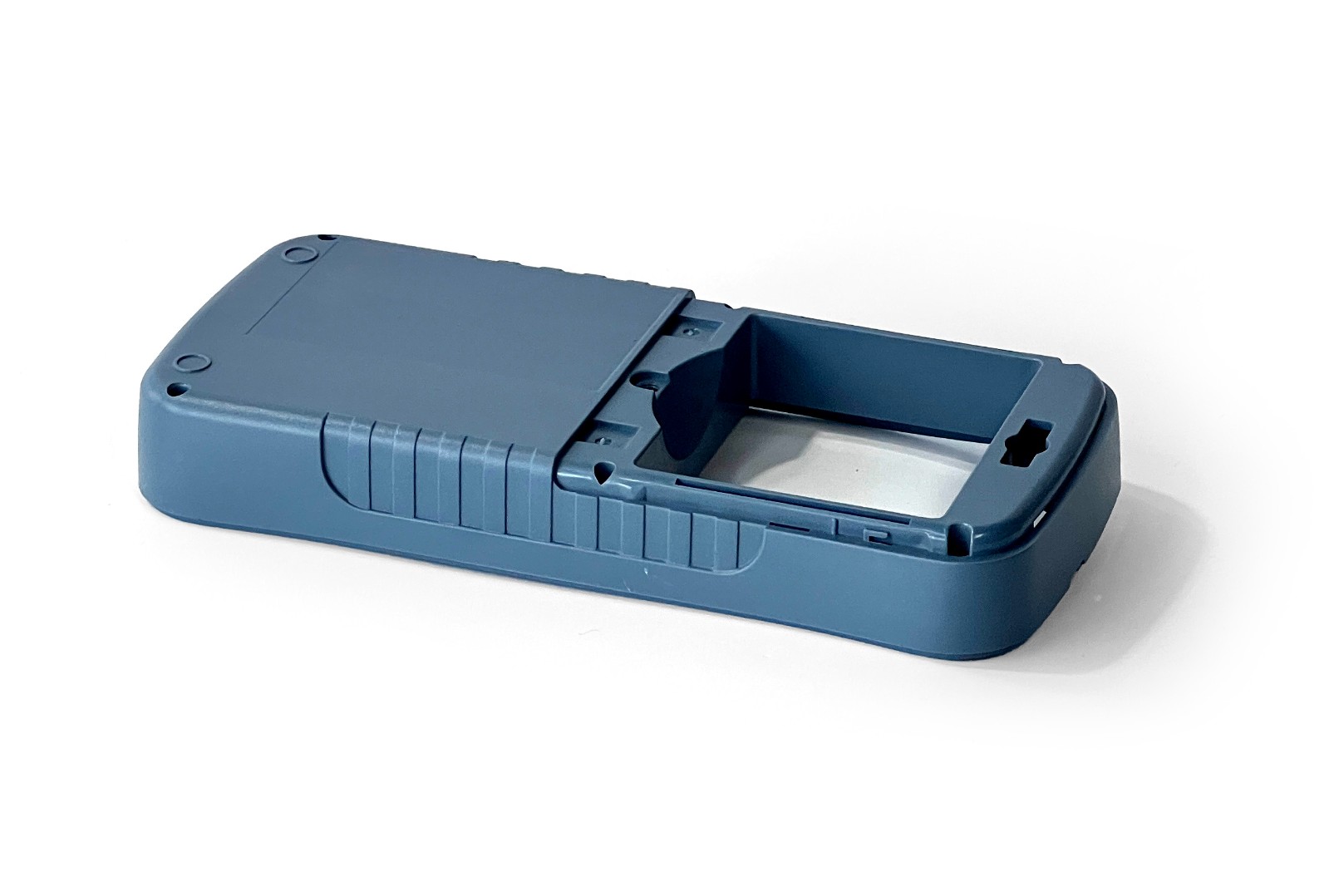
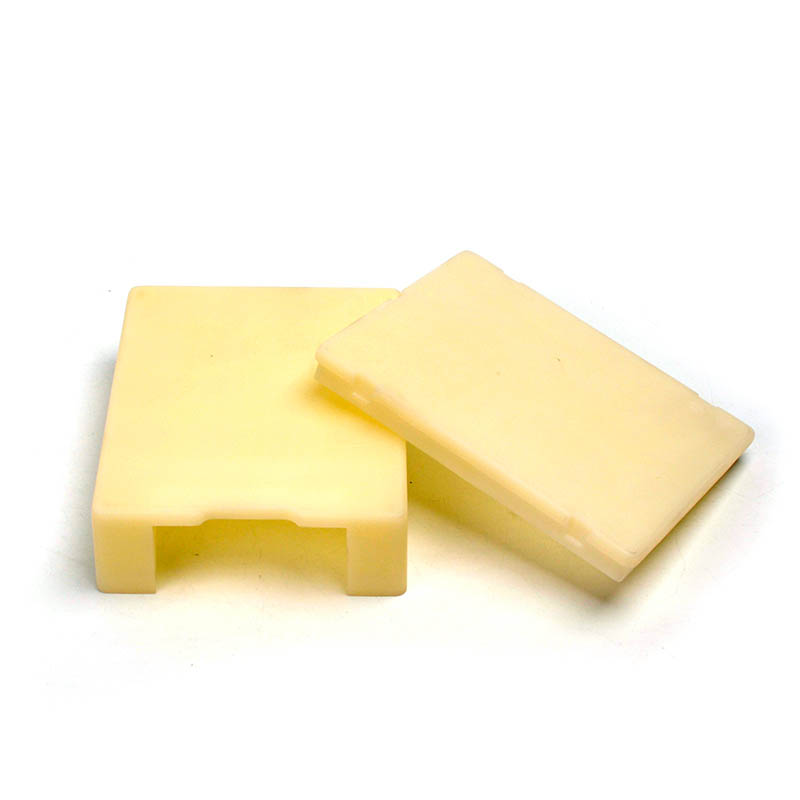
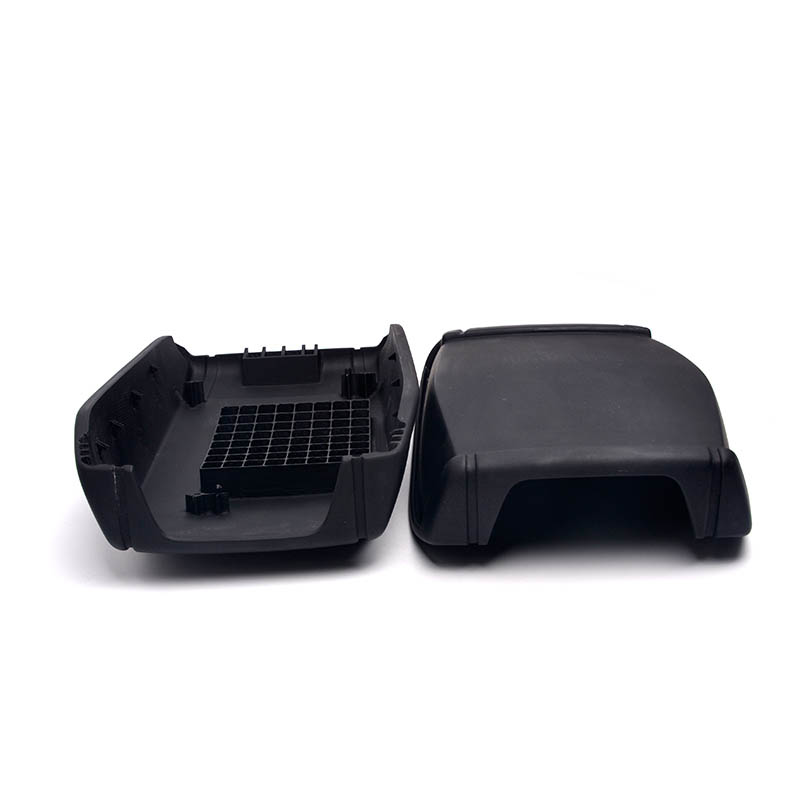
Vacuum casting, also known as silicone casting or polyurethane casting, is a process in which a master pattern is replicated using a silicone mold filled with a material such as polyurethane resin under vacuum.
This helps eliminate air bubbles, ensuring part accuracy, uniformity, and complex shapes.
It is ideal for low-volume production and rapid prototyping, producing parts with surface finishes and mechanical properties similar to those achieved through injection molding.
Industries such as automotive, aerospace, and consumer goods benefit from the high-quality, customized products produced this way.
With lower tooling costs and faster turnaround times, vacuum casting is a cost-effective option for companies looking to innovate without significant capital investment.
Vacuum Casting Materials
Discover high-quality vacuum casting materials to meet the specific needs and performance requirements of your project.
| Material | Description | Appearance | Subtypes |
|---|---|---|---|
| Soft-rubber-like | Vacuum casting is a great way to make rubber parts and prototypes. The soft, rubber-like materials work well for parts that need to be flexible and strong, used in both industrial products and things for everyday use. | Colorless Transparent, Yellow Transparent | T0387,8400 |
| PA-like | PX223 is a material similar to nylon, used in silicone molds to make strong, flexible parts that can handle a lot. | Black, Tawny | PX223 |
| ABS-like | Vacuum casting lets you make strong, ABS-like parts that resist impacts and insulate well. These parts are often used for electronic casings, car parts, and more. | Beige, Black, Milky white | Hei-Cast 8150, PZ858, 6160, P+600 |
| PP-like | UP 5690 has similar properties to real PP and HDPE materials. It’s easy to work with, strong against impacts, and flexible. It's great for making bumpers, equipment boxes, covers, and tools that reduce vibration. | White, Black | UP 5690 |
| PMMA-like | Urethane casting is a good way to make clear parts. PX-5210 isn’t as clear as real PMMA, but it has decent transparency, is easy to polish, doesn’t yellow, and holds up well under UV light. This makes it a solid choice for many uses where clear parts are needed. | Transparent | PX 5210 |
| PC-like | PX520 is used in silicone molds to make prototype parts and models that have similar strength and toughness to real PC (polycarbonate) material. | White, Clear | PX520 |
Polyurethane Casting Surface Treatment
Our surface treatments for polyurethane castings provide a smooth, flawless surface that combines durability with aesthetics.
| Available Finishes | Description |
|---|---|
| Matte/Frosted | The parts have a smooth, satin finish because the master pattern was bead-blasted to a matte texture. Parts that are clear or see-through will look frosted with this finish. Matte finishes are great for areas that are often touched because they hide fingerprints better. |
| Semi-Gloss | Semi-gloss finishes have a little shine, but not too much. They’re in between shiny (high-gloss) and flat (matte), giving the surface a smooth look that’s easy to clean. |
| High-Gloss | A glossy finish with a lot of shine needs the master pattern to be polished before making the mold. This finish has a shiny look and makes clear parts look the clearest. High gloss is great for models that need a smooth, clean surface or for lenses. |
| Textured | Texture is added to the master pattern using paint and manual methods before making the mold. Texturing is helpful for areas that get a lot of use, like handles, because the bumps and grooves improve grip and reduce fingerprints or scratches. |
| Custom | Customization can also provide additional services such as adding finishes, painting, etc. |
40px
80px
80px
80px