

40px
80px
80px
80px
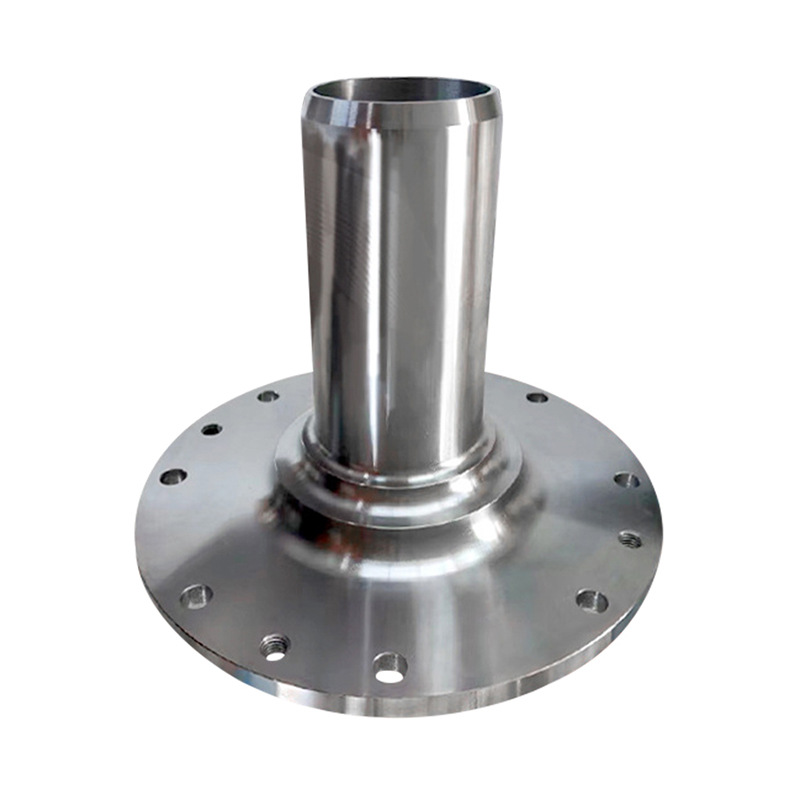
What are the medical equipment base accessories we process?
1. Monitor/Equipment Stand Bases
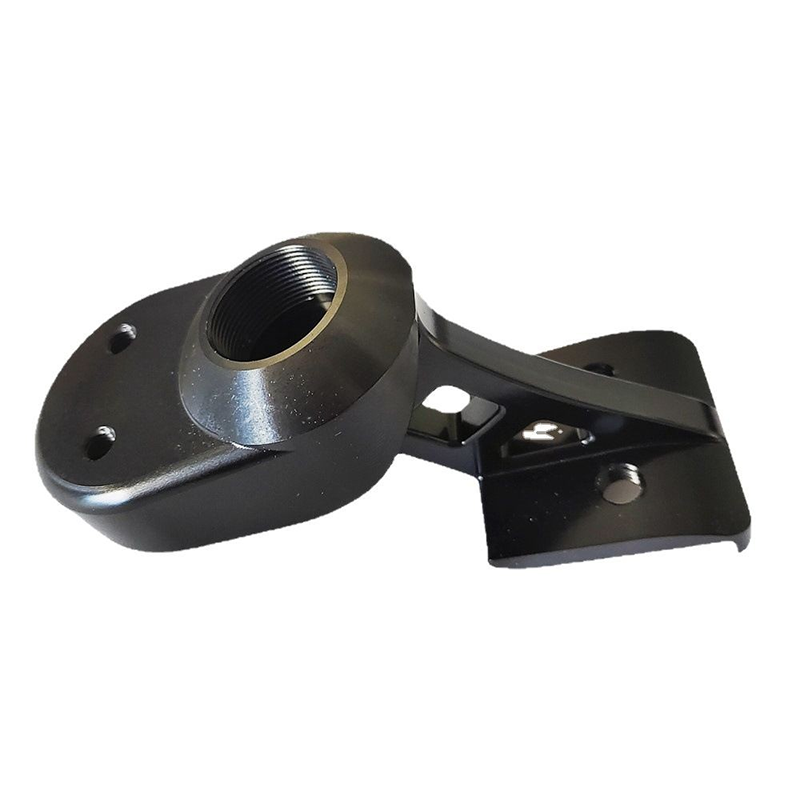
Medical Monitor Bases: Heavy-duty support arms that support wall-mounting or all-in-one installation. Suitable for use in operating rooms, ICUs, and other environments. Some models have a load capacity of over 50 kg.
IV Stand Bases: With wheels, they can be adjusted for height and are used to hang IV bottles or monitoring equipment.
Surgical Shadowless Light Bases: High-precision dimming system, supports multiple lamp heads, and requires anti-tip design.
2. Operating Table/Cable Bases
Hydraulic Operating Table Bases: Contain high-strength support legs and a locking mechanism. The bed is raised and lowered by a hydraulic system. Some models are equipped with casters for easy mobility.
Electric Operating Table Bases: Integrated motor, oil pump, and brake system, support multiple angles and must meet medical-grade insulation standards.
3. Auxiliary Equipment Bases
Office Chair/Medical Chair Bases: Made of PP five-star base or metal, suitable for dental chairs, infusion chairs, etc., some sizes are customizable (250-300mm).
Pendant/Hanging Bases: Used to suspend equipment such as anesthesia machines and ventilators. Must pass anti-tip testing and have a load capacity of 50-200kg.
4. Imaging Equipment Bases
CT Scanner Bed Bases: Contains vertical/horizontal motion control systems and must work with the high-voltage generator to ensure positioning accuracy.
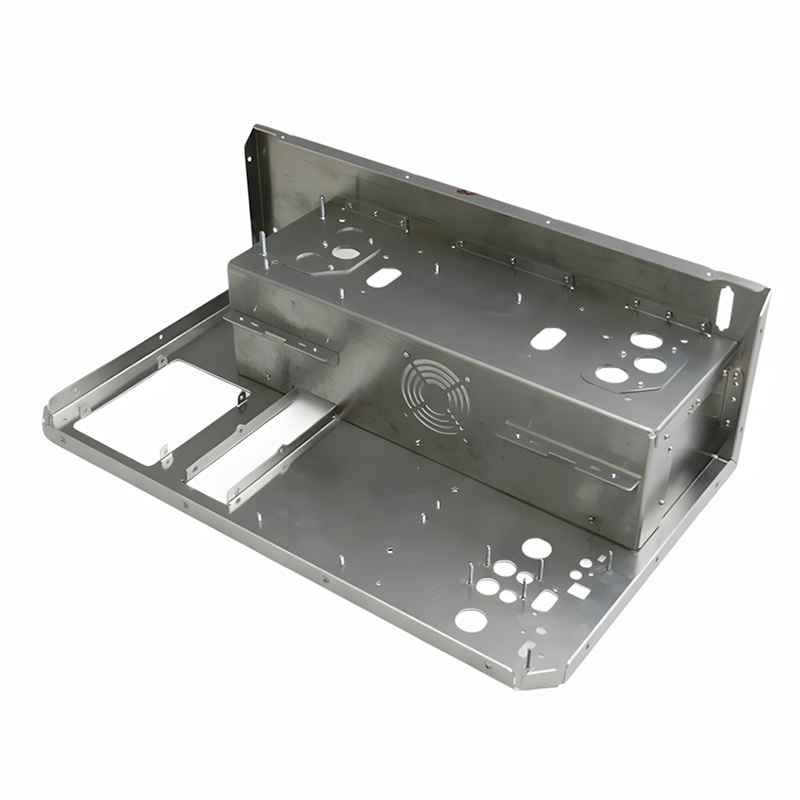
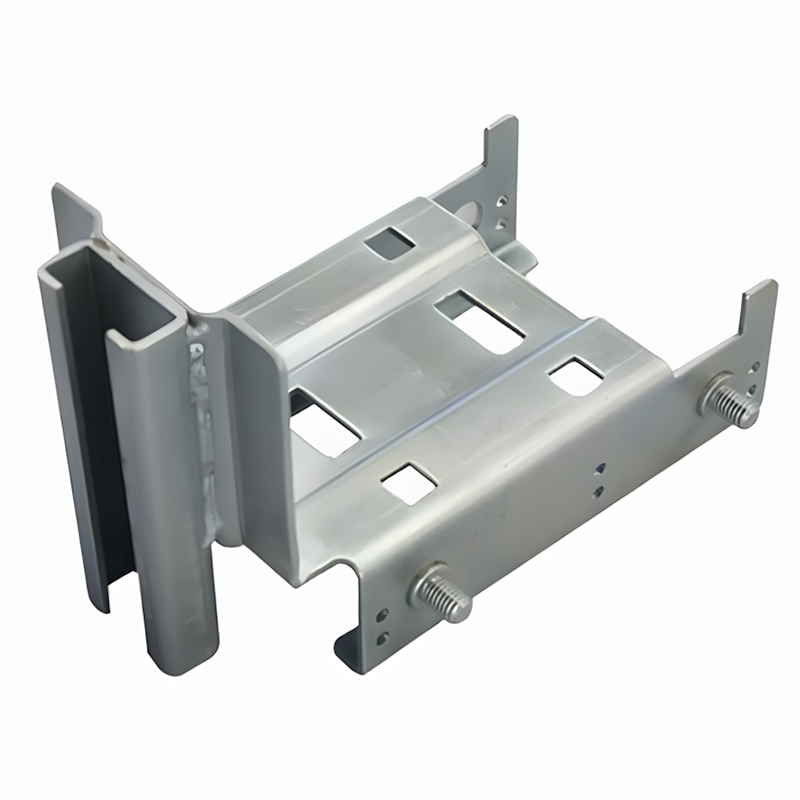
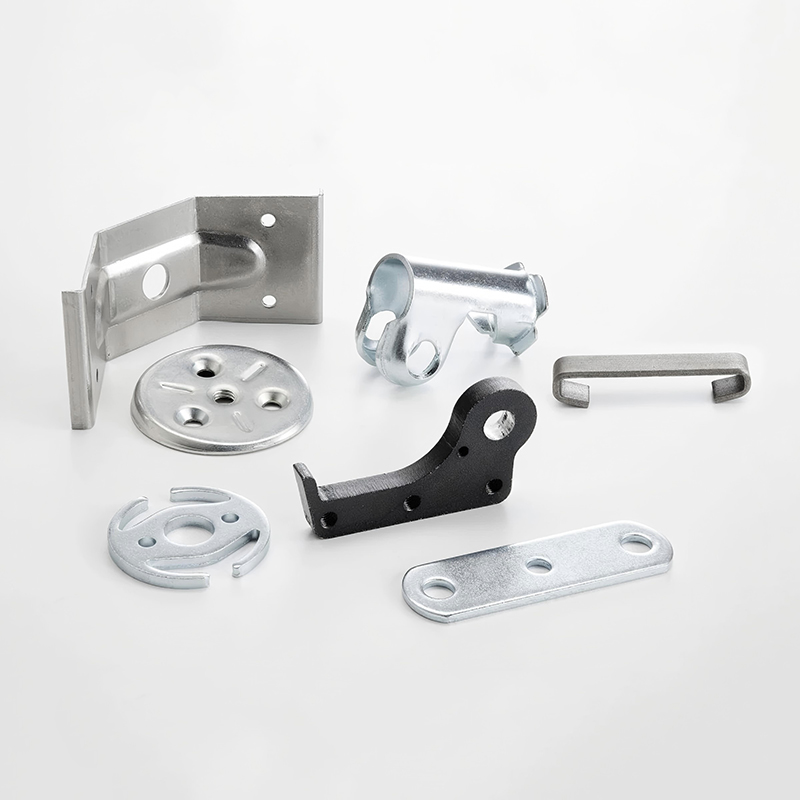
Monitor Bases: Portable design, often using sheet metal mounting, some with integrated power ports.
Selection Recommendations:
Load Capacity: Select a base based on the weight of the equipment. For example, a surgical pendant requires a load capacity of 100kg or more.
Material Requirements: Stainless steel or antimicrobial coatings are preferred for operating rooms. Lightweight aluminum alloys are available for patient rooms.
Safety Certifications: Electrical bases must meet medical-grade insulation standards (e.g., IEC 6001). 60601)
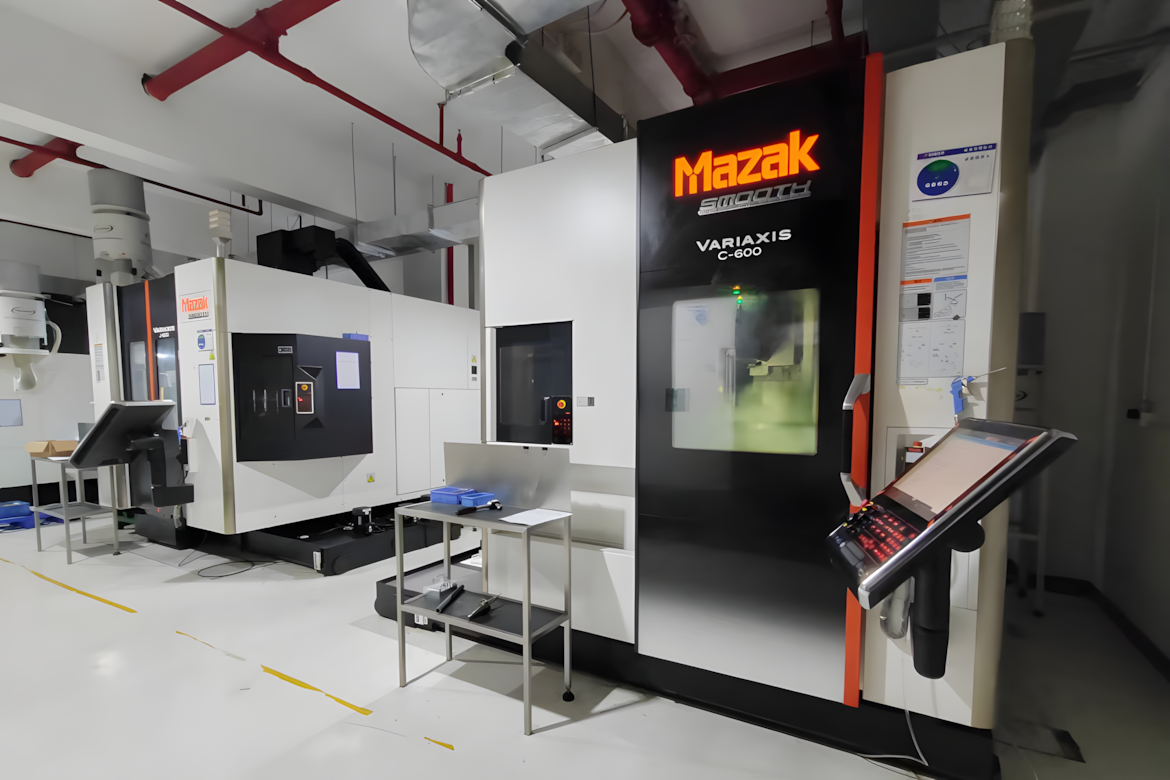
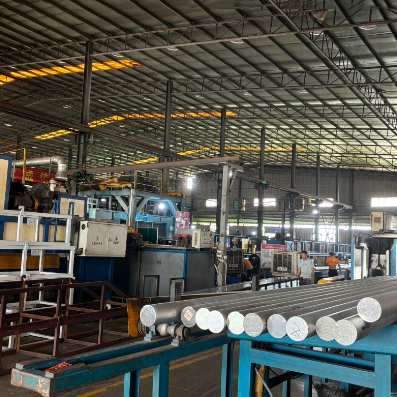
CNC workshop
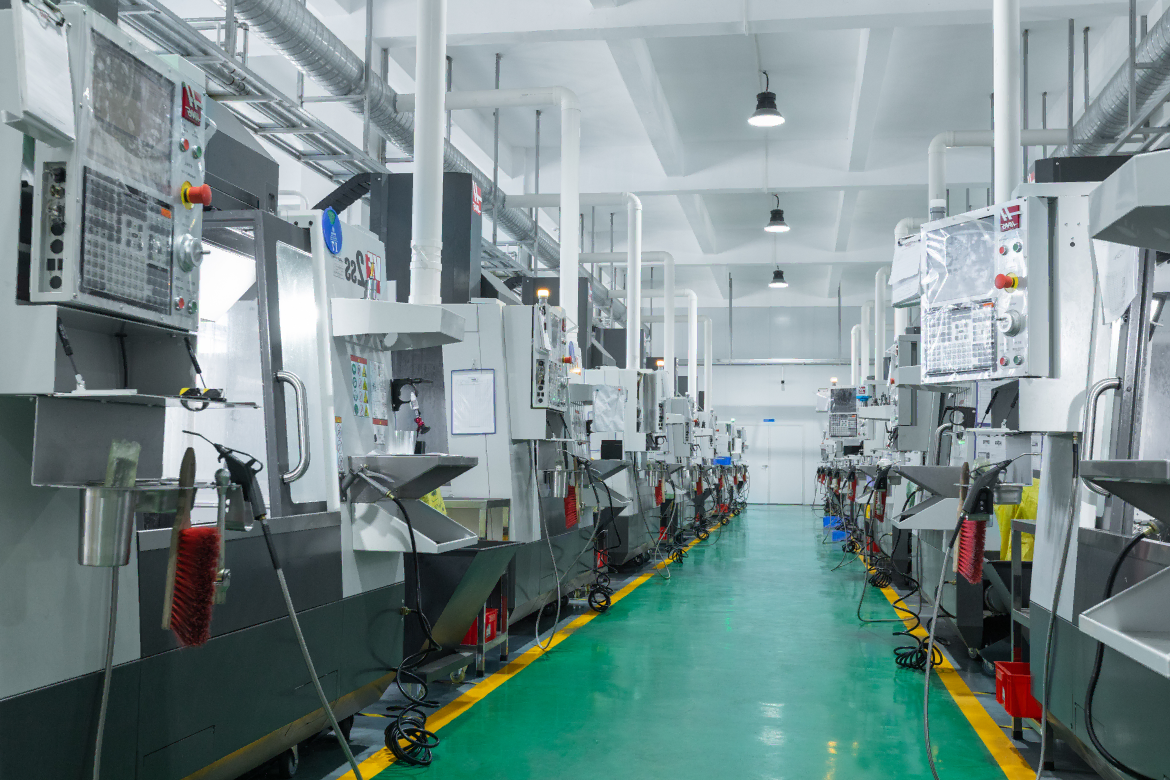
CNC workshop
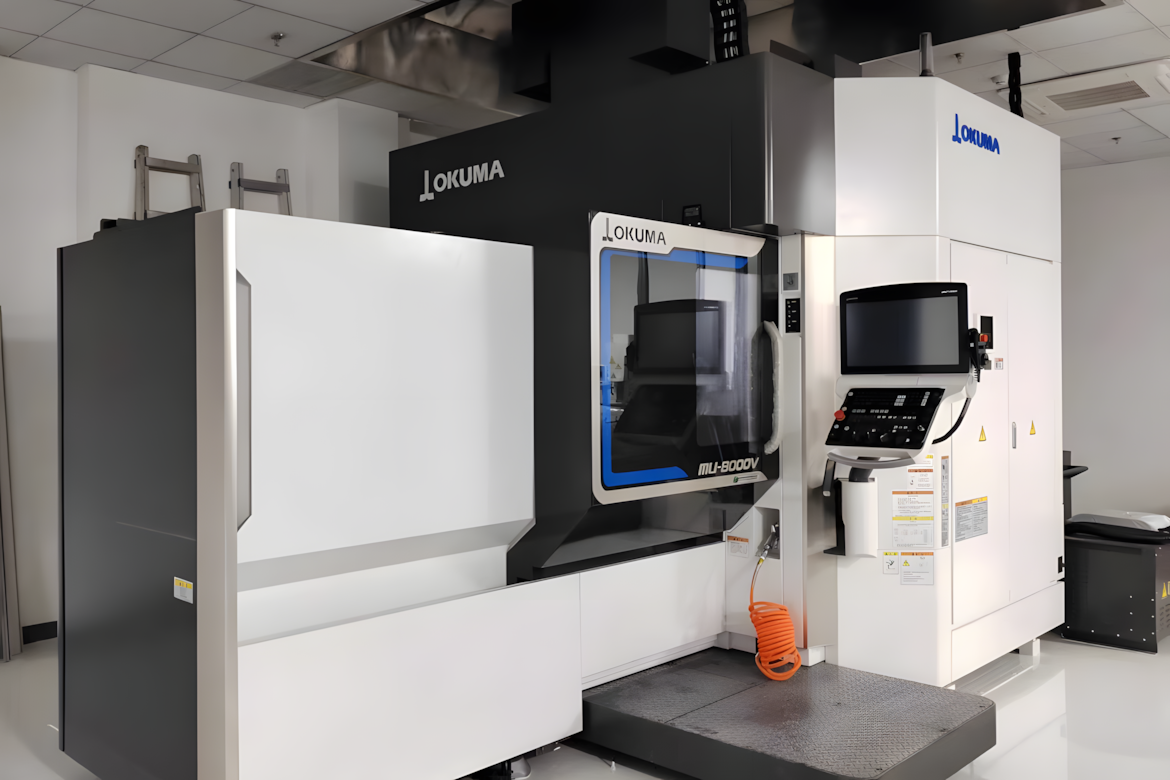
CNC workshop
CNC workshop
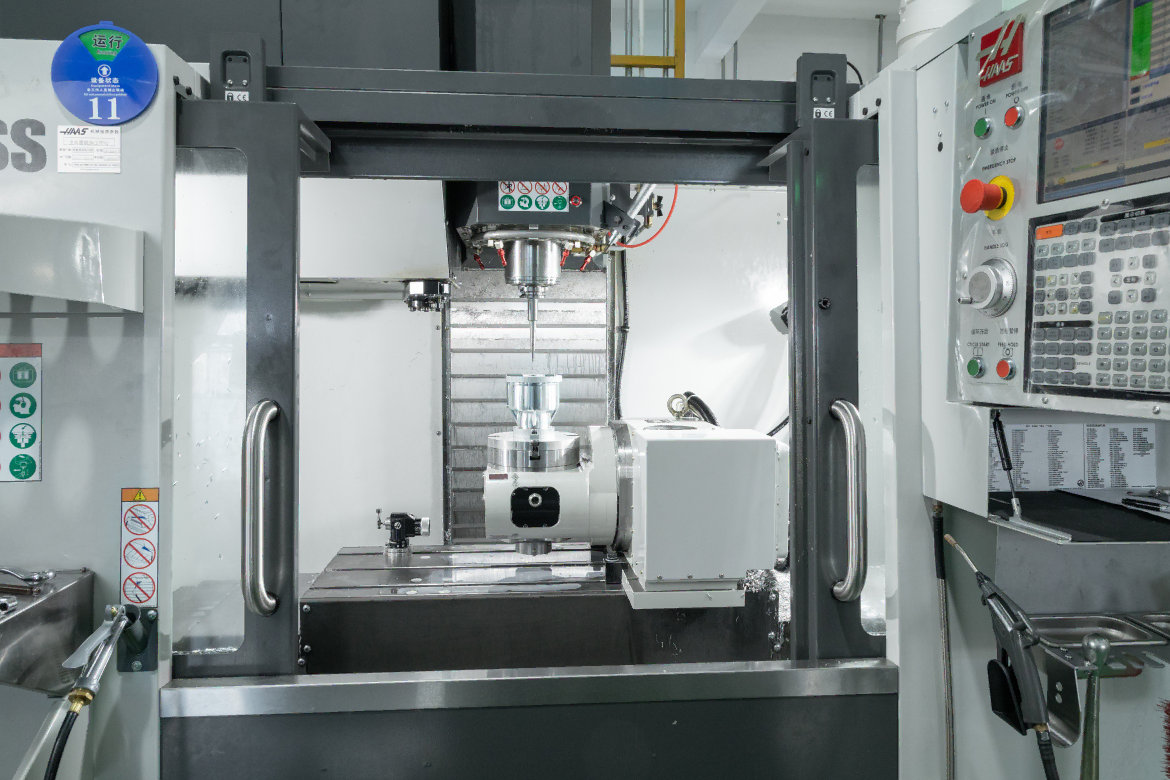
CNC workshop
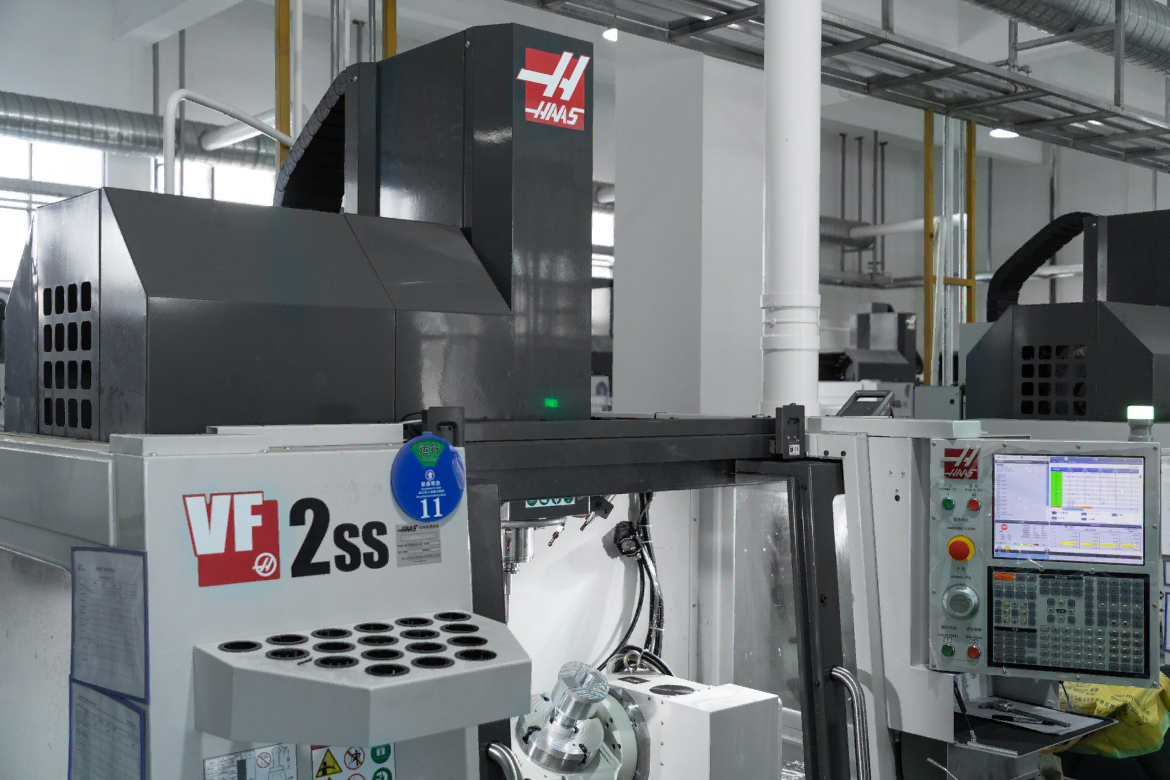
CNC workshop
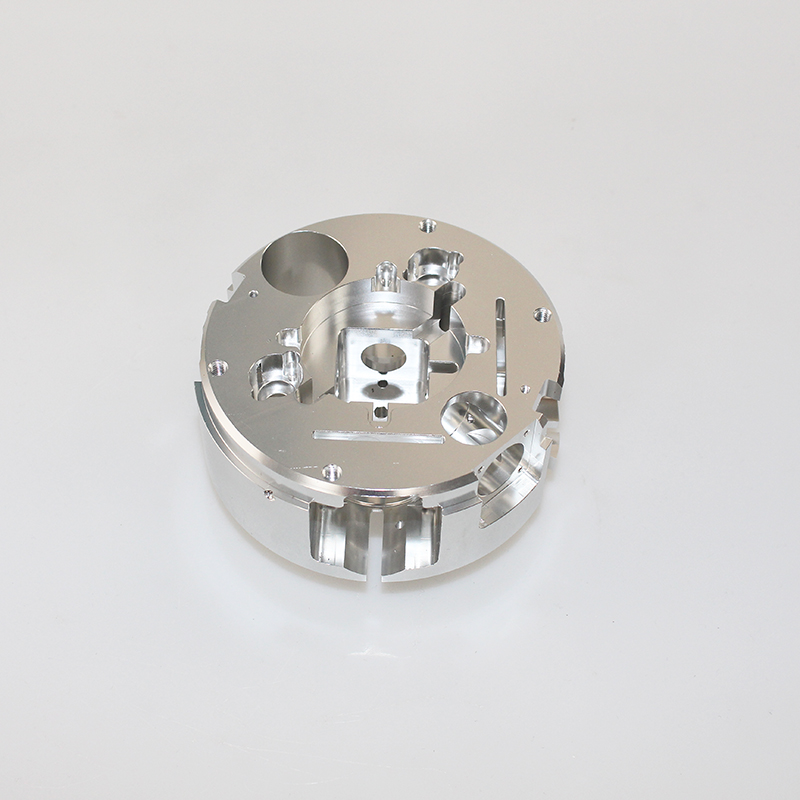
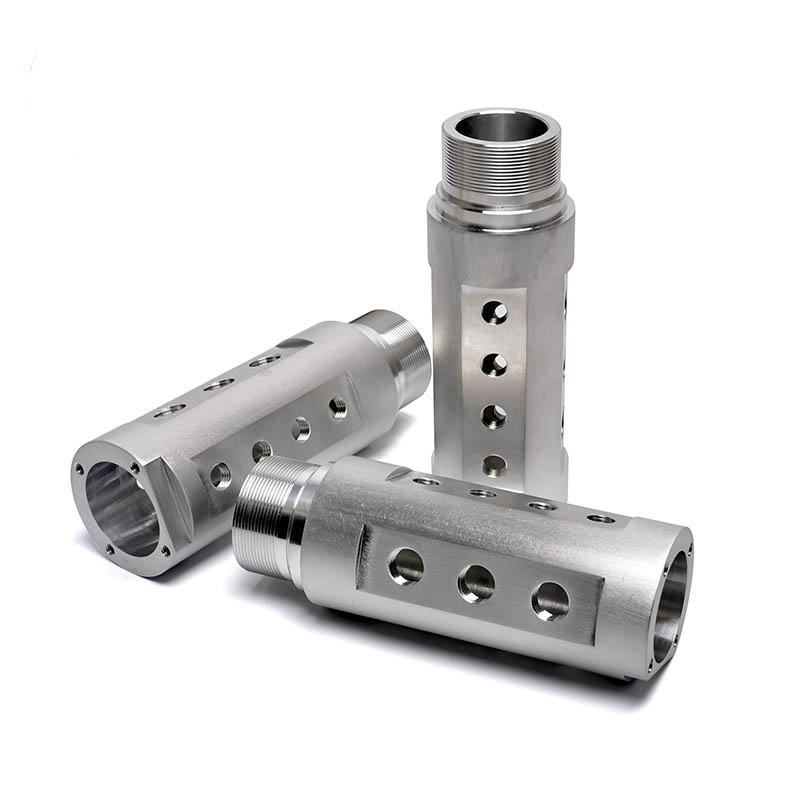
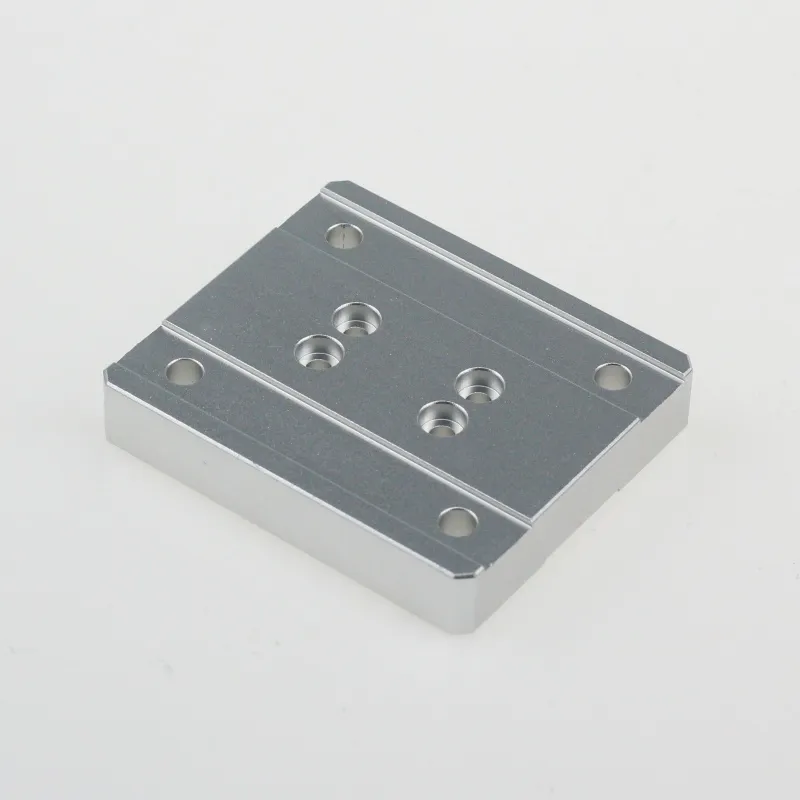
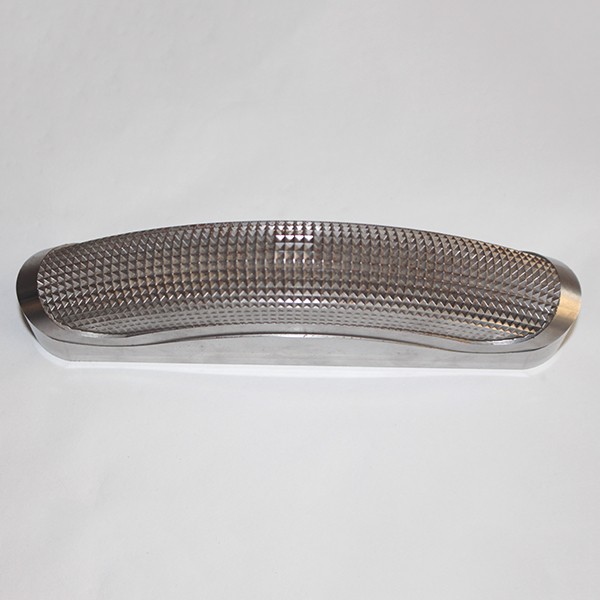
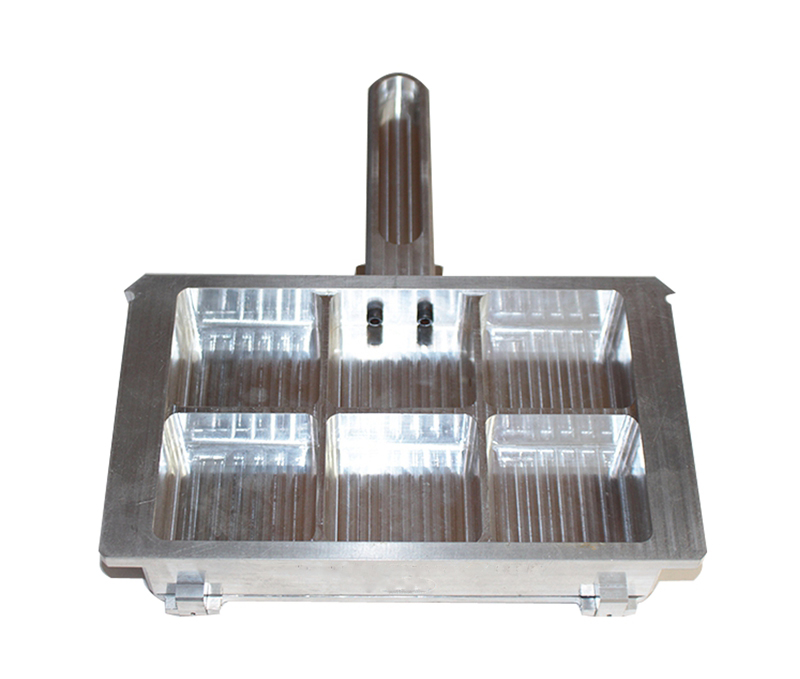
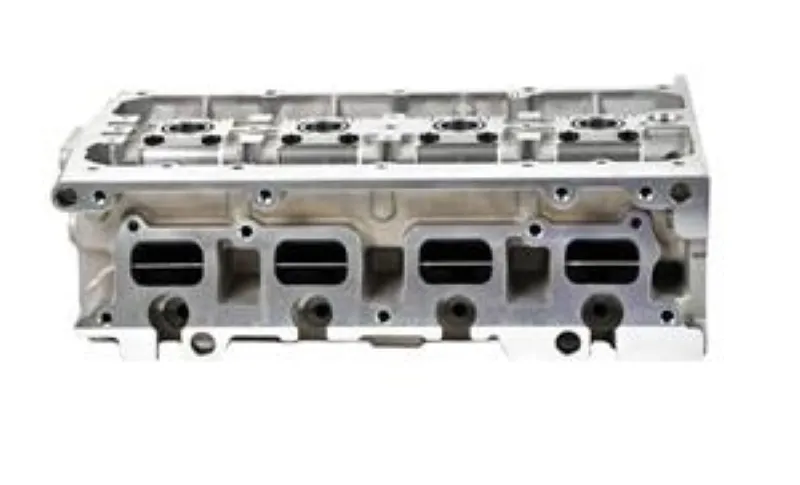
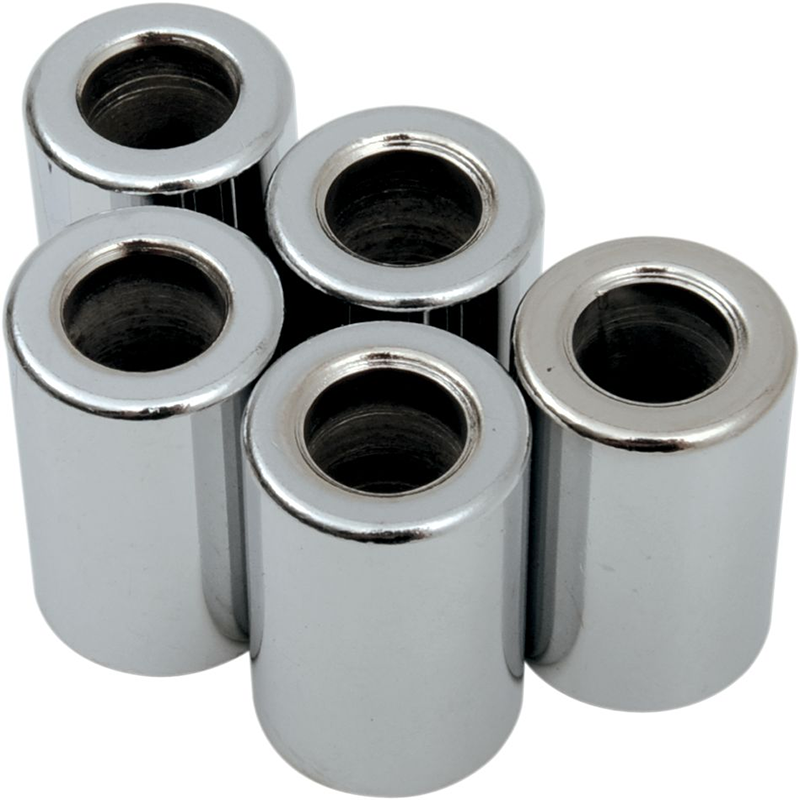
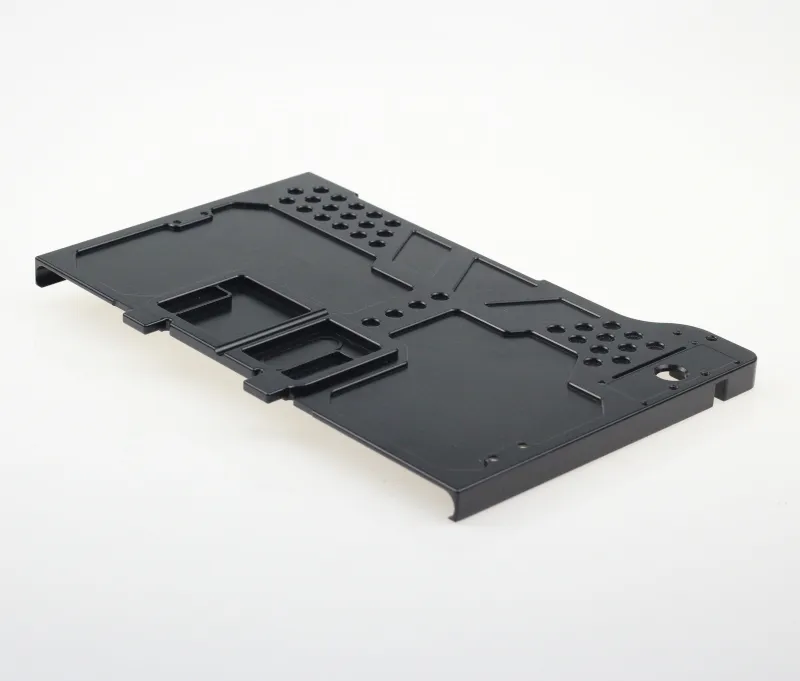
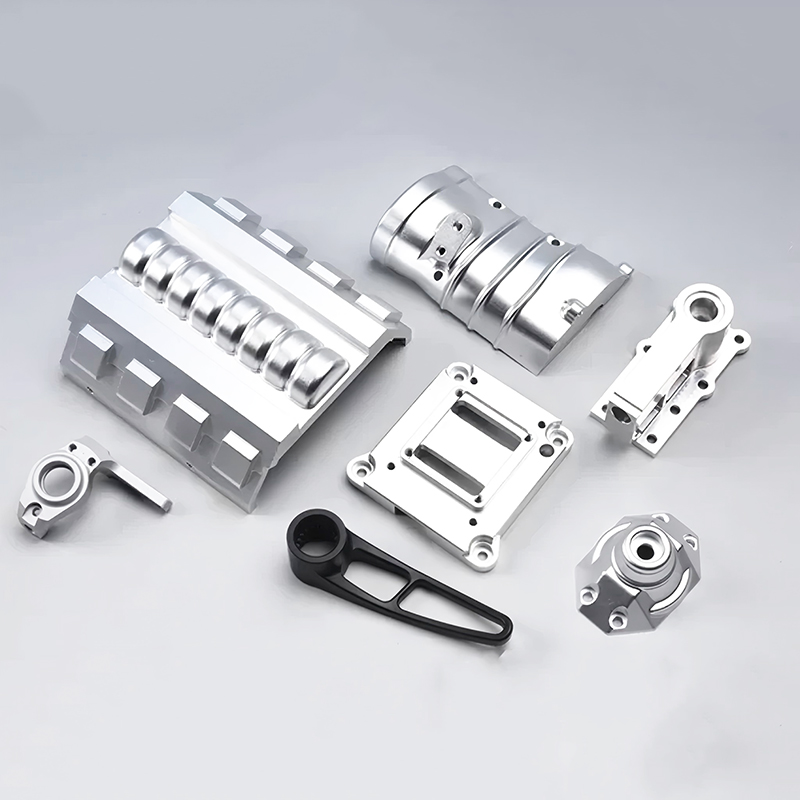
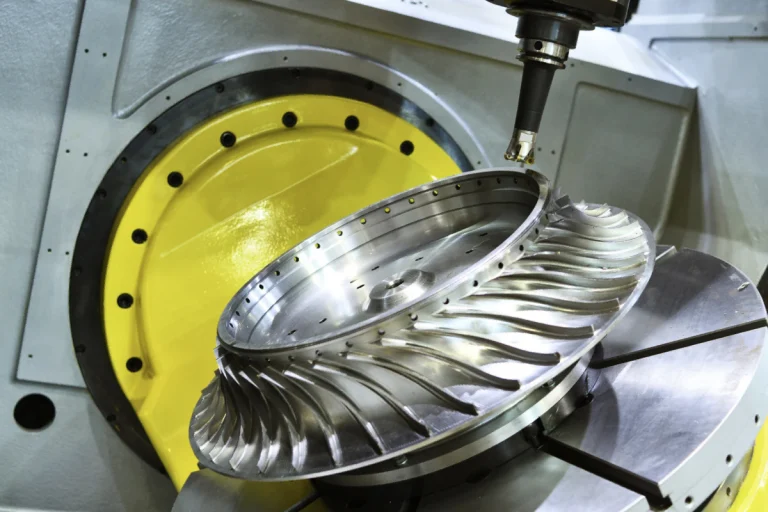
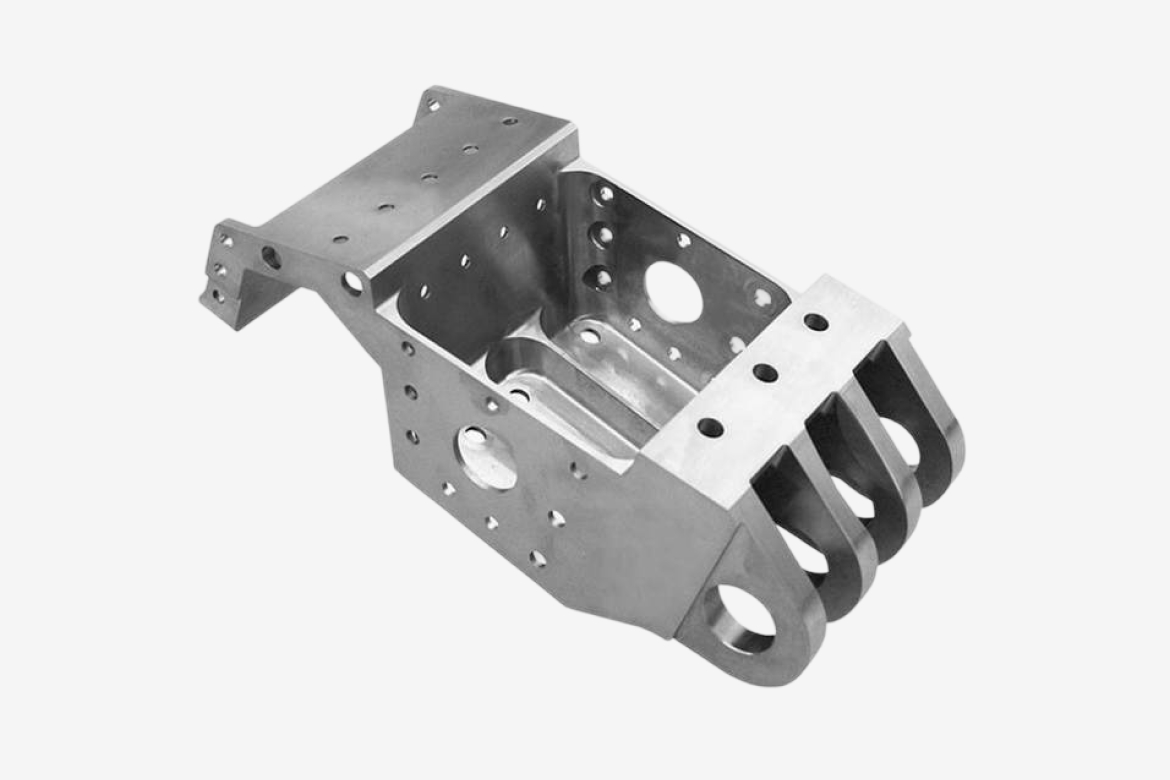
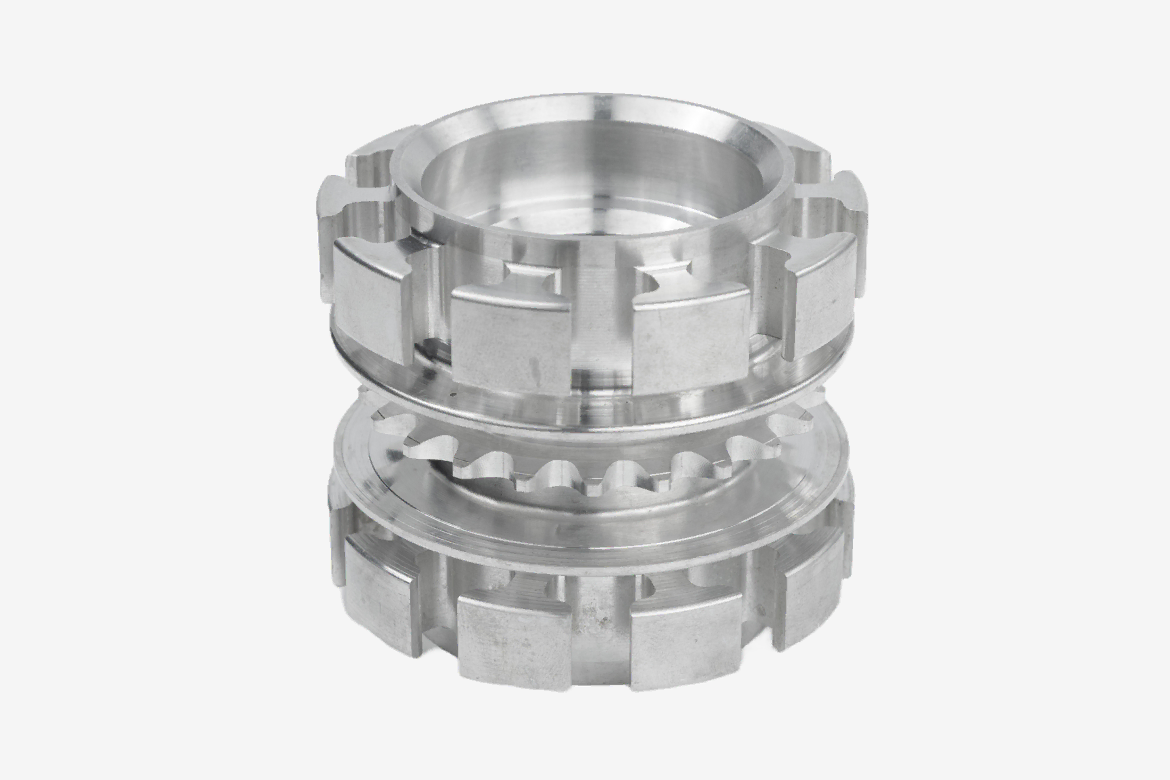
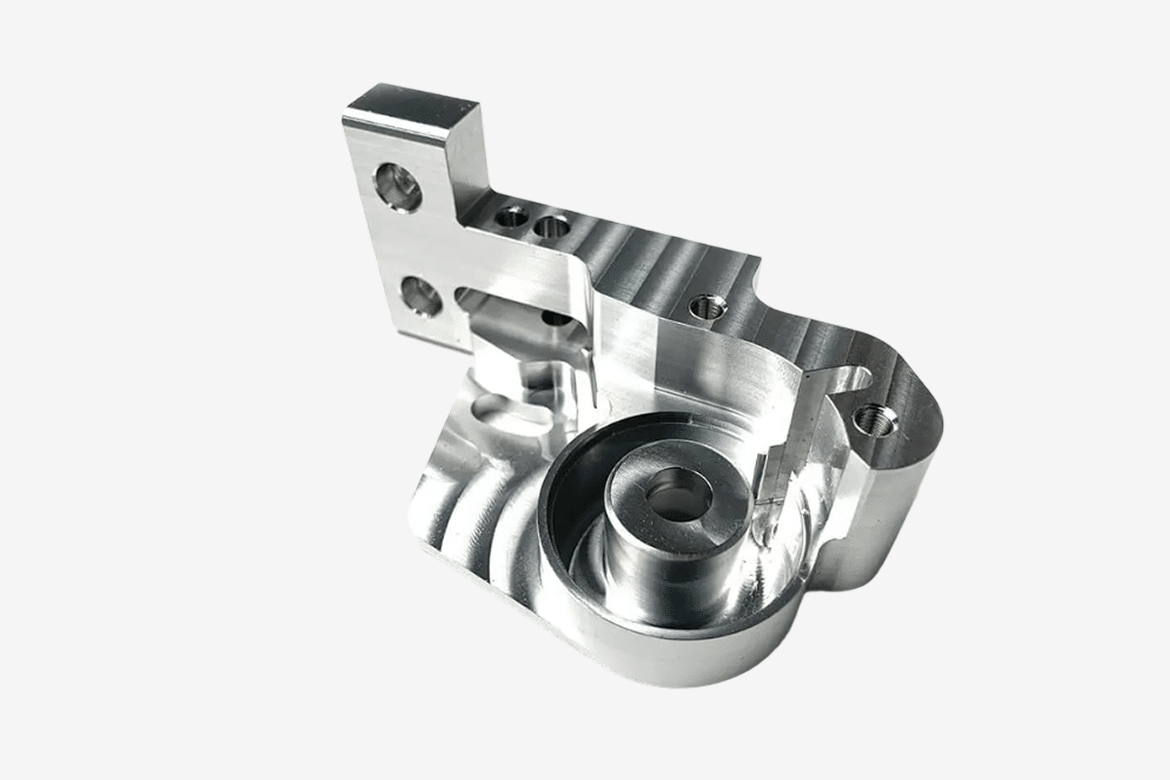
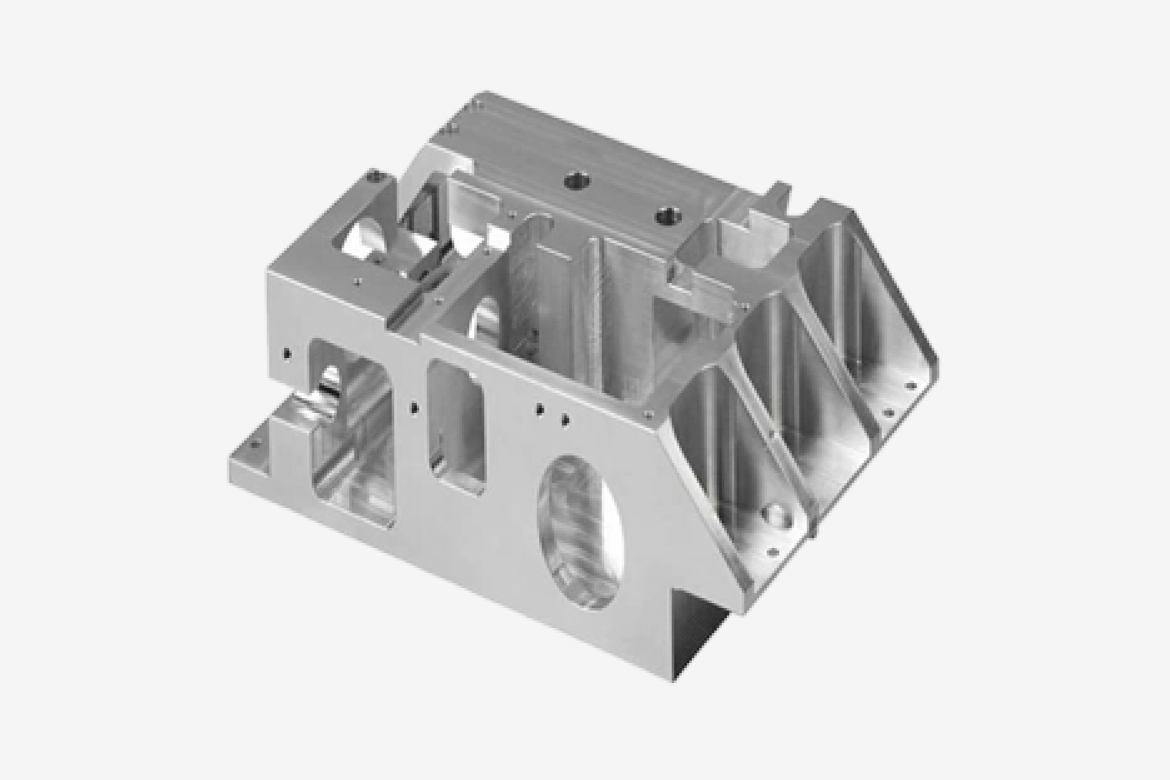
CNC Milling Parts
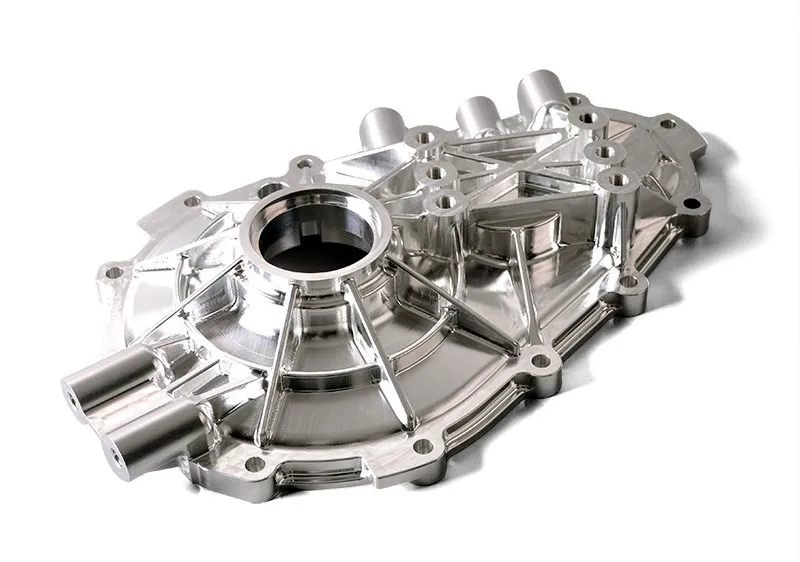
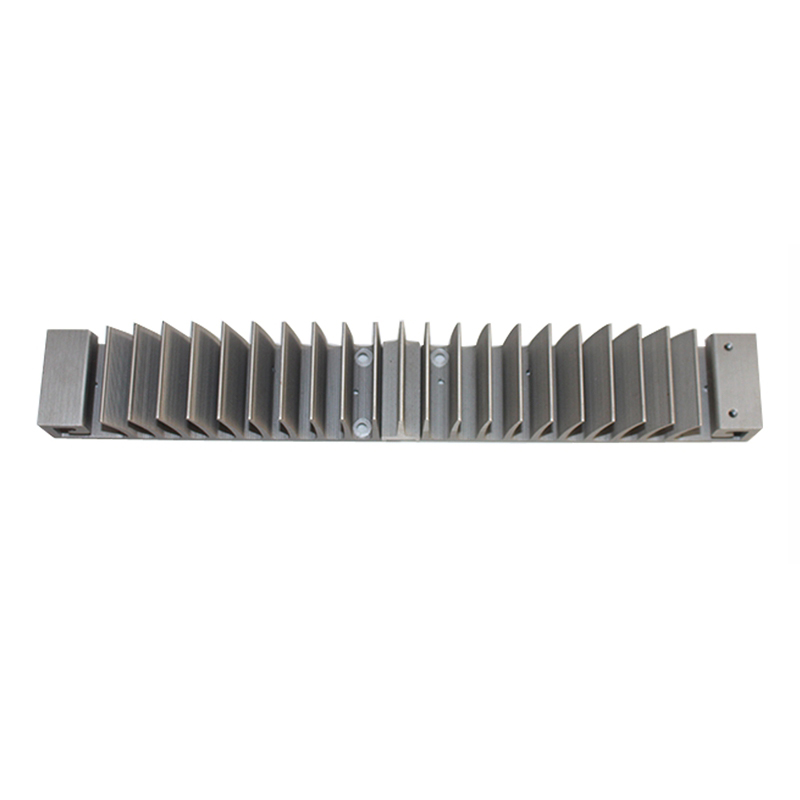
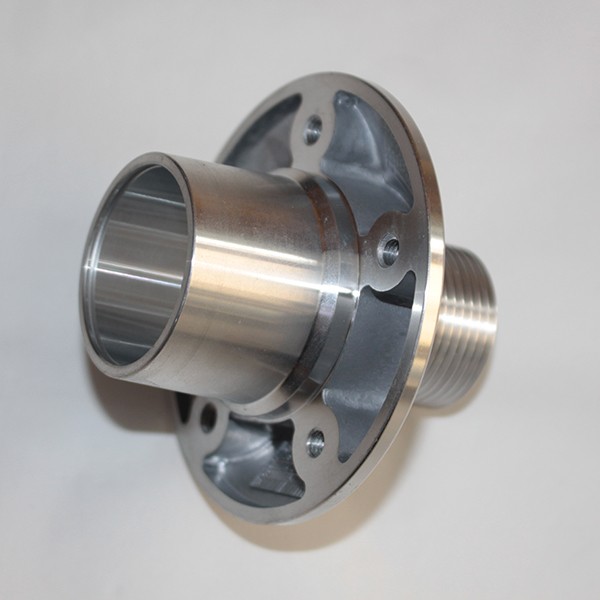
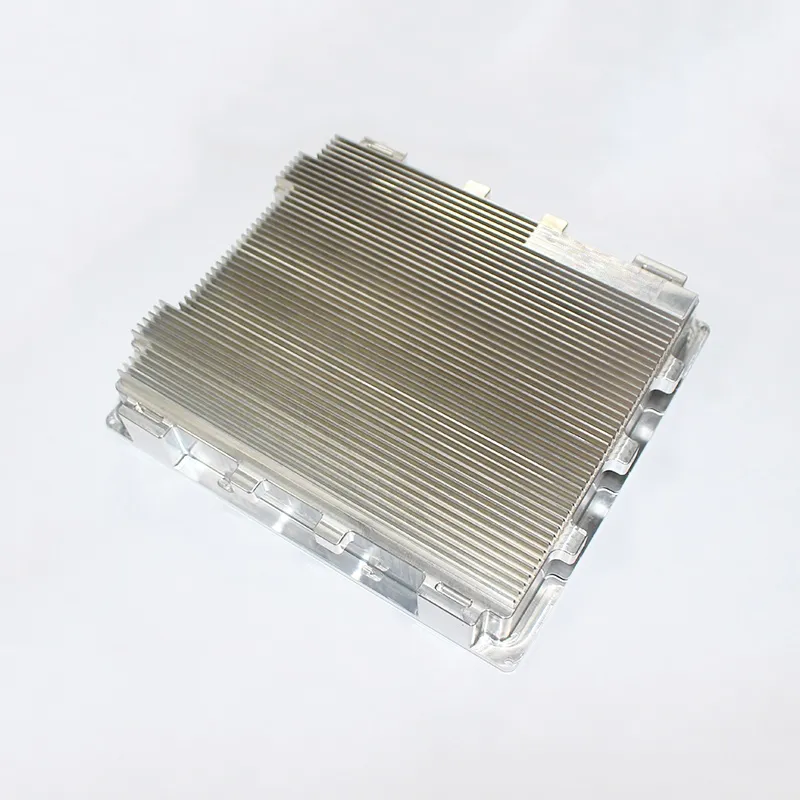
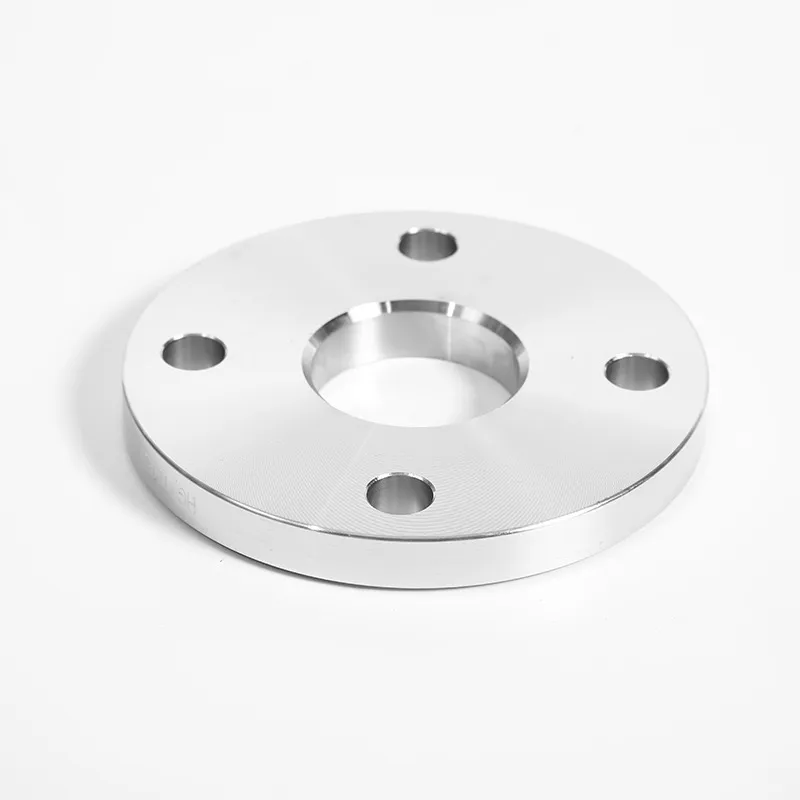
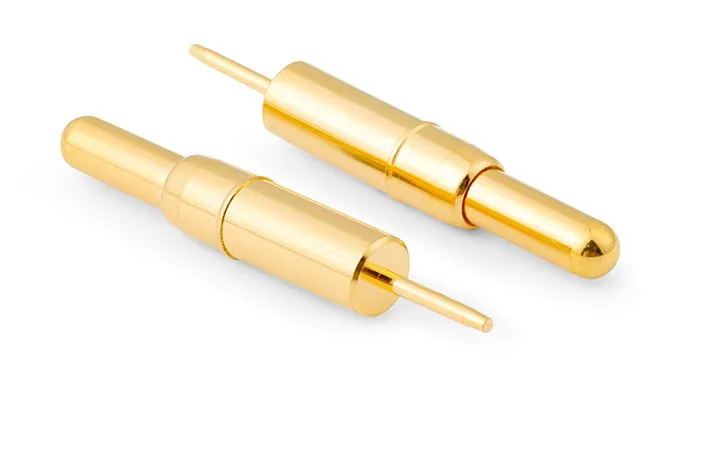
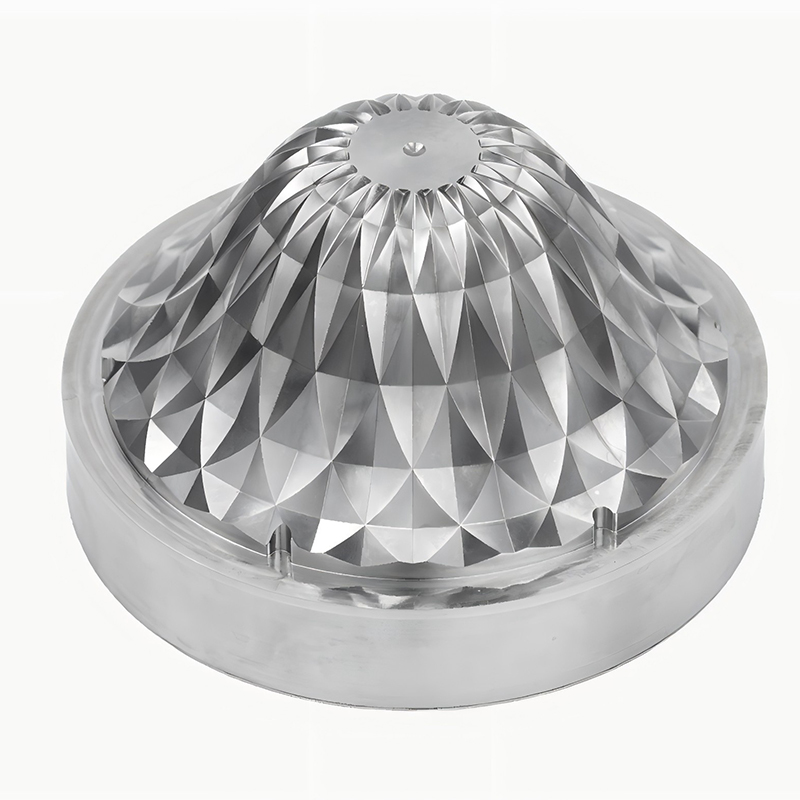
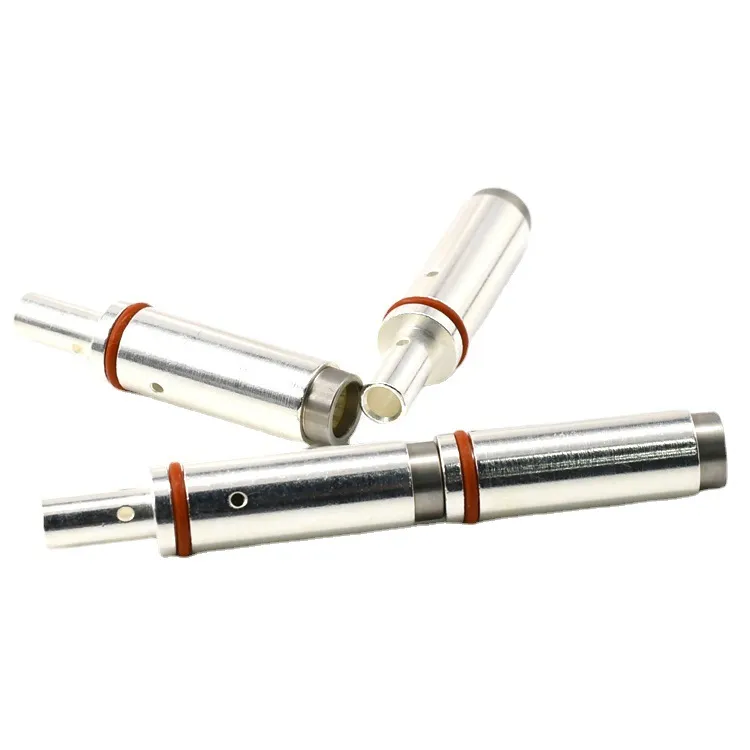
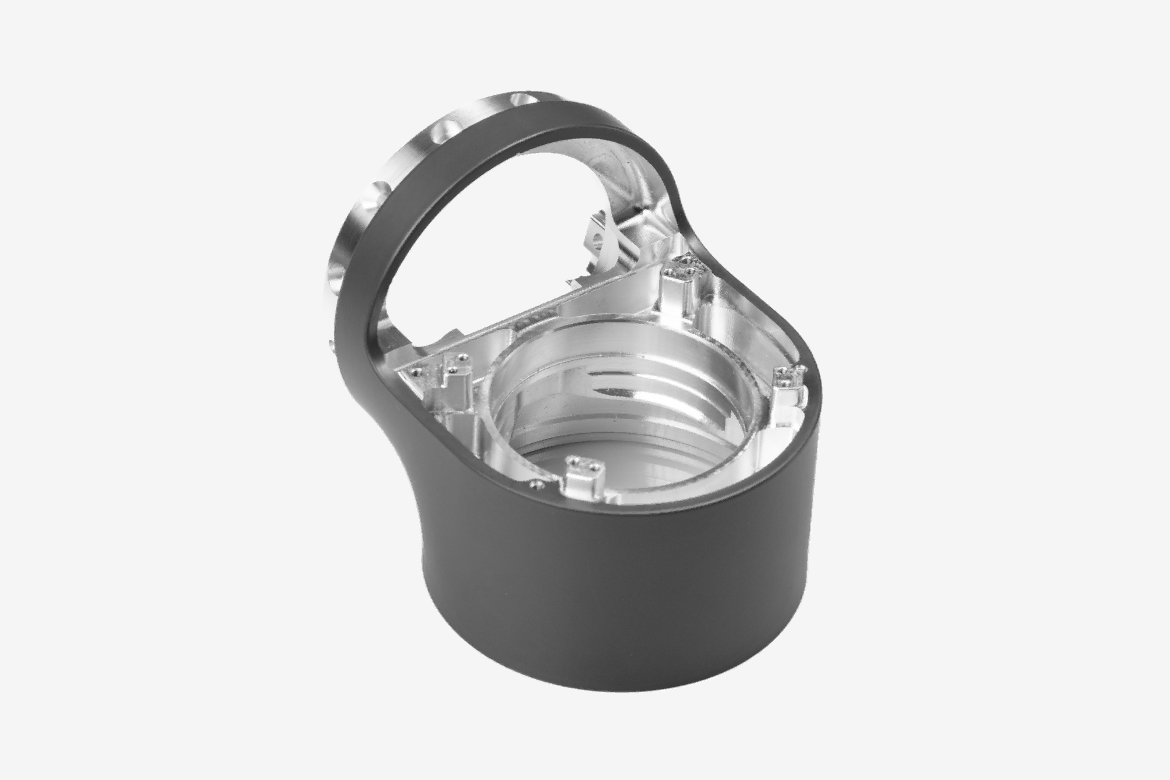
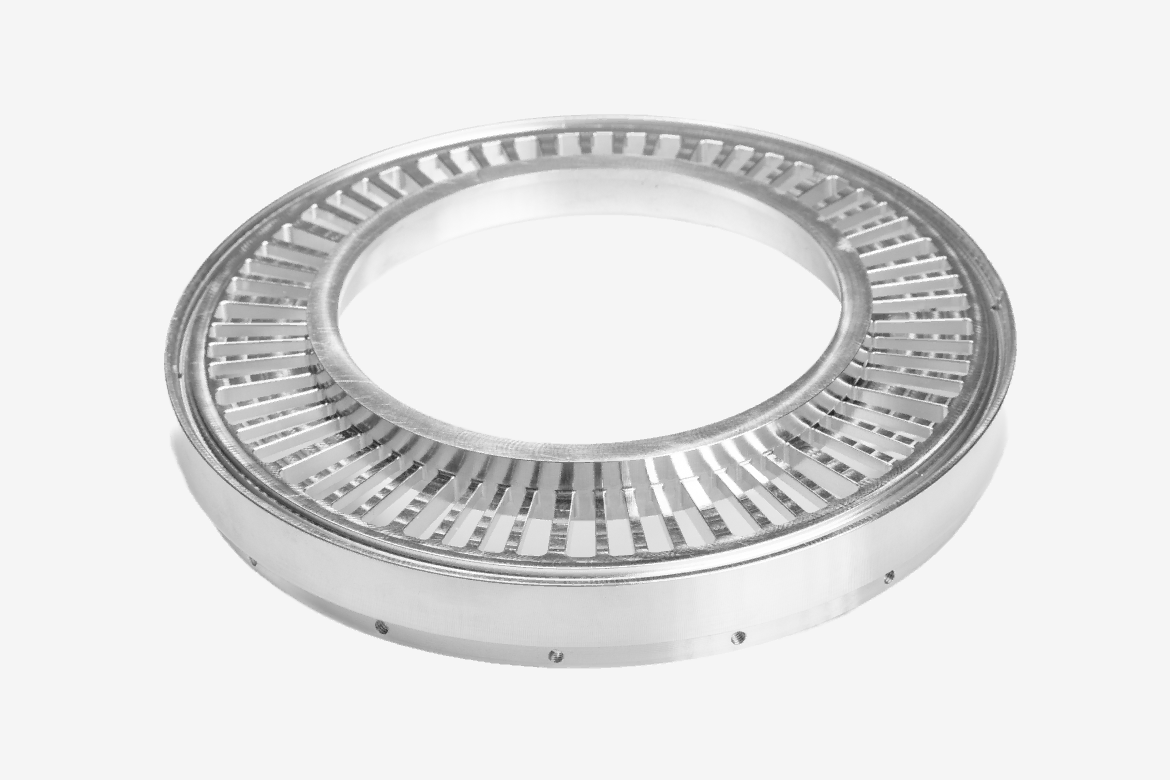
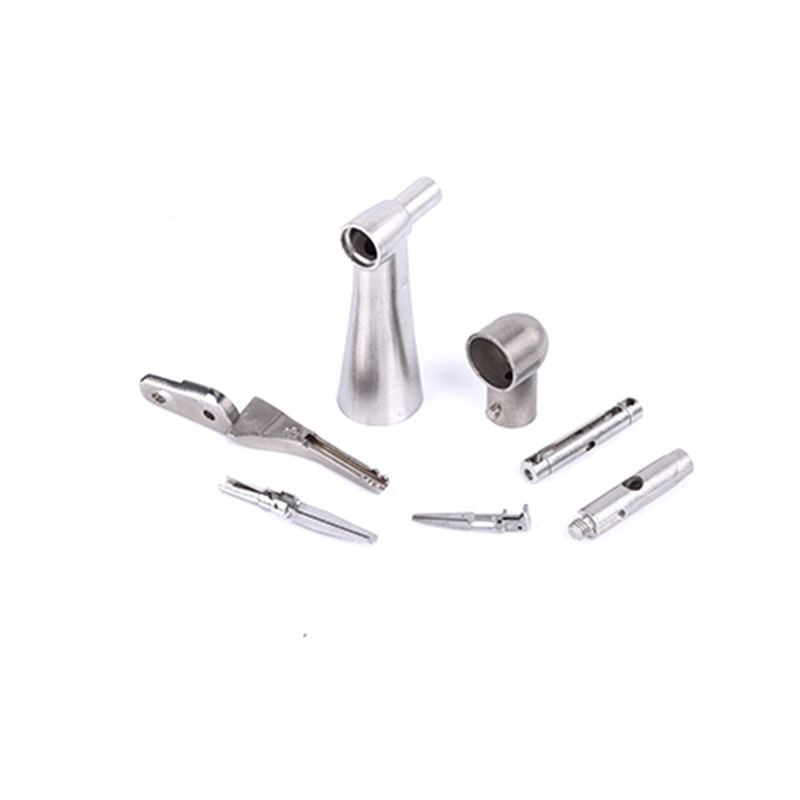
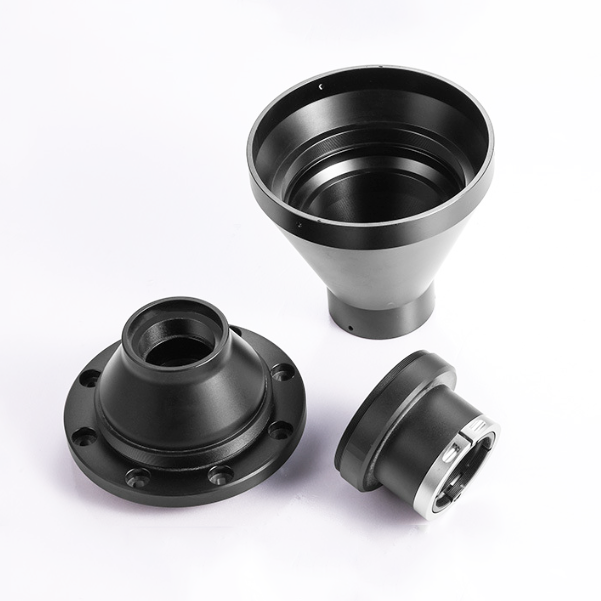
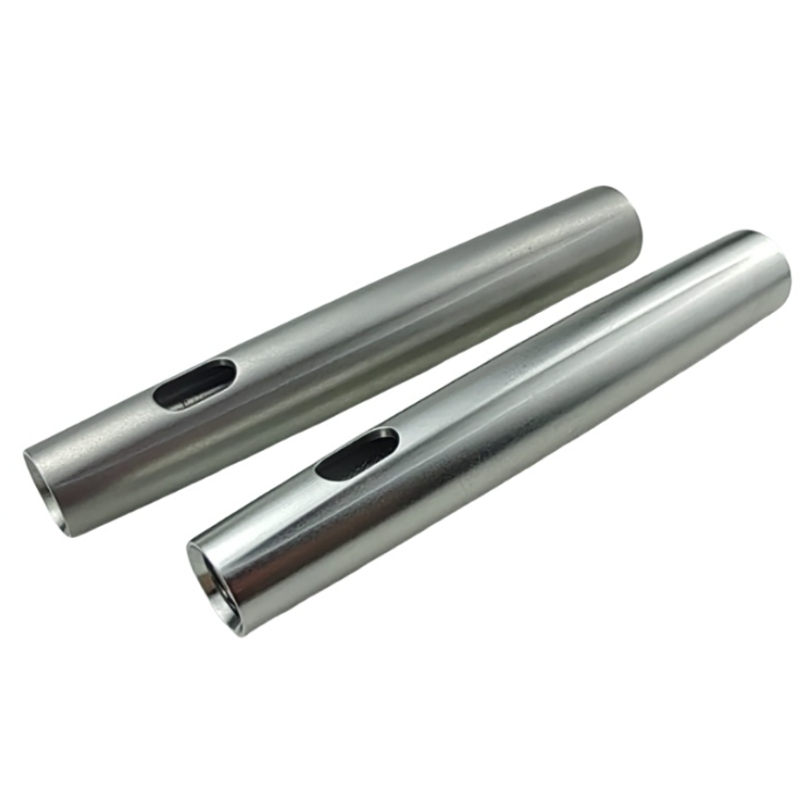
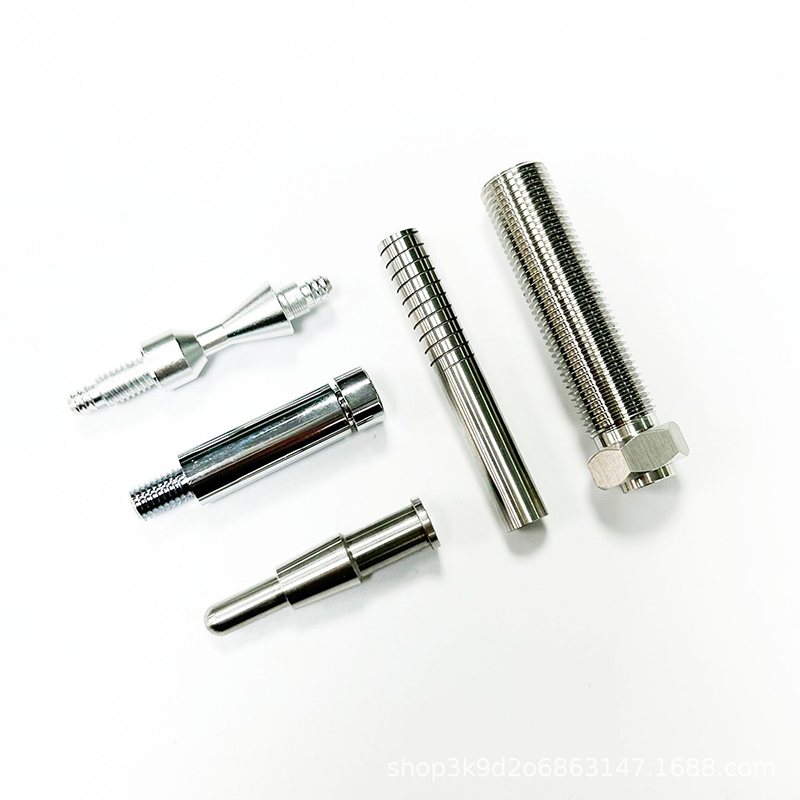
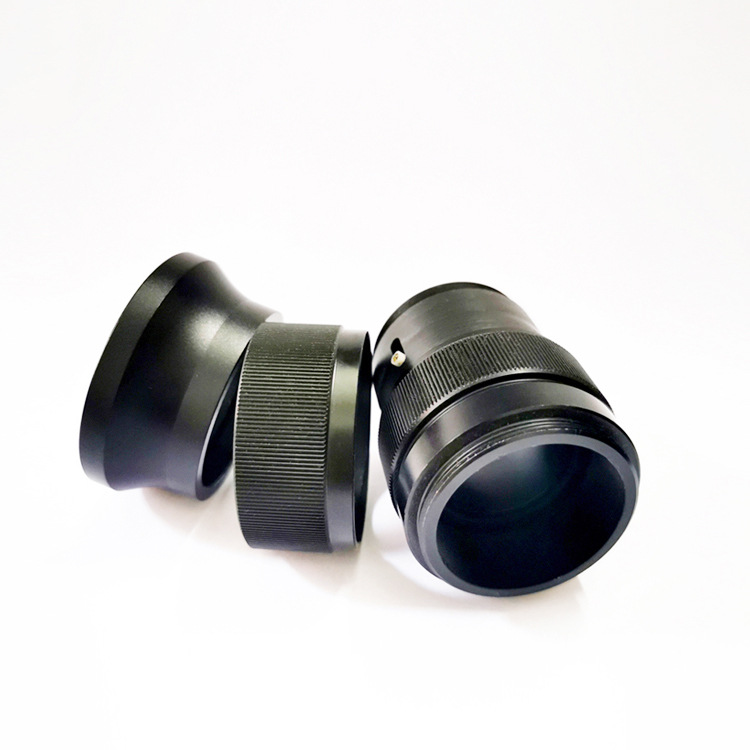
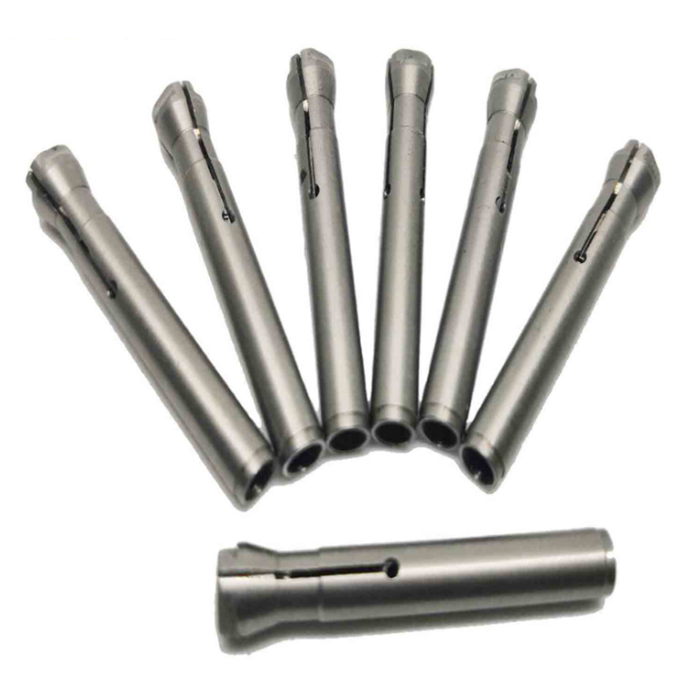
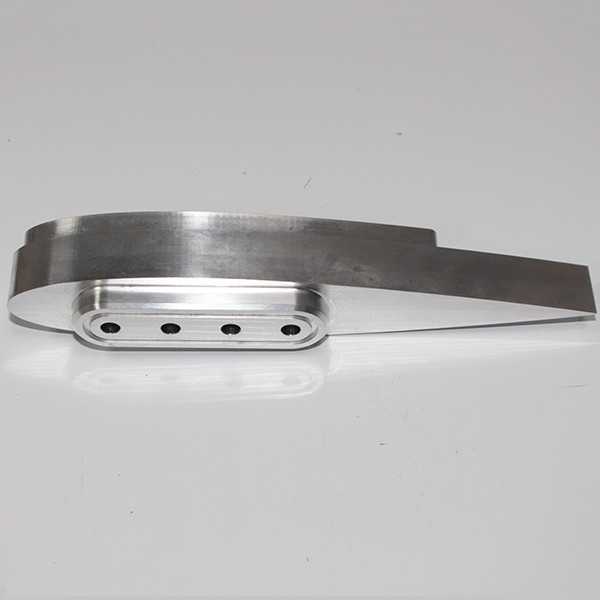
Explore our CNC Milling Parts Gallery to see precision-crafted components manufactured with high accuracy and quality.
Tolerances for CNC Milling
3-Axis | 4-Axis | 5-Axis | |
Maximum Part Size | 3000*1800*800 mm | 850*510*600 mm | 925*1050*600 mm |
Minimum Part Size | 5*5*5 mm | 5*5*5 mm | 5*5*5 mm |
General Tolerances | ± 0.05 mm | ± 0.02 mm | ± 0.01 mm |
Lead Time | Simple parts can be delivered in as little as 1 day. | Most projects are completed within 3 business days. | Most projects are delivered in 3 business days. |
Core Characteristics of Milling Processing
1. Multi-Edge Cutting and Efficiency
-- Milling cutters have multiple cutting edges (e.g., end mills with 4-6 edges), which can participate in cutting simultaneously, sharing the load and improving efficiency (30%-50% higher than single-edge tools).
-- Suitable for large feed rates or high cutting speed machining, such as surface milling with a cutting depth of up to 5-10mm.
2. Intermittent Cutting and Impact Vibration
-- The cutter teeth engage and disengage from the workpiece periodically, causing fluctuations in cutting force, requiring machines with good rigidity (e.g., heavy-duty milling machines) to ensure precision.
-- Intermittent cutting facilitates tool cooling and extends tool life, but durable tool materials (e.g., carbide) must be used.
3. Process Flexibility-- By changing tools (e.g., face mills, T-slot mills), it can process complex features such as flat surfaces, grooves, gears, and curved surfaces.
-- Supports multi-axis linkage (e.g., five-axis milling) to achieve machining of three-dimensional complex profiles (e.g., mold cavities).4. Controllable Surface Quality-- Adjusting cutting parameters (e.g., feed rate, speed) can control surface roughness (Ra 0.8-12.5μm).
-- End mills' secondary cutting edges can polish surfaces with roughness down to Ra 0.4μm.Range of Milling Processing
1. Basic Processing-- Flat/Step Surfaces: Face mills (end mills) process large flat surfaces, three-edge mills process steps.
-- Grooves/Keys: End mills mill straight grooves, keyway cutters process key slots (accuracy IT8-IT9).2. Complex Feature Processing
-- Gears/Threads: Modular shaped end mills process gears, thread mills process threads.
-- Cavities/Molds: Ball end mills process three-dimensional curves (e.g., injection molds).
2. Special Processing
-- Cutting/Indexing: Saw blades mill cut workpieces, dividing heads achieve evenly spaced holes/teeth.
-- Special-Shaped Slots: Dove-tail milling cutters and T-slot mills process specific connection structures.Typical Application Scenarios
-- Automotive Manufacturing: Milling flat surfaces of engine blocks, processing gear case shells.
-- Aerospace: Frameworks of fuselages, structural components of landing gear.
-- Electronics: Mounting slots for circuit boards, arrays of heat sink fins.
Comparison with Other
ProcessesTurning:
Suitable for rotating parts (e.g., shafts), milling is better for polyhedral/complex profiles.
Drilling:
Milling can replace some drilling operations (e.g., large diameter holes) but with higher precision.
40px
80px
80px
80px