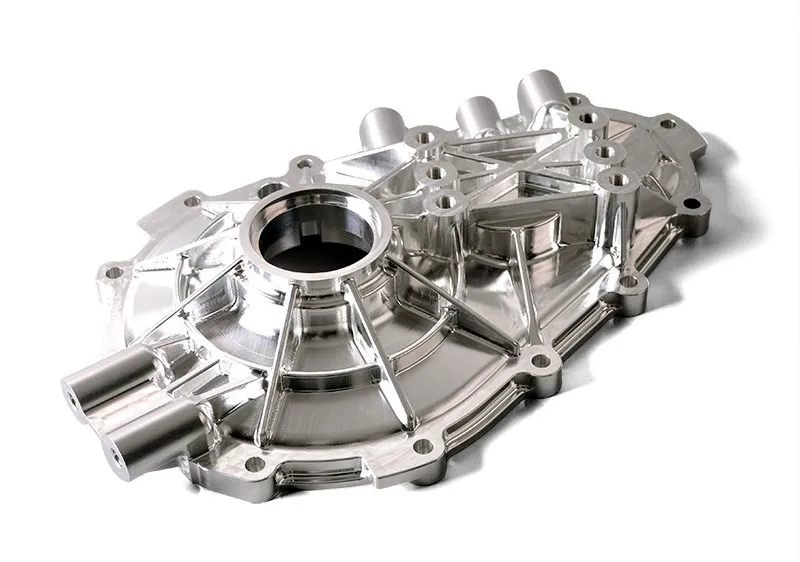
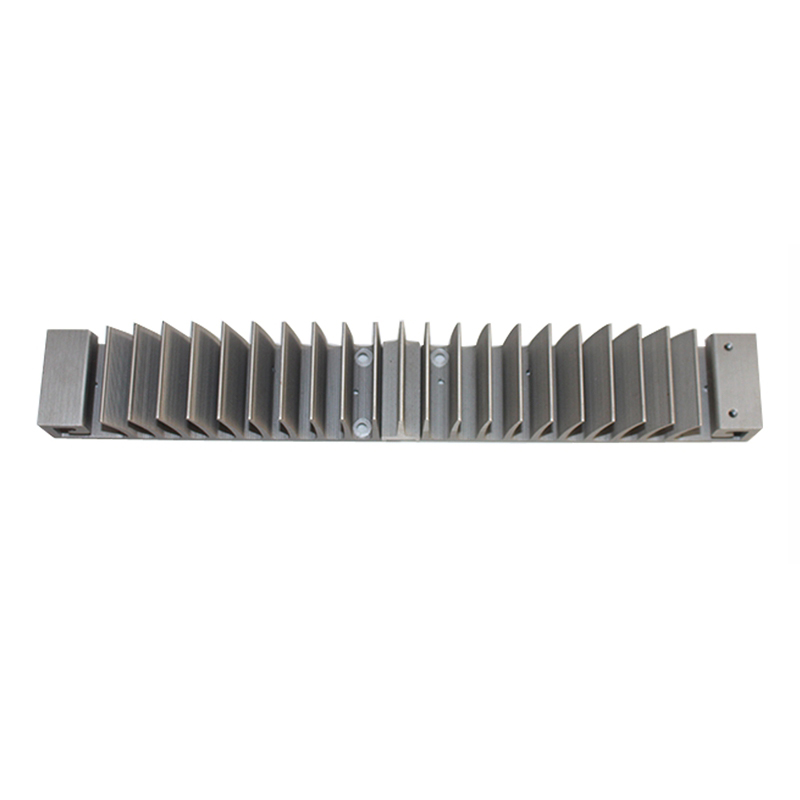
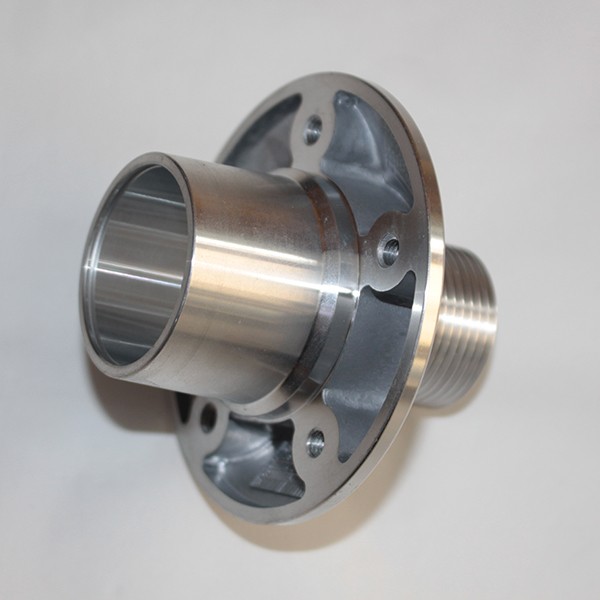
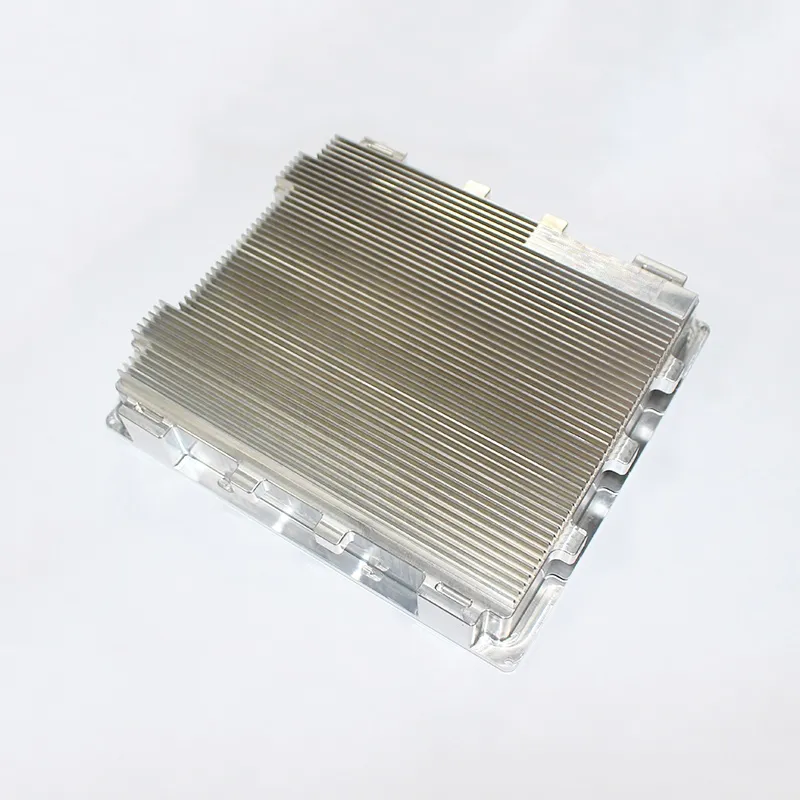
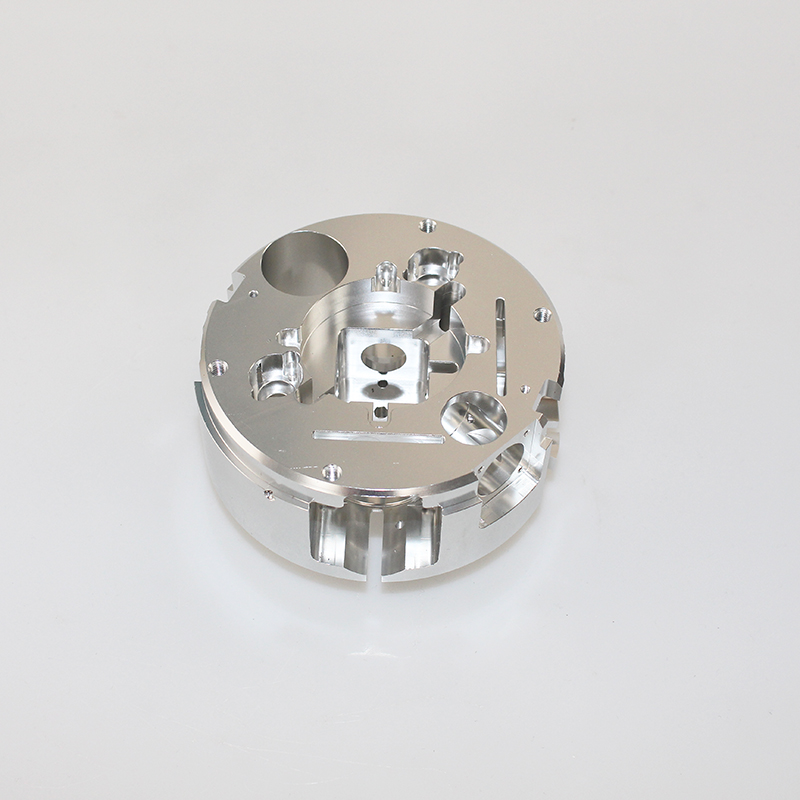
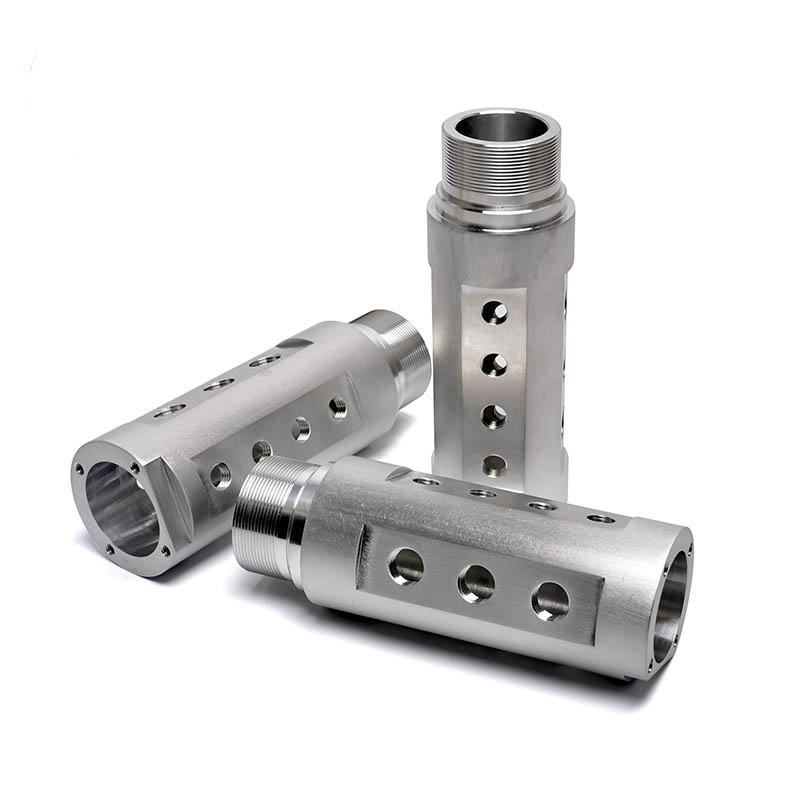
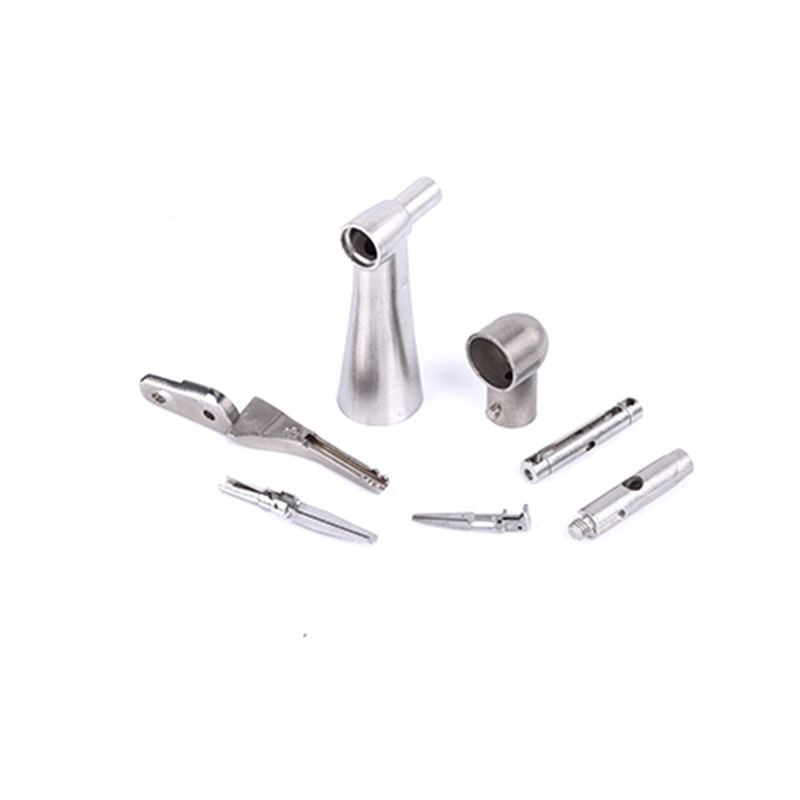
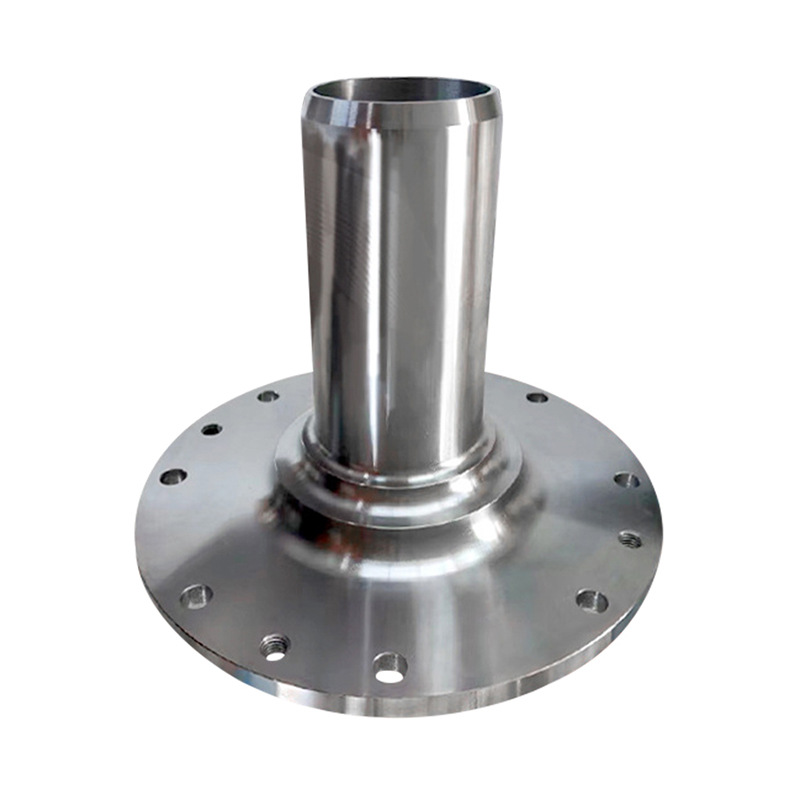

In custom manufacturing, nearly 80% of CNC machining costs are determined during the initial design phase. Many R&D engineers may incorporate designs that significantly increase machining complexity without substantially impacting the part's functionality during the drafting process.
As a precision CNC machining workshop, we firmly believe that cost-effectiveness begins in the design phase. The following 5 practical Design for Manufacturing (DFM) tips can help you optimize part design, streamline CNC machining processes, and significantly save on your budget.
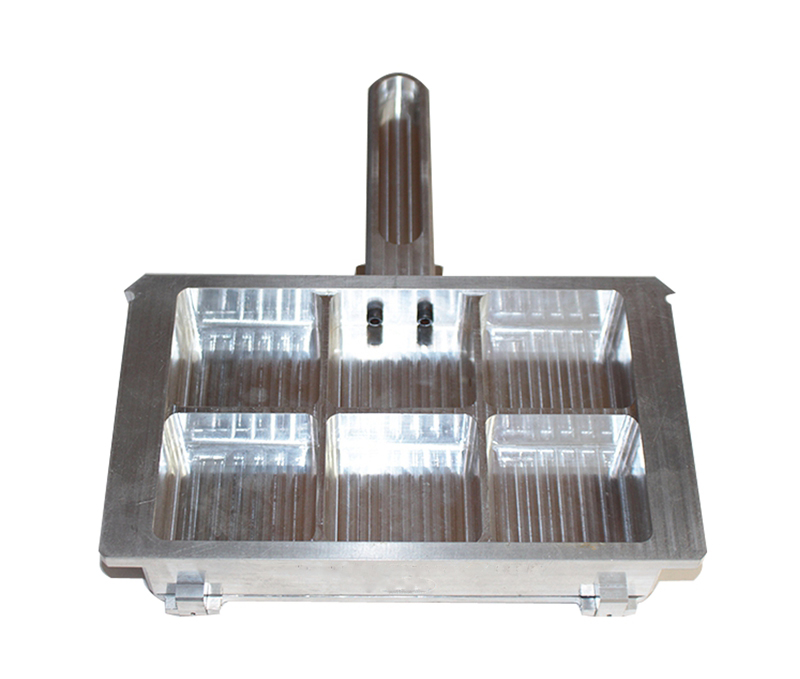
1. Avoid Sharp Internal Corners
Cost Driver: Because CNC machining services rely on cylindrical rotary tools, it is geometrically impossible to mill a perfect 90° internal angle. Forcing it requires micro-tools, electrical discharge machining (EDM), or multiple slow feeds—all of which increase your CNC machining costs.
DFM Solution: Always design internal corner radii larger than the tool radius. Ideally, the internal corner radius should be at least 1.3 times the target CNC milling cutter radius.
2. Limit the matching of cavity depth with CNC cutting tools.
Cost driver: Deep cavities require extra-long end mills. However, long tools are prone to deflection and vibration (chatter) during high-speed CNC machining. To maintain tight tolerances, feed rates must be significantly reduced, which lengthens CNC machining cycles.
DFM solution: Keep the depth of any cavity or groove within 4 times its width/diameter. If your project requires deeper cavities, consider breaking down the complex block into two simpler sub-components that can be bolted or welded together after machining.
3. Specify tight tolerances only in critical cases.
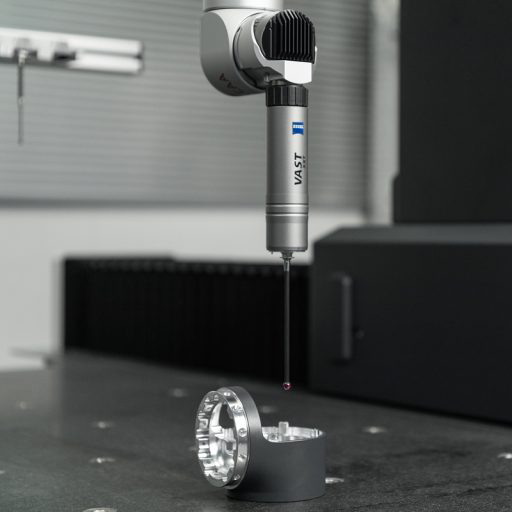
Cost driver: Excessive tolerance requirements are a major hidden cost in precision CNC machining. Standardizing tolerances for non-critical dimensions to ±0.01 mm forces the workshop to slow down, perform frequent coordinate measuring machines (CMMs), and use specialized precision grinding tools. This significantly increases scrap rates and production costs.
Design for Manufacturing (DFM) Solution: Reserve tight tolerances only for critical mating areas such as bearing housings or locating pins. For structural or surface finishes, adhere to standard industrial tolerances, such as ISO 2768-m, which are faster and more cost-effective to achieve on standard CNC lathes or milling machines.
4. Optimize Blind Hole Thread Depth
Cost Driver: There is a common misconception that deeper threads provide stronger grip. In reality, the first 3 to 4 threads bear more than 80% of the load. Designing overly deep threaded holes increases the difficulty of chip removal during CNC tapping, significantly increasing the risk of tap breakage and part damage.
DFM Solution: For standard materials, the effective thread length should be limited to 1.5 to 2 times the nominal diameter. Ensure that unthreaded pilot holes extend at least 0.5 times beyond the thread to provide sufficient clearance for the tapping tool.
5. Reduce Machine Tool Clamping Times
Cost Driver: Each time a workpiece needs to be rotated or flipped to machine features on different surfaces, a new manual clamping is required. Multiple clamping operations consume time and can introduce fixture alignment errors, thus increasing the final CNC machining quote.
DFM Solution: Align all machining features (holes, grooves, slots) on a single face, or as few faces as possible. For complex geometries, find suppliers equipped with advanced multi-axis machining capabilities. Utilizing four-axis and five-axis CNC machining centers, multi-face machining can be completed in a single clamping, significantly reducing machining costs.
Why Choose Us as Your Partner for Your Next Project?
With us, cost reduction is a collaborative process. We don't just execute your drawings; we optimize them. Every quote request our team receives undergoes a comprehensive CNC machining DFM (Design for Manufacturing) review. If our engineering team finds small changes that can save 20% on raw materials or reduce CNC machining time by 30%, we will proactively suggest these solutions to you.
Ready to optimize your next production batch? Send your STEP, IGS, or DXF files to our team today for a fast, competitive CNC machining quote and professional engineering feedback!