

40px
80px
80px
80px
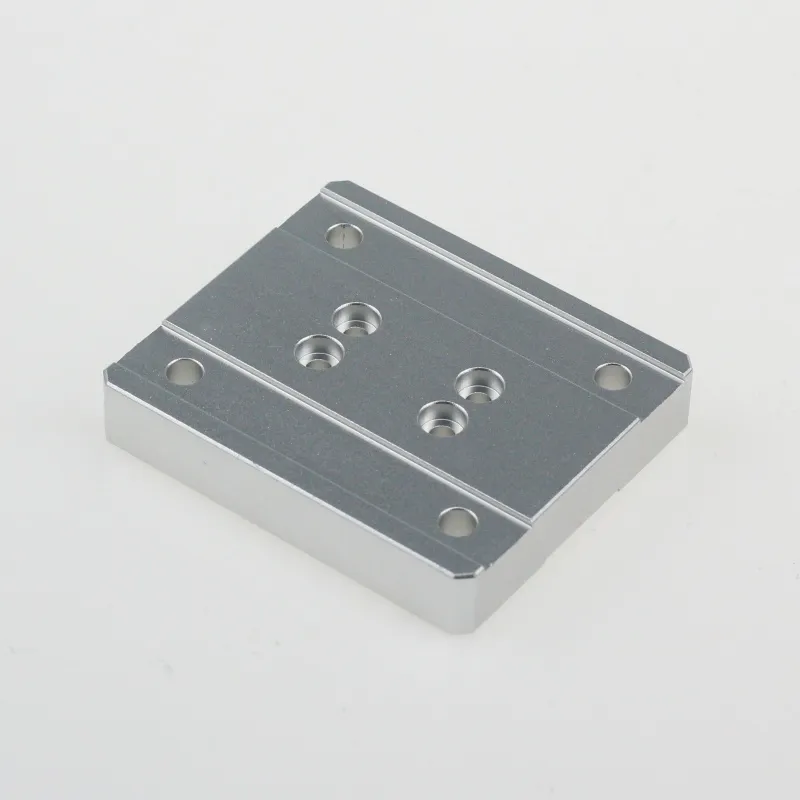
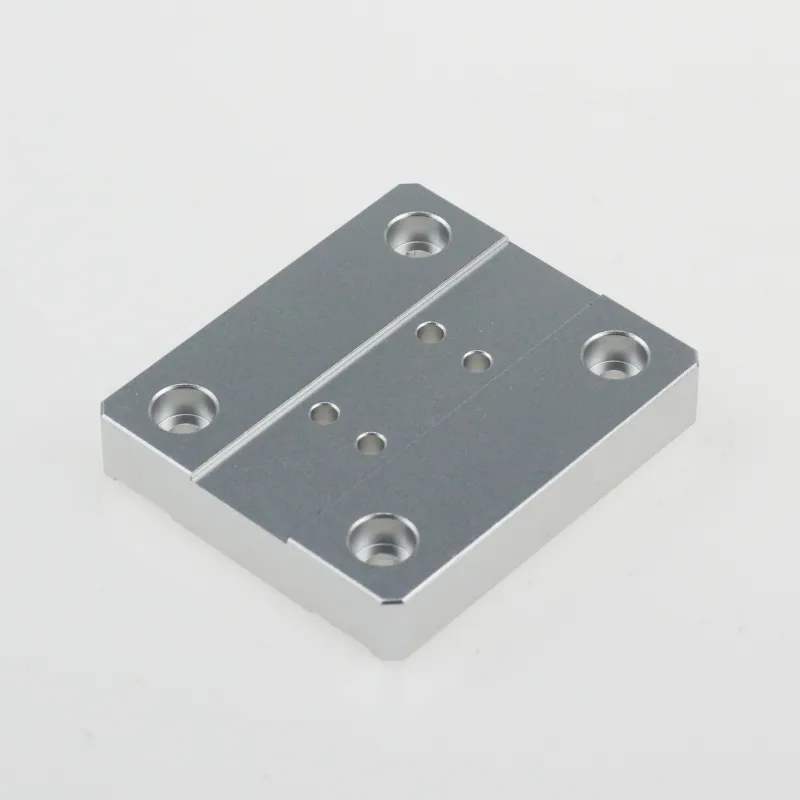
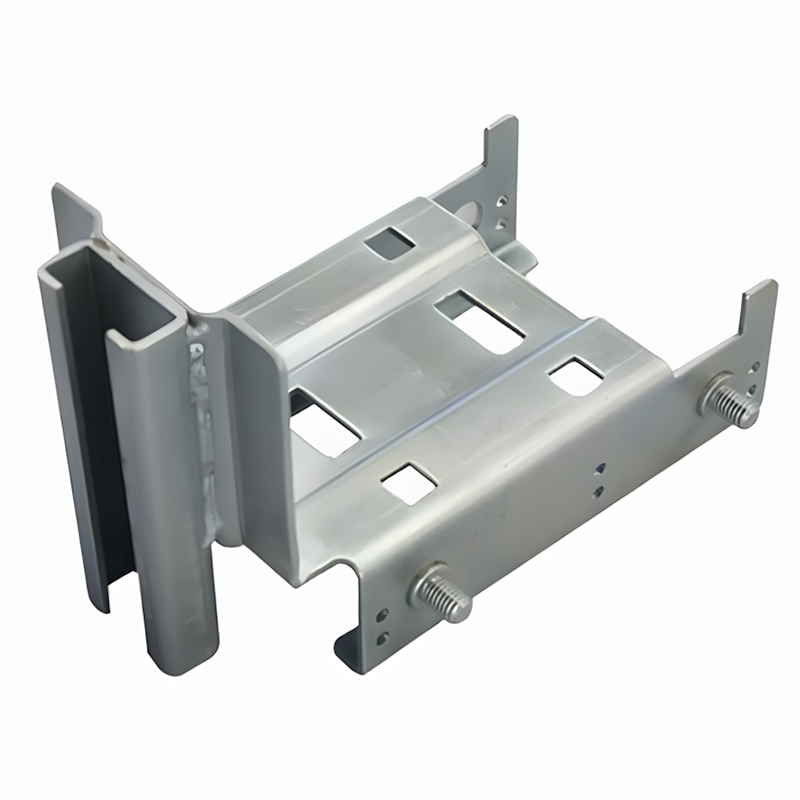
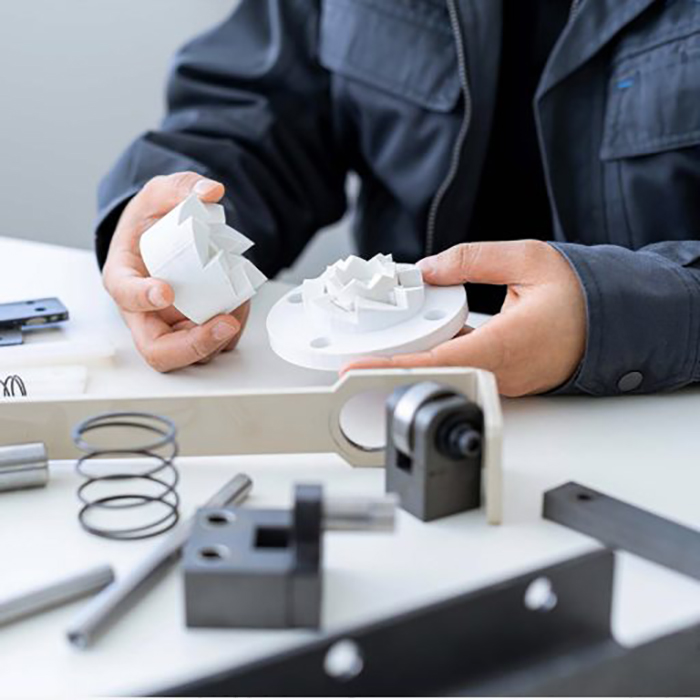
Technology and Application of Fixed Support Fixtures and Fixtures in CNC Milling:
1. Core Functions and Categories
--Positioning: Ensures workpieces are properly secured on the machine tool to meet surface accuracy requirements.
-Clamping: Provides stable clamping force through mechanical/pneumatic means to prevent machining vibration.
Main Types:
-General-purpose fixtures (e.g., vises, clamps)
-Specialized fixtures (designed for specific parts)
-Modular fixtures (quickly reconfigurable)
-Pneumatic fixtures (quick clamping/release)
2. Typical Application Scenarios
-Heavy-Duty Machining: Use side fixtures such as toad clamps to prevent workpiece warping.
-Multi-Station Machining: Use OK fixtures for rapid positioning of batch parts.
-Precision Machining: Zero-point positioning systems ensure repeatability of ±0.003mm.
3. Technical Parameters and Selection
—Clamping Force: Pneumatic clamps typically provide a clamping force of 500-2000N
—Precision Requirements: High-precision clamps must maintain a positioning accuracy of ±0.01mm.
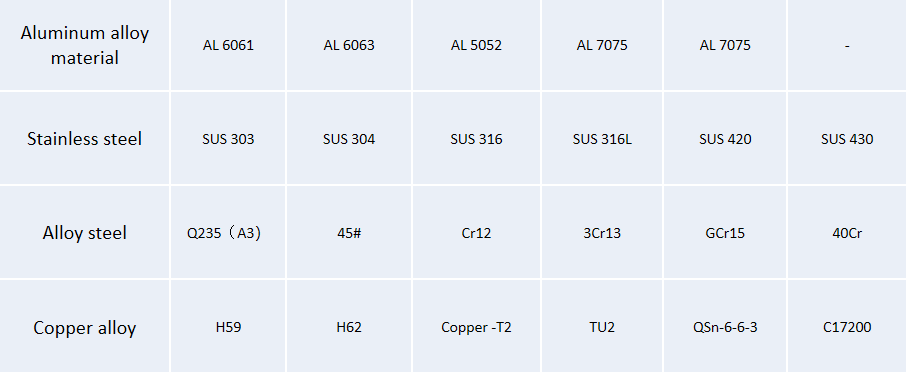
Product attributes
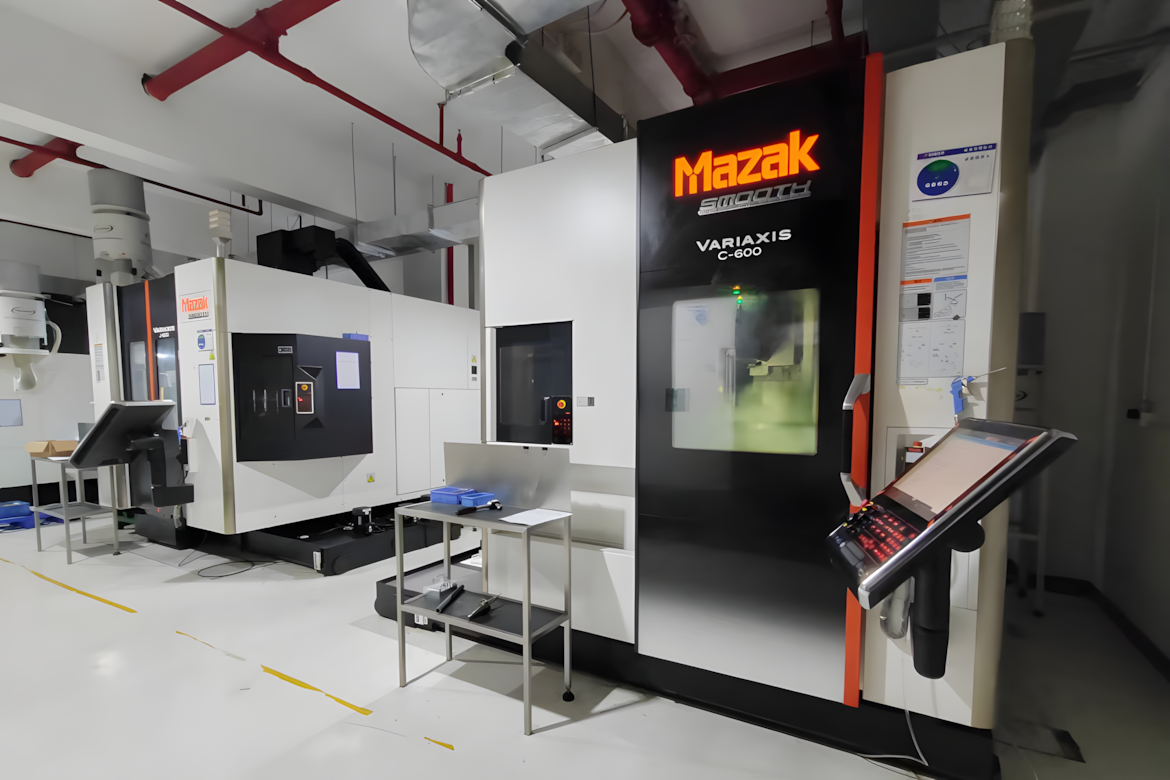
CNC workshop
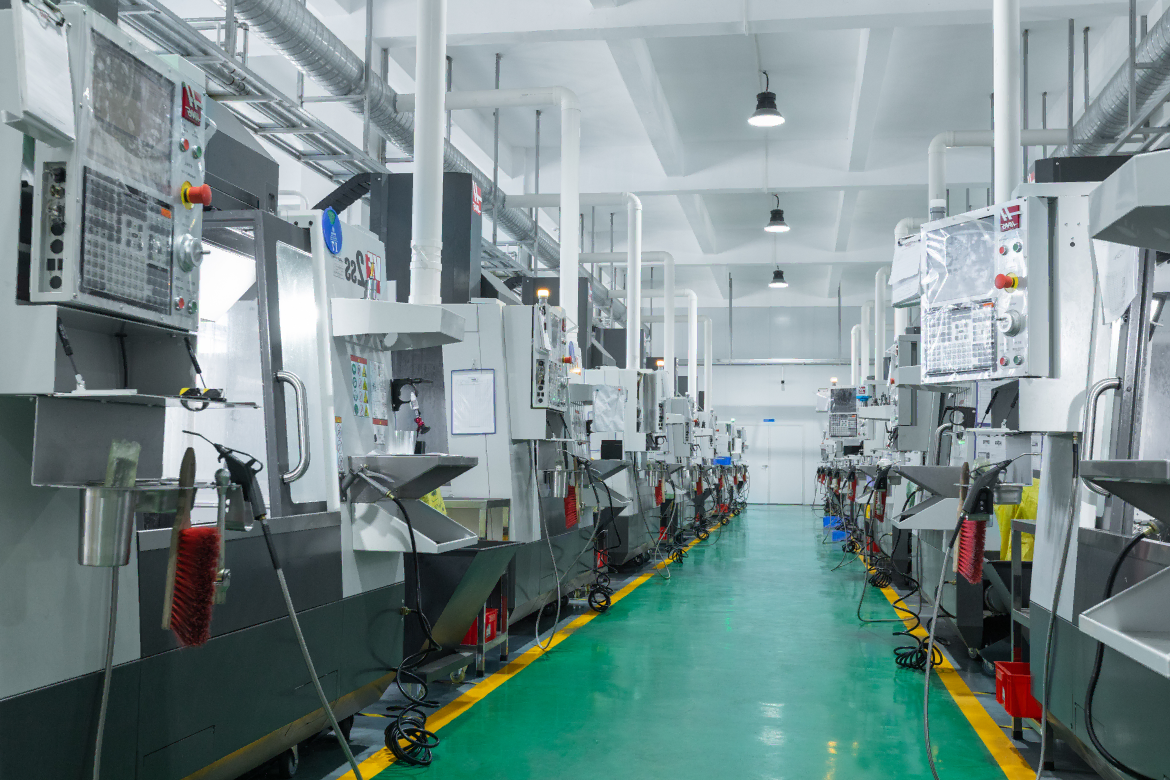
CNC workshop
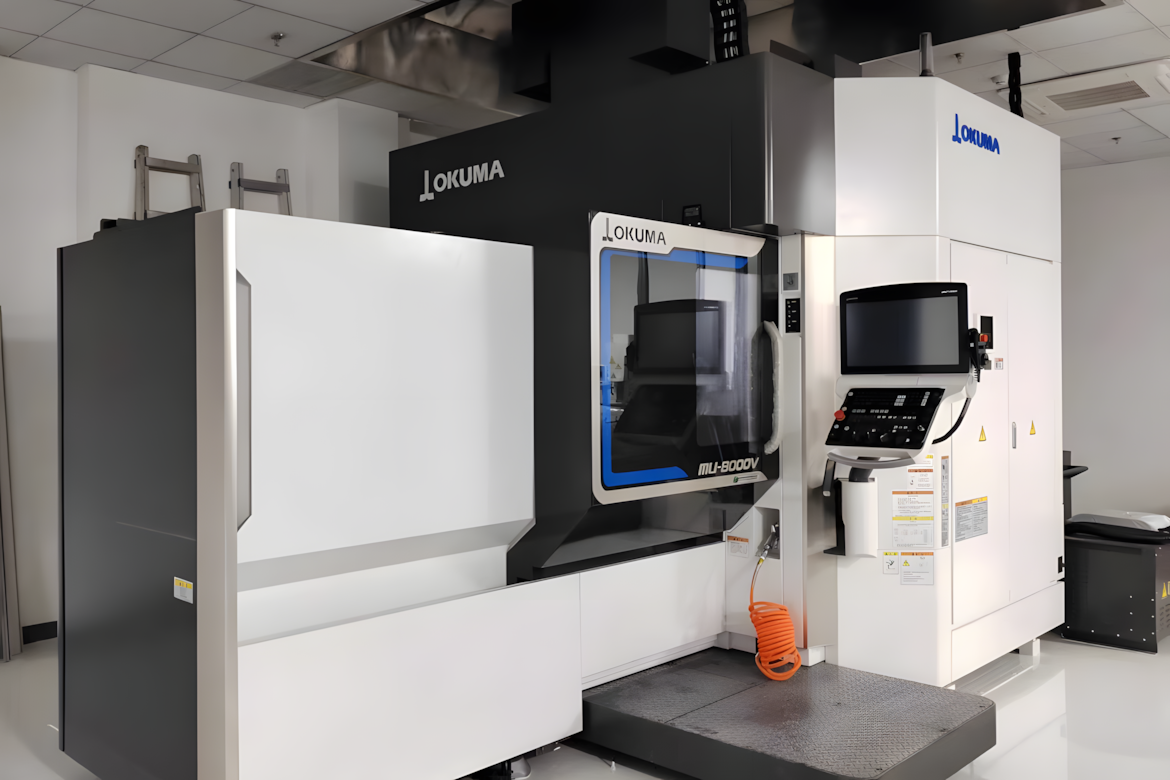
CNC workshop
CNC workshop
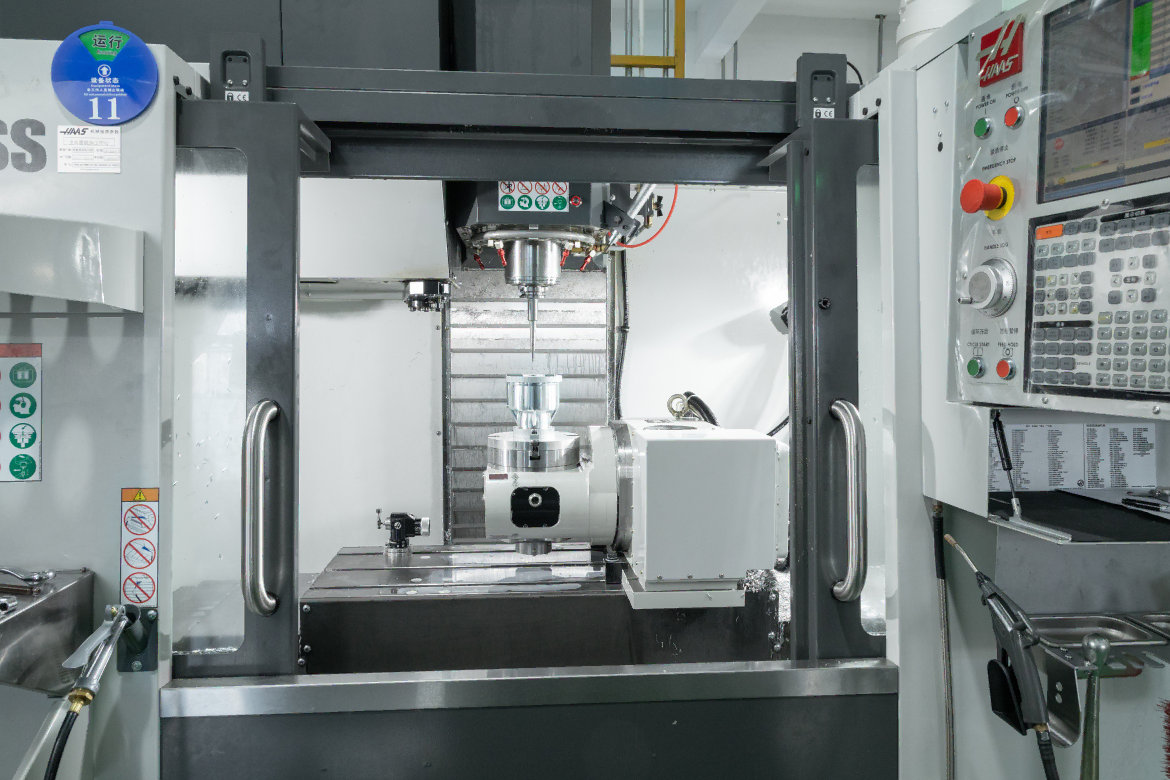
CNC workshop
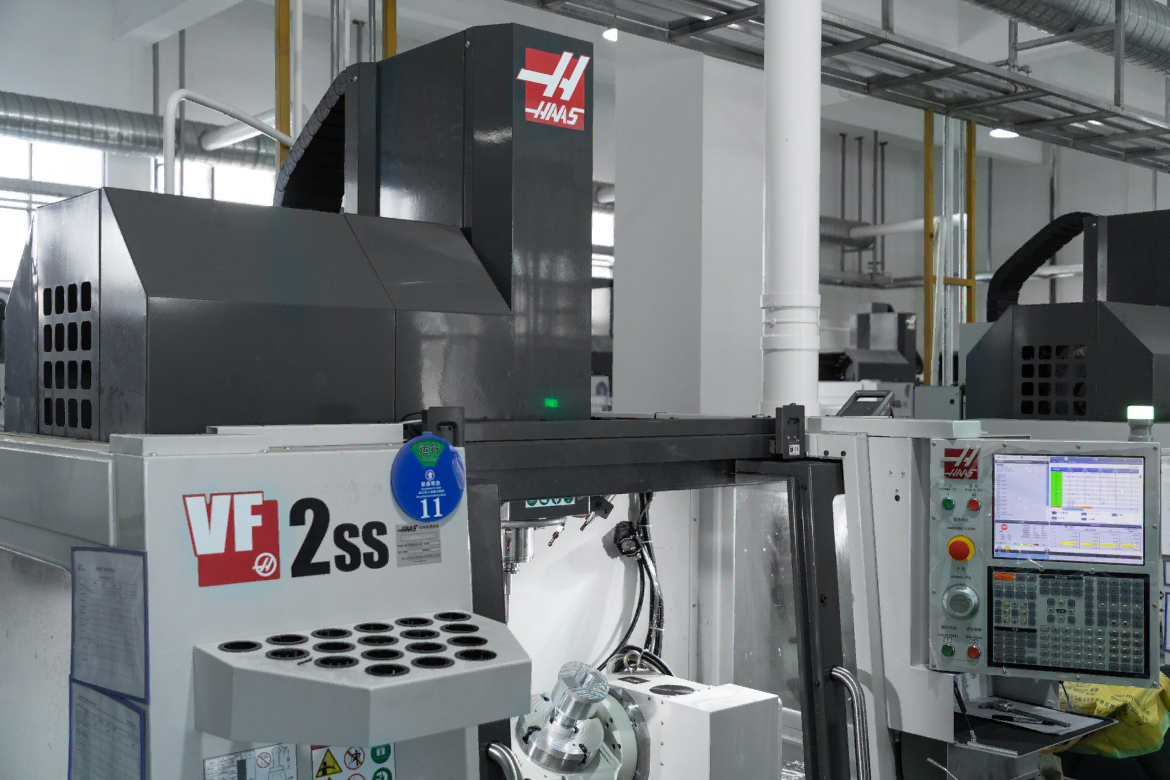
CNC workshop
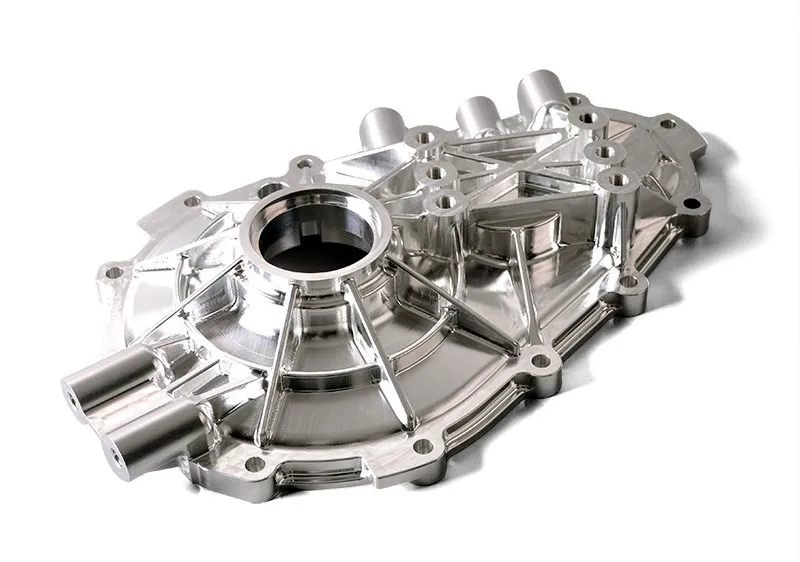
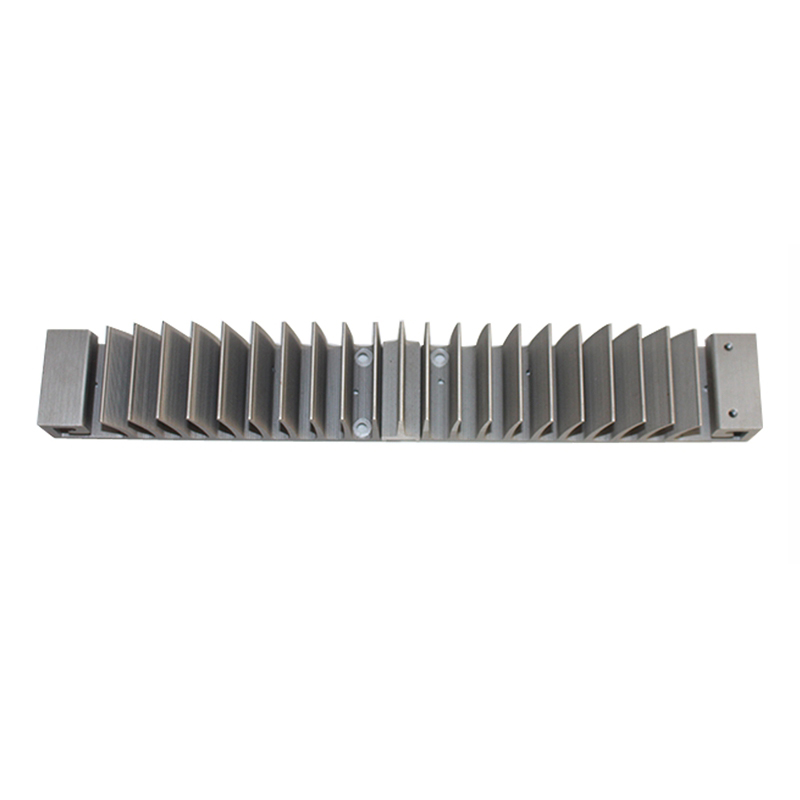
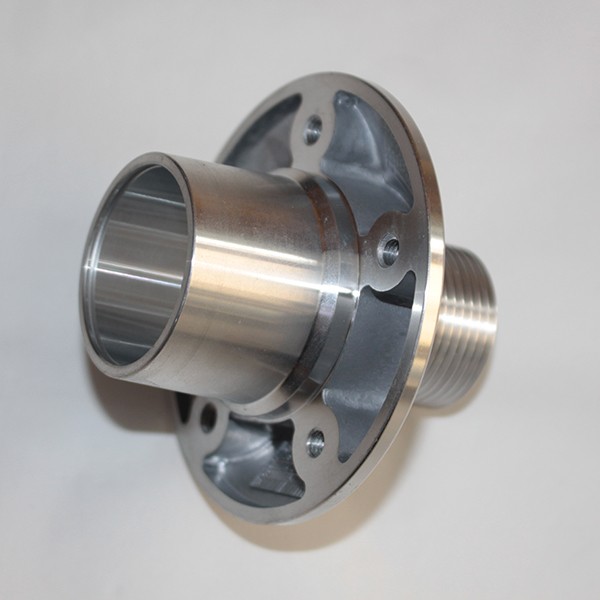
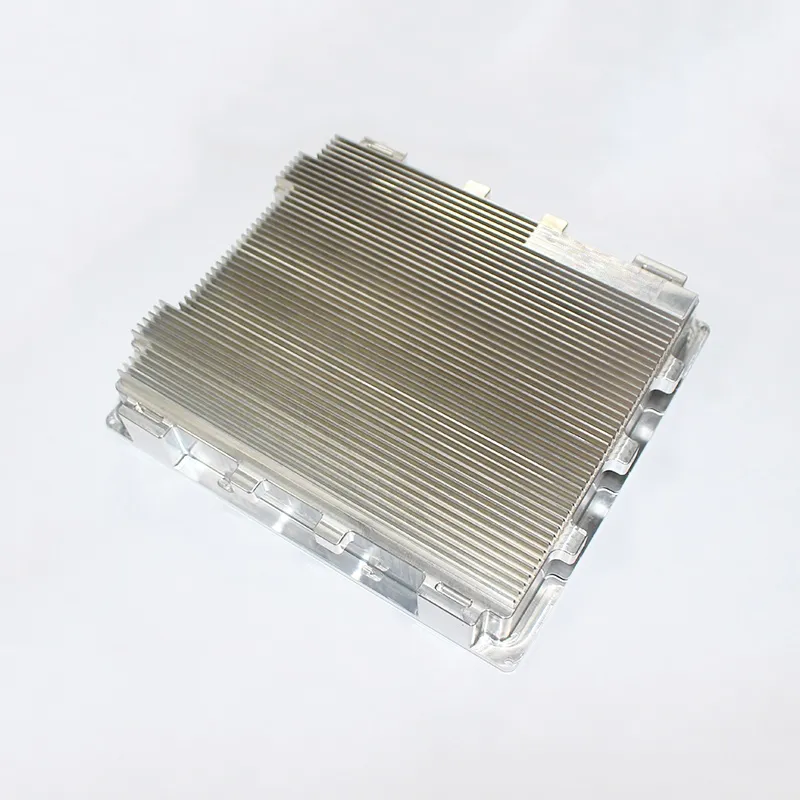
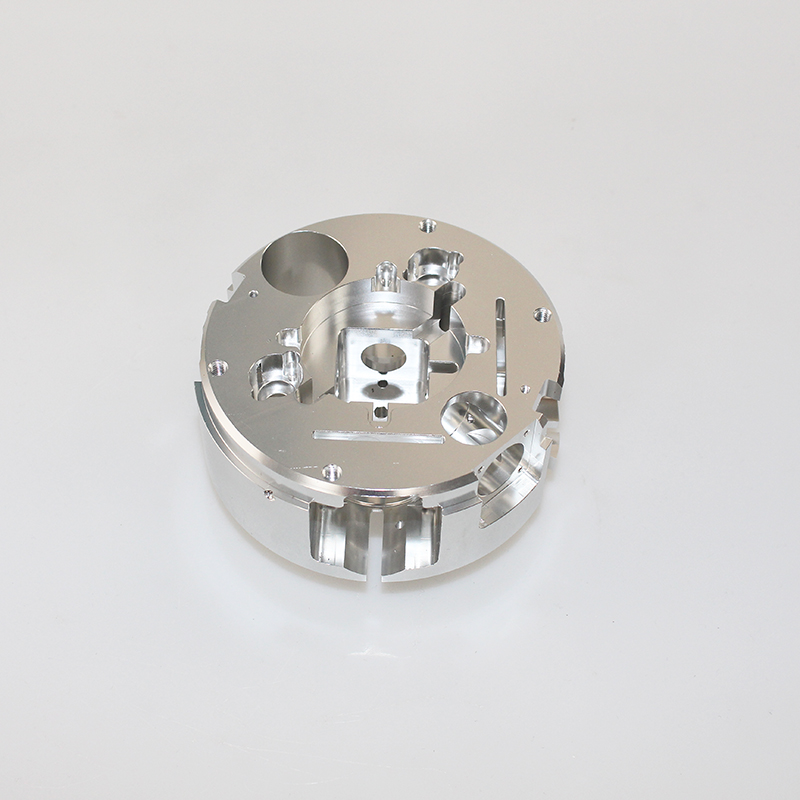
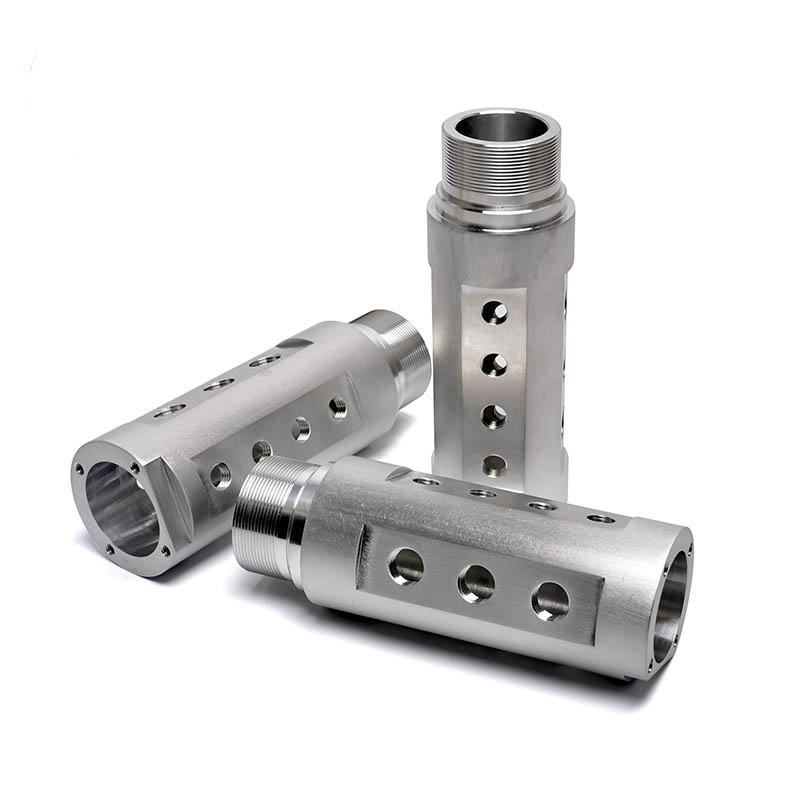
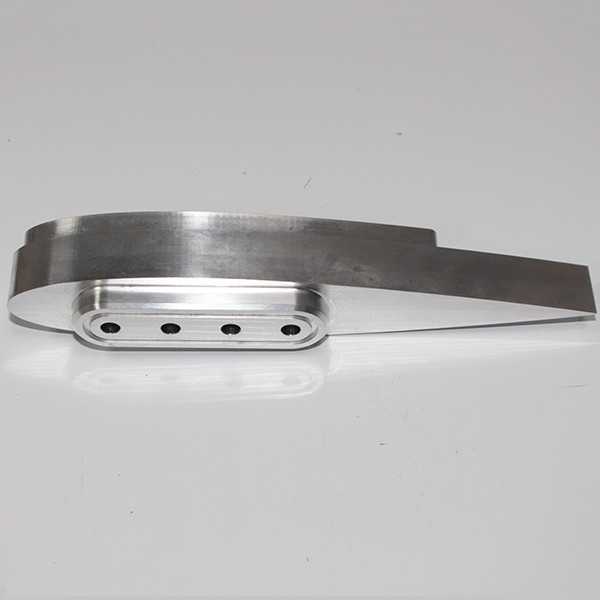
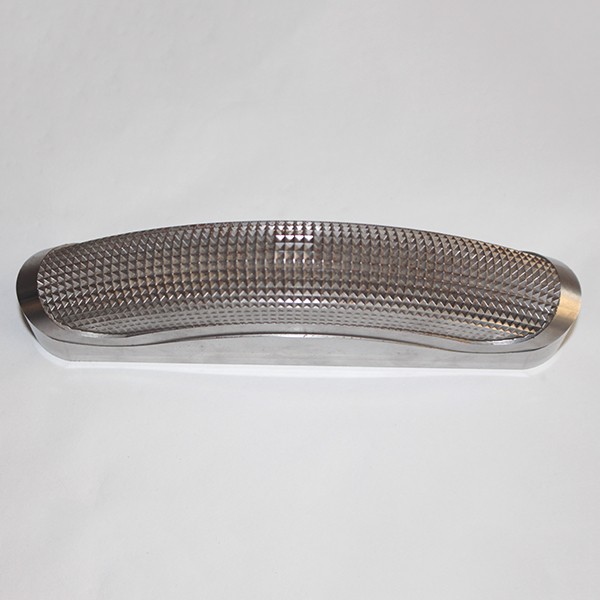
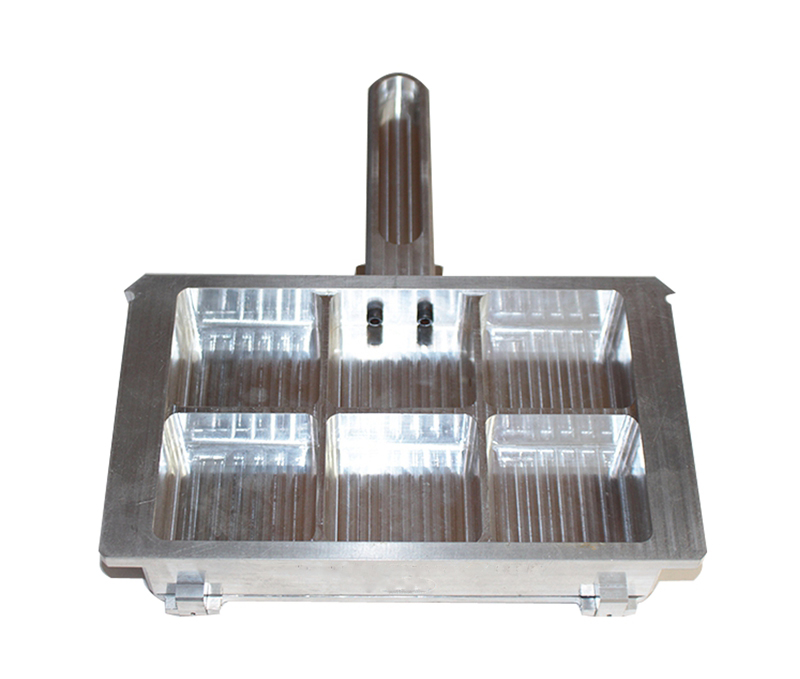
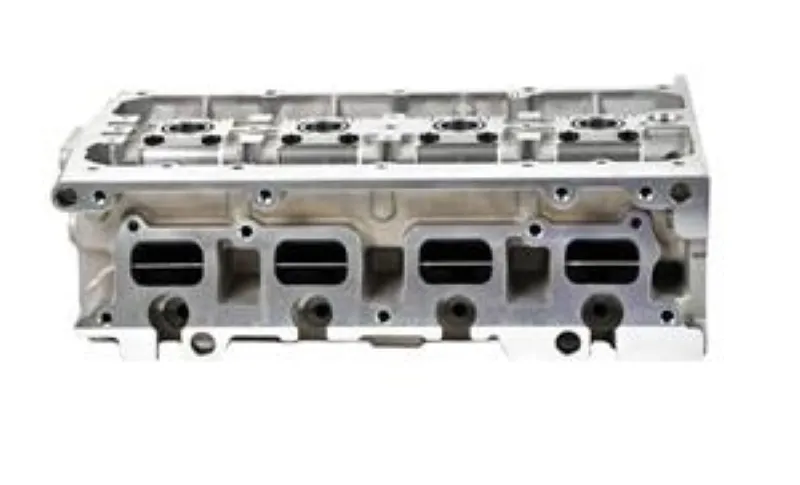
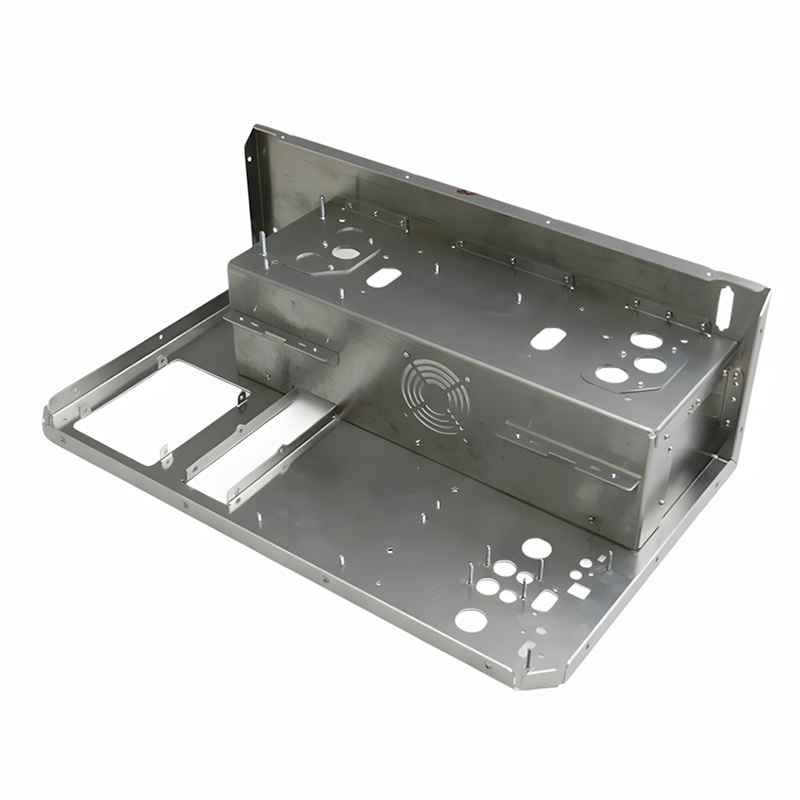
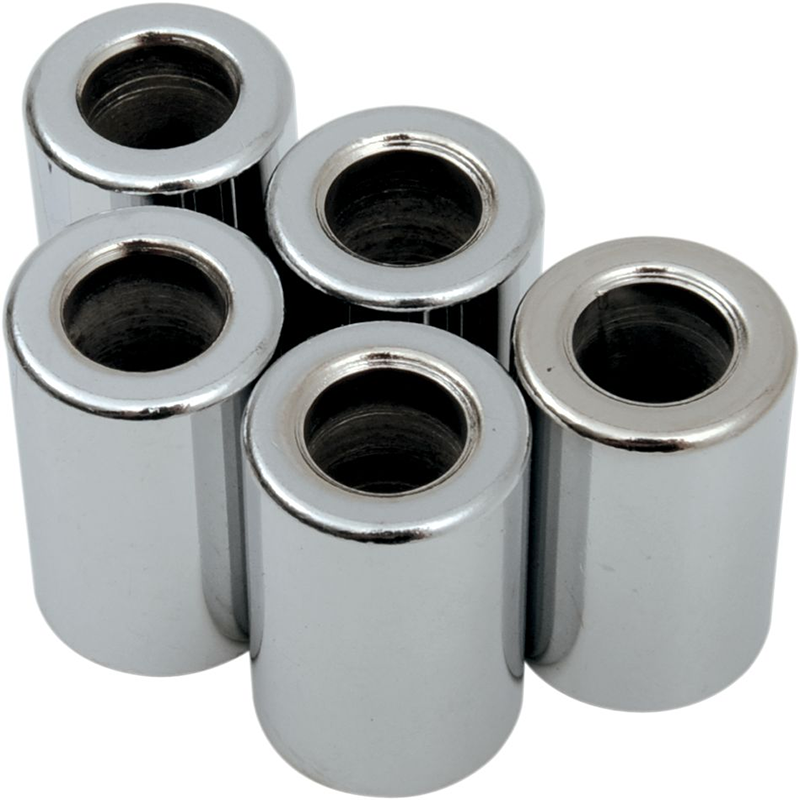
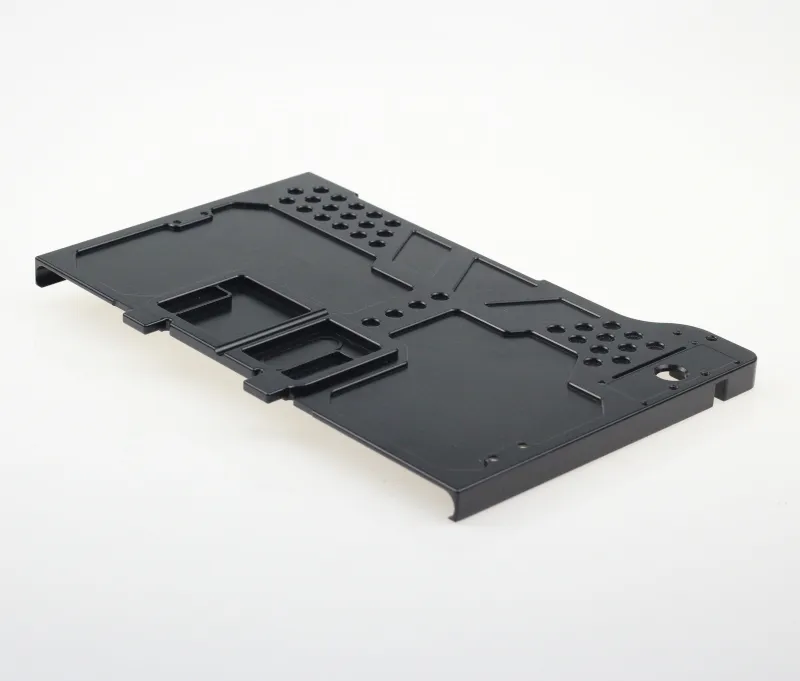
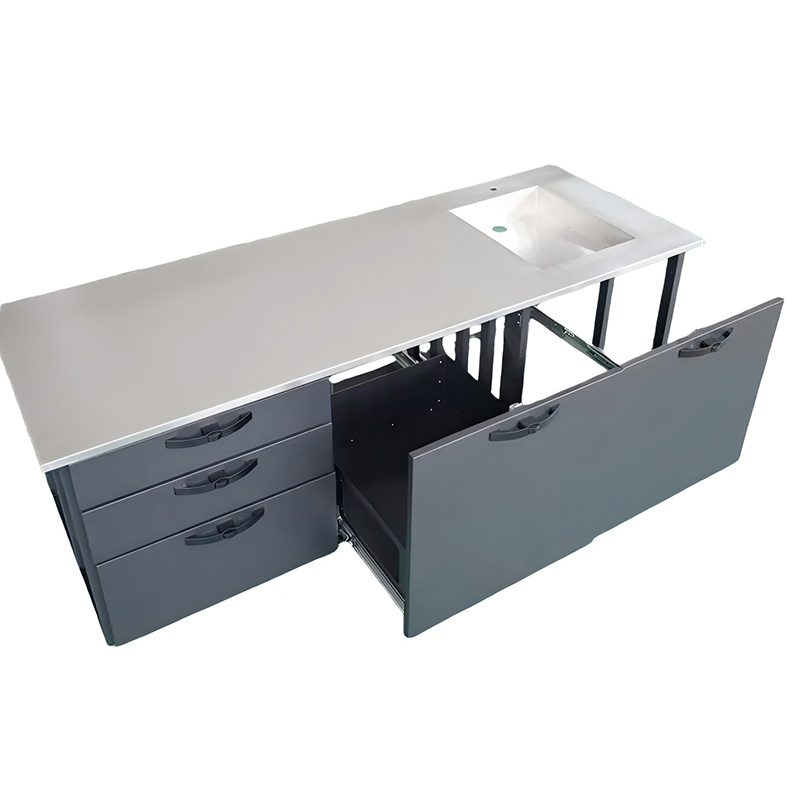
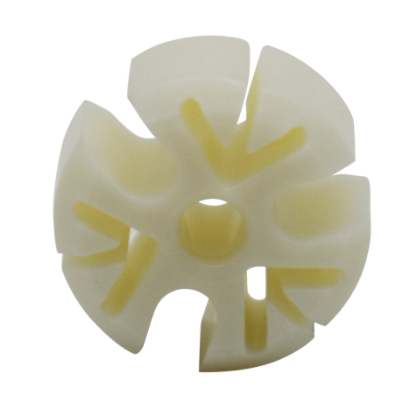
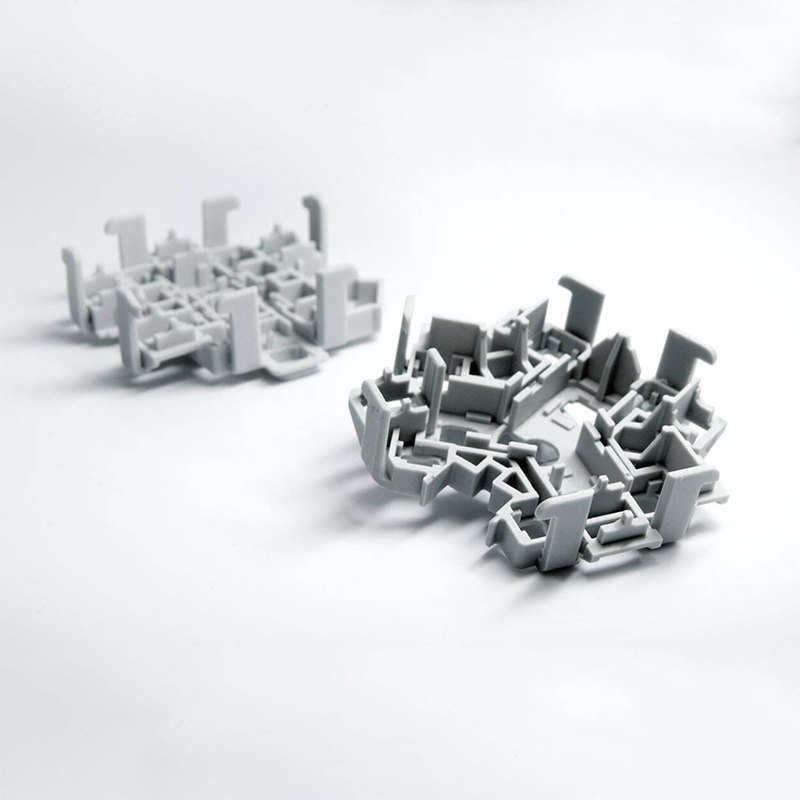
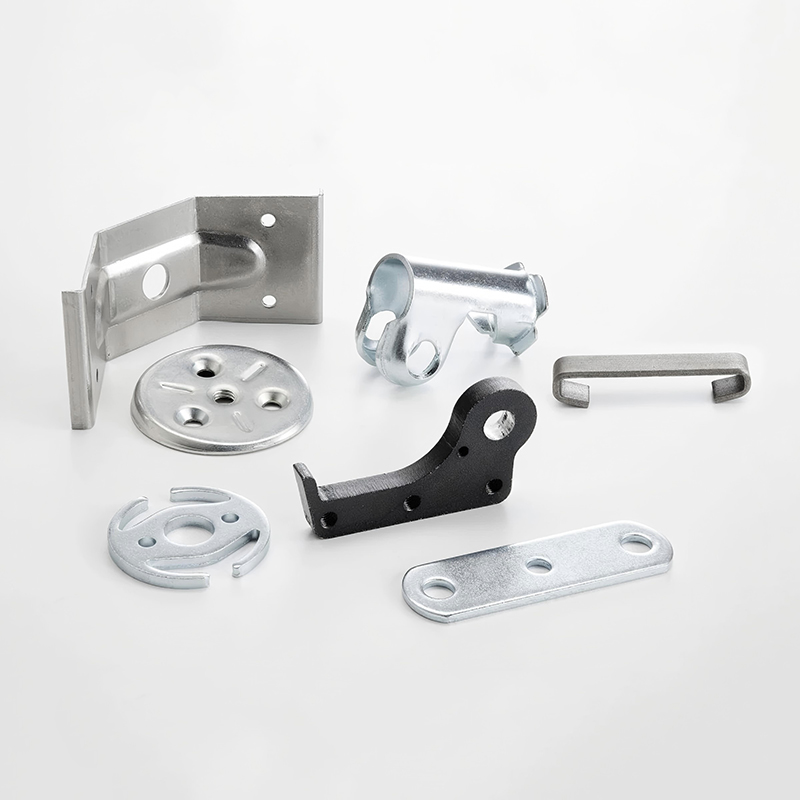
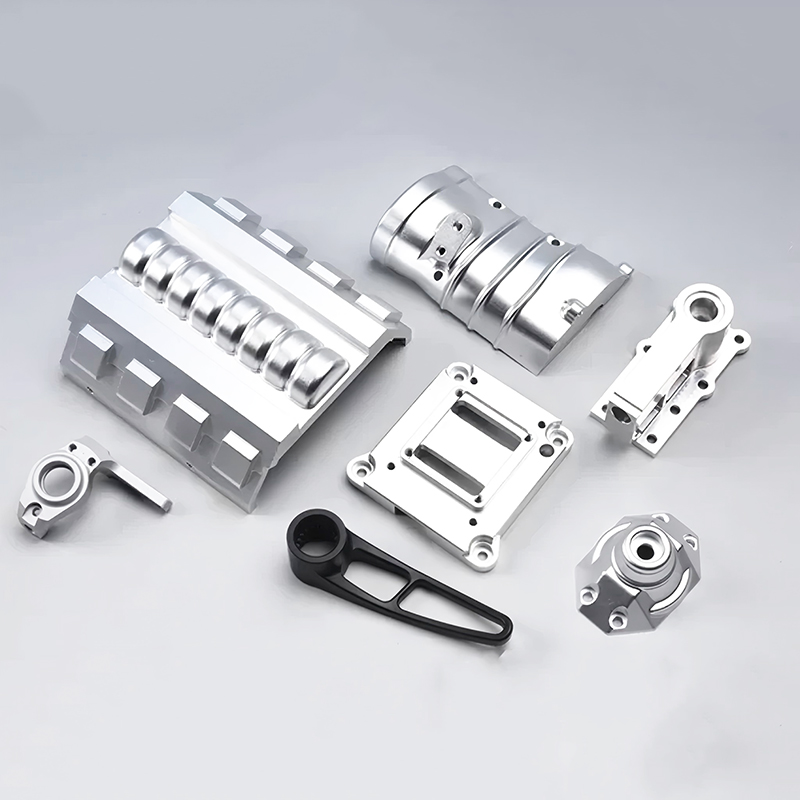
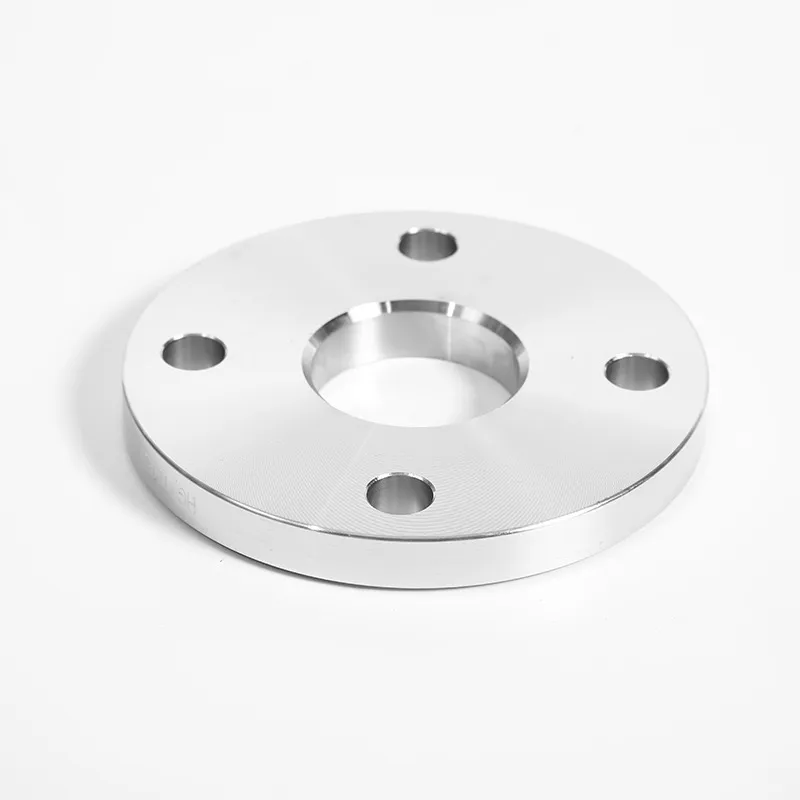
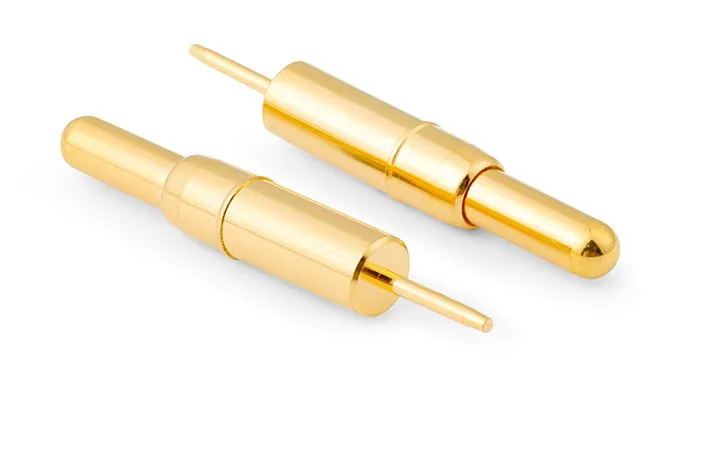
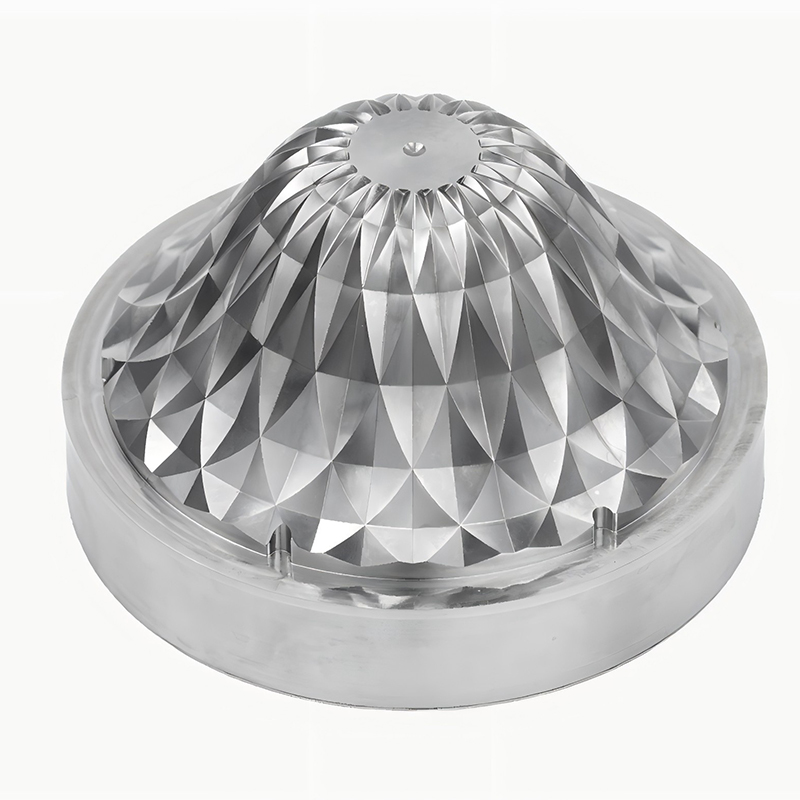
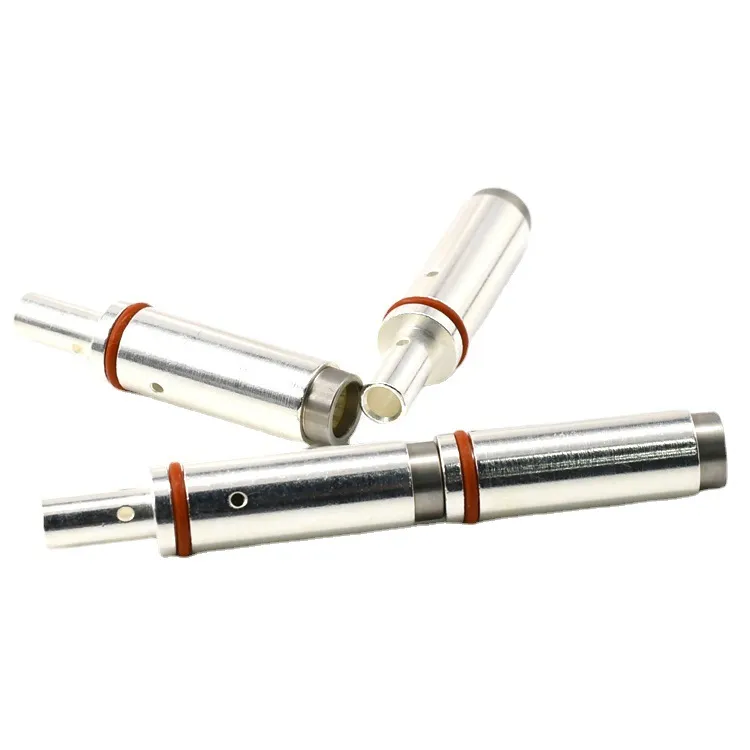
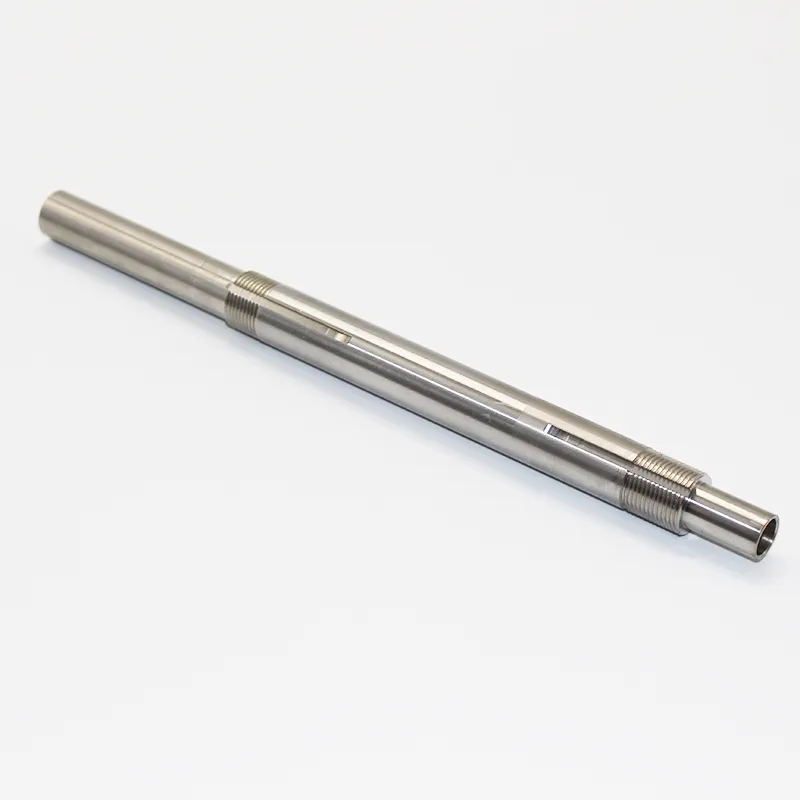
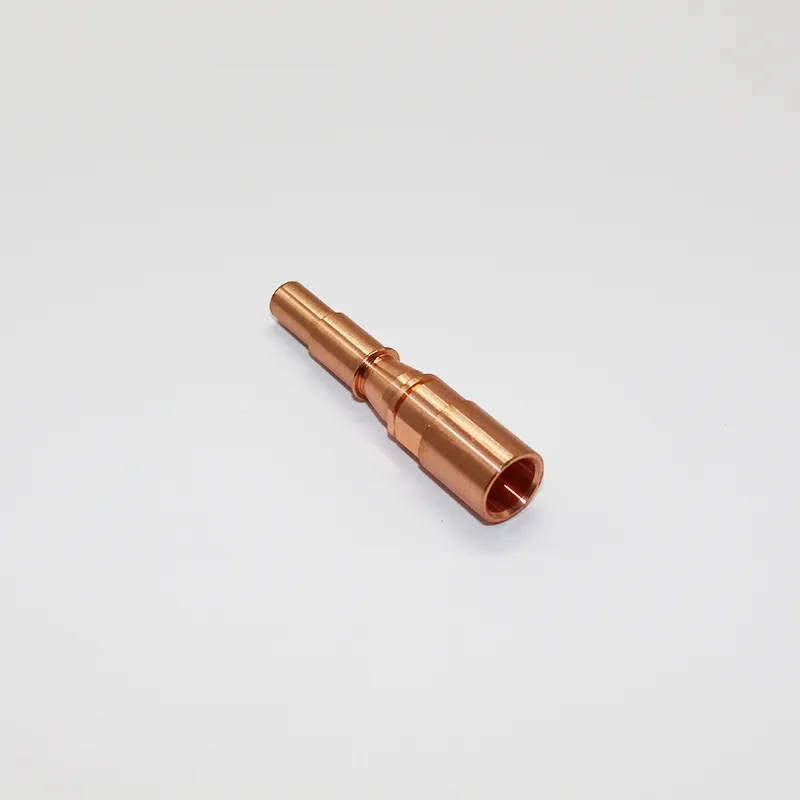
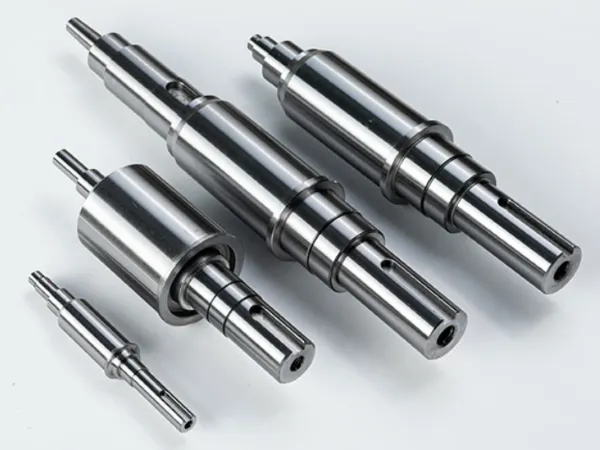
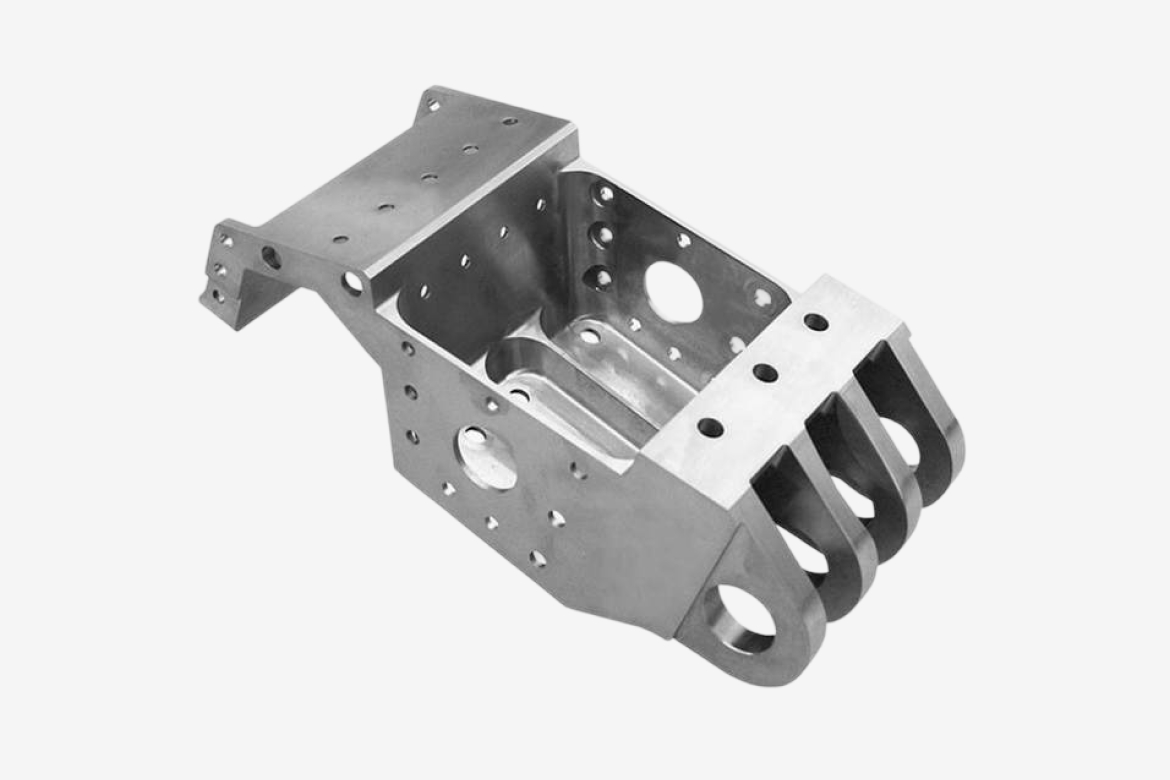
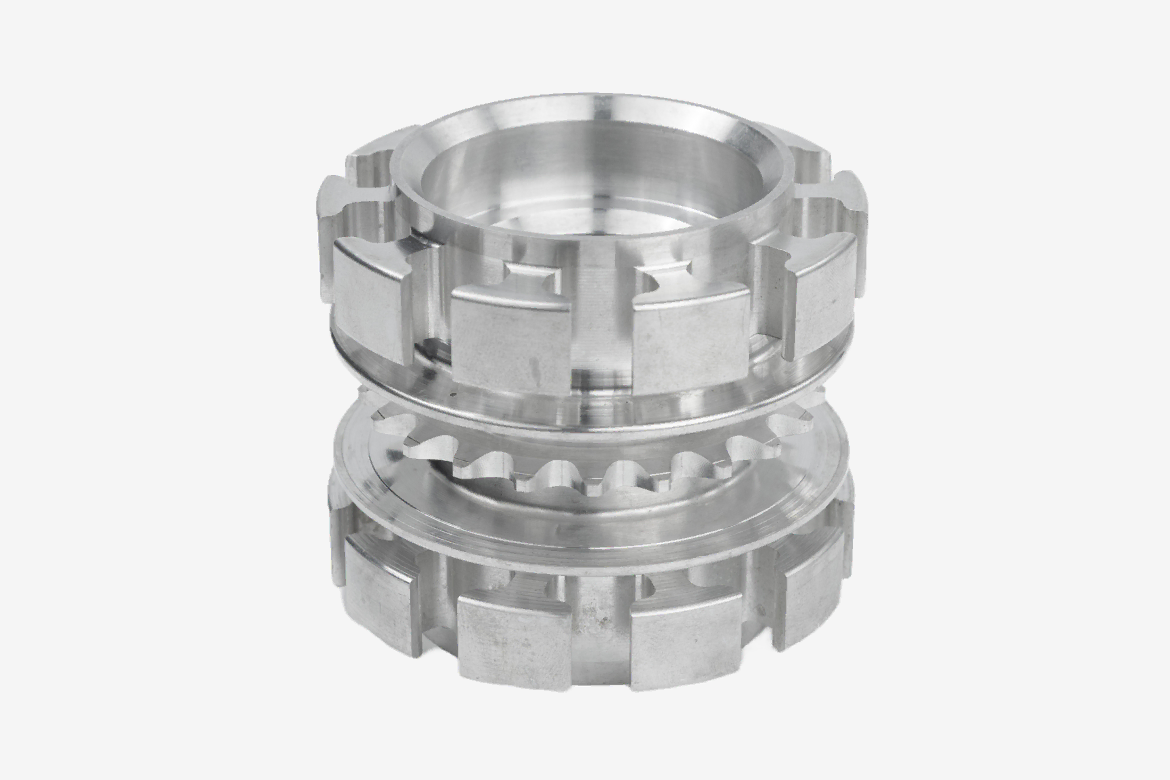
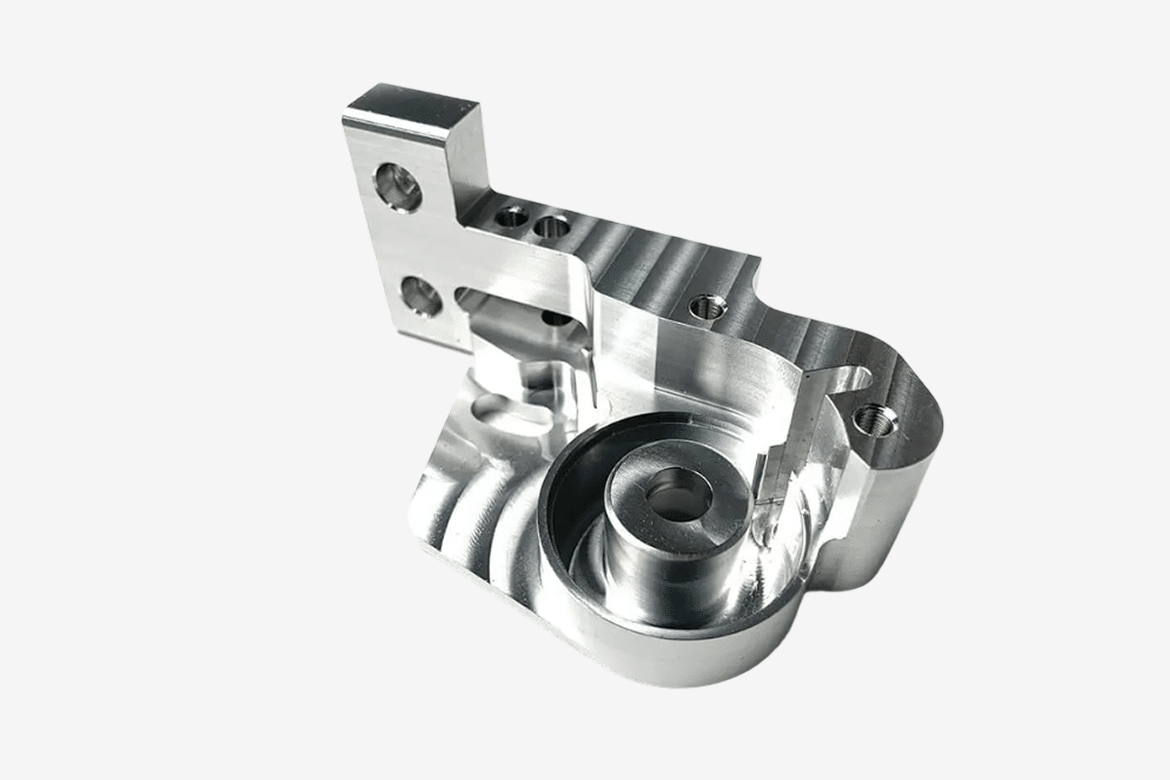
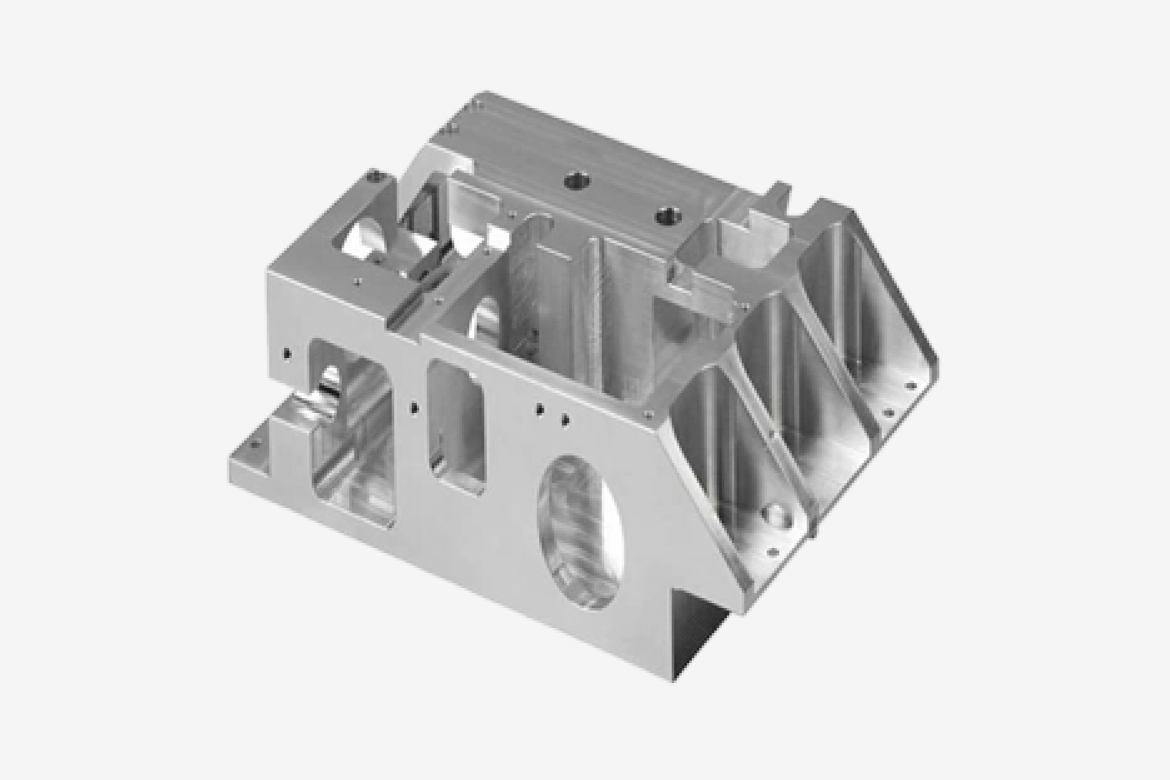
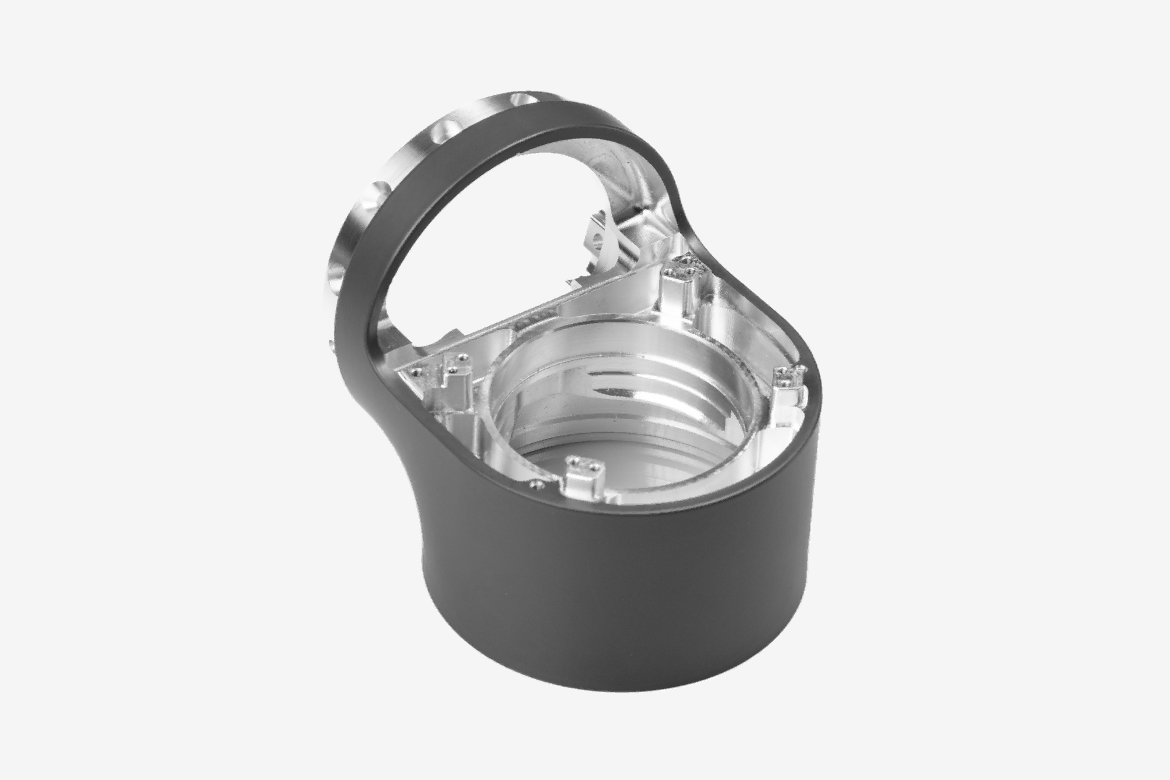
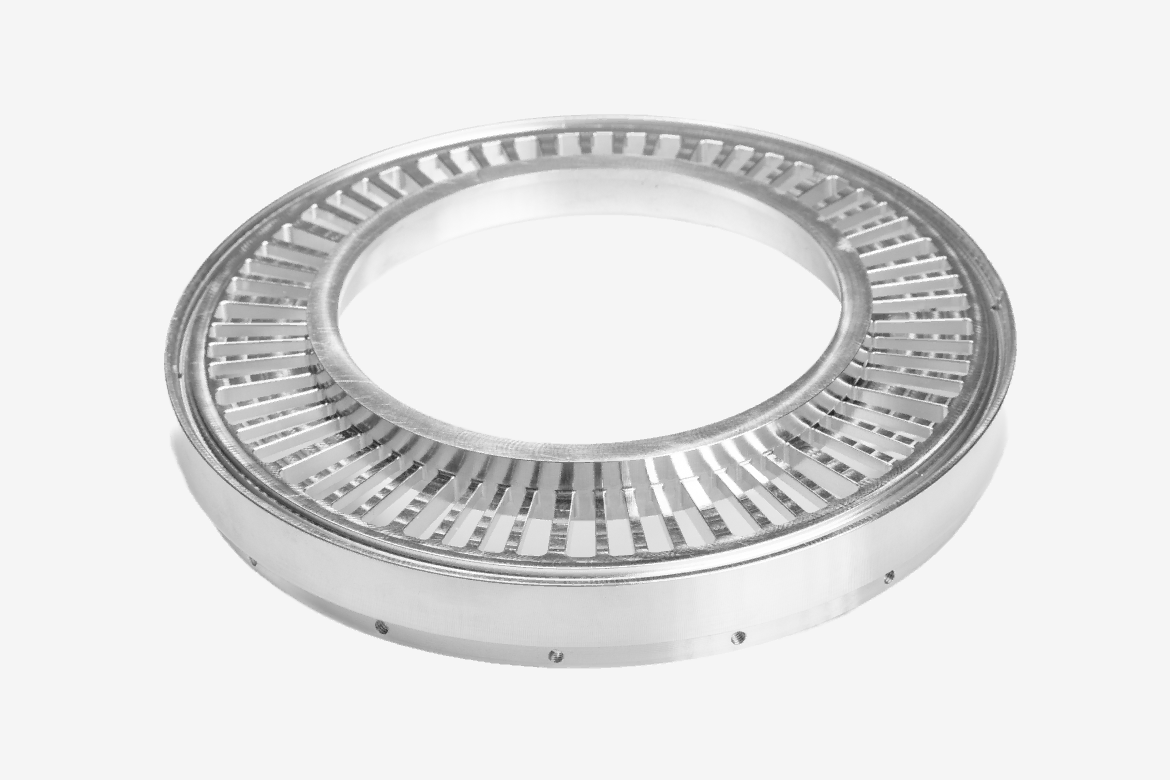
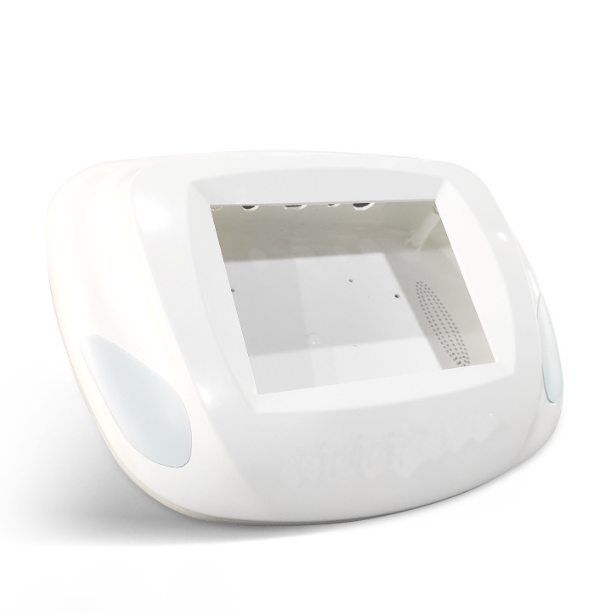
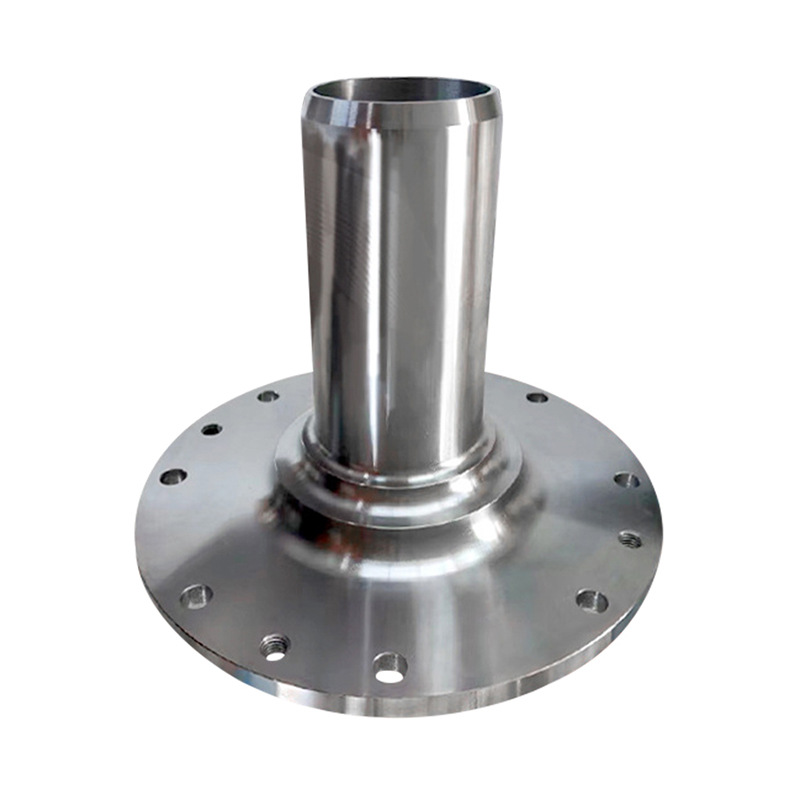
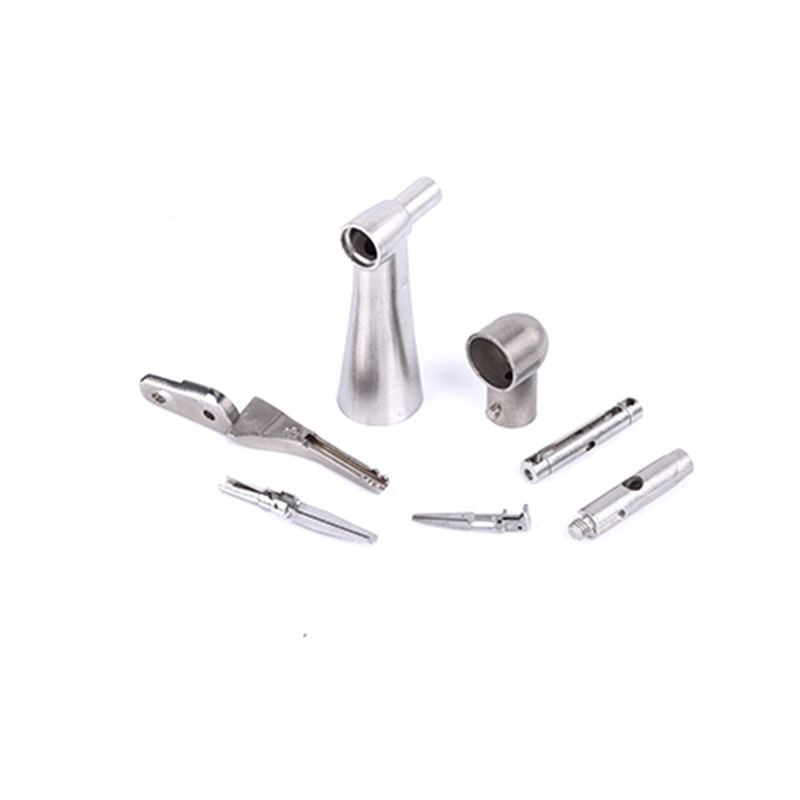
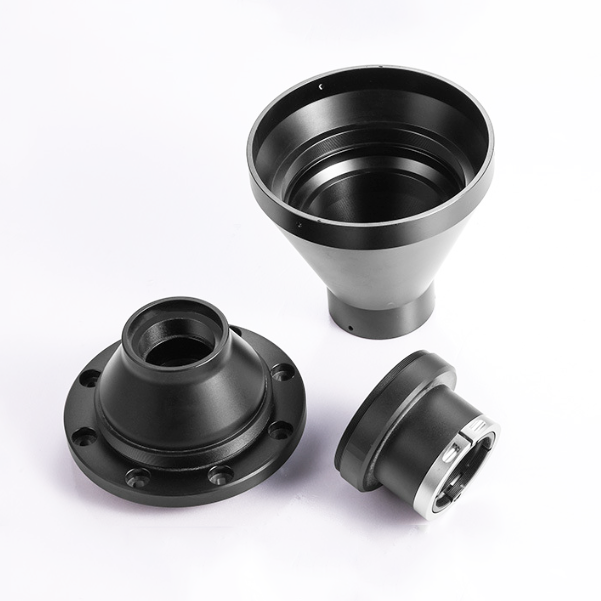
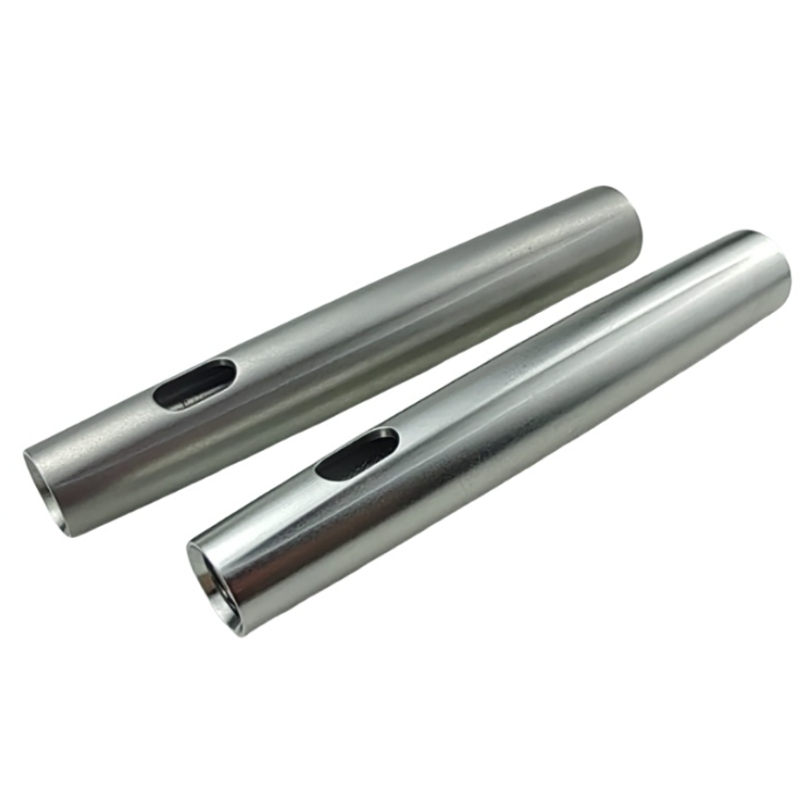
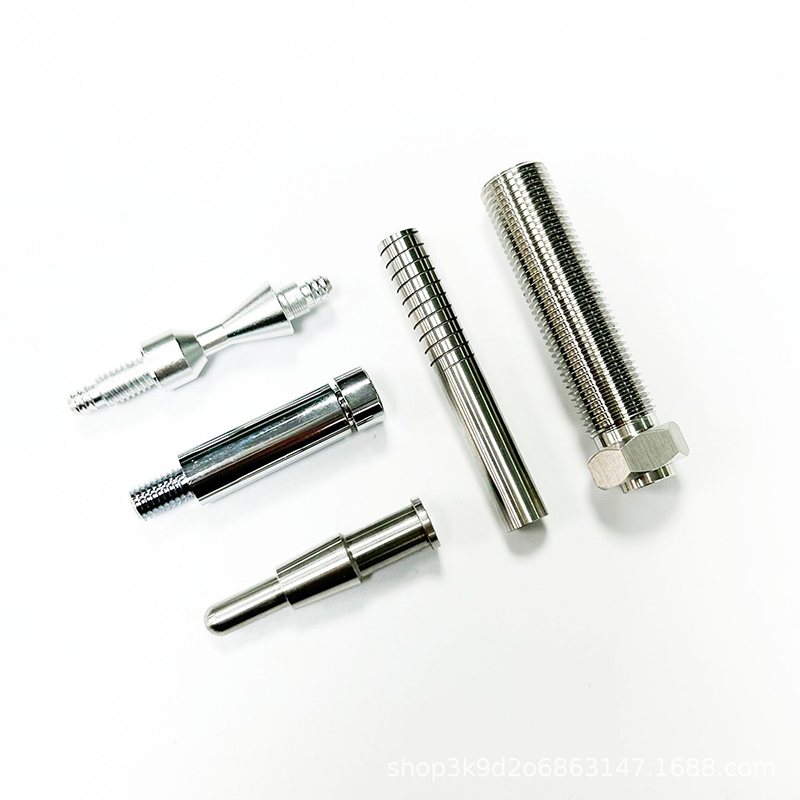
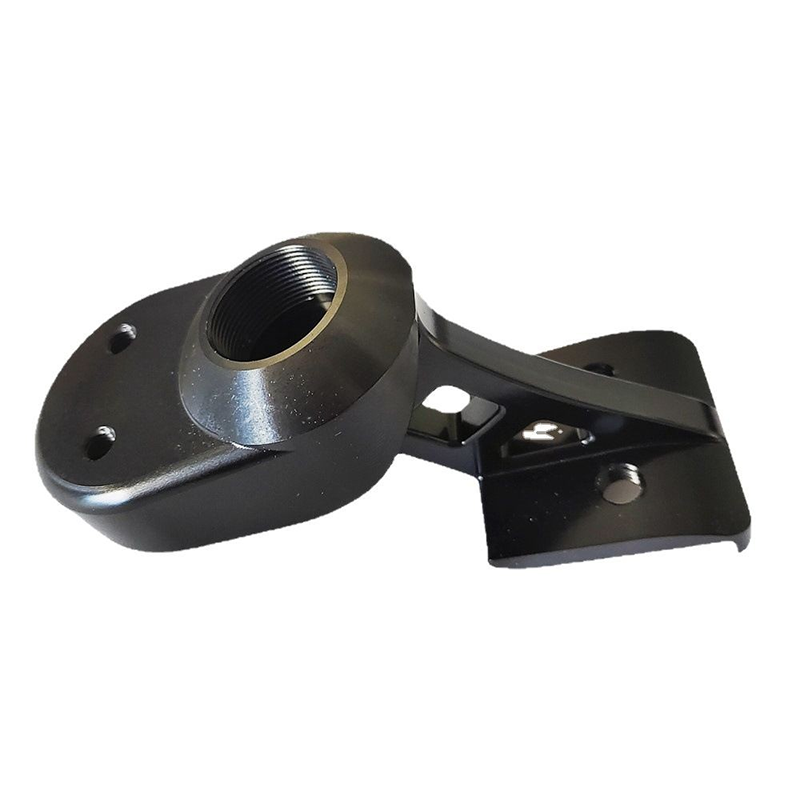
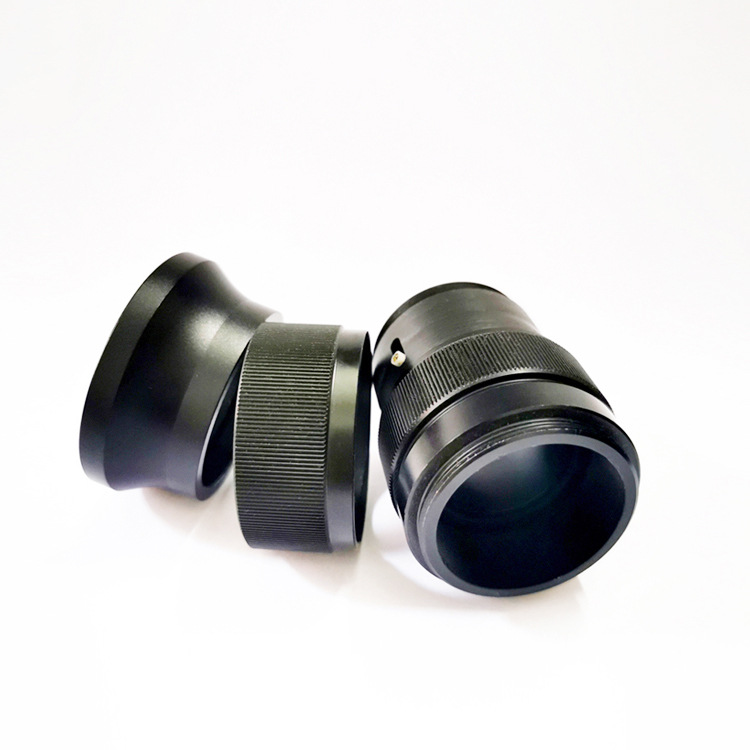
CNC Milling Parts
Explore our CNC Milling Parts Gallery to see precision-crafted components manufactured with high accuracy and quality.
Tolerances for CNC Milling
3-Axis | 4-Axis | 5-Axis | |
Maximum Part Size | 3000*1800*800 mm | 850*510*600 mm | 925*1050*600 mm |
Minimum Part Size | 5*5*5 mm | 5*5*5 mm | 5*5*5 mm |
General Tolerances | ± 0.05 mm | ± 0.02 mm | ± 0.01 mm |
Lead Time | Simple parts can be delivered in as little as 1 day. | Most projects are completed within 3 business days. | Most projects are delivered in 3 business days. |
Core Characteristics of Milling Processing
1. Multi-Edge Cutting and Efficiency
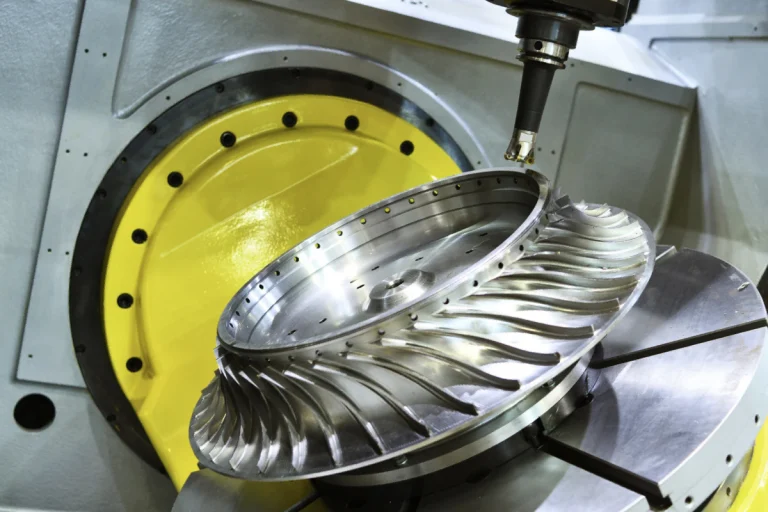
-- Milling cutters have multiple cutting edges (e.g., end mills with 4-6 edges), which can participate in cutting simultaneously, sharing the load and improving efficiency (30%-50% higher than single-edge tools).
-- Suitable for large feed rates or high cutting speed machining, such as surface milling with a cutting depth of up to 5-10mm.
2. Intermittent Cutting and Impact Vibration
-- The cutter teeth engage and disengage from the workpiece periodically, causing fluctuations in cutting force, requiring machines with good rigidity (e.g., heavy-duty milling machines) to ensure precision.
-- Intermittent cutting facilitates tool cooling and extends tool life, but durable tool materials (e.g., carbide) must be used.
3. Process Flexibility-- By changing tools (e.g., face mills, T-slot mills), it can process complex features such as flat surfaces, grooves, gears, and curved surfaces.
-- Supports multi-axis linkage (e.g., five-axis milling) to achieve machining of three-dimensional complex profiles (e.g., mold cavities).4. Controllable Surface Quality-- Adjusting cutting parameters (e.g., feed rate, speed) can control surface roughness (Ra 0.8-12.5μm).
-- End mills' secondary cutting edges can polish surfaces with roughness down to Ra 0.4μm.Range of Milling Processing
1. Basic Processing-- Flat/Step Surfaces: Face mills (end mills) process large flat surfaces, three-edge mills process steps.
-- Grooves/Keys: End mills mill straight grooves, keyway cutters process key slots (accuracy IT8-IT9).2. Complex Feature Processing
-- Gears/Threads: Modular shaped end mills process gears, thread mills process threads.
-- Cavities/Molds: Ball end mills process three-dimensional curves (e.g., injection molds).
2. Special Processing
-- Cutting/Indexing: Saw blades mill cut workpieces, dividing heads achieve evenly spaced holes/teeth.
-- Special-Shaped Slots: Dove-tail milling cutters and T-slot mills process specific connection structures.Typical Application Scenarios
-- Automotive Manufacturing: Milling flat surfaces of engine blocks, processing gear case shells.
-- Aerospace: Frameworks of fuselages, structural components of landing gear.
-- Electronics: Mounting slots for circuit boards, arrays of heat sink fins.
Comparison with Other
ProcessesTurning:
Suitable for rotating parts (e.g., shafts), milling is better for polyhedral/complex profiles.
Drilling:
Milling can replace some drilling operations (e.g., large diameter holes) but with higher precision.
40px
80px
80px
80px