

40px
80px
80px
80px
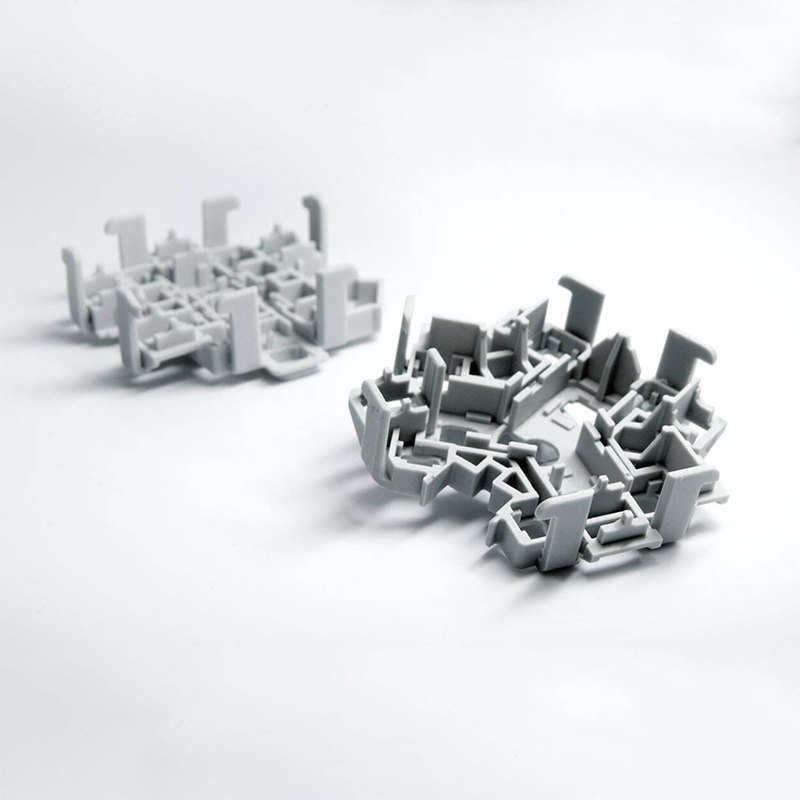
Vacuum Casting Prototype Production Technology and Process
1. Technical Principles and Core Advantages
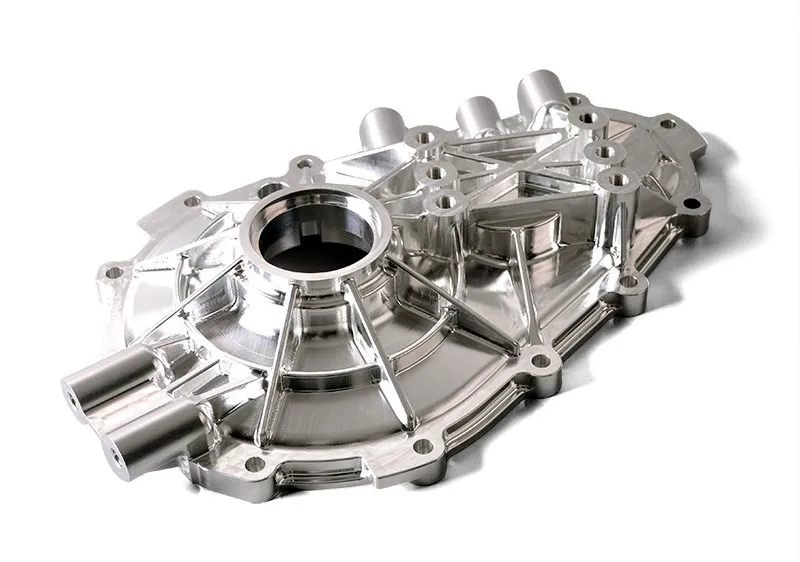
--Vacuum Die Casting: The mold is preheated to 300°C and then evacuated to a near-space environment. Molten metal is injected at a high speed of 3 m/s. Pressurized and crystallized, high-density castings are formed. Ultra-thin parts as thin as 1.5 mm can be produced.
--V-Method Casting: The sand box is sealed with plastic film and vacuumed (with a pressure differential of 300-400 mmHg) to compact the dry sand. The casting surface finish reaches Ra 1.6 μm, and the used sand reuse rate is 95%.
2. Typical Process Flow
--Mold Preparation: Silicone or metal mold fabrication (vacuum casting requires preheating to 300°C)
--Vacuum Treatment: Vacuum to eliminate bubbles (V-method casting requires maintaining vacuum until the casting solidifies)
--Material Injection: High-speed injection of molten metal (die casting) or vacuum resin casting (PUR material)
--Post-Processing: Demolding, cleaning, and polishing (plaster casting requires blasting to remove the mold)
3. Material and Equipment Selection
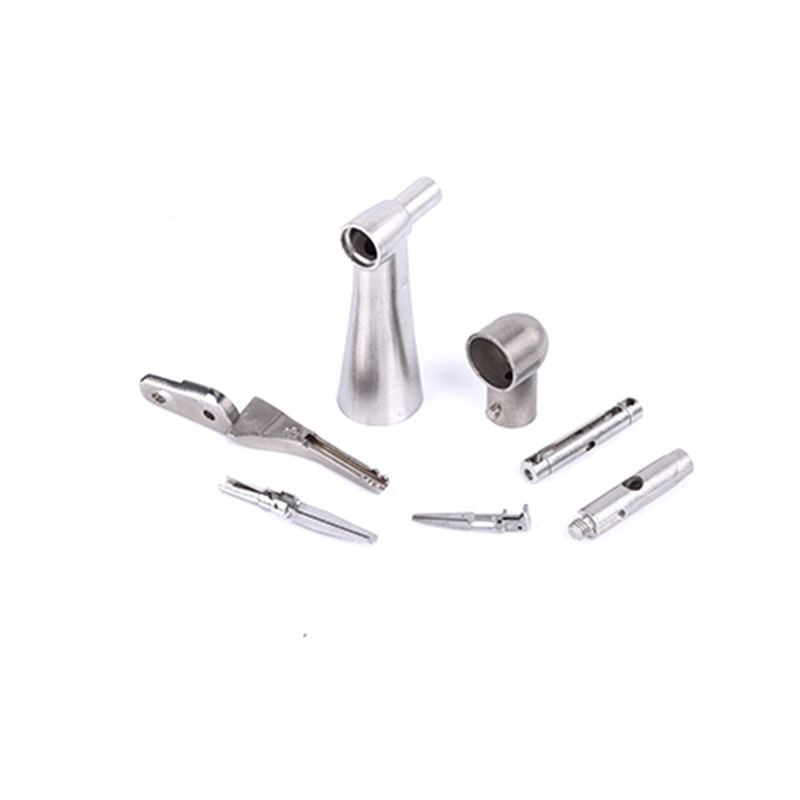
--Metallic Materials: Aluminum Alloy (for aviation rivets), Copper Alloy (for precision parts)
--Non-Metallic Materials: Two-Component Polyurethane (PUR), adjustable hardness (from ABS to TPE)
--Key Equipment: Vacuum Chamber (1,800-3,000 RMB), Medium-Frequency Electric Furnace (12.5-ton capacity)
4. Industry Applications
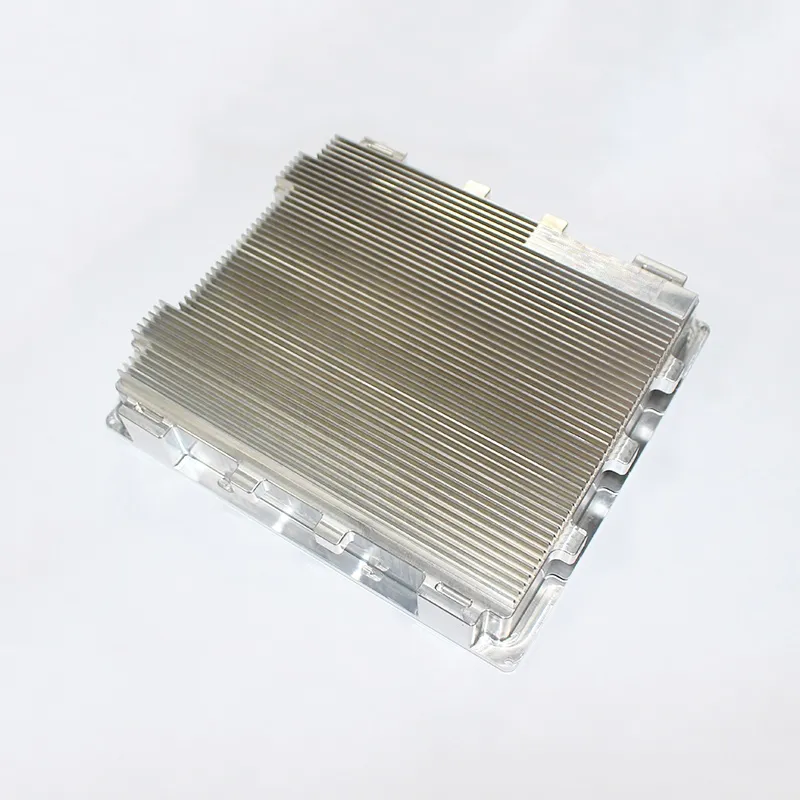
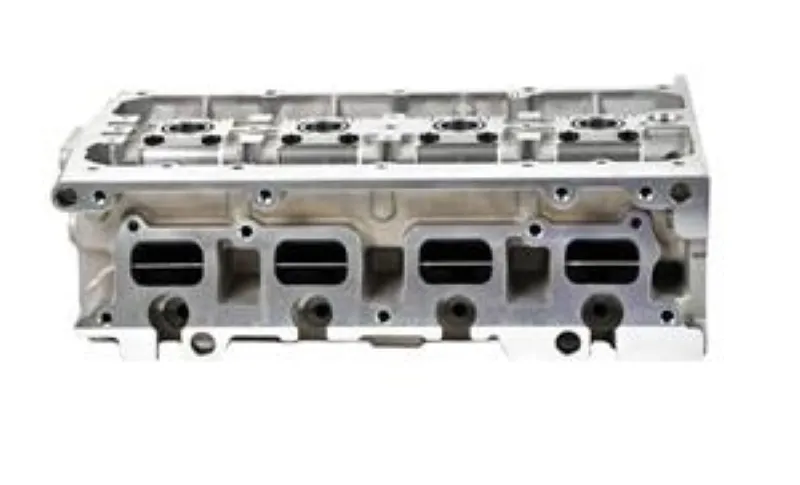
--Automotive: Air filter housings, lampshades, etc., with lower unit costs than injection molds
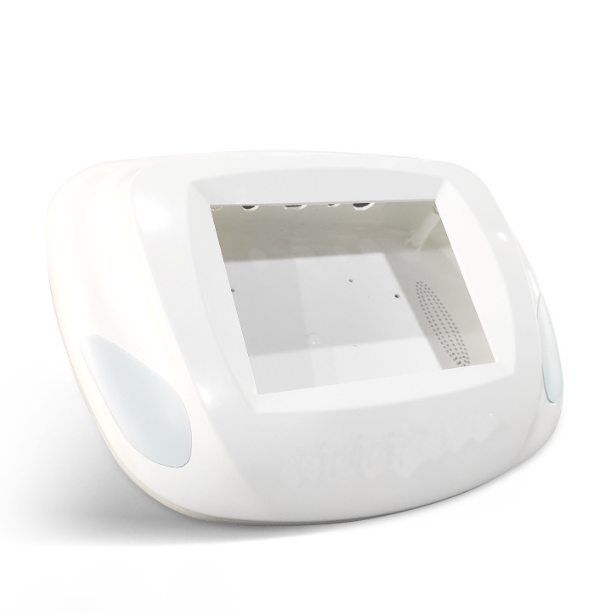
--Consumer Electronics: Mobile phone housings, keyboards, etc., small batches (less than 50 pieces), with a production cycle of 1-4 days
--Cost Comparison: Vacuum casting molds have lower costs, but the unit cost is higher than sand casting.
Rapid Prototyping Parts
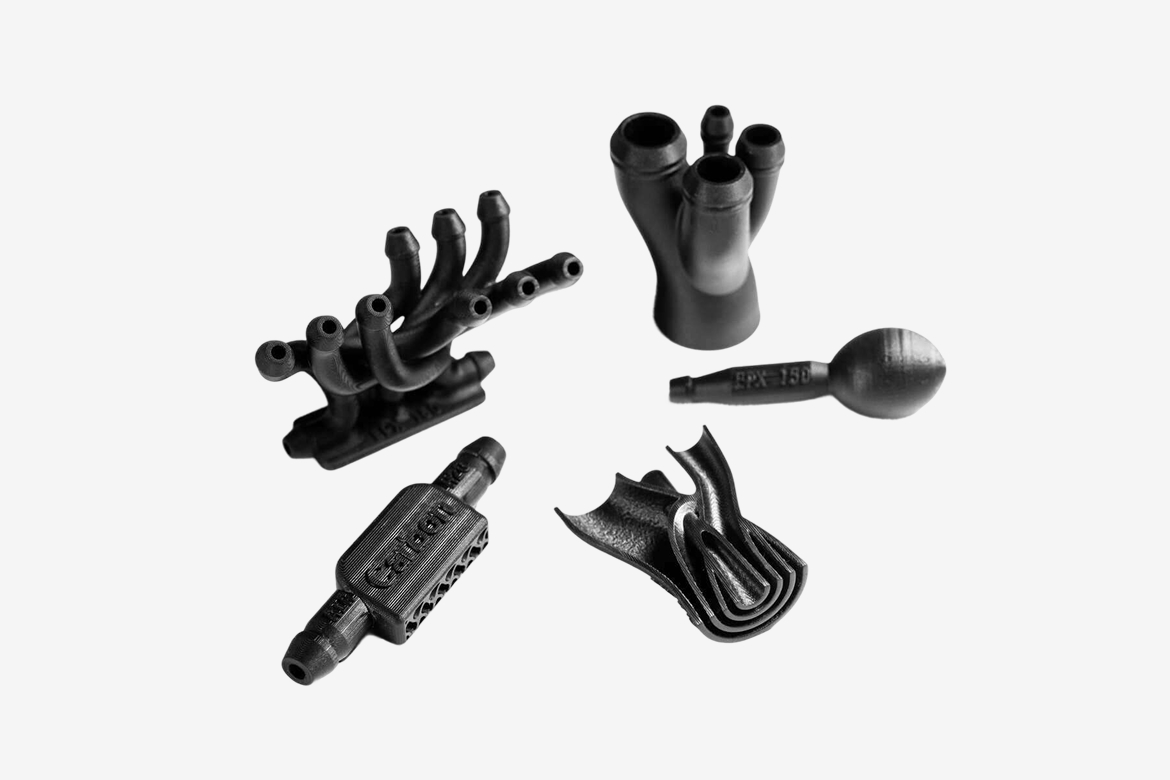
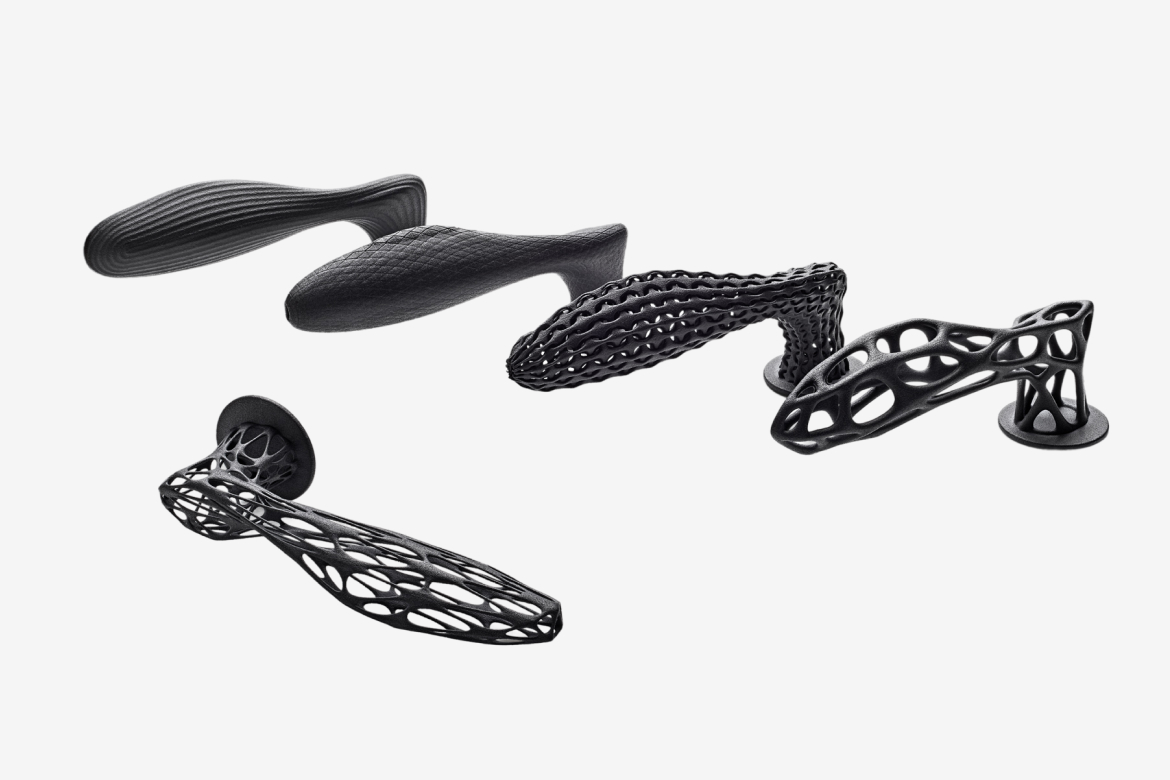
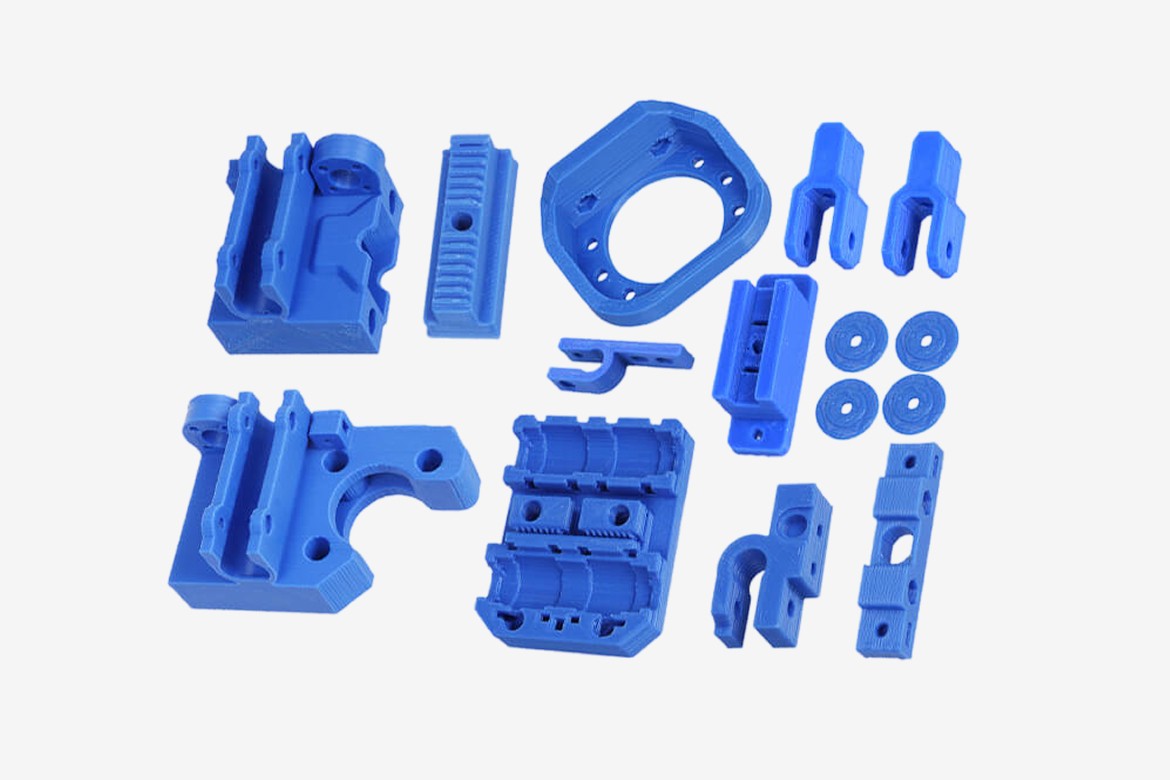
Rapid Prototyping Process:
Experience an efficient journey from design to prototype with our simplified process, and obtain high-quality parts quickly and precisely;

Our Rapid Prototyping Technology
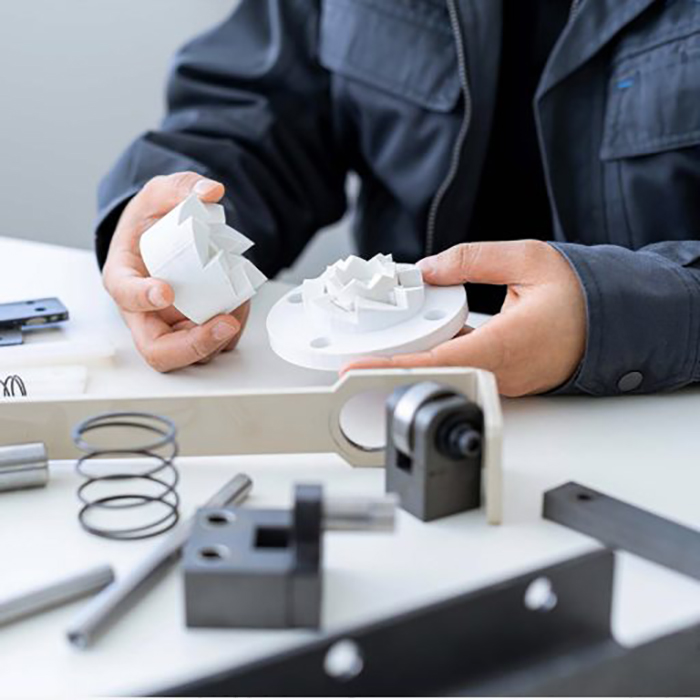
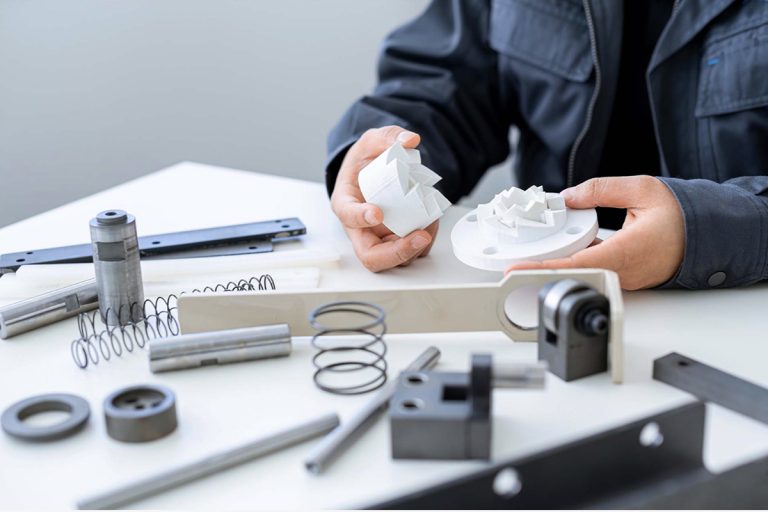
Our rapid prototyping integrates advanced manufacturing technologies to turn designs into high-quality prototypes quickly and efficiently. By leveraging cutting-edge equipment and diverse processes, we ensure precision, material versatility, and fast turnaround times.
Key technologies we use:
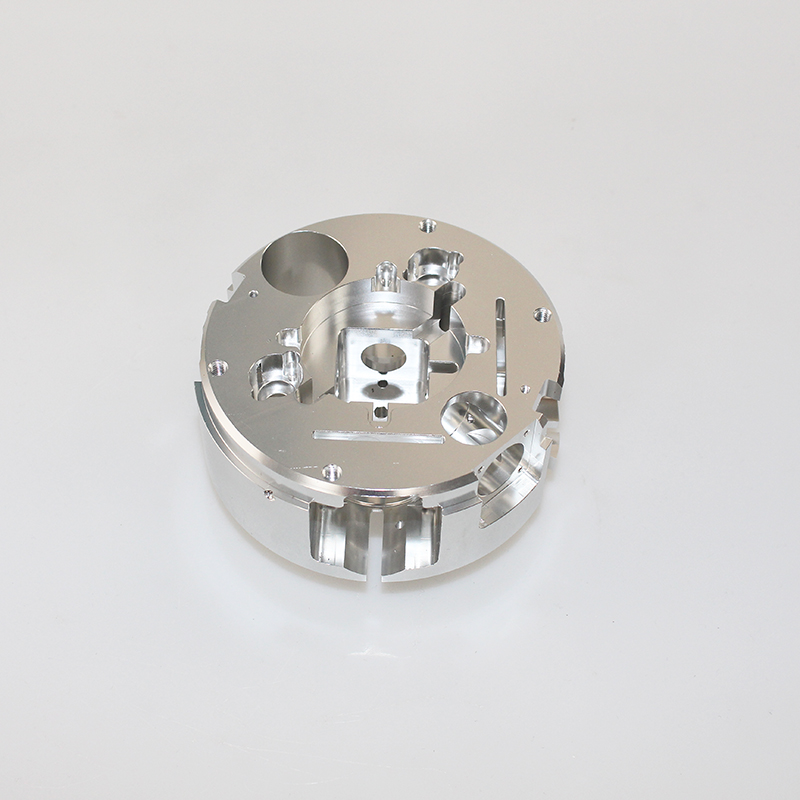
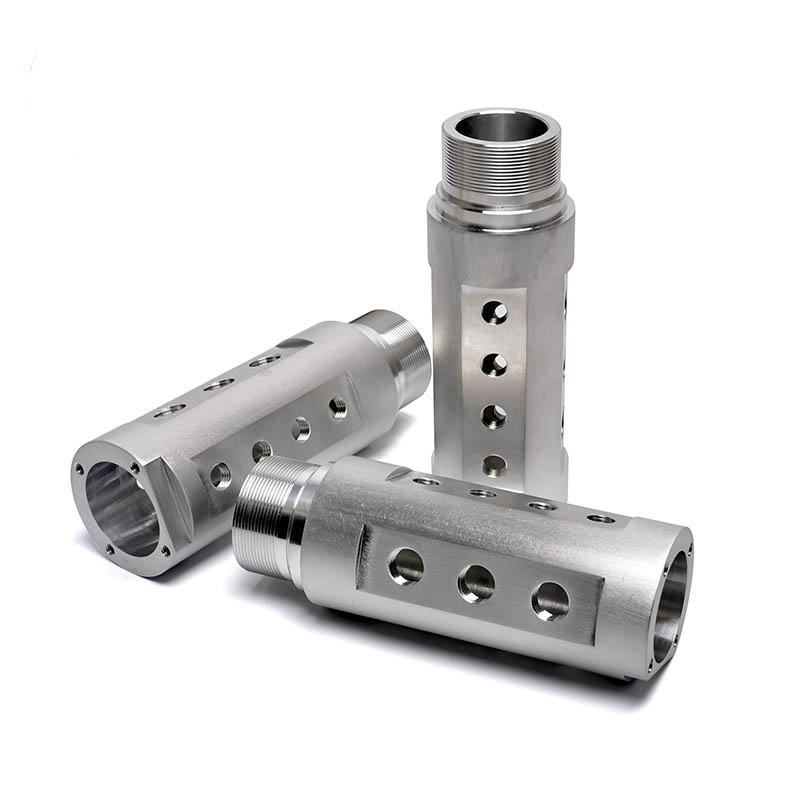
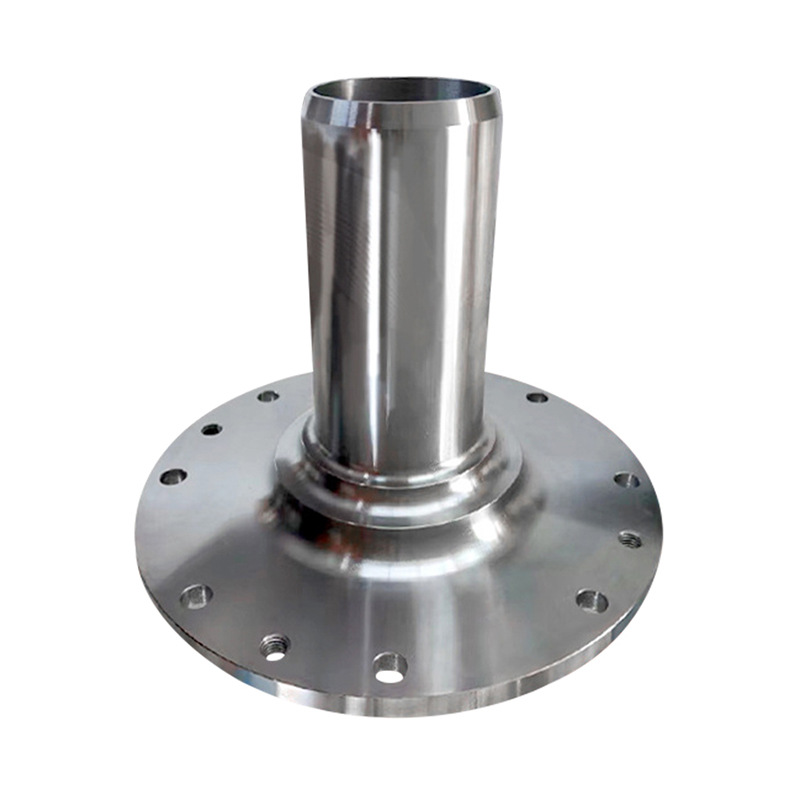
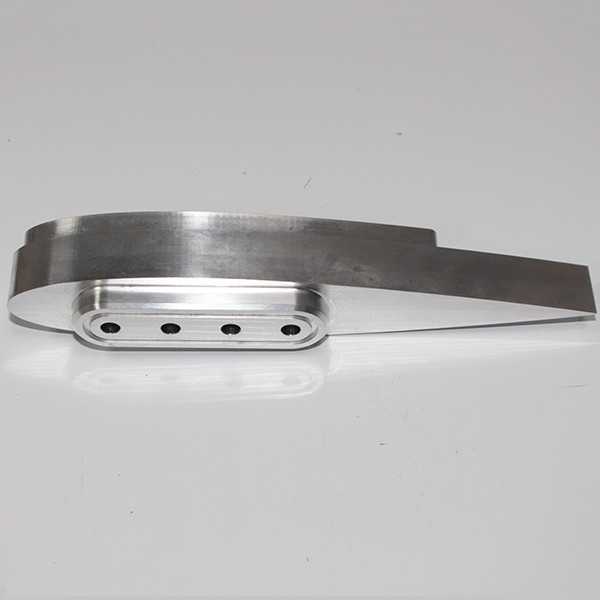
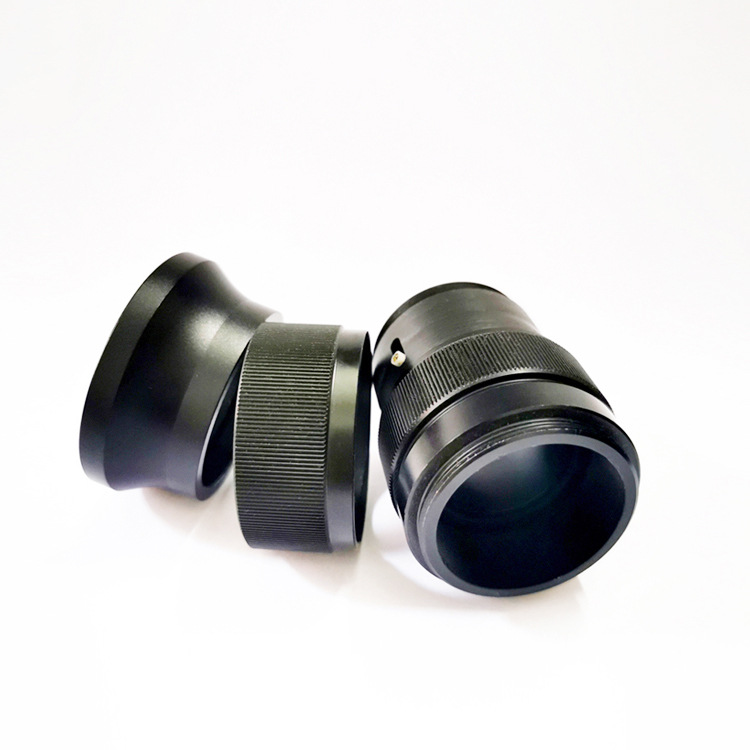
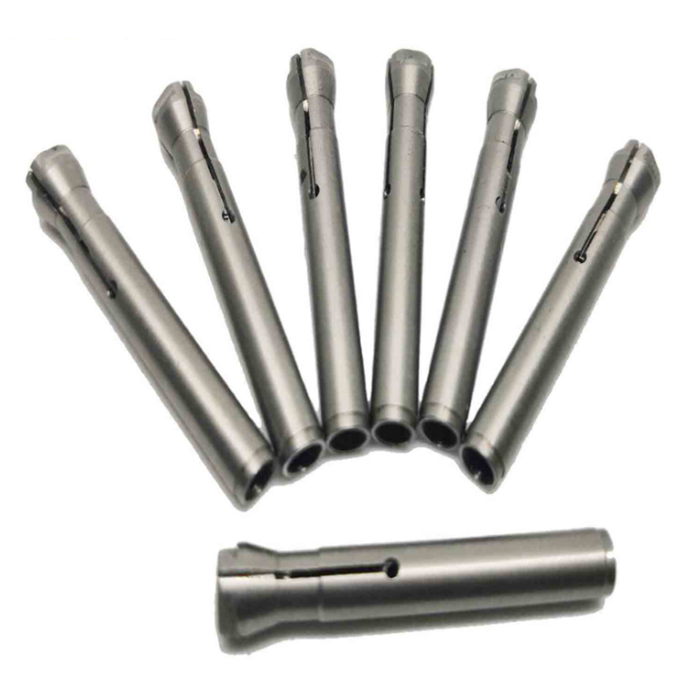
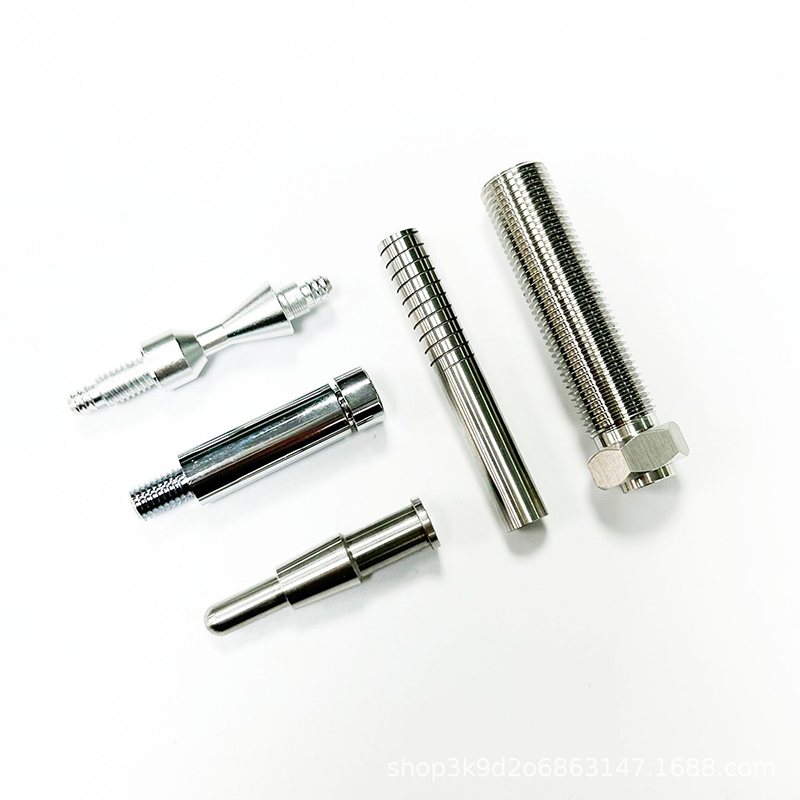
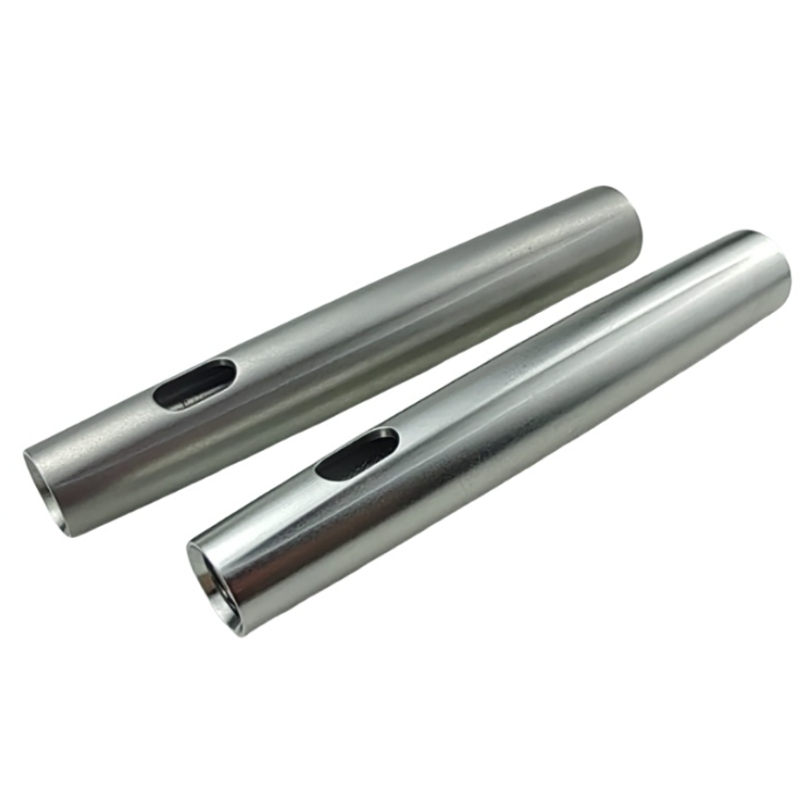
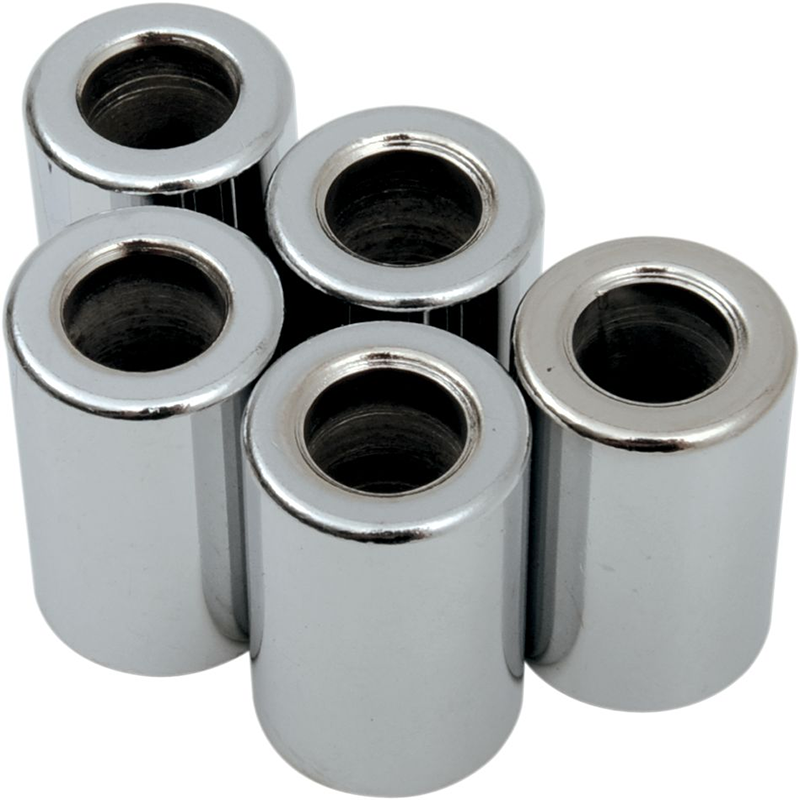
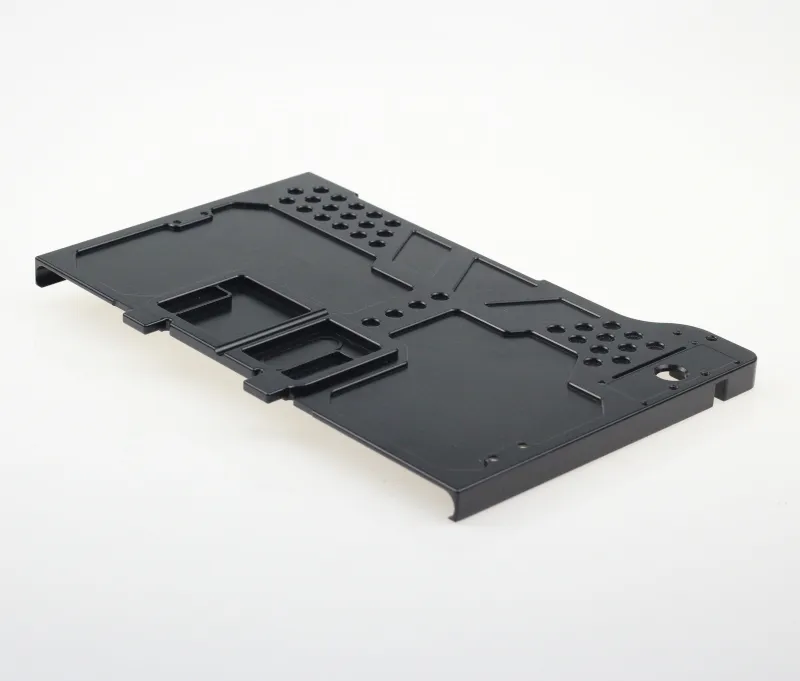
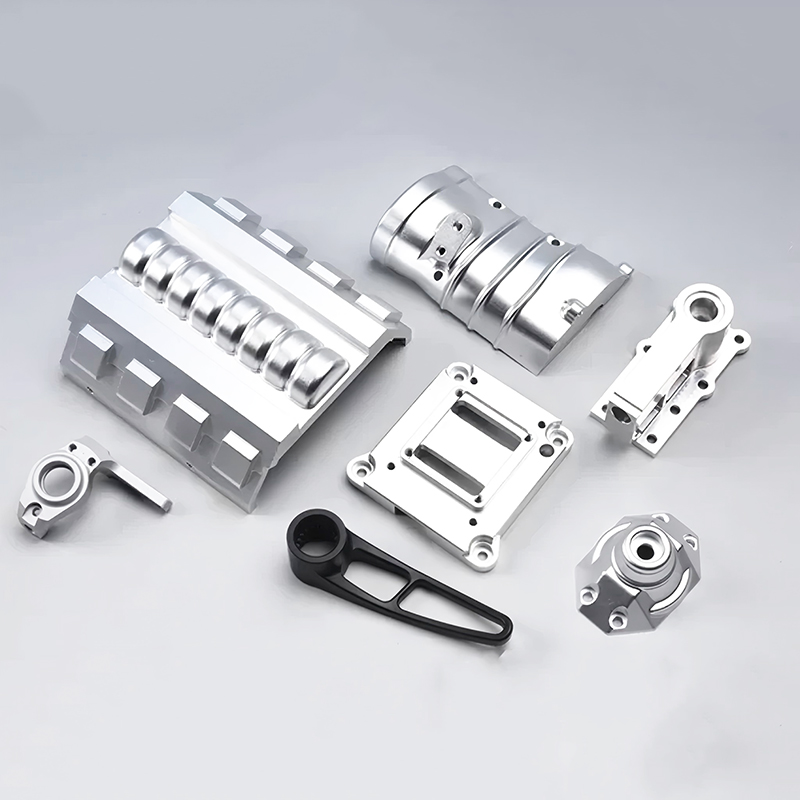
--CNC Machining – High-precision milling and turning for metal and plastic prototypes.
--3D Printing – SLA, SLS, MJF, and SLM for fast, detailed parts.
--Vacuum Casting – Ideal for small-batch plastic prototypes with injection-molded quality.
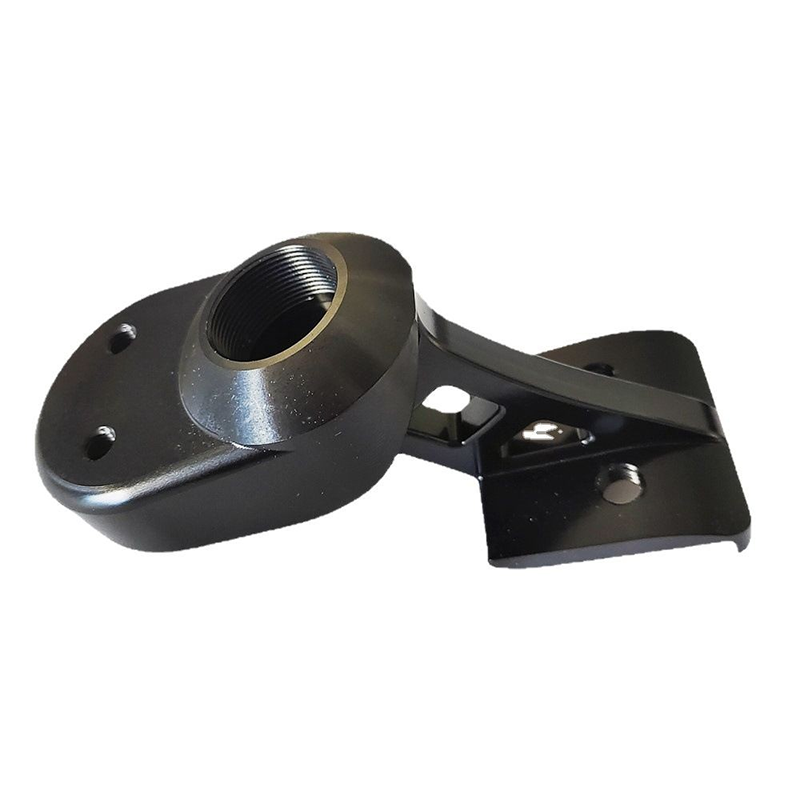
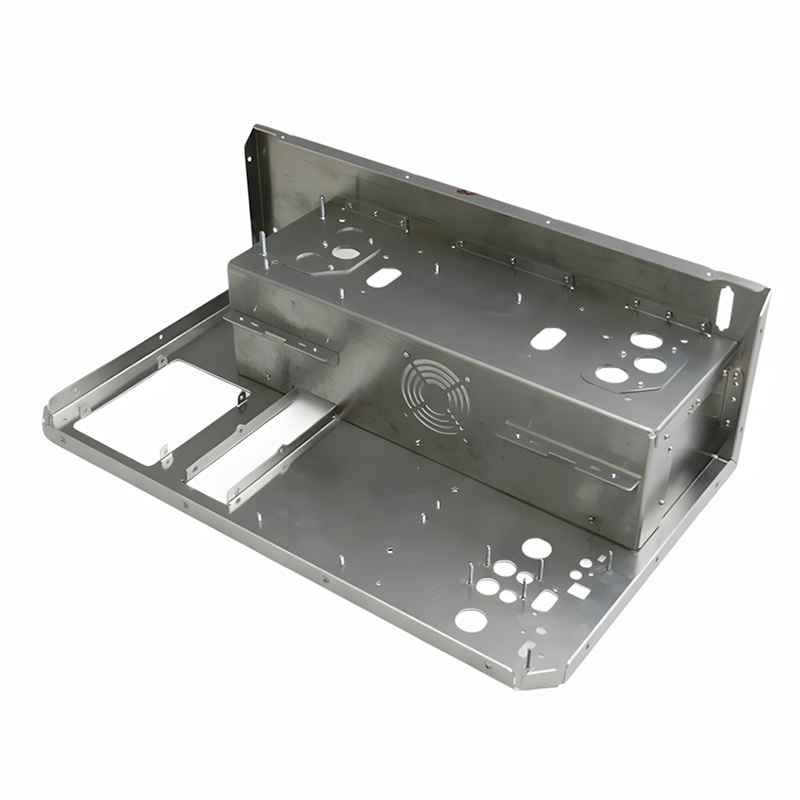
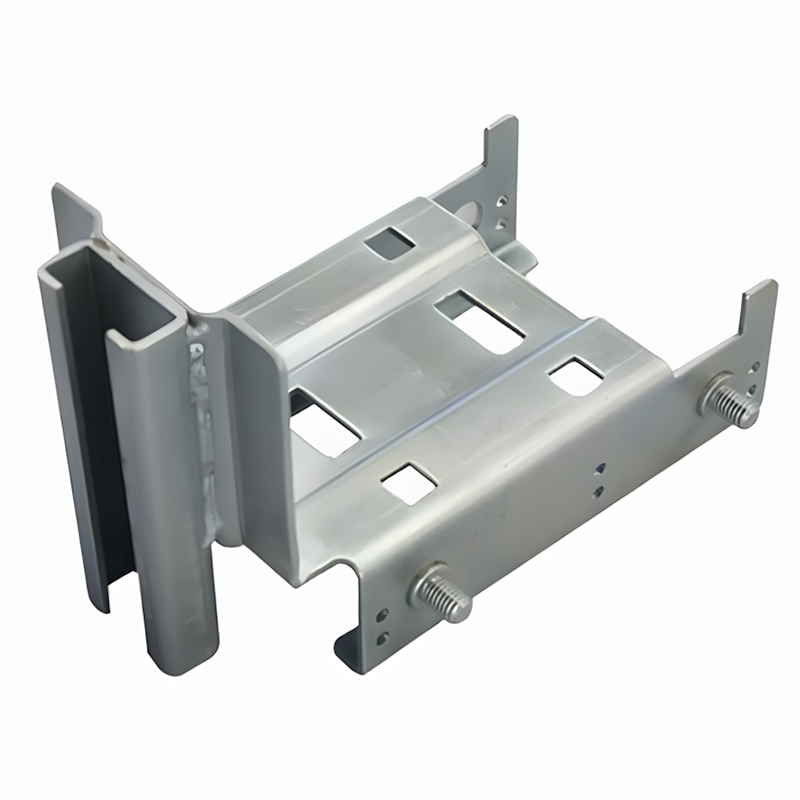
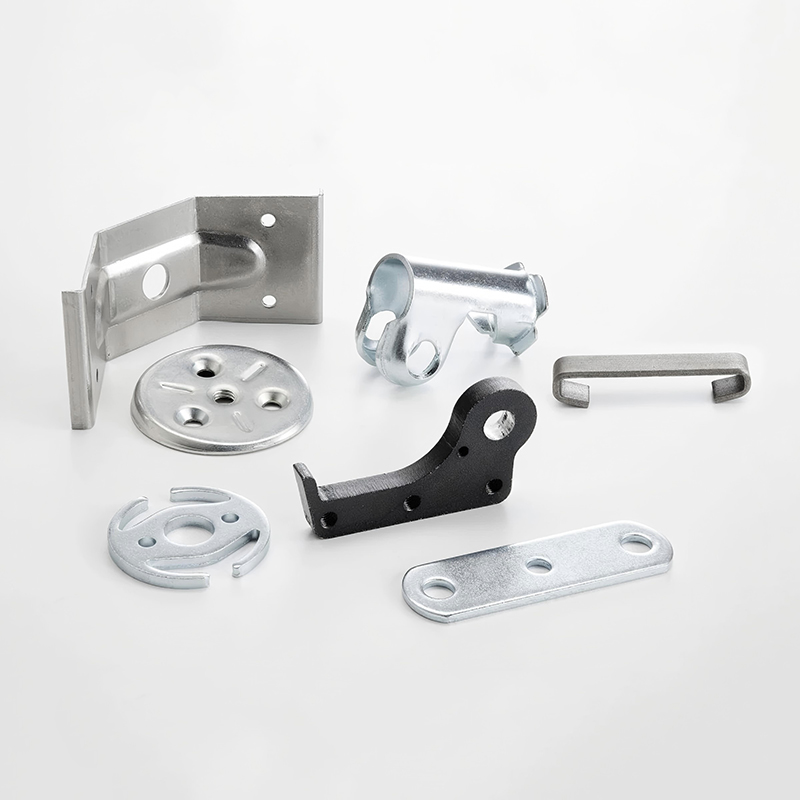
--Sheet Metal Fabrication – Quick production of metal enclosures and structural parts.
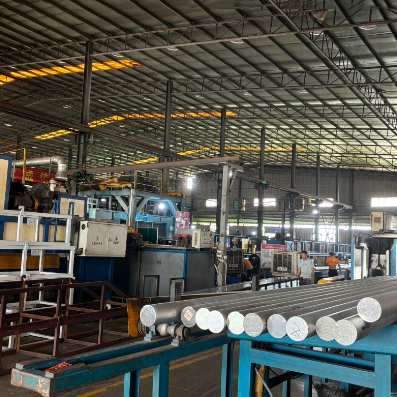
--Our facilities feature industrial 3D printers, multi-axis CNC machines, and advanced molding systems, ensuring exceptional accuracy and repeatability.
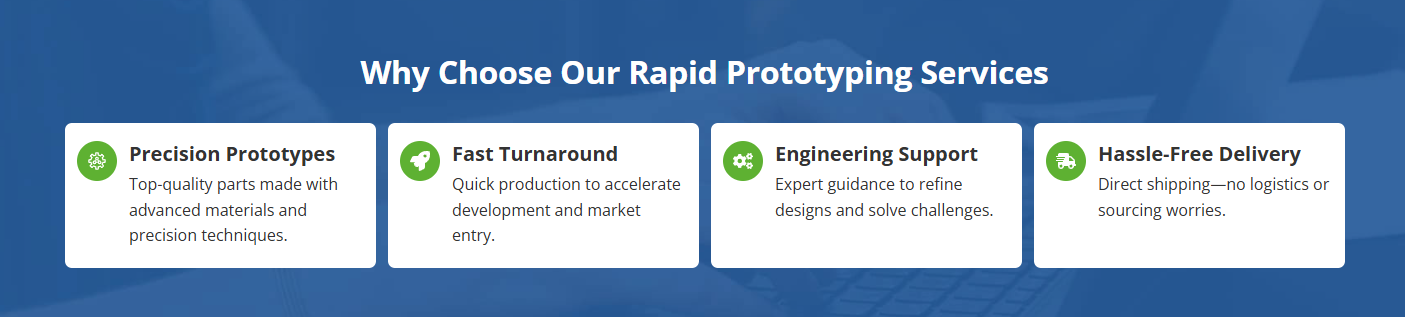
Choose Our Rapid Prototyping Services
1. Technology Type and Applications
--SLA (Stereolithography)
Suitable for high-precision, high-surface-finish prototypes, such as medical models or complex structural parts, with an accuracy of ±0.05mm.
--SLS (Selective Laser Sintering)
Suitable for functional prototypes and small-batch production. Made of nylon or metal powder, it offers mechanical strength similar to injection molding.
--FDM (Fused Deposition Modeling)
Low-cost, suitable for rapid design concept verification, but with lower accuracy and strength (±0.5mm).
2. Key Considerations
--Precision Requirement: SLA and SLS are suitable for micron-level precision, while FDM is suitable for lower-precision requirements.
--Material Properties: SLS's nylon material is suitable for mechanical testing, while SLA resin is suitable for visual verification.
--Cost and Speed: FDM offers the lowest cost, while SLA and SLS are suitable for high-value prototypes.
CS Proto’s Rapid prototyping transforms early-stage designs into physical models, enabling fast, cost-effective testing and iteration. This process accelerates product development, minimizes risks, and ensures design feasibility before mass production. Fast Turnaround – Get prototypes in 1-3 days. Multiple Technologies – 3D printing, CNC machining, and more. Refined Design – Test, iterate, and improve efficiently. Lower Costs – Catch design flaws early, avoiding expensive changes later.
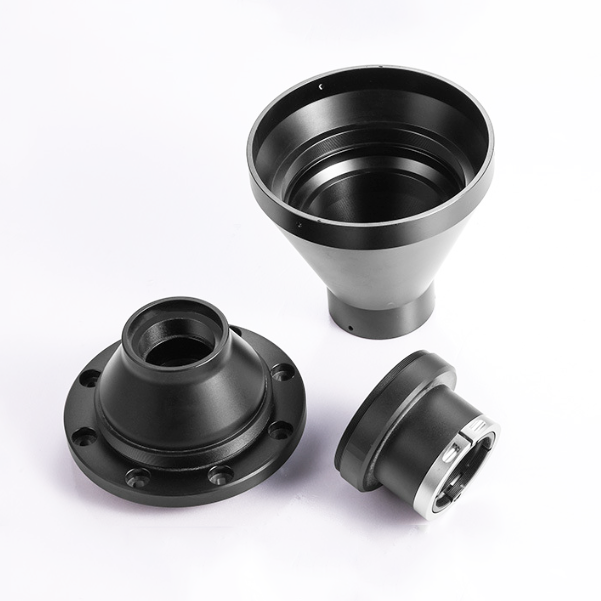
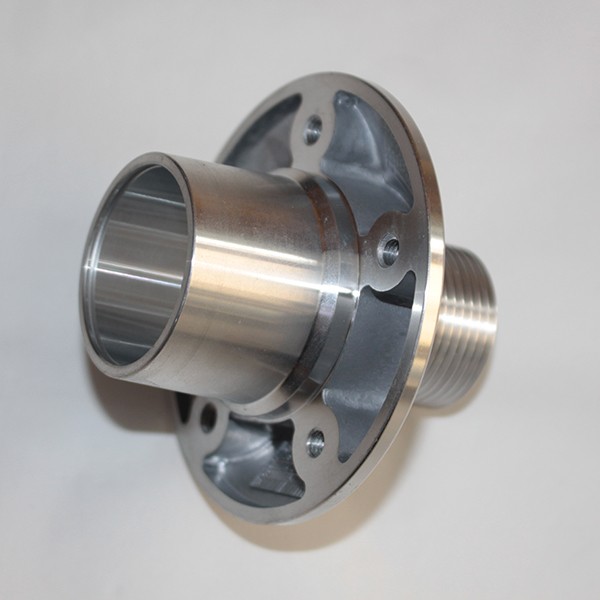
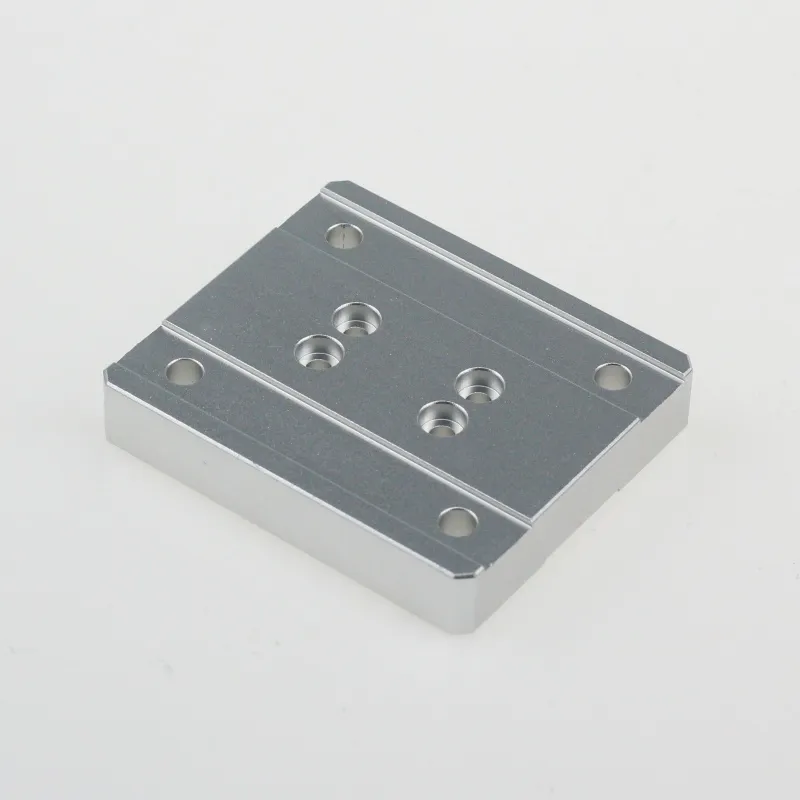
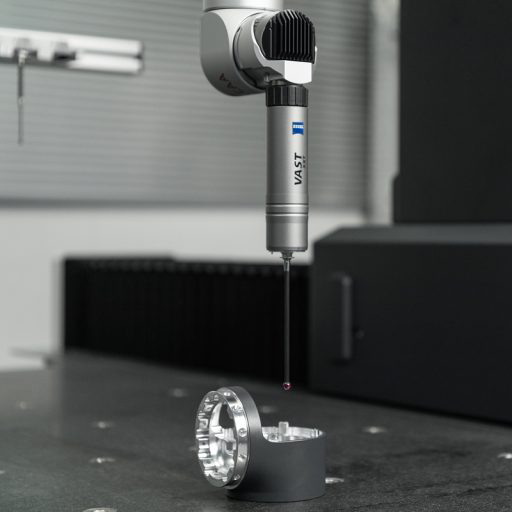
MoreRapid CNC Prototyping Services CNC machining (including milling and turning) is ideal for rapid prototyping, especially for prototypes requiring the final material form. It can create durable, precise models from solid materials, suitable for both metal and plastic. We specialize in this process, delivering high-quality prototypes in as little as one day at affordable prices, allowing us to quickly produce multiple prototypes for evaluation. With us, you receive precision machining and fast service, ensuring on-time delivery for urgent projects. Our competitive pricing guarantees quality at no additional cost.
MoreRapid Sheet Metal Prototyping Services Sheet metal fabrication is ideal for quickly prototyping flat metal parts, delivering functional prototypes in two days or less. It provides a cost-effective way to test multiple designs simultaneously. While 5052 aluminum is a common choice, steel, copper, and stainless steel are also available. With us, you receive expert craftsmanship and an efficient process, ensuring high-quality prototypes are delivered to tight deadlines. Our rapid metal prototyping services guarantee precision, reliability, and fast turnaround times, ensuring your project runs smoothly.
More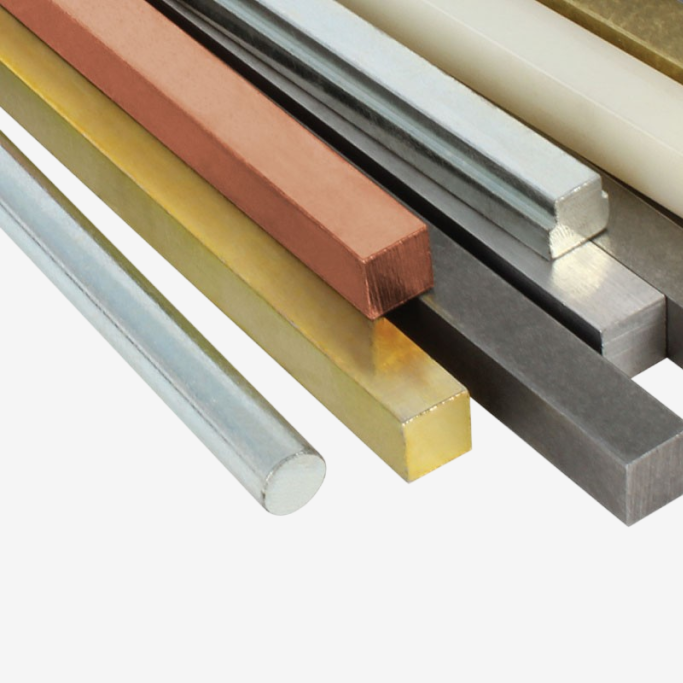
40px
80px
80px
80px