

40px
80px
80px
80px
Vacuum Casting Prototype Production Technology and Process
1. Technical Principles and Core Advantages
--Vacuum Die Casting: The mold is preheated to 300°C and then evacuated to a near-space environment. Molten metal is injected at a high speed of 3 m/s. Pressurized and crystallized, high-density castings are formed. Ultra-thin parts as thin as 1.5 mm can be produced.
--V-Method Casting: The sand box is sealed with plastic film and vacuumed (with a pressure differential of 300-400 mmHg) to compact the dry sand. The casting surface finish reaches Ra 1.6 μm, and the used sand reuse rate is 95%.
2. Typical Process Flow
--Mold Preparation: Silicone or metal mold fabrication (vacuum casting requires preheating to 300°C)
--Vacuum Treatment: Vacuum to eliminate bubbles (V-method casting requires maintaining vacuum until the casting solidifies)
--Material Injection: High-speed injection of molten metal (die casting) or vacuum resin casting (PUR material)
--Post-Processing: Demolding, cleaning, and polishing (plaster casting requires blasting to remove the mold)
3. Material and Equipment Selection
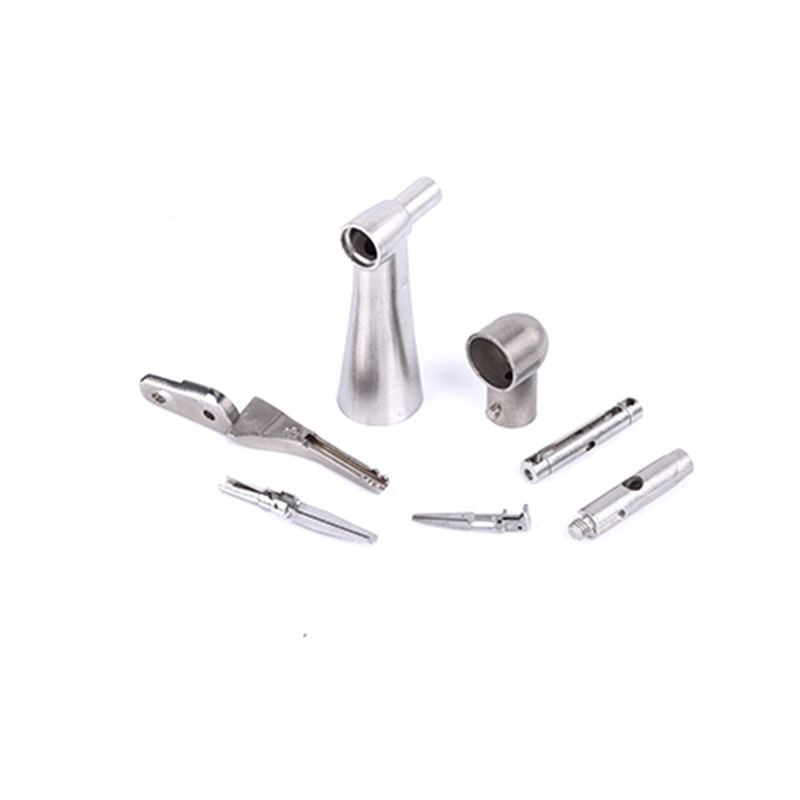
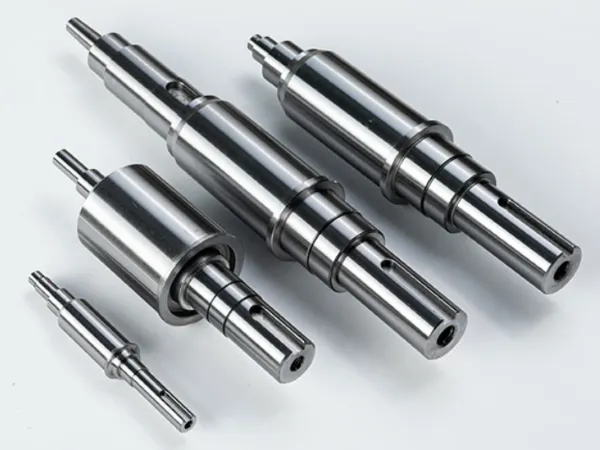
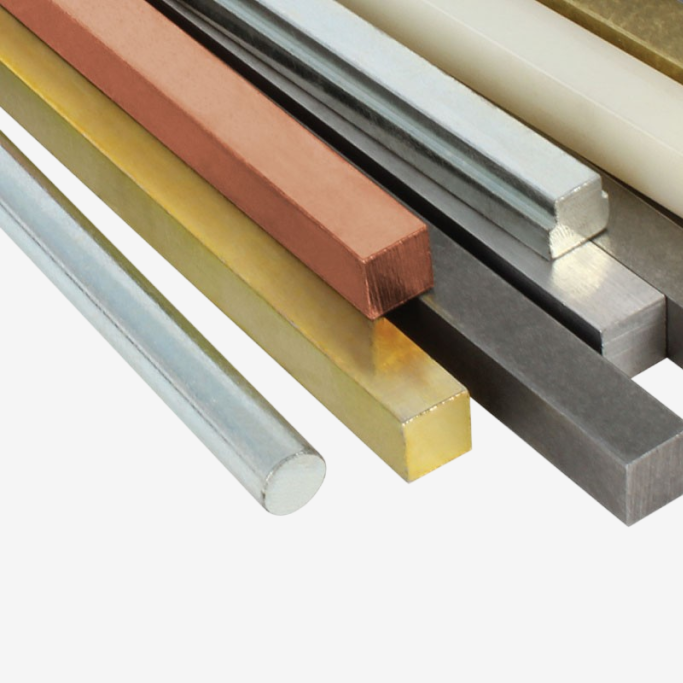
--Metallic Materials: Aluminum Alloy (for aviation rivets), Copper Alloy (for precision parts)
--Non-Metallic Materials: Two-Component Polyurethane (PUR), adjustable hardness (from ABS to TPE)
--Key Equipment: Vacuum Chamber (1,800-3,000 RMB), Medium-Frequency Electric Furnace (12.5-ton capacity)
4. Industry Applications
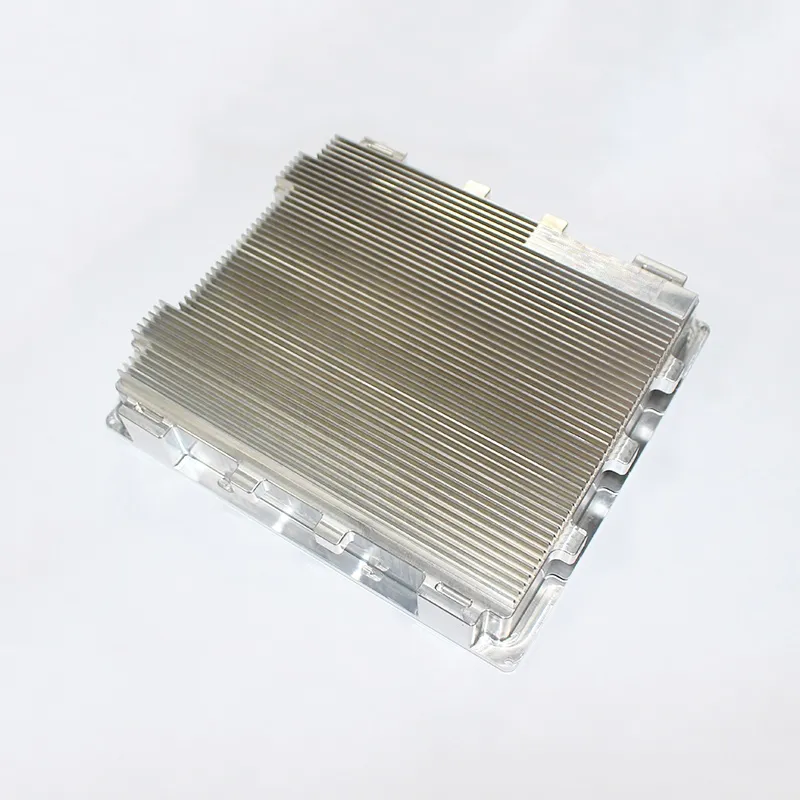
--Automotive: Air filter housings, lampshades, etc., with lower unit costs than injection molds
--Consumer Electronics: Mobile phone housings, keyboards, etc., small batches (less than 50 pieces), with a production cycle of 1-4 days
--Cost Comparison: Vacuum casting molds have lower costs, but the unit cost is higher than sand casting.
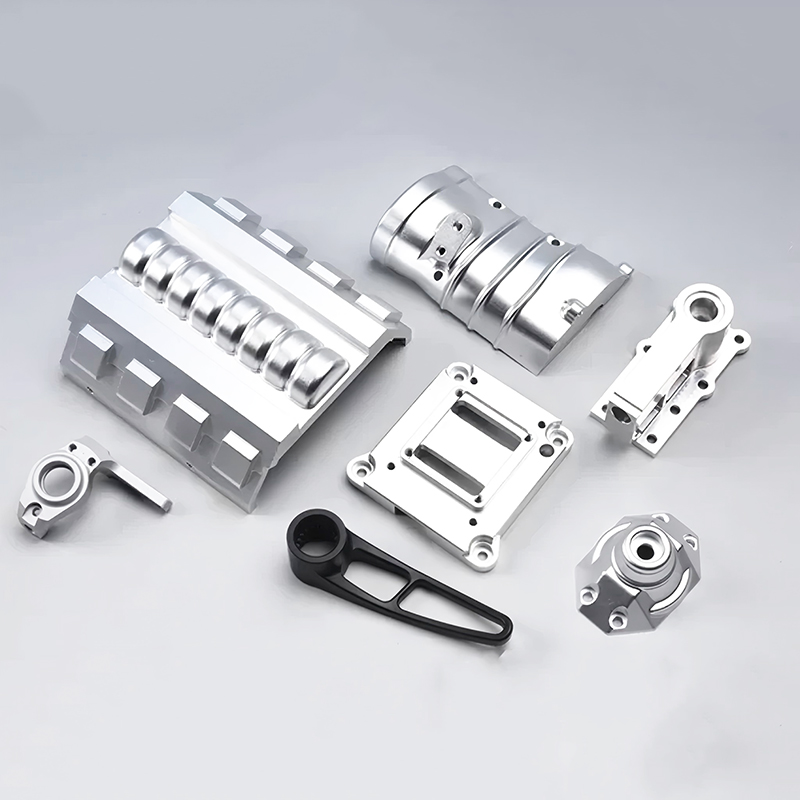
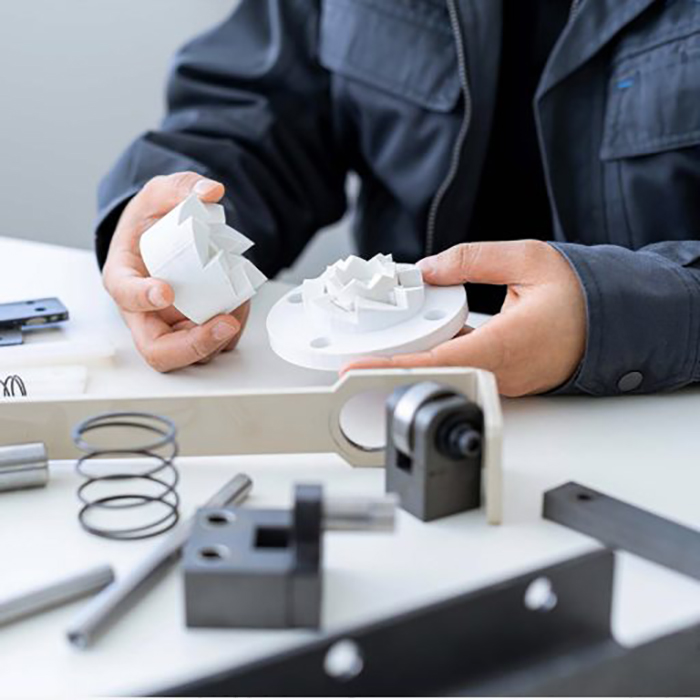
Rapid Prototyping Parts
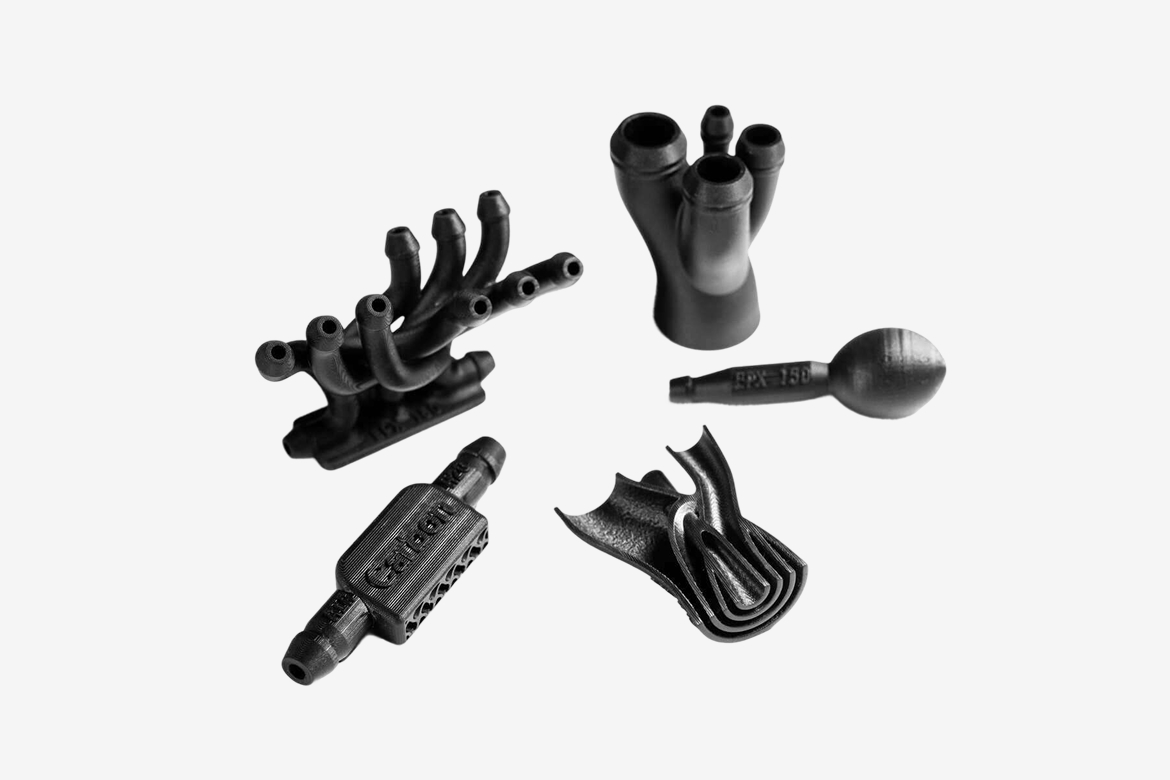
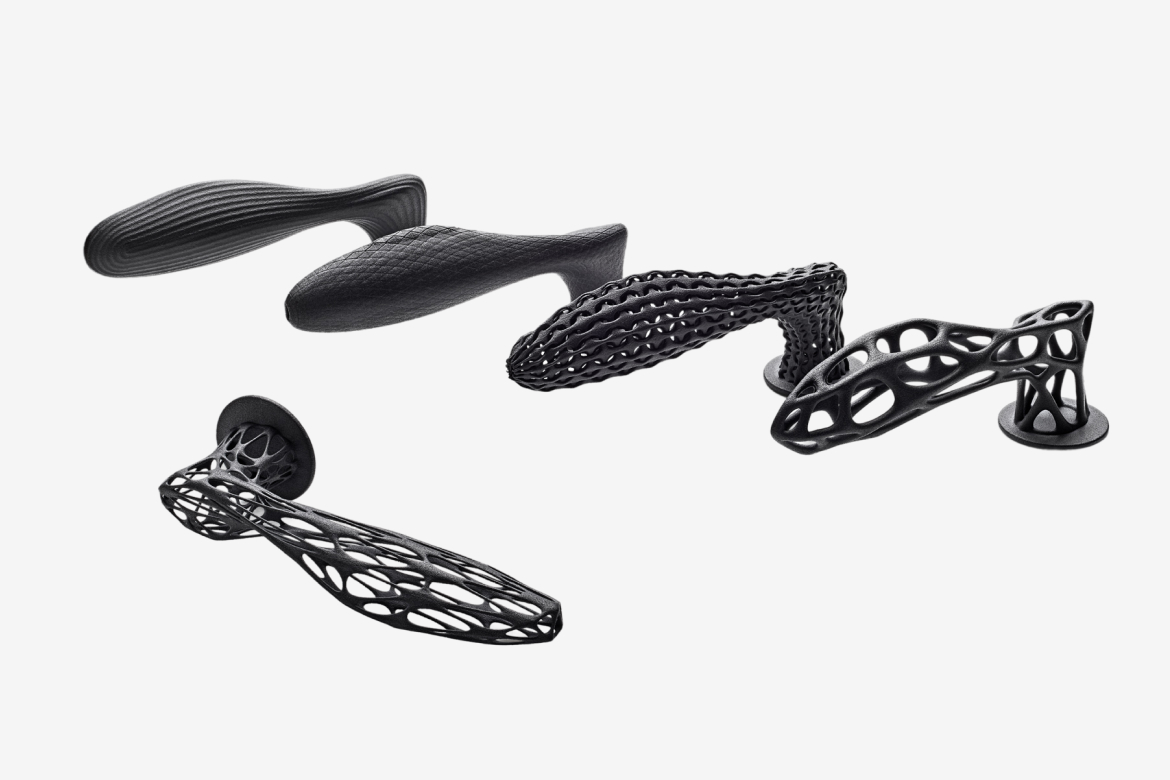
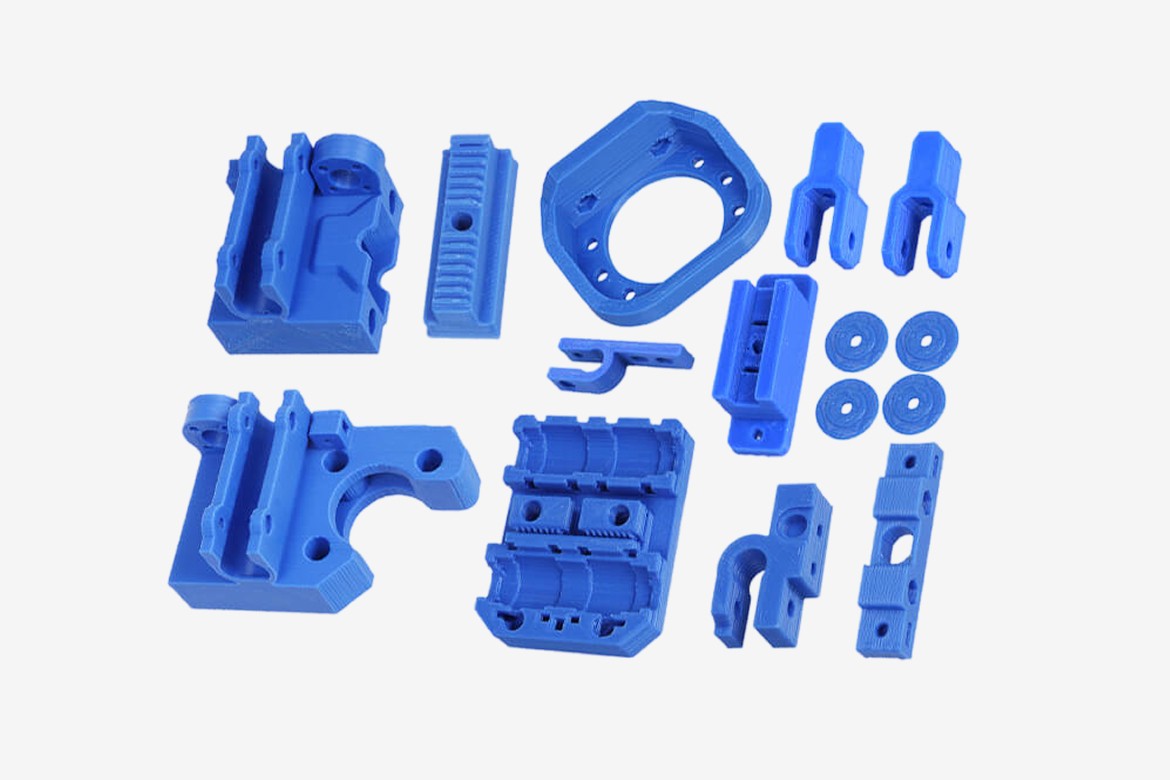
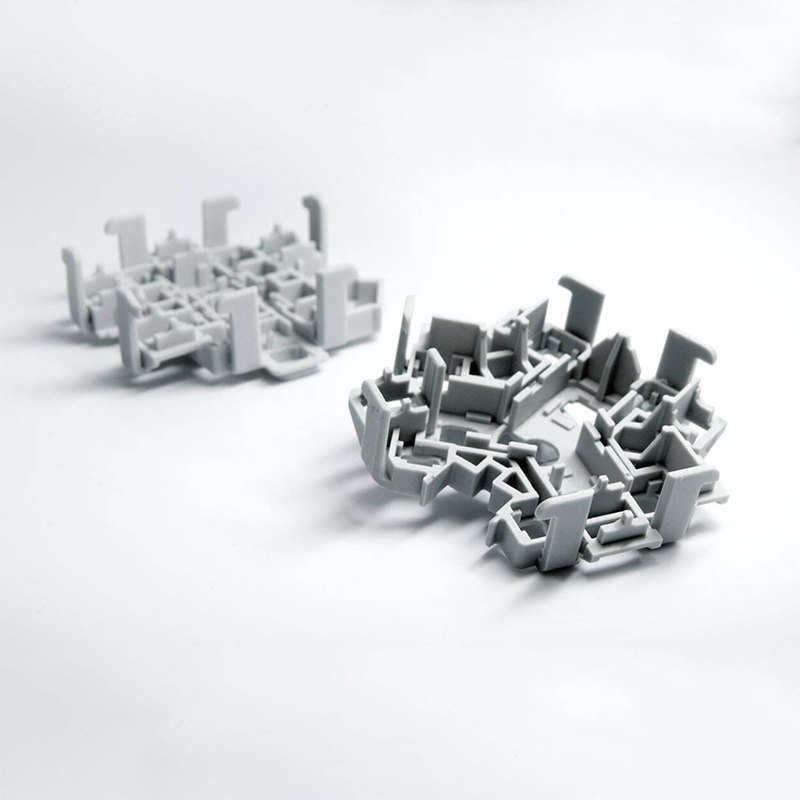
Rapid Prototyping Process:
Experience an efficient journey from design to prototype with our simplified process, and obtain high-quality parts quickly and precisely;

Our Rapid Prototyping Technology
Our rapid prototyping integrates advanced manufacturing technologies to turn designs into high-quality prototypes quickly and efficiently. By leveraging cutting-edge equipment and diverse processes, we ensure precision, material versatility, and fast turnaround times.
Key technologies we use:
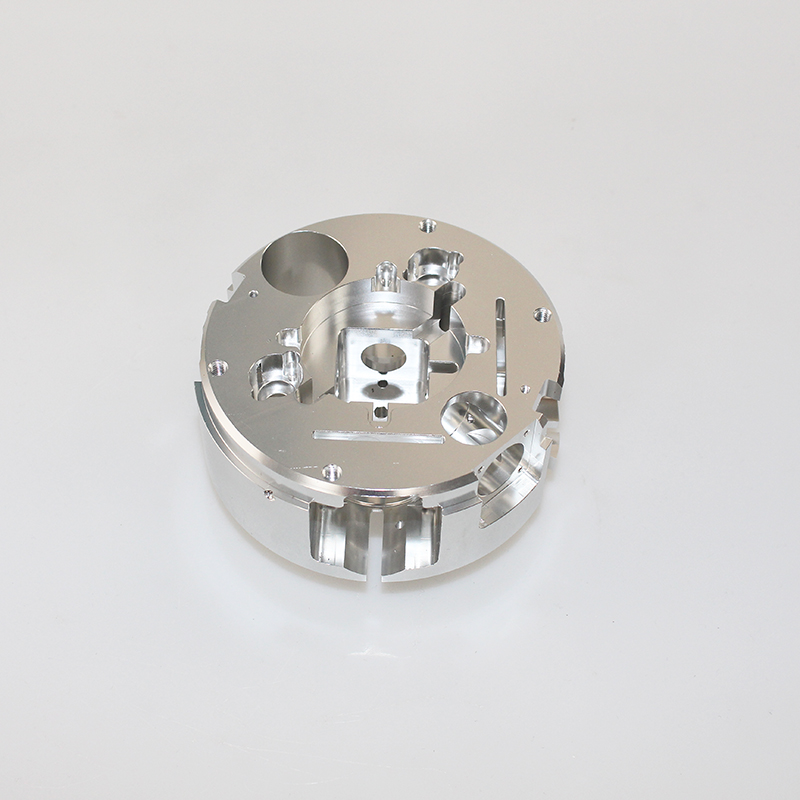
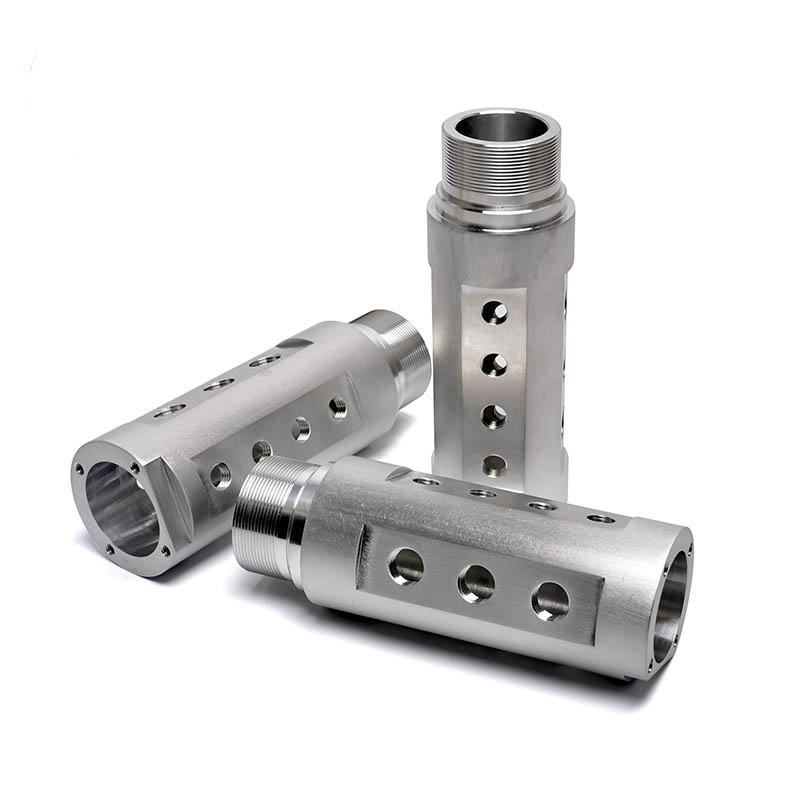
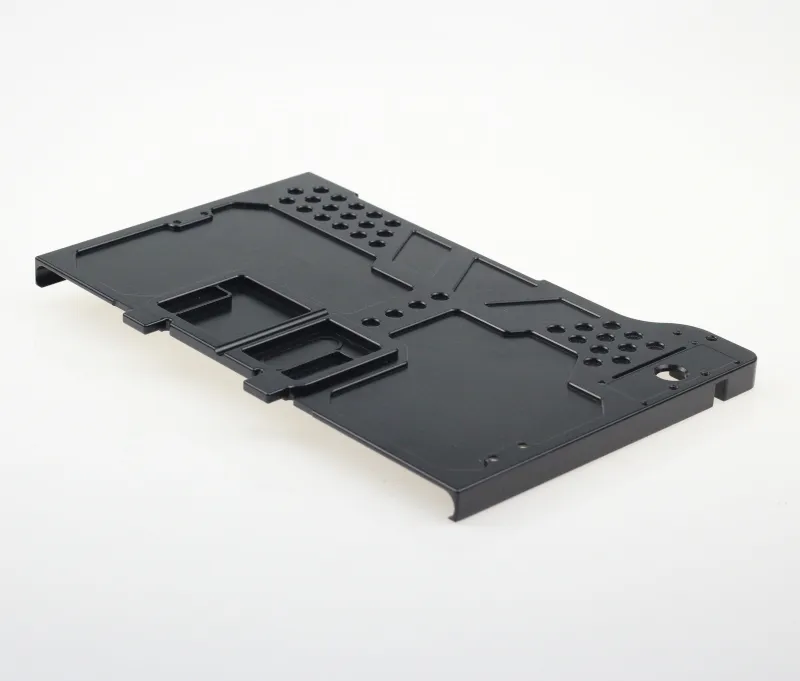
--CNC Machining – High-precision milling and turning for metal and plastic prototypes.
--3D Printing – SLA, SLS, MJF, and SLM for fast, detailed parts.
--Vacuum Casting – Ideal for small-batch plastic prototypes with injection-molded quality.
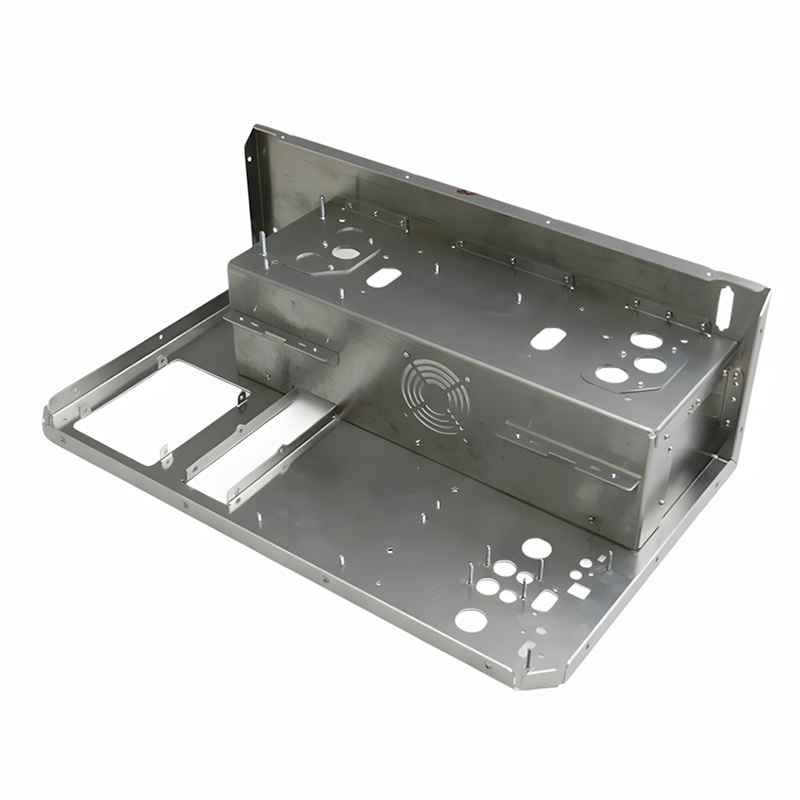
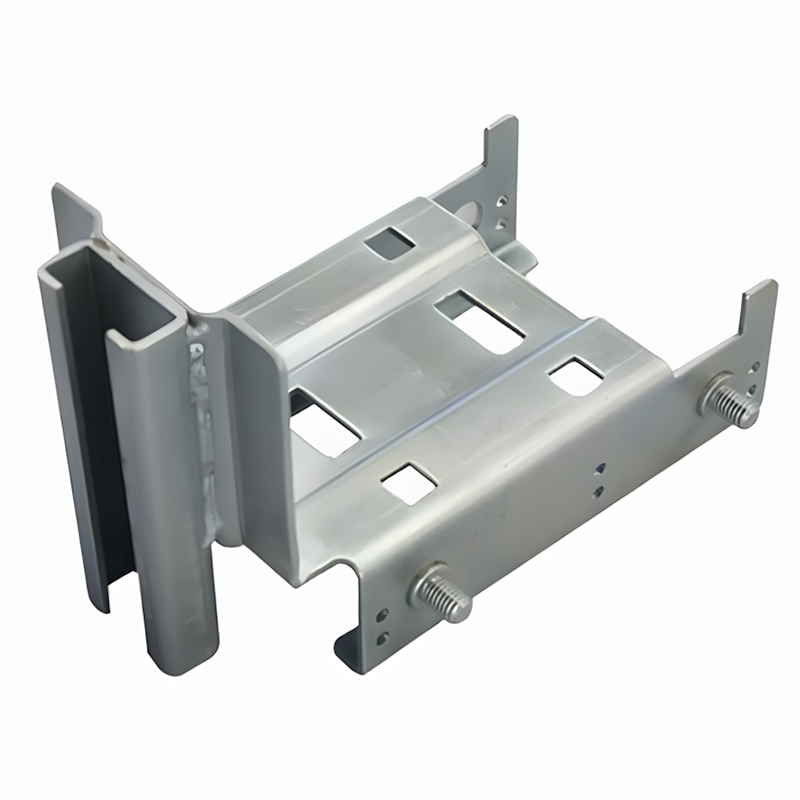
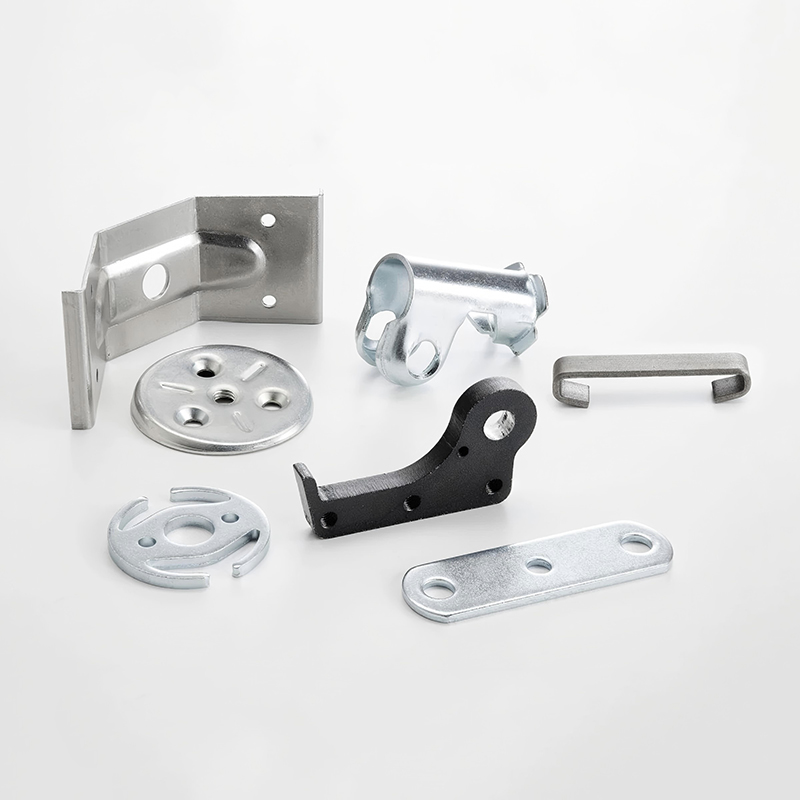
--Sheet Metal Fabrication – Quick production of metal enclosures and structural parts.
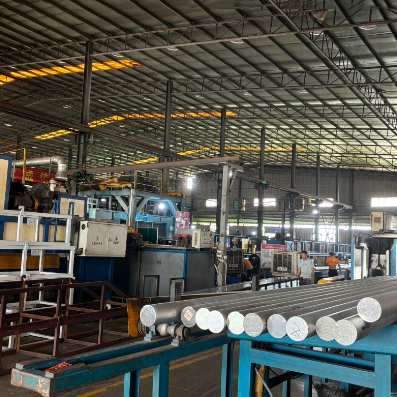
--Our facilities feature industrial 3D printers, multi-axis CNC machines, and advanced molding systems, ensuring exceptional accuracy and repeatability.
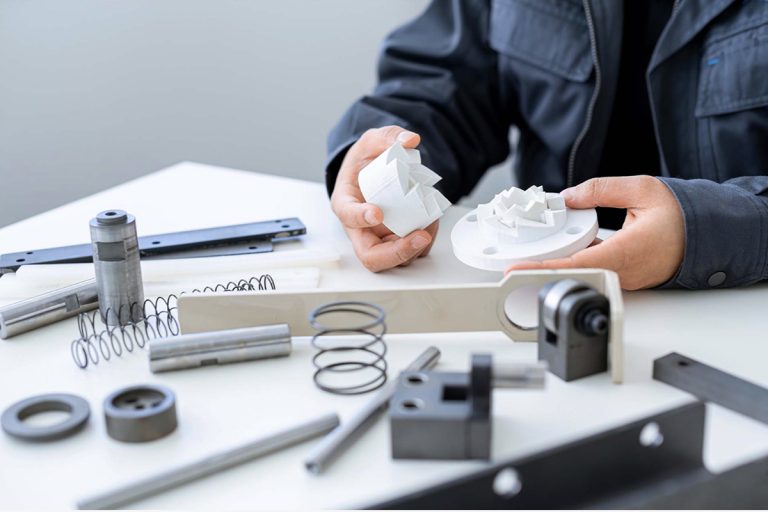
Choose Our Rapid Prototyping Services
1. Technology Type and Applications
--SLA (Stereolithography)
Suitable for high-precision, high-surface-finish prototypes, such as medical models or complex structural parts, with an accuracy of ±0.05mm.
--SLS (Selective Laser Sintering)
Suitable for functional prototypes and small-batch production. Made of nylon or metal powder, it offers mechanical strength similar to injection molding.
--FDM (Fused Deposition Modeling)
Low-cost, suitable for rapid design concept verification, but with lower accuracy and strength (±0.5mm).
2. Key Considerations
--Precision Requirement: SLA and SLS are suitable for micron-level precision, while FDM is suitable for lower-precision requirements.
--Material Properties: SLS's nylon material is suitable for mechanical testing, while SLA resin is suitable for visual verification.
--Cost and Speed: FDM offers the lowest cost, while SLA and SLS are suitable for high-value prototypes.
40px
80px
80px
80px