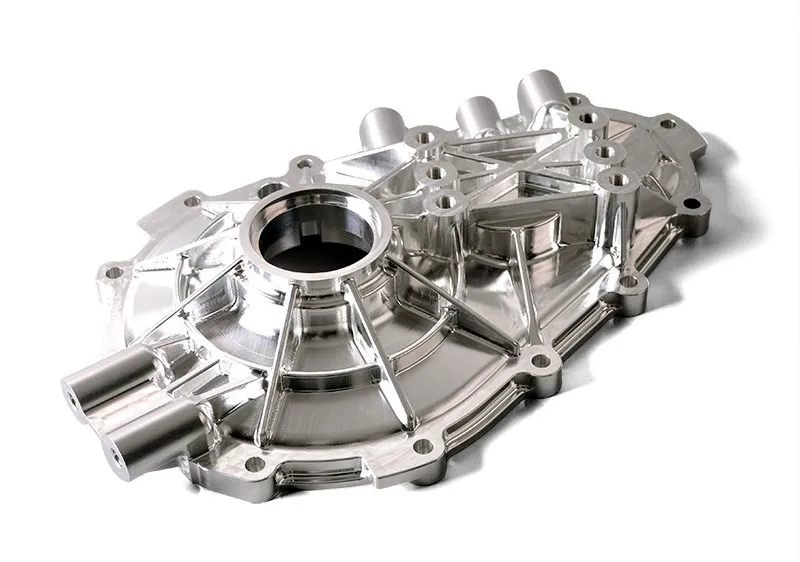
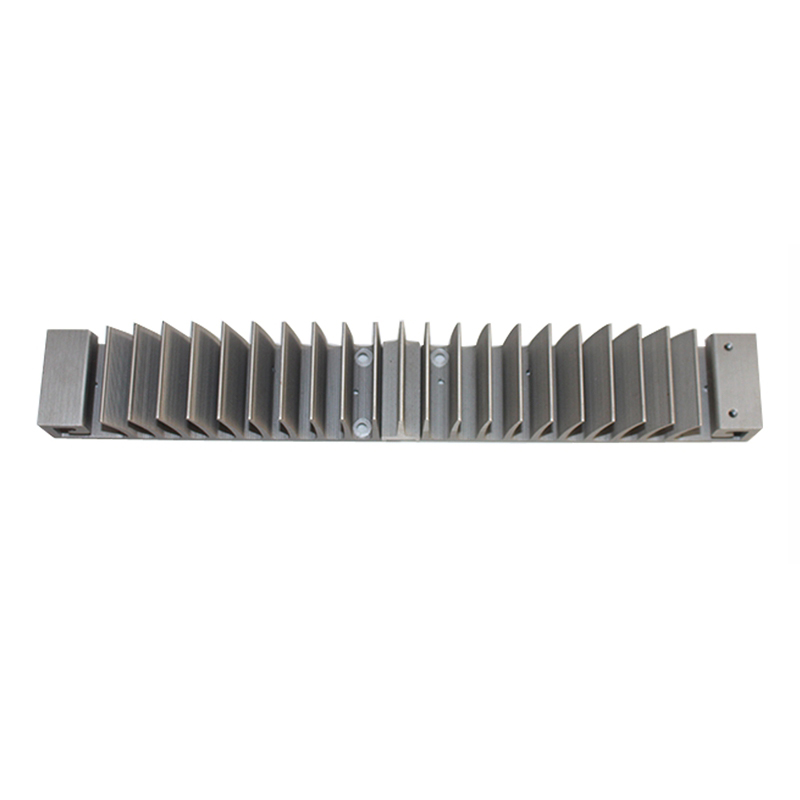
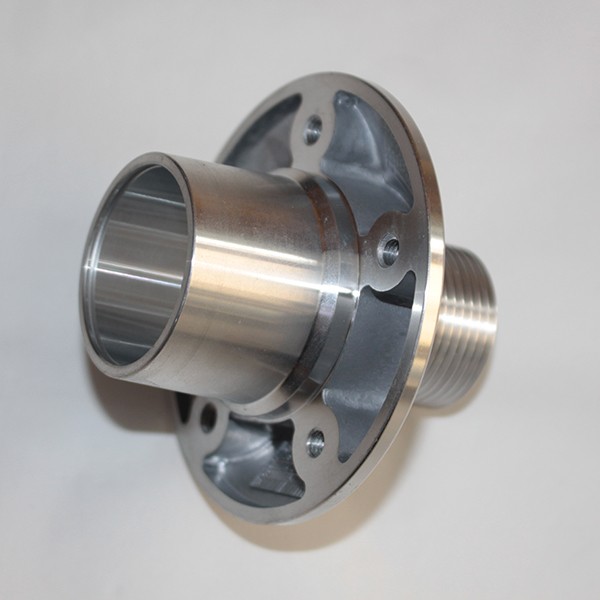
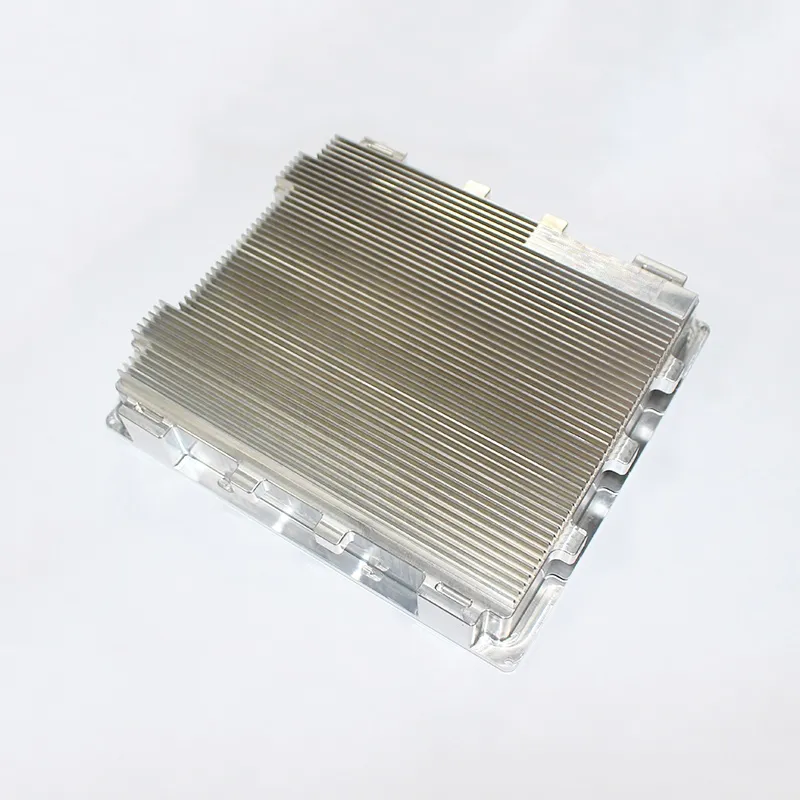
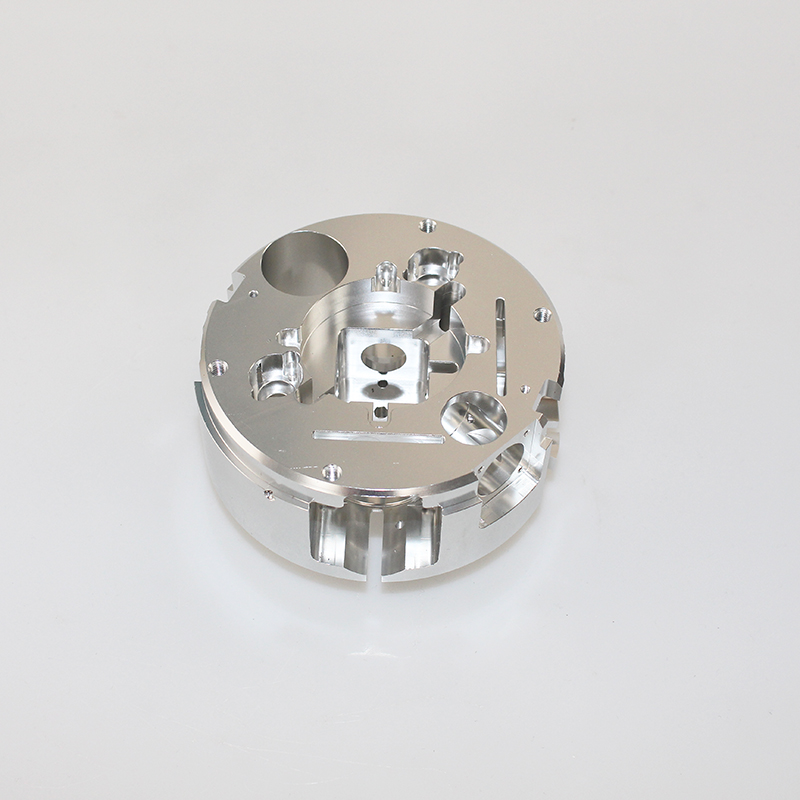
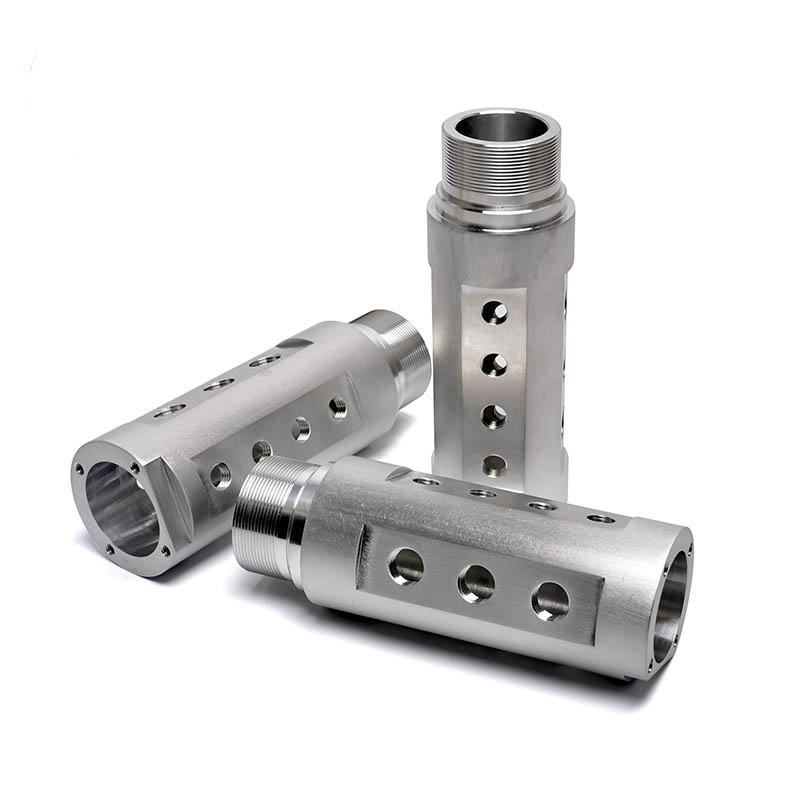
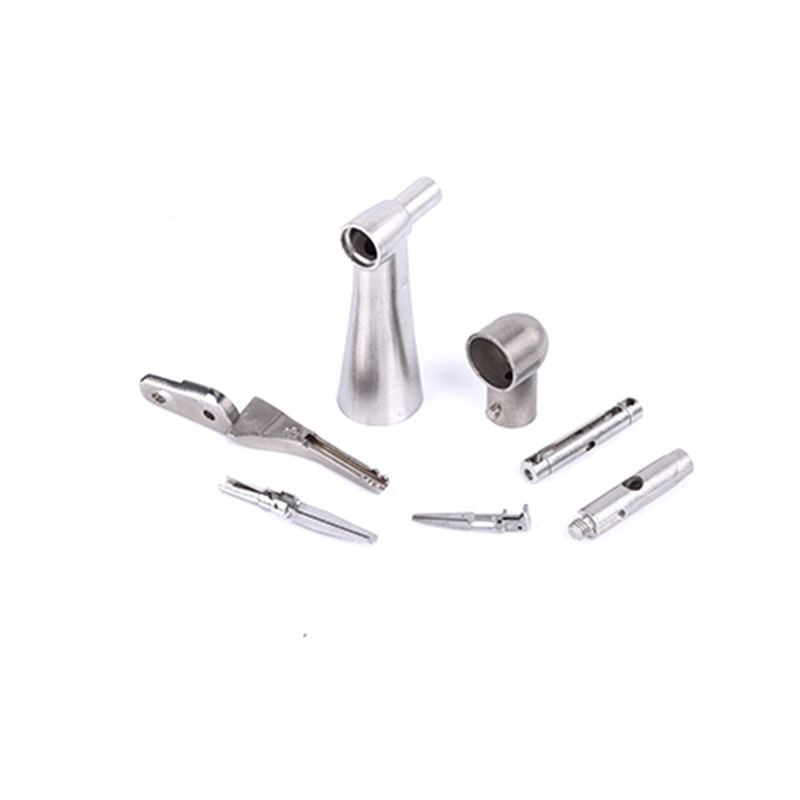
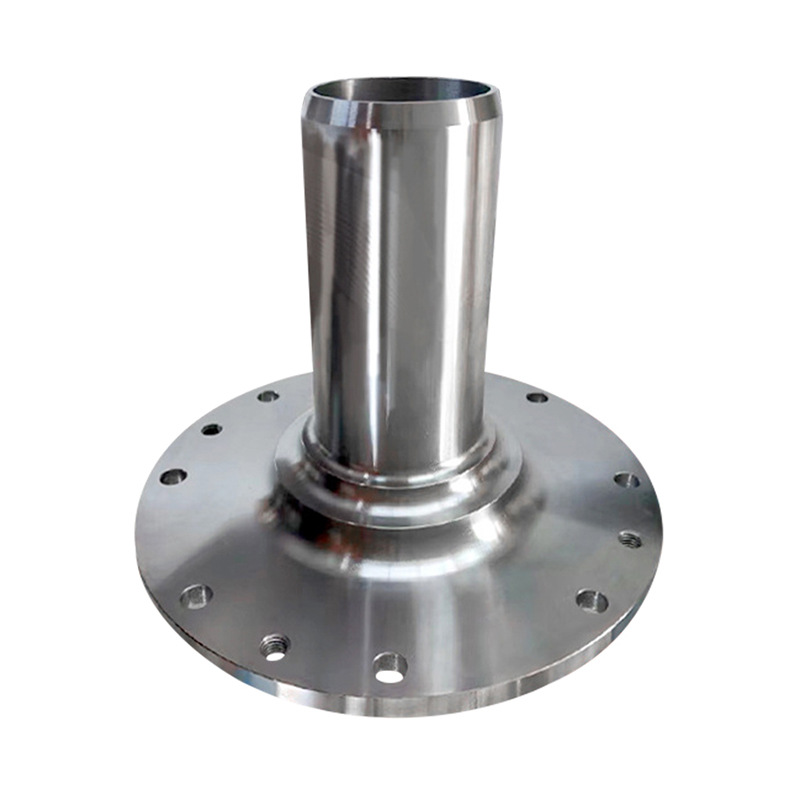
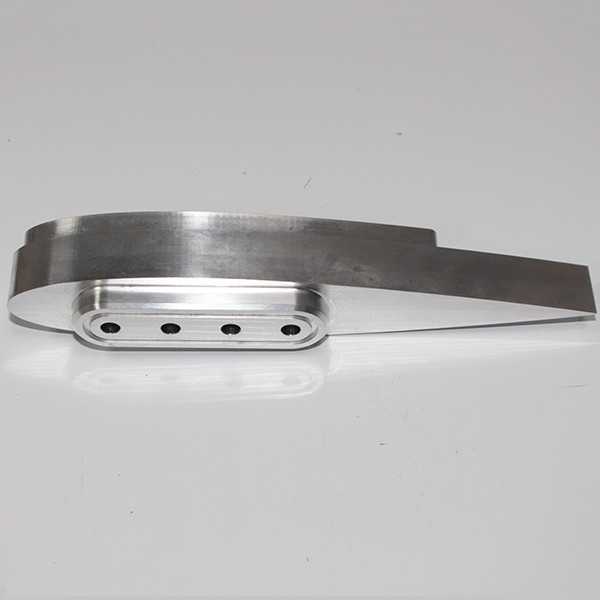
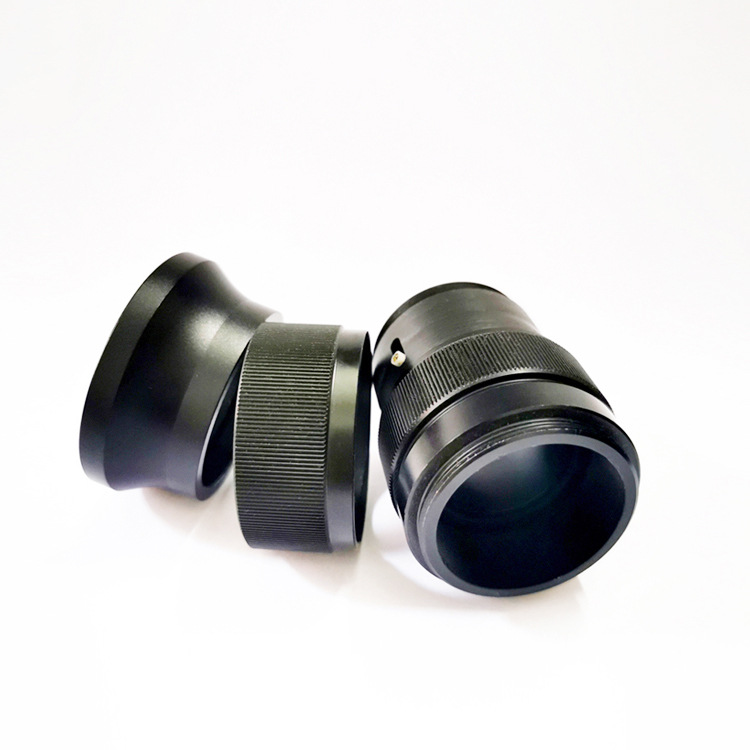
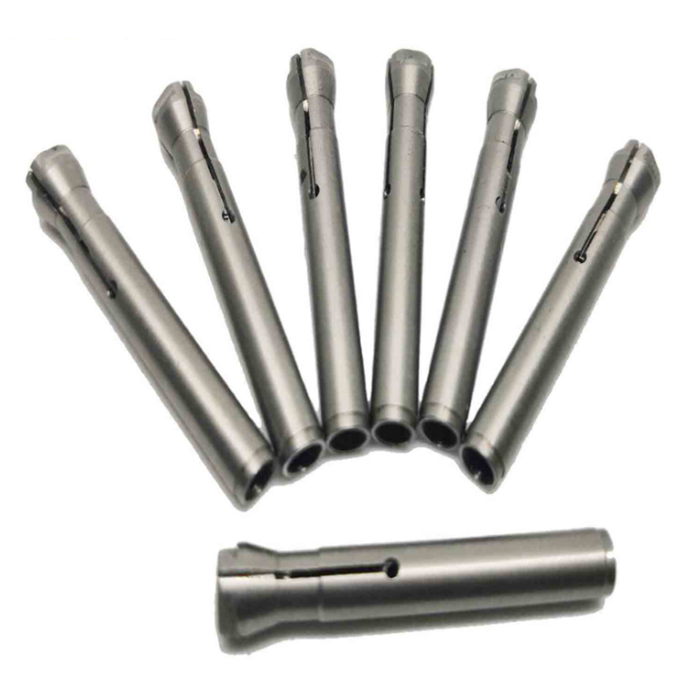
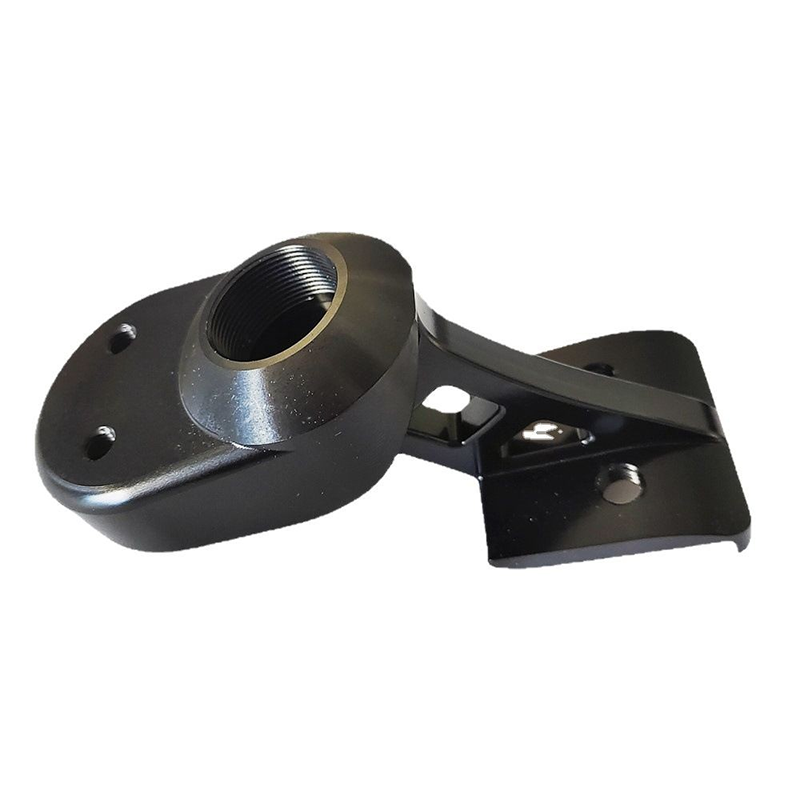
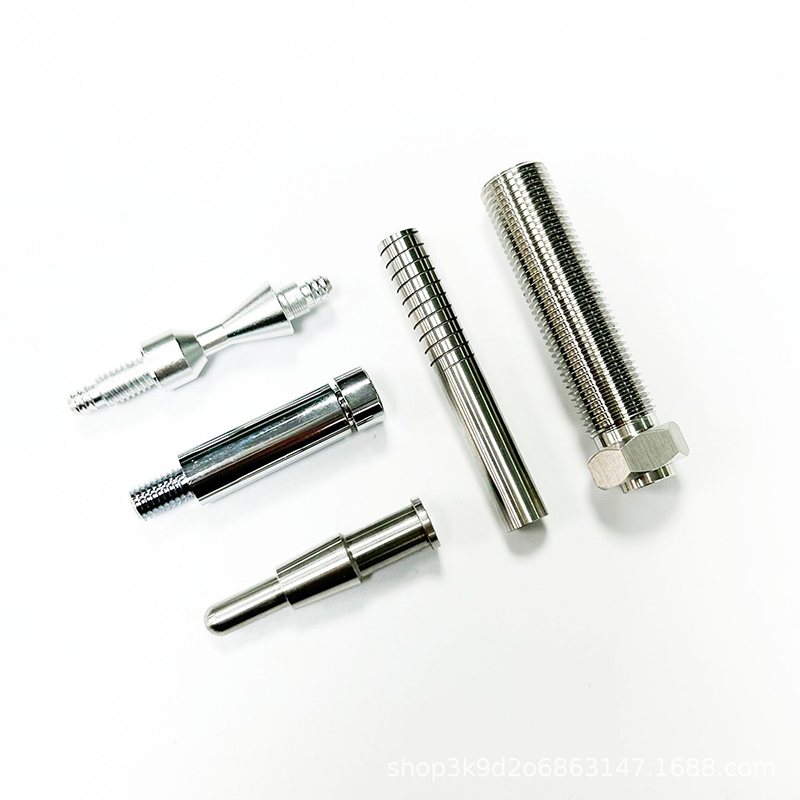
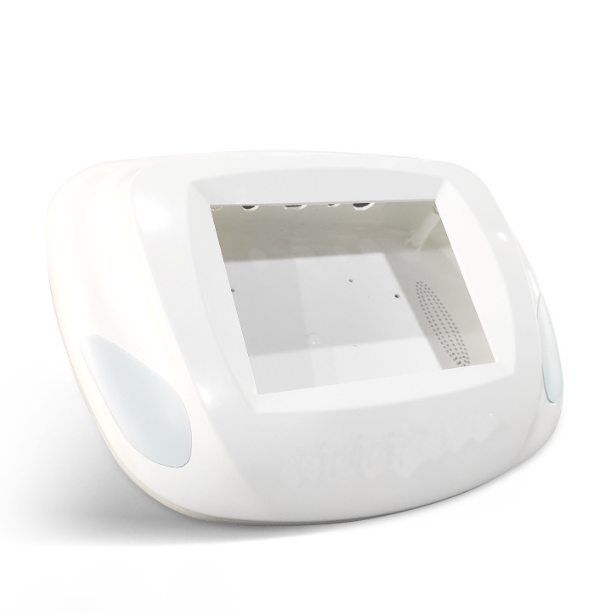
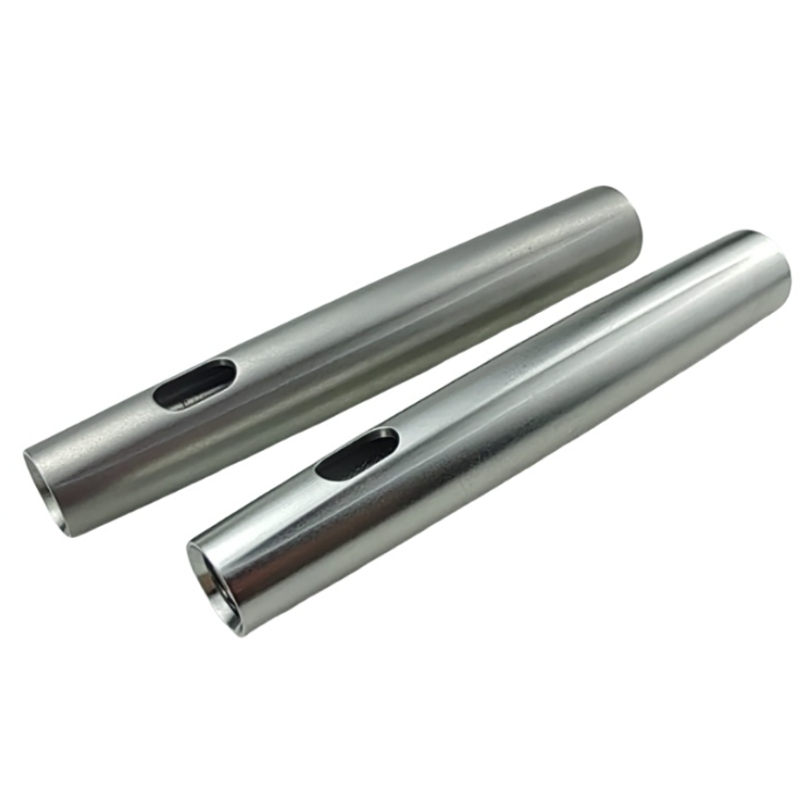
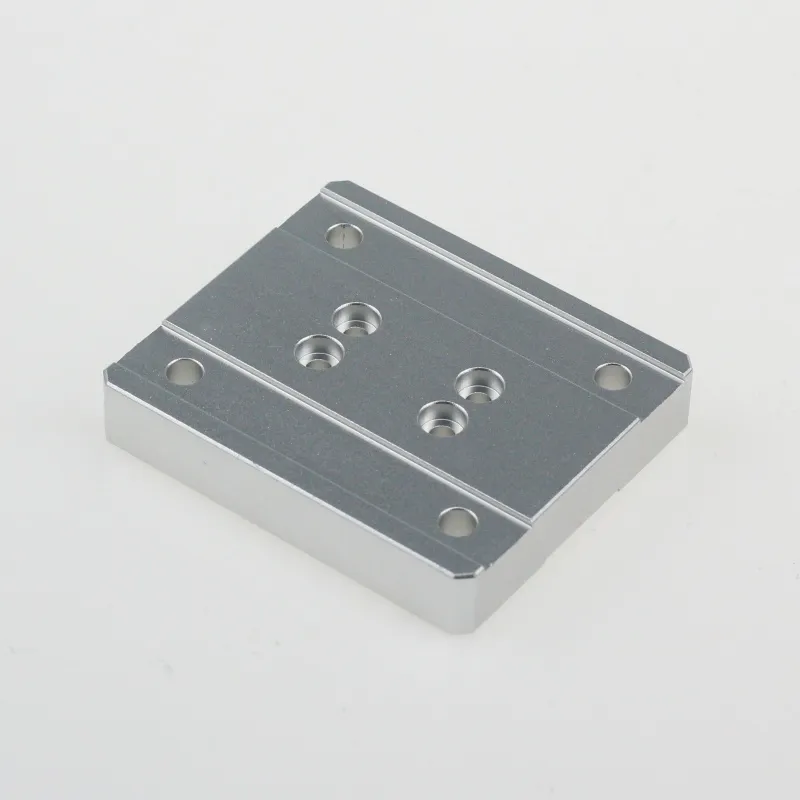
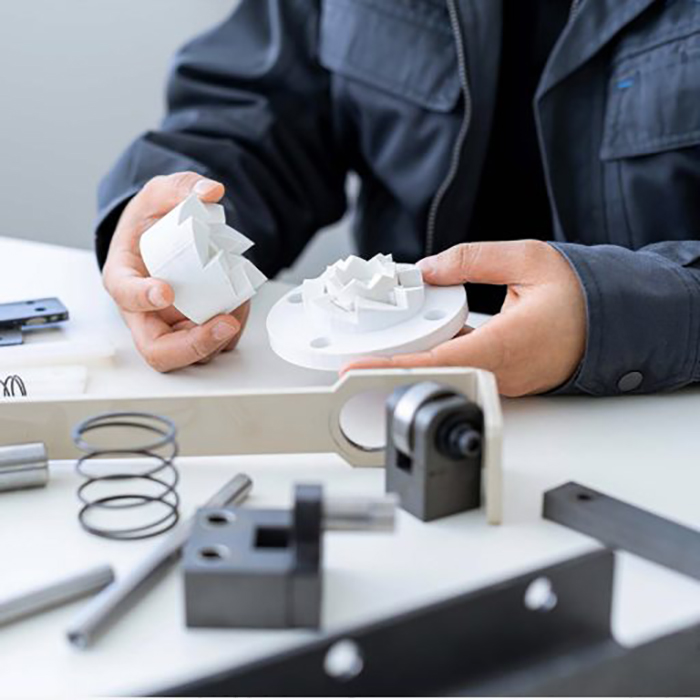
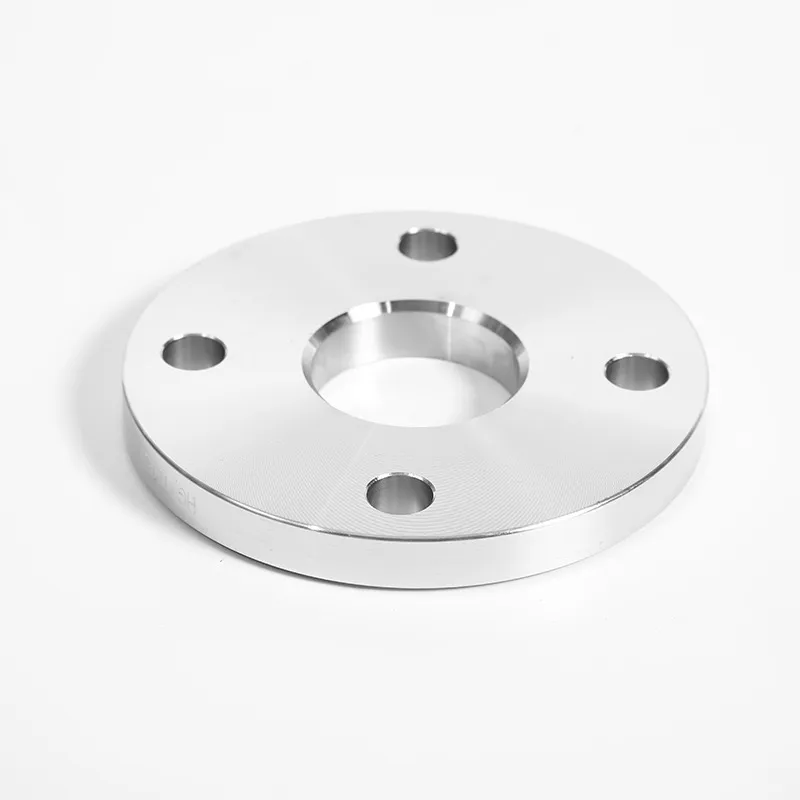
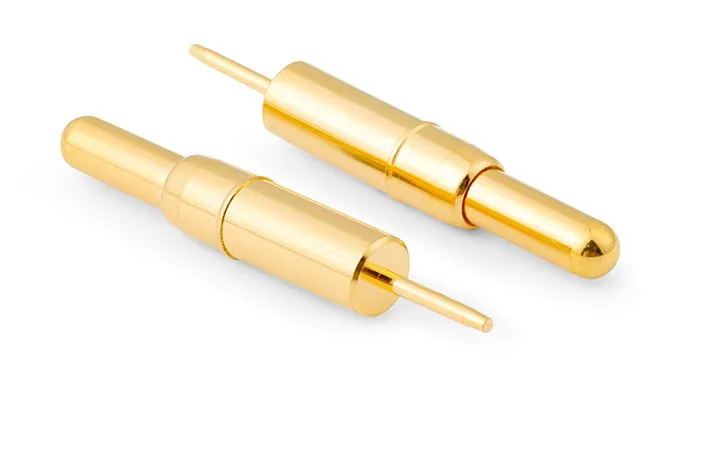
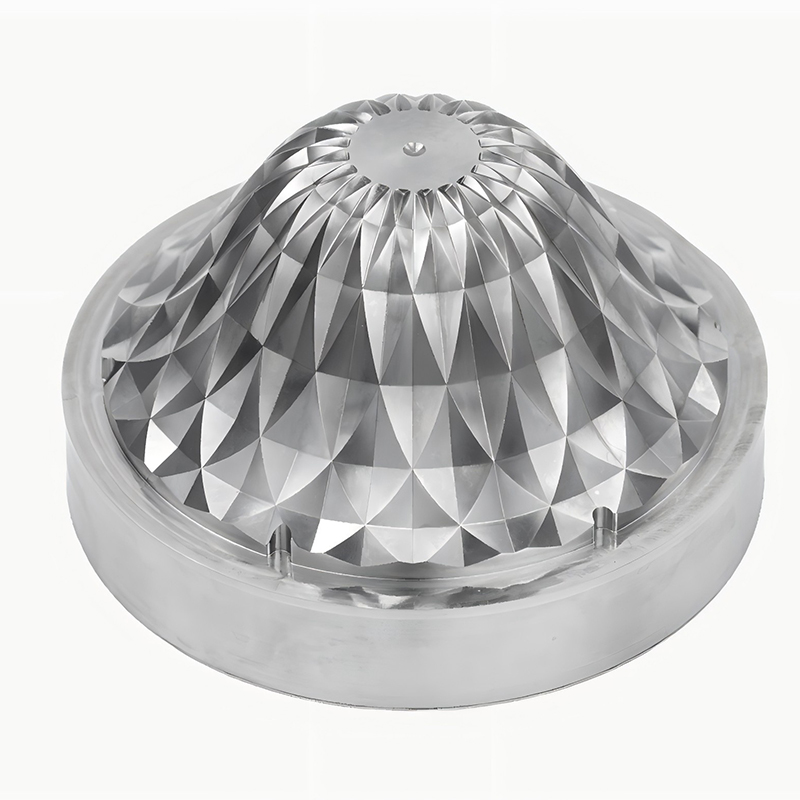
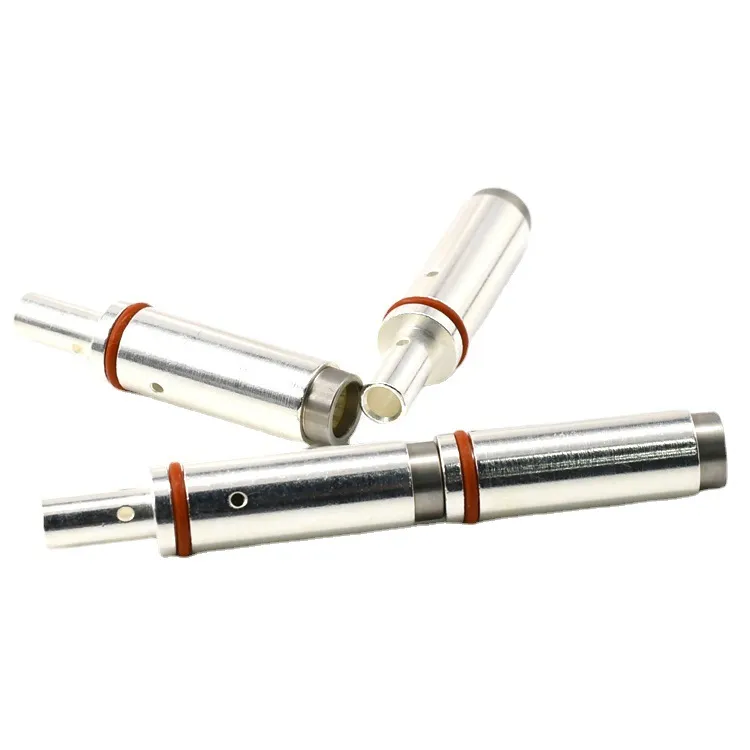
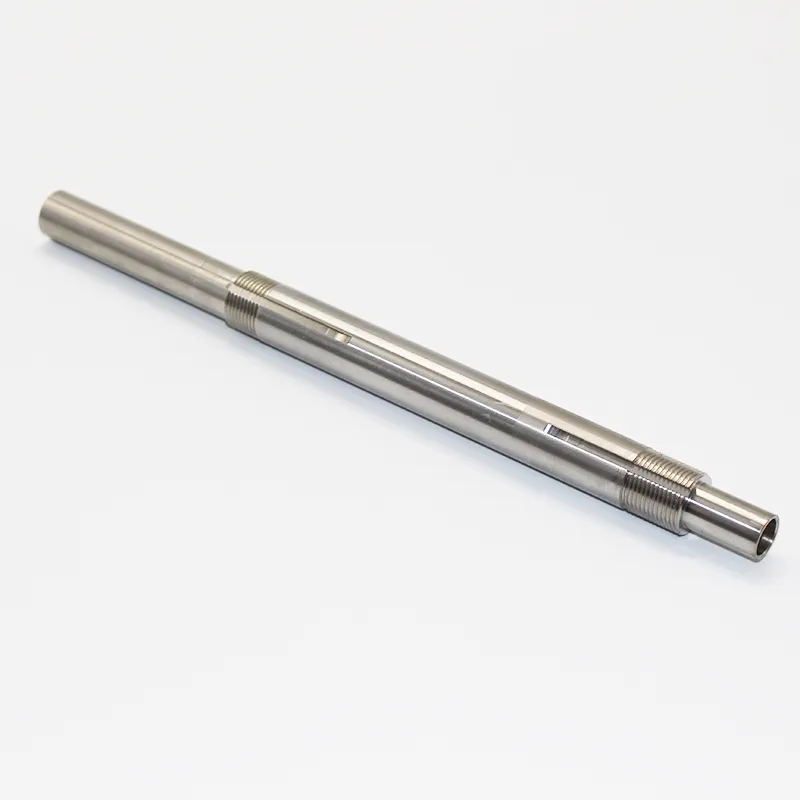
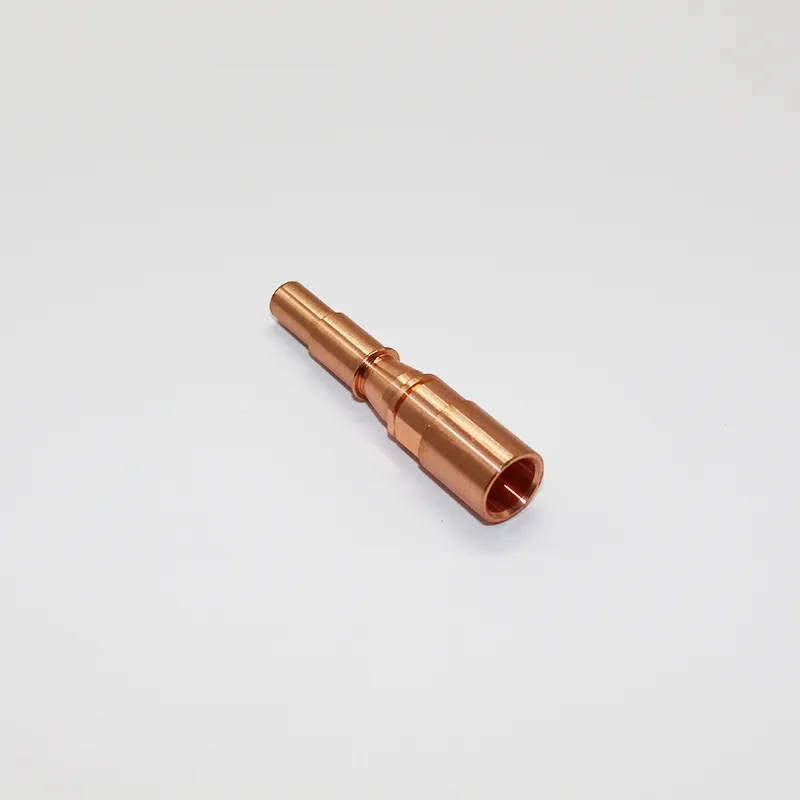
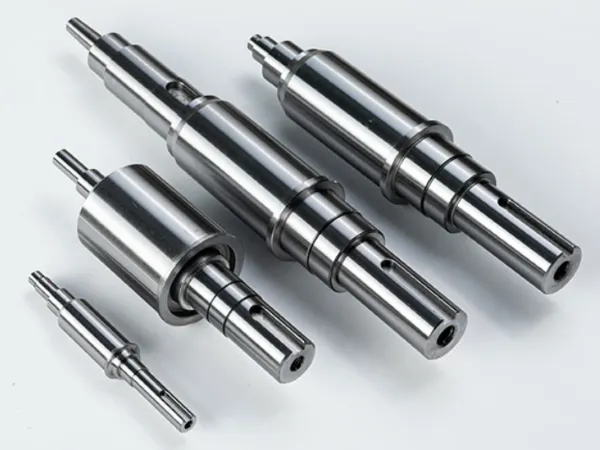

In precision machining, geometry determines the toolpath, while material machinability and post-processing directly determine tool life, spindle time, and yield.
The following analysis, from a manufacturing physics and practical workshop perspective, breaks down how to reduce production costs by optimizing materials and post-processing.
1. Material Machinability: Reducing Spindle Time and Tool Wear
The major costs of CNC machining lie in machine tool spindle time and tool wear. Different materials exhibit vastly different cutting resistances and thermal properties.
l Work Hardening and Cutting Heat: Austenitic 316L stainless steel and titanium alloys (Ti-6Al-4V) have extremely poor thermal conductivity. High cutting temperatures concentrate at the tool tip, leading to severe work hardening of the material. This forces the machine tool feed rate to extremely low levels, exponentially shortening tool life.
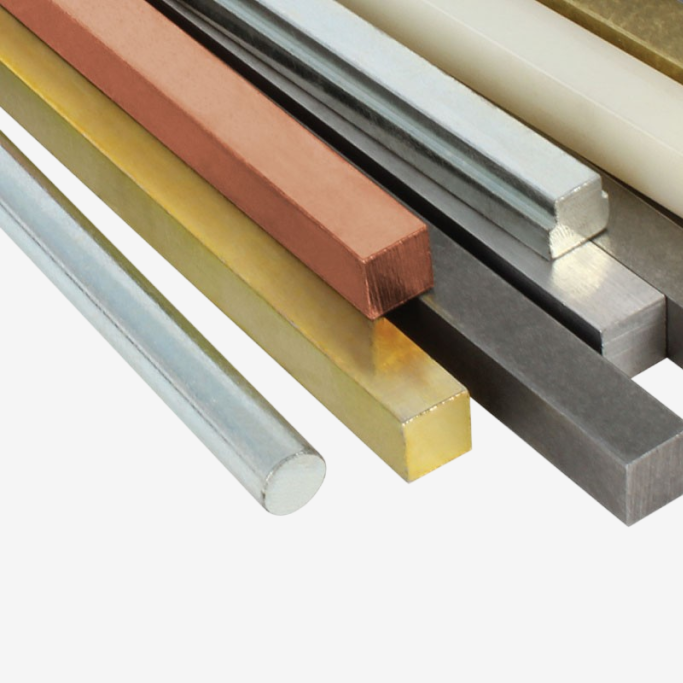
l Advantages of Free-Machining Elements: When mechanical properties permit, workshops recommend using free-machining steels with trace amounts of sulfur, phosphorus, or lead (such as AISI 1215, 1144). These materials offer fast chip breaking, self-lubrication, and machining speeds 3 to 4 times faster than ordinary stainless steel.
l Optimization Suggestions: For non-structural corrosion-resistant parts, it is recommended to use aluminum alloys (such as 6061-T6) + anodizing instead of stainless steel; for high-strength shaft parts, it is recommended to use 4140 or 30CrNiMo8 quenched and tempered steel instead of difficult-to-machine high-hardness alloys to improve cutting speed and shorten spindle time.
2. Allowance Mechanics: Matching Market Standard Raw Material Specifications
CNC machining is a form of subtractive manufacturing. The degree to which the final dimensions of the part match the standard specifications of the raw material directly affects material utilization and machining time.
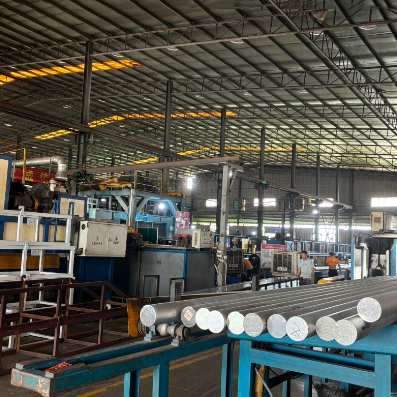
l Peeling Allowance and Deformation: Metal bars or plates often have a decarburized layer or an uneven outer shell on their surface when they leave the factory; therefore, "peeling" should be the first choice during machining. If the maximum outer diameter of a part (e.g., 25.4 mm) exceeds the standard bar stock specification (25 mm), the workshop must order a 30 mm diameter bar stock.
l Ineffective cutting costs: This means that 4.6 mm of diameter needs to be removed during machining. The customer not only has to pay for the raw material reduced to scrap but also for the cost of rough machining time. Furthermore, the residual stress caused by excessive cutting can easily lead to bending deformation of the part after machining.
l Optimization suggestion: Without affecting functionality, the maximum outer dimension of the part should be 1.5 to 2 mm smaller than the standard bar/plate specification, only allowing for basic shaving and alignment allowances.
3. Tolerance overlap: Rationally define post-processing areas
Post-processing (anodizing, electroless nickel plating, passivation, sandblasting, etc.) will change the surface dimensions of the part, directly affecting the tolerance control of CNC machining.
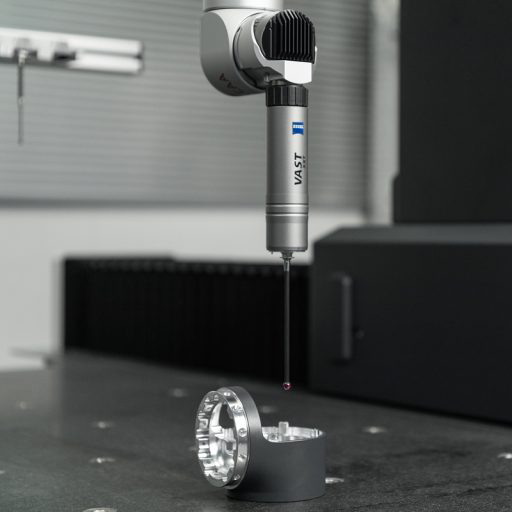
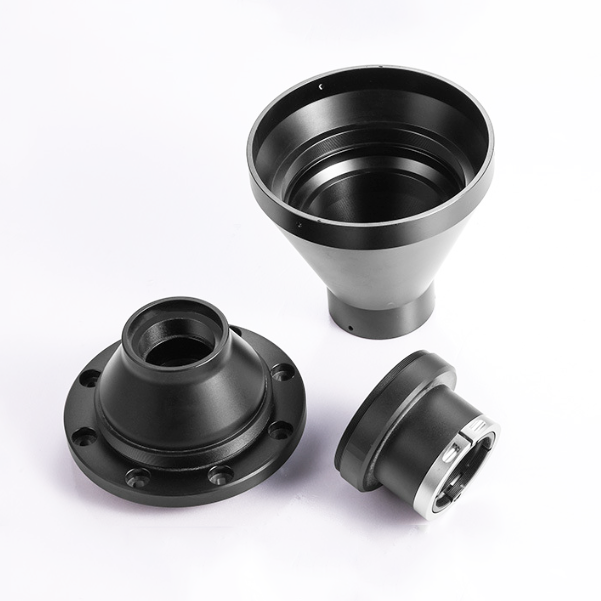
l Platinum thickness destroys precision tolerances: Surface treatments have physical thickness. Ordinary anodizing increases thickness by 5-10 μm per side, while hard anodizing or electroless nickel plating can achieve 20-50 μm. If the tolerance for mating holes or bearing positions on the drawing is ±0.01 mm, full-part electroplating will lead to reduced hole diameter and dimensional deviations.
l Labor costs for masking: To ensure critical tolerances, the workshop needs to manually mask precision holes using high-temperature resistant tape or special plugs before electroplating. The more holes masked and the more complex the geometry, the higher the labor and time costs.
l Optimization suggestion: Clearly mark "local post-processing" on the drawings, distinguishing between the surface anti-corrosion area and the precision mating area, and specifying which mating holes are strictly prohibited from electroplating and require masking. This ensures assembly accuracy and avoids rework and masking costs.
How We Empower Every Hardware Drawing with Machining Workshop Manufacturing Logic
When you submit your STEP, IGES, or DXF files to us, our manufacturing engineering team will comprehensively analyze the material's machining physics and post-processing. If our solution can help you reduce machining time by 30% and eliminate assembly risks by fine-tuning the material grade or raw material specifications, we will provide you with this professional feedback from the front lines of the workshop without reservation.
Preparing to start up your next challenging part? Contact our engineering team now for a professional CNC quote and technical feedback on end-to-end optimization from raw materials to post-processing!