

40px
80px
80px
80px
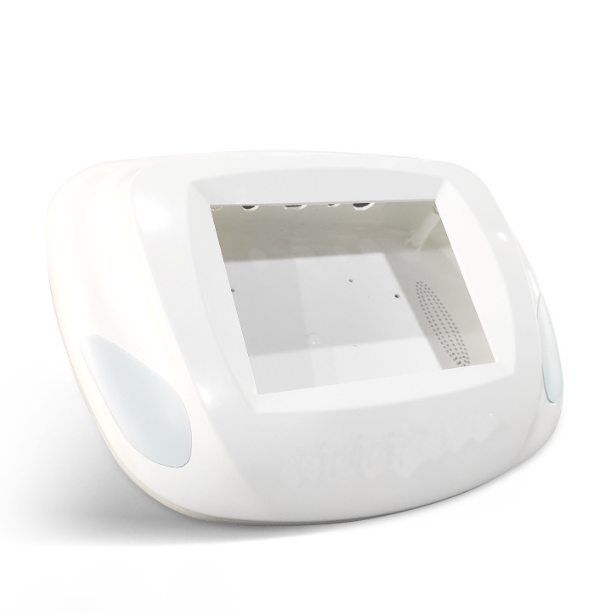
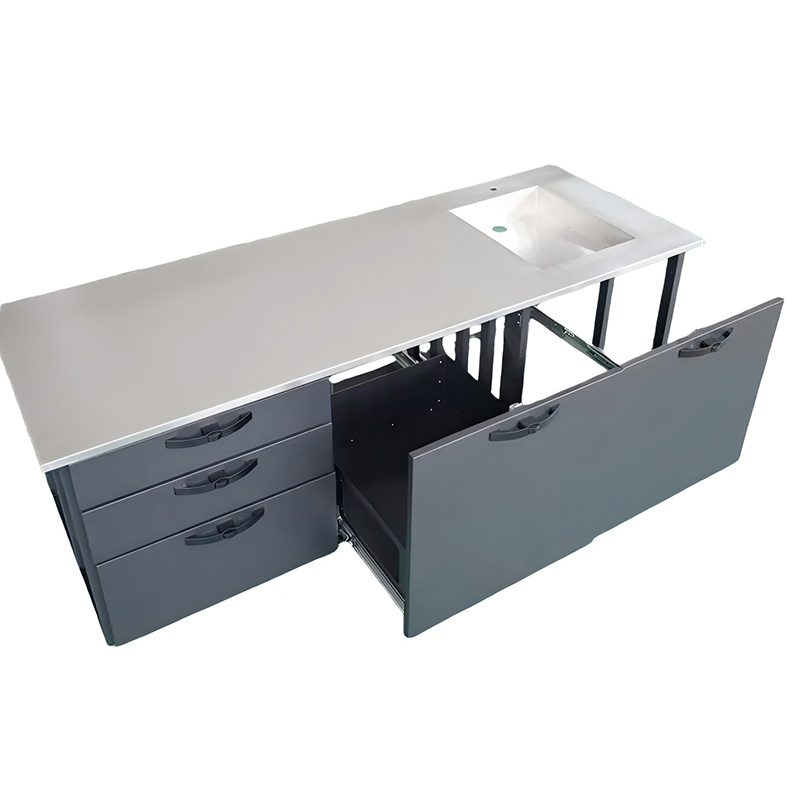
Medical device housing processing involves high-precision manufacturing and specialized material processing:
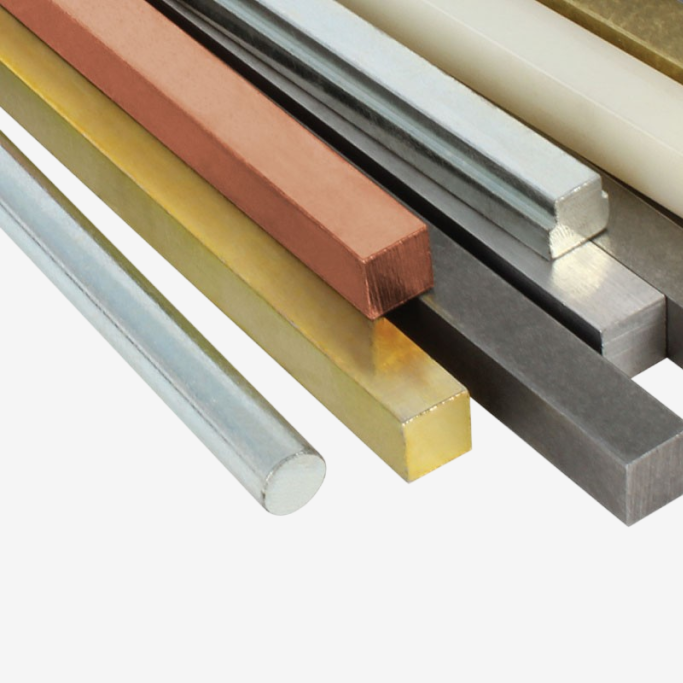
Material Selection
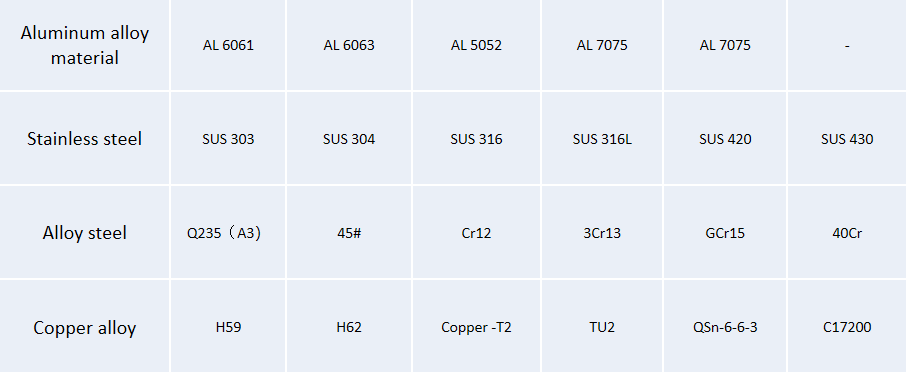
1. Medical-grade stainless steel (316L)
Offers excellent corrosion resistance and easy cleanability. The surface requires electrolytic polishing to Ra ≤ 0.2μm to meet frequent disinfection requirements.
2. Aluminum Alloy
- Lightweight design, hard anodized for enhanced wear resistance, suitable for portable devices.
3. Specialty Engineering Plastics (e.g., PPSU)
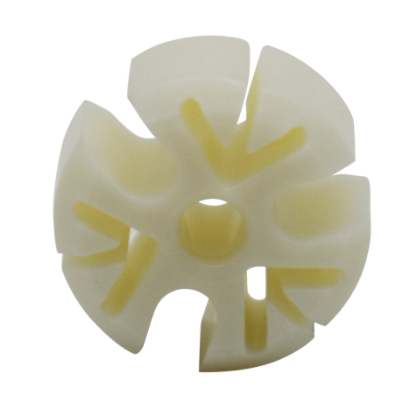
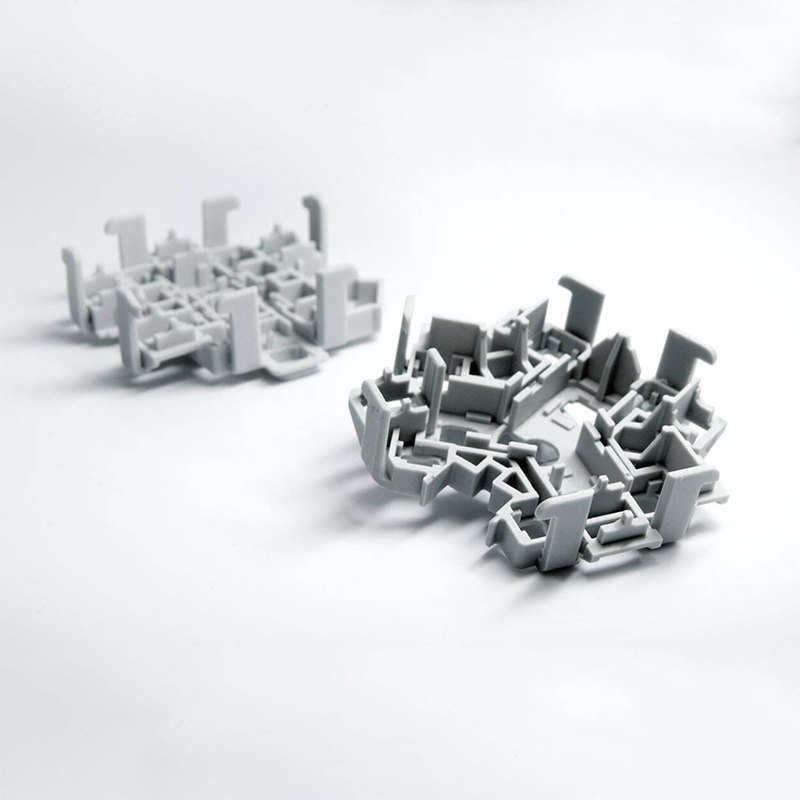
Used for components requiring biocompatibility, complex structures can be achieved through precision injection molding.
Core Processing Technology:
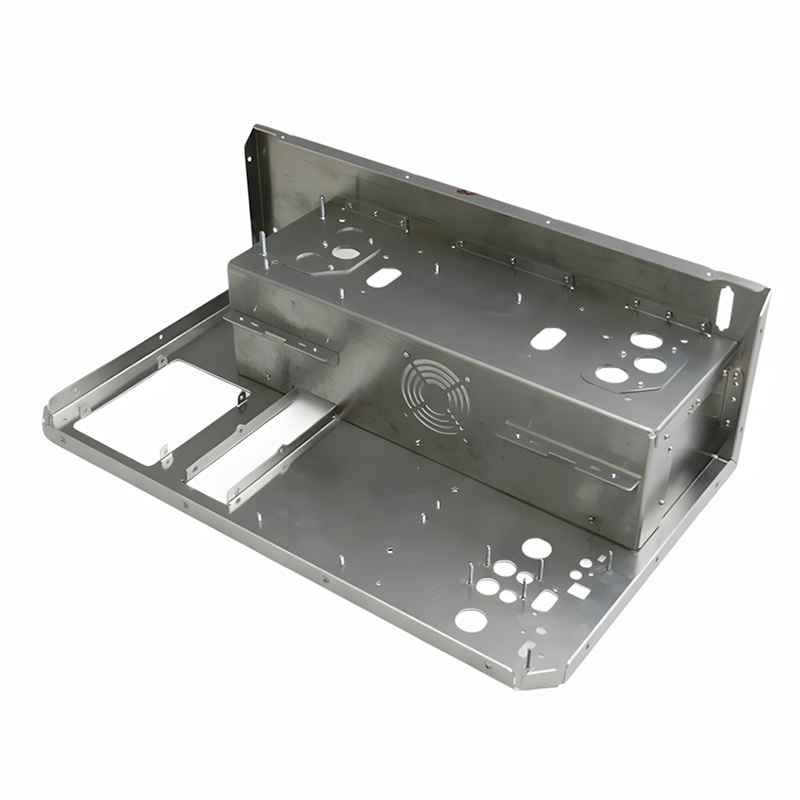
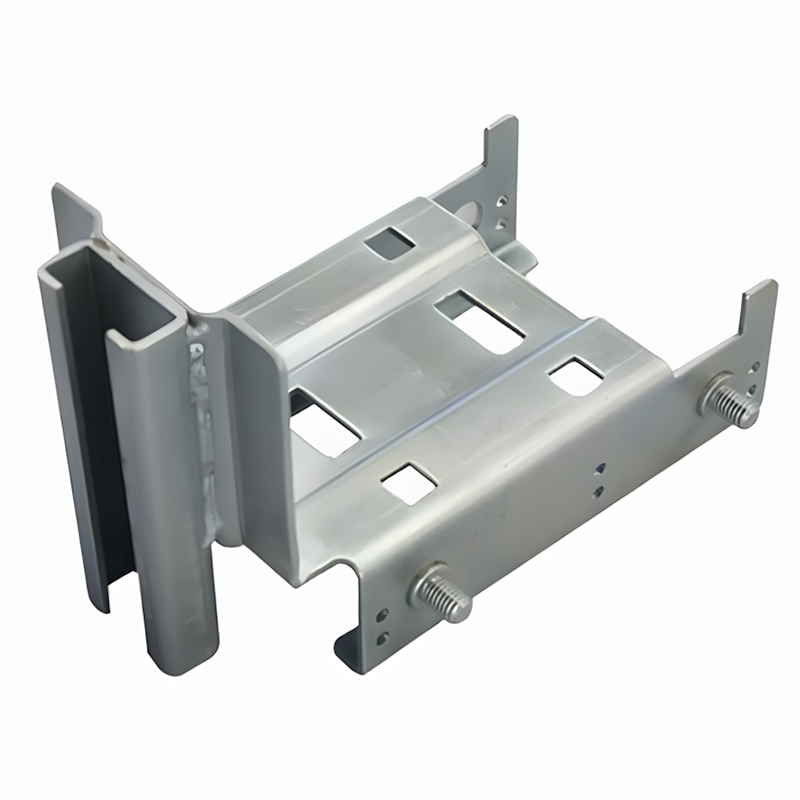
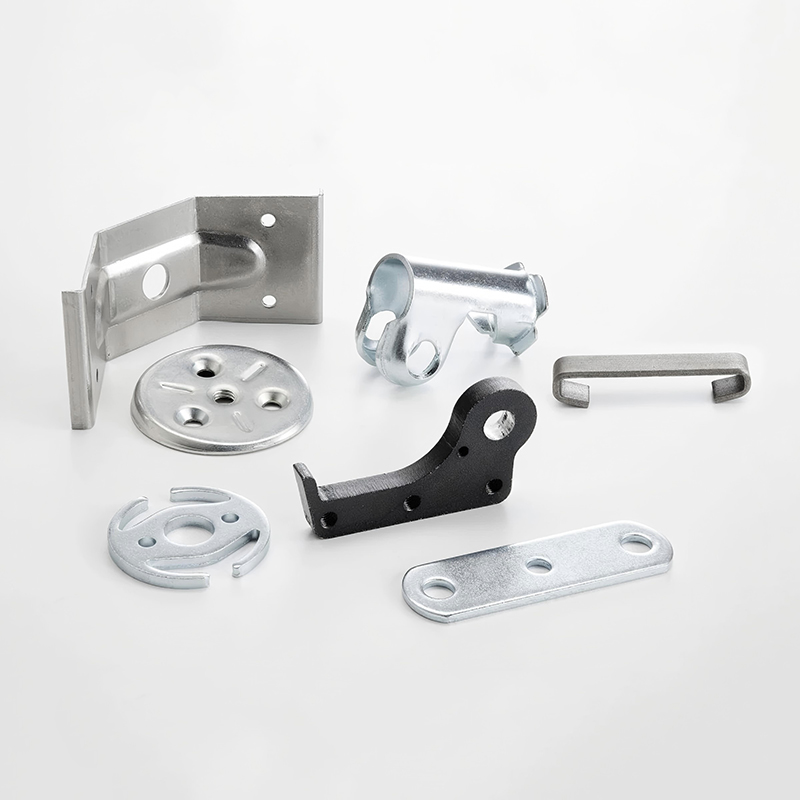
- Sheet Metal Processing CNC laser cutting, bending, and welding achieve micron-level precision, suitable for sealed metal housing designs (IP54 protection rating).
Injection Molding:
For plastic housings, mold temperature and injection pressure must be controlled to ensure burr-free molding of materials like PPSU.
Surface Treatment:
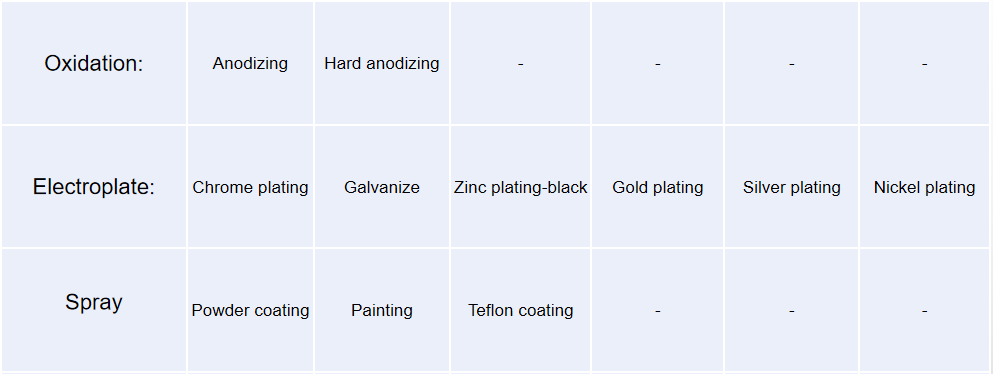
Includes plasma spraying (for enhanced wear resistance), laser engraving (for traceability), and electropolishing (for improved finish).
Quality Control Key Points:
Cleanliness Control: Processed in a Class 10,000 cleanroom to avoid particulate contamination.
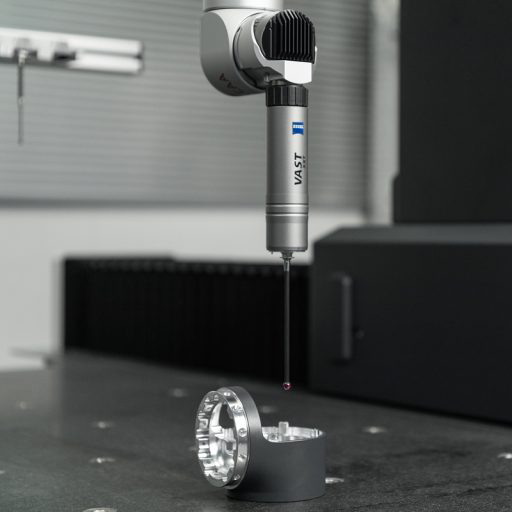
Performance Testing: Certifications such as biocompatibility (ISO 10993) and electrical safety (IEC 60601) are required.
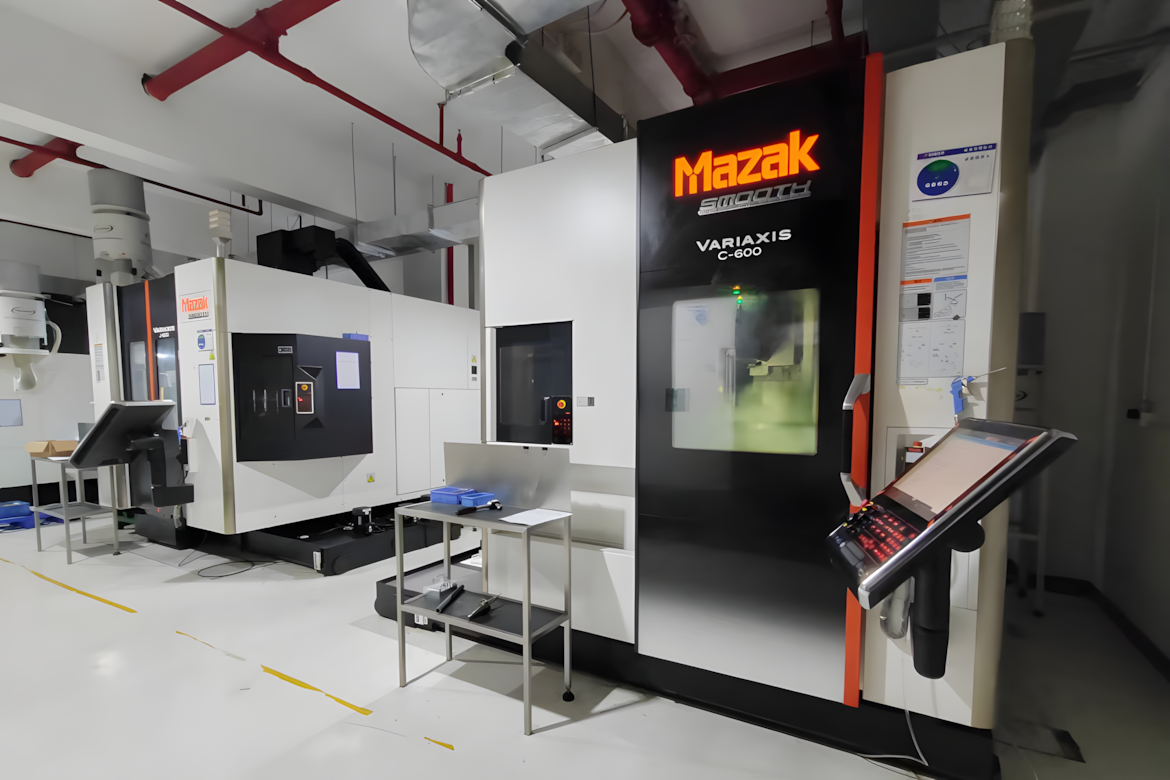
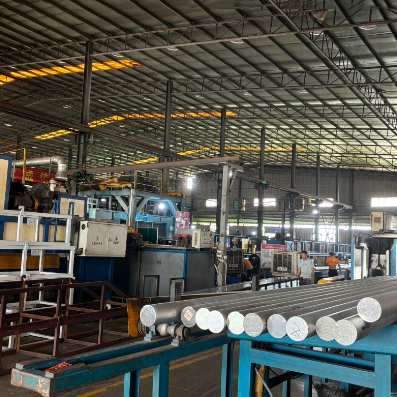
CNC workshop
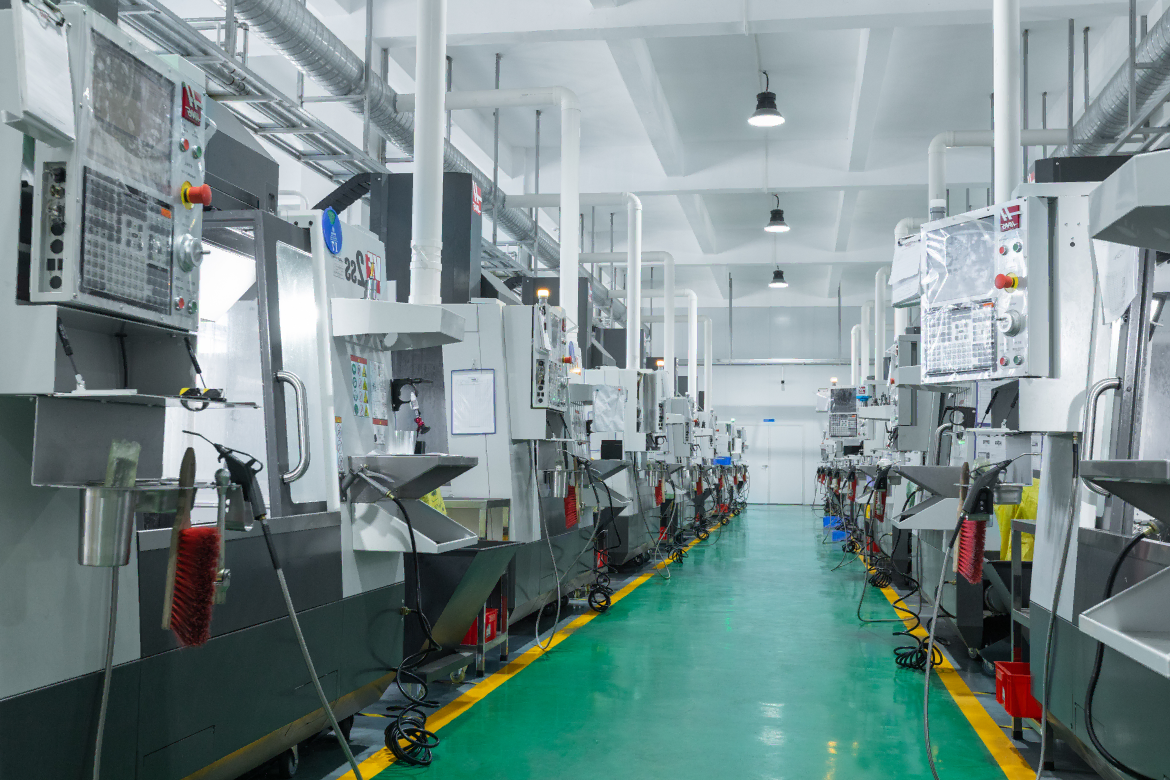
CNC workshop
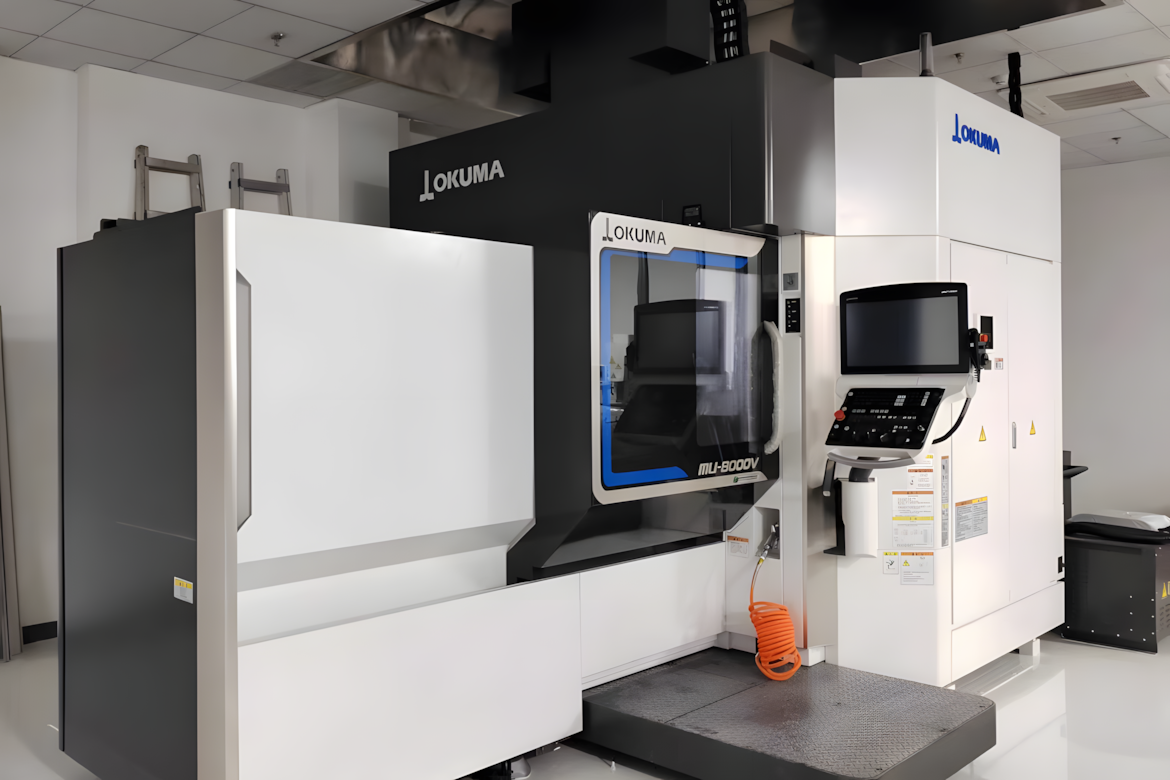
CNC workshop
CNC workshop
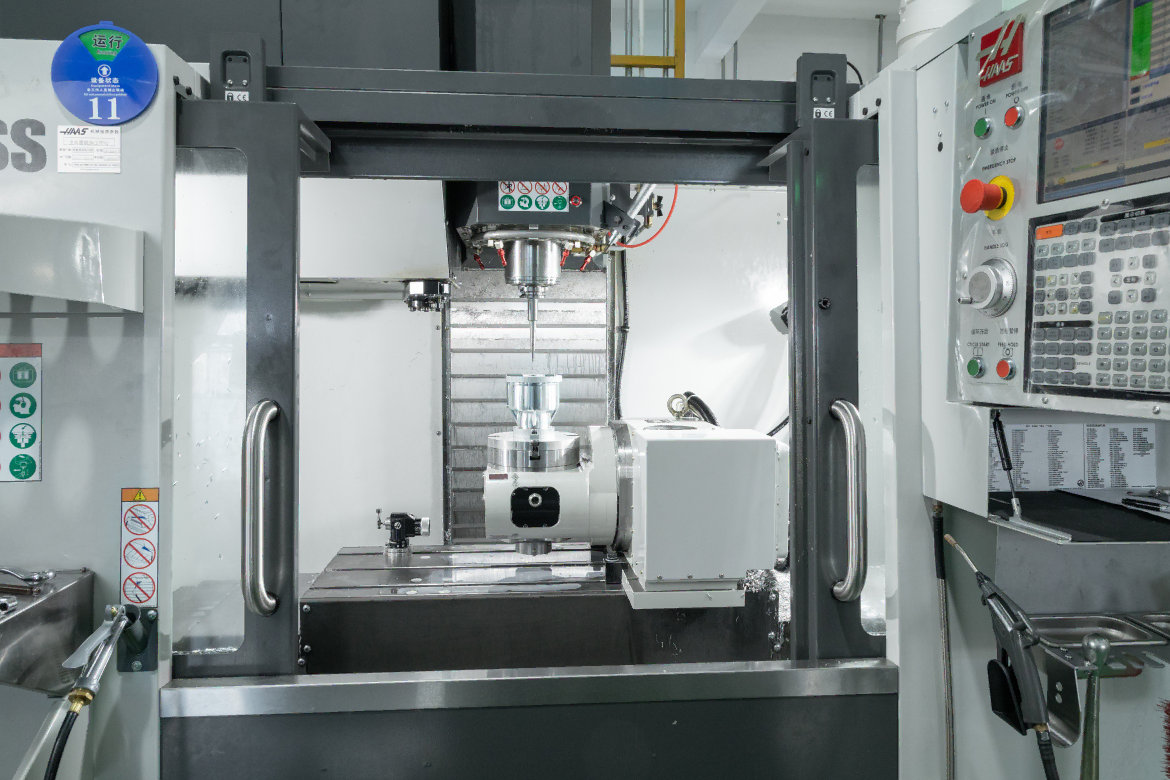
CNC workshop
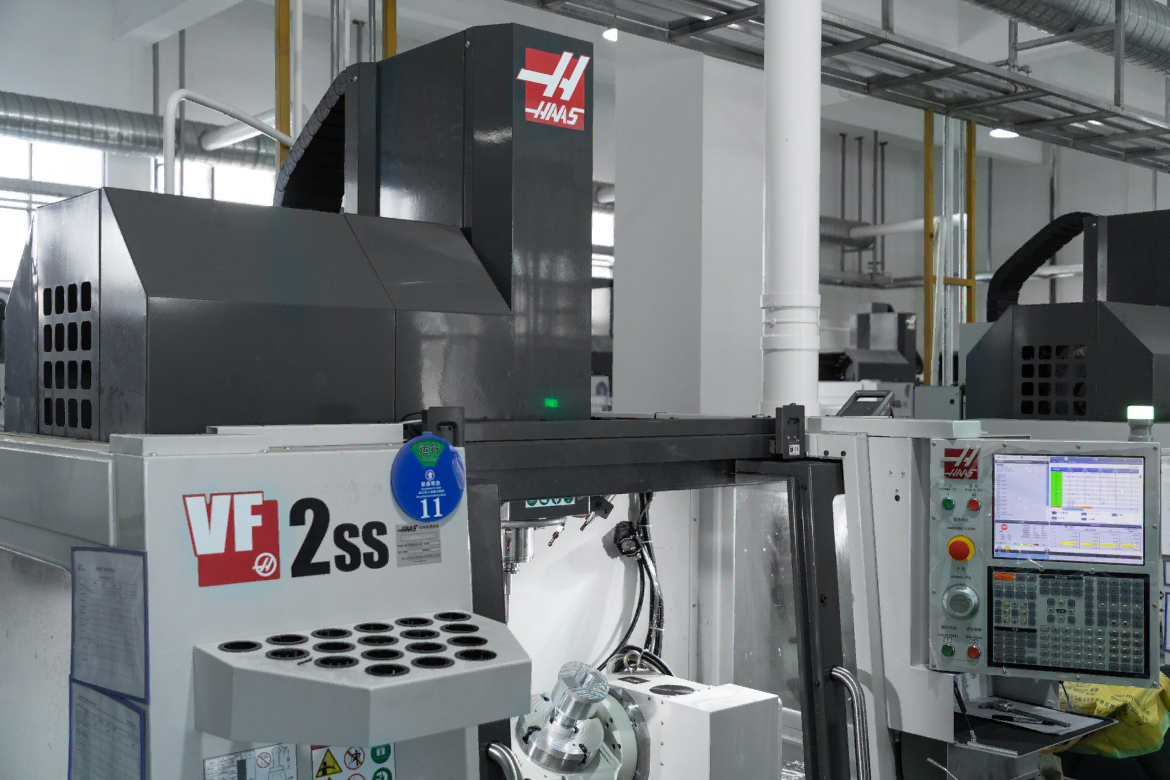
CNC workshop
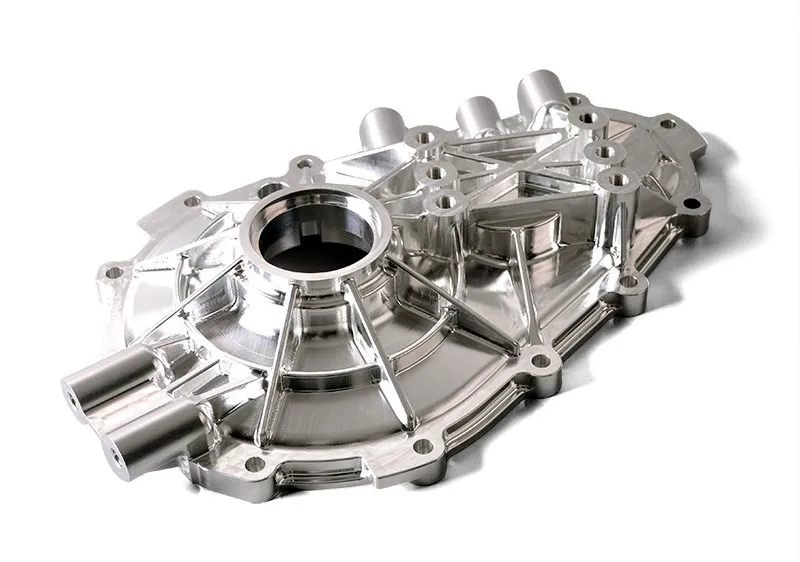
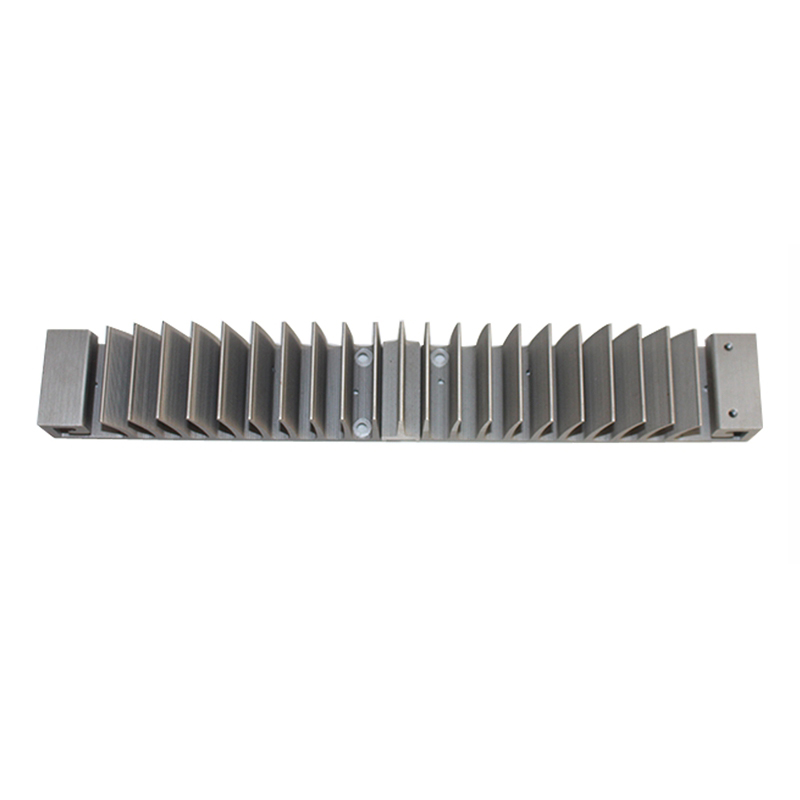
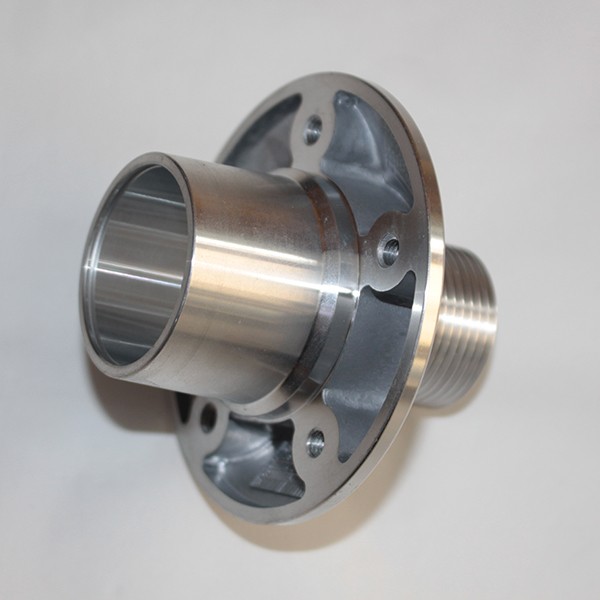
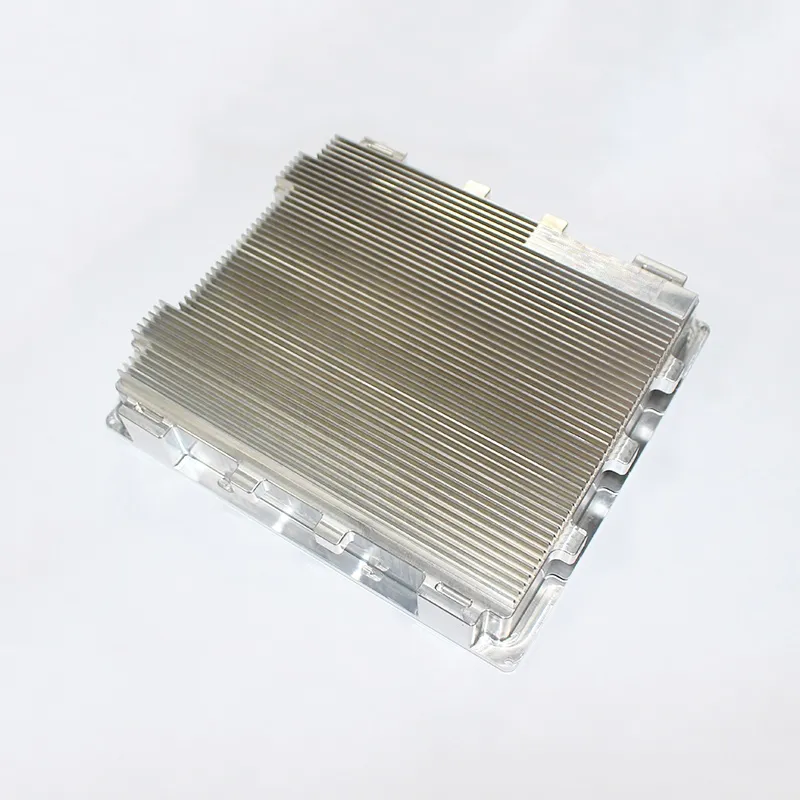
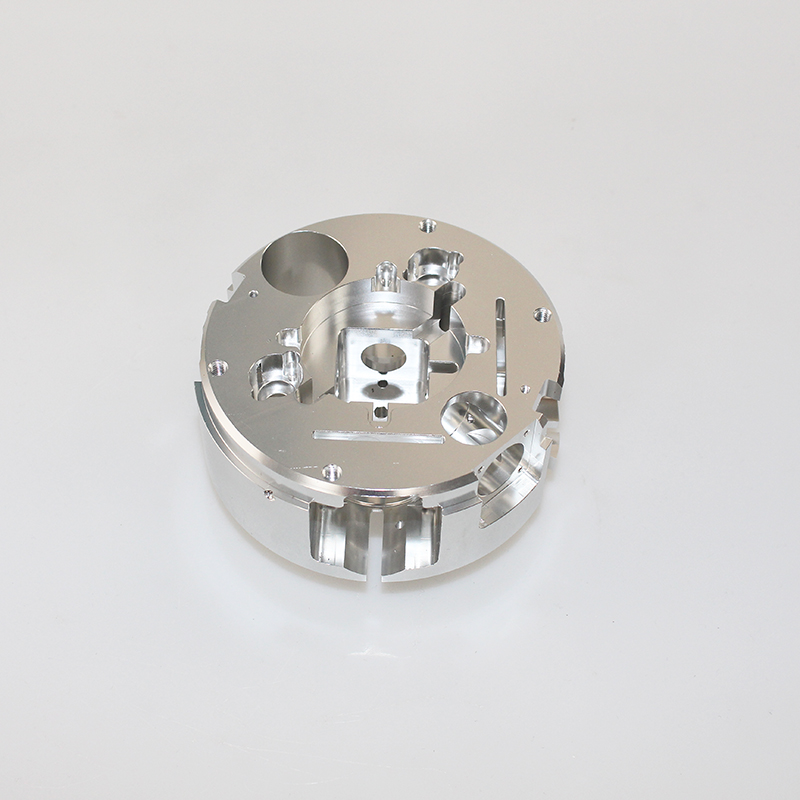
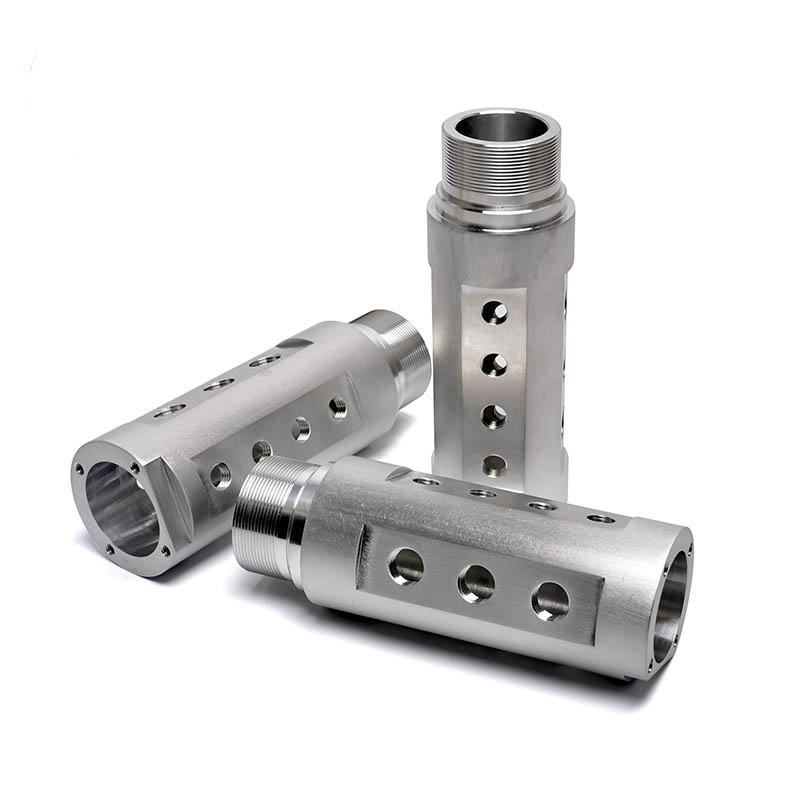
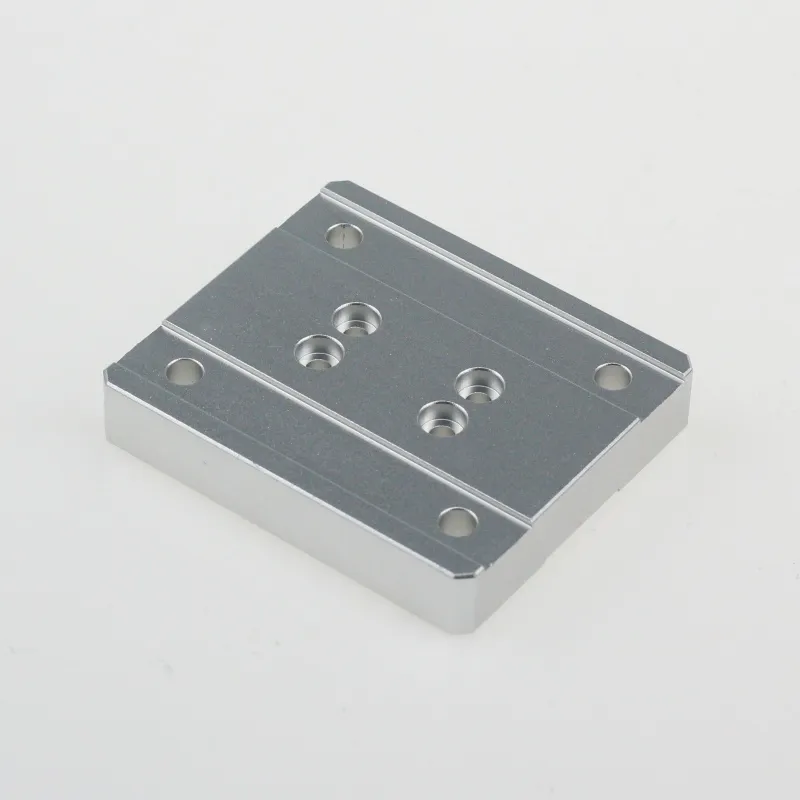
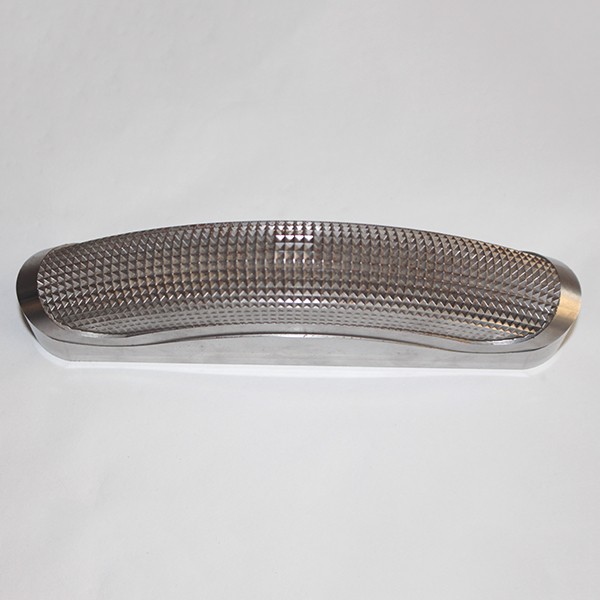
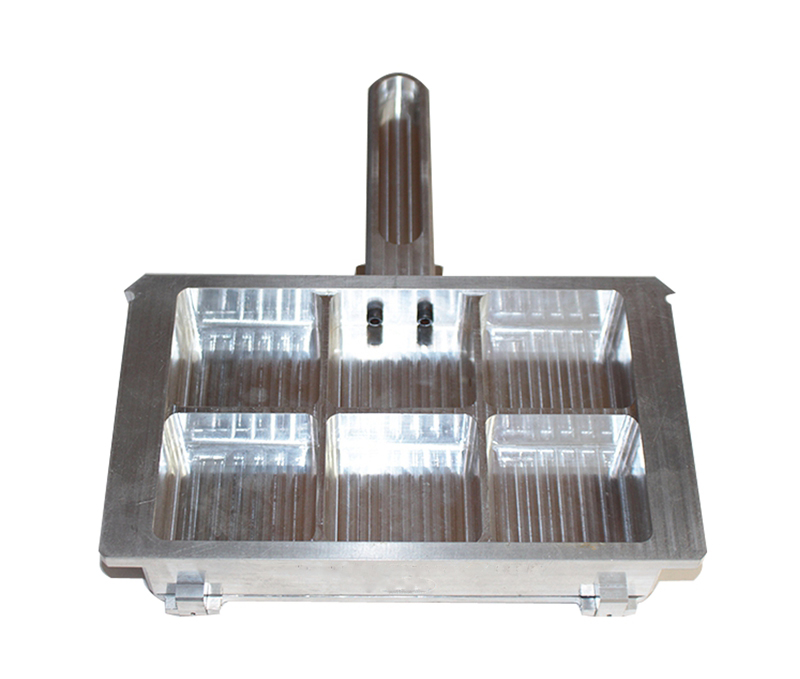
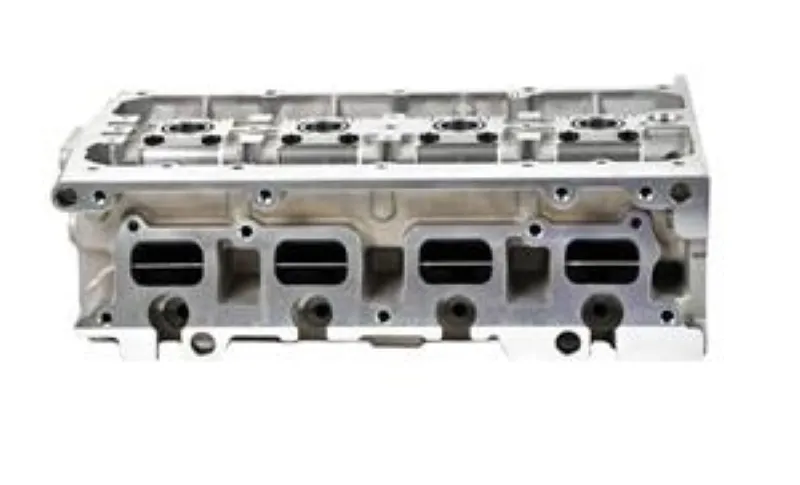
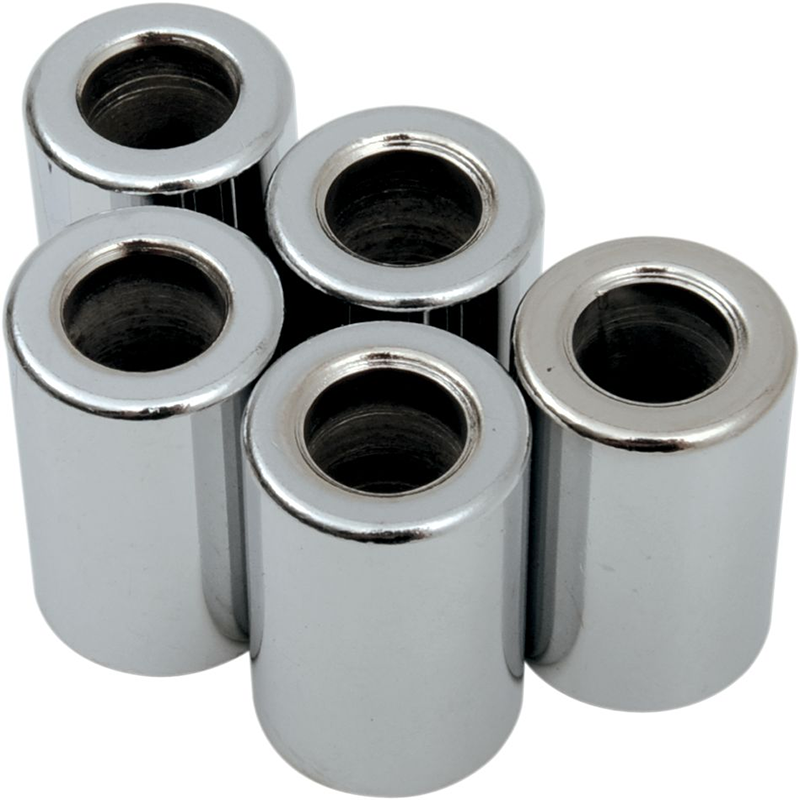
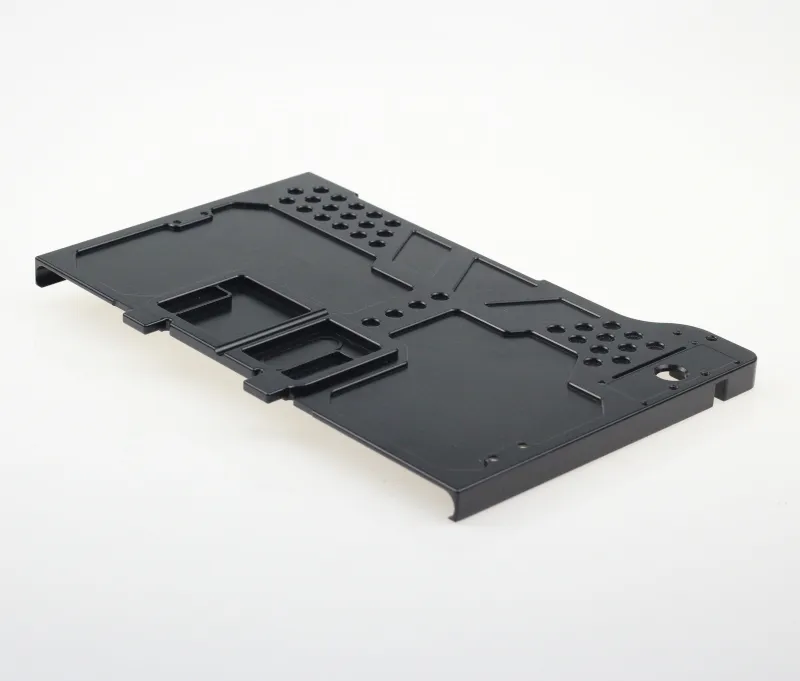
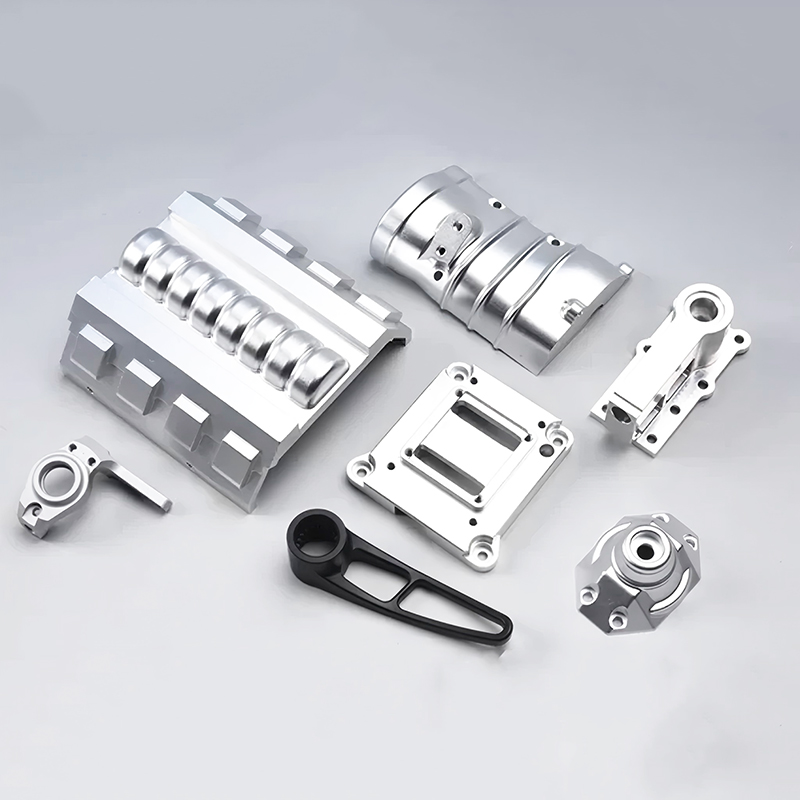
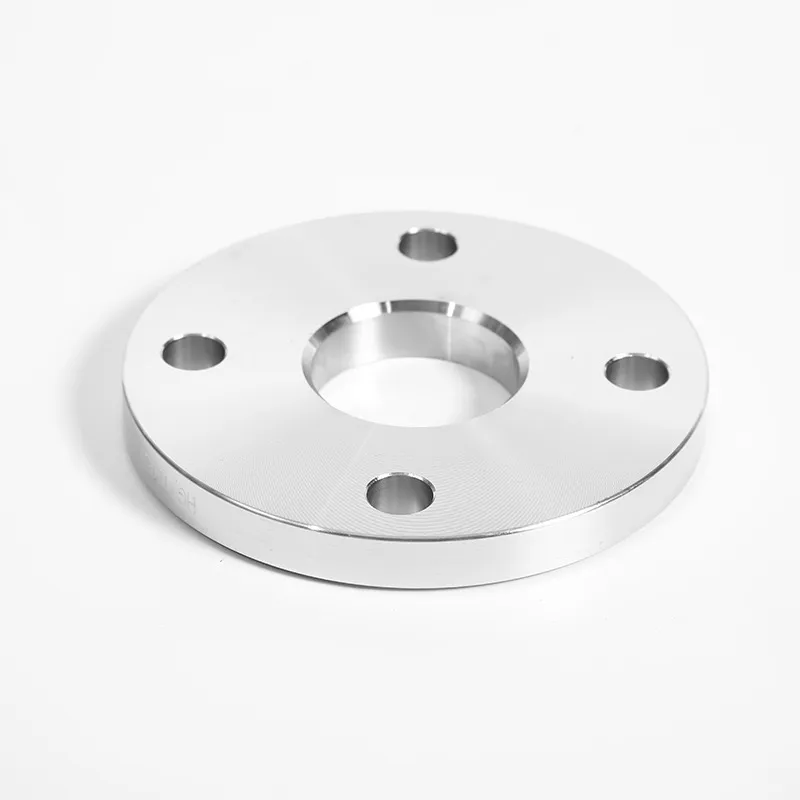
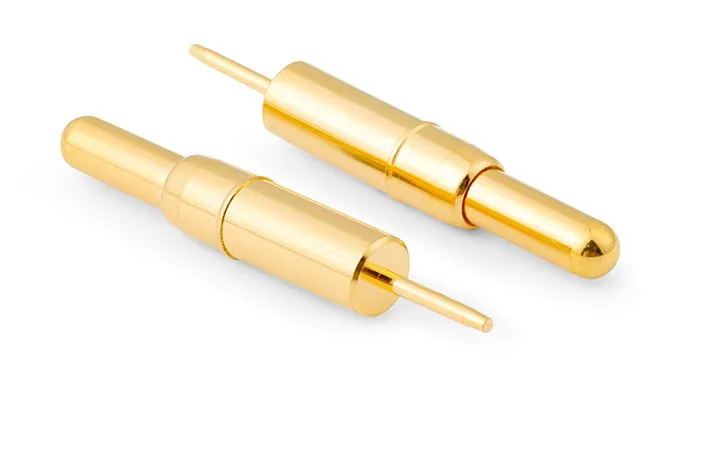
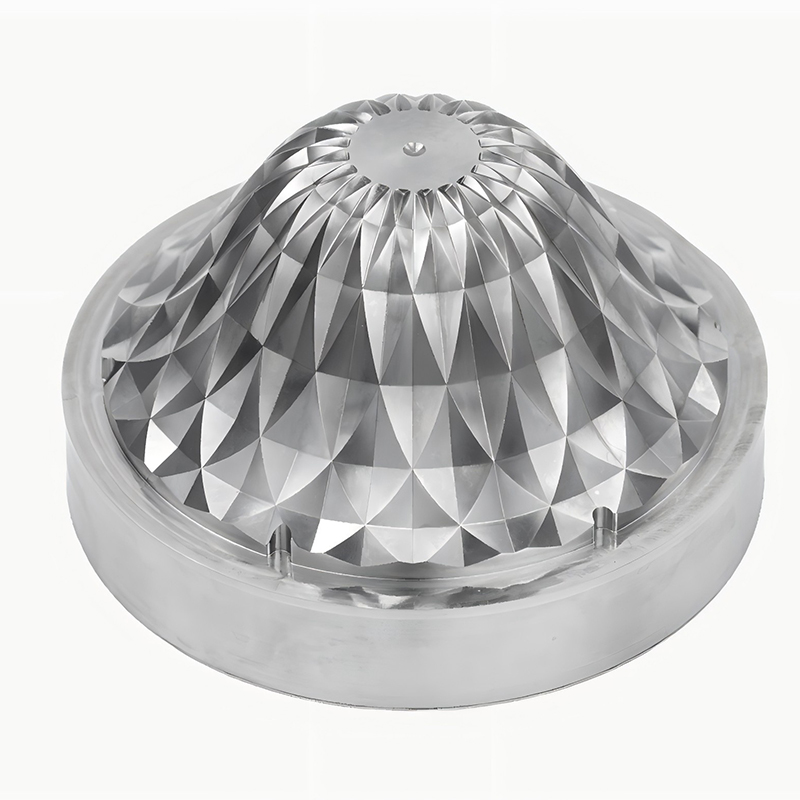
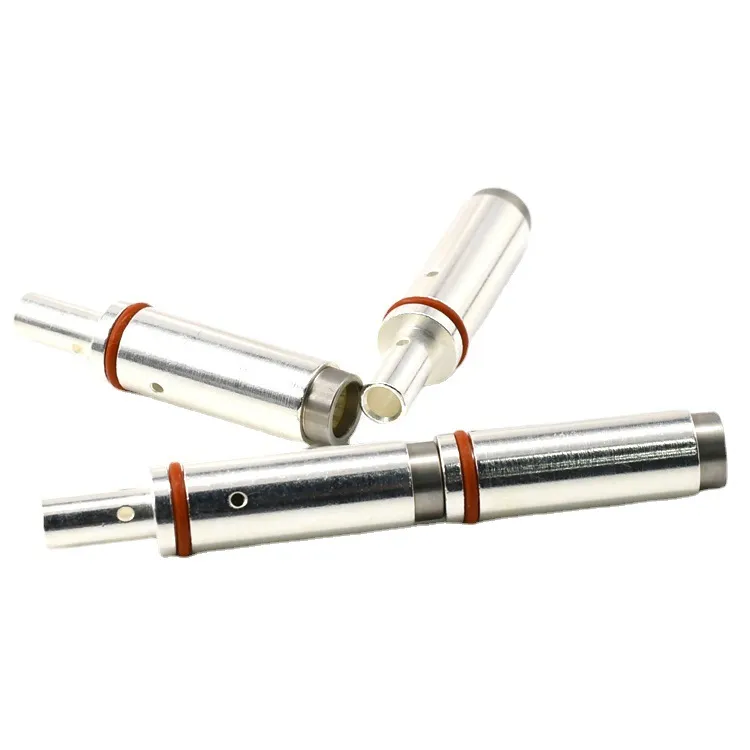
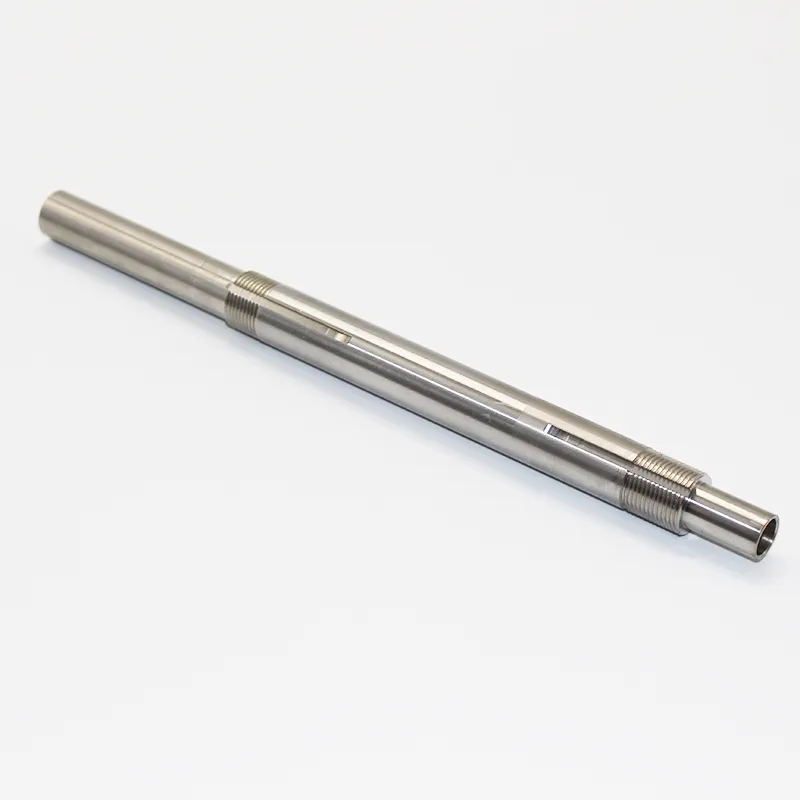
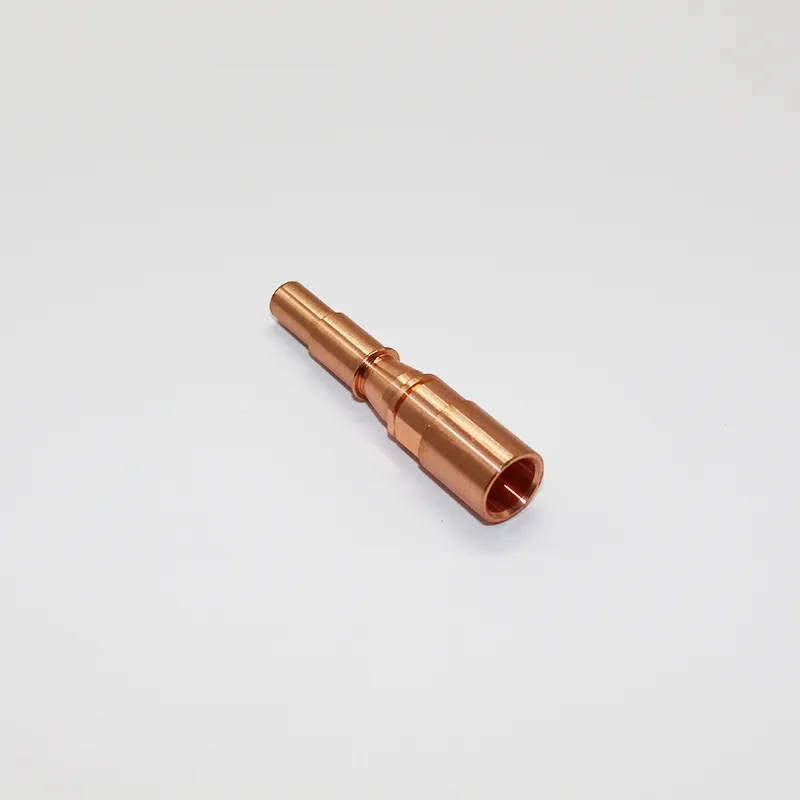
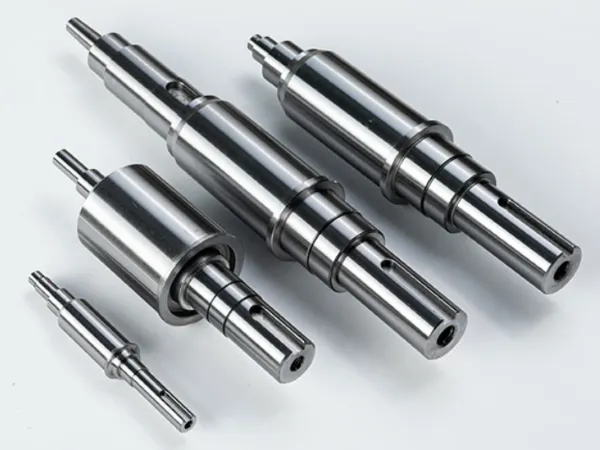
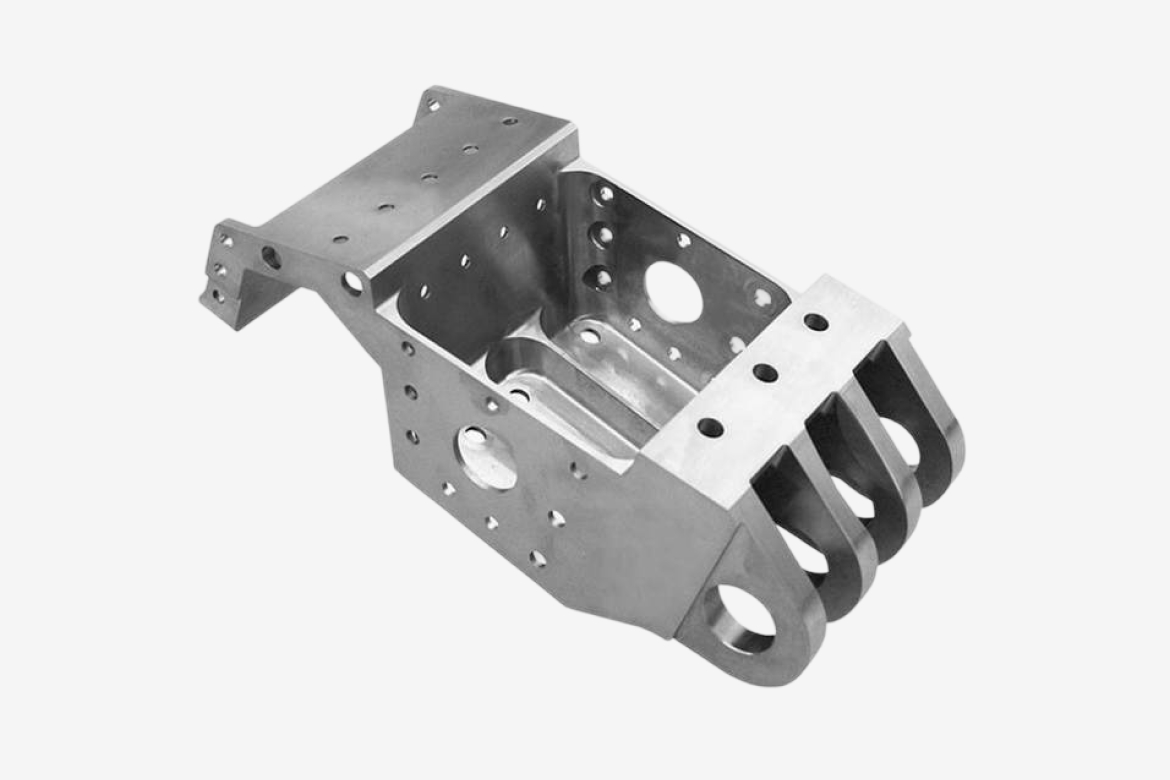
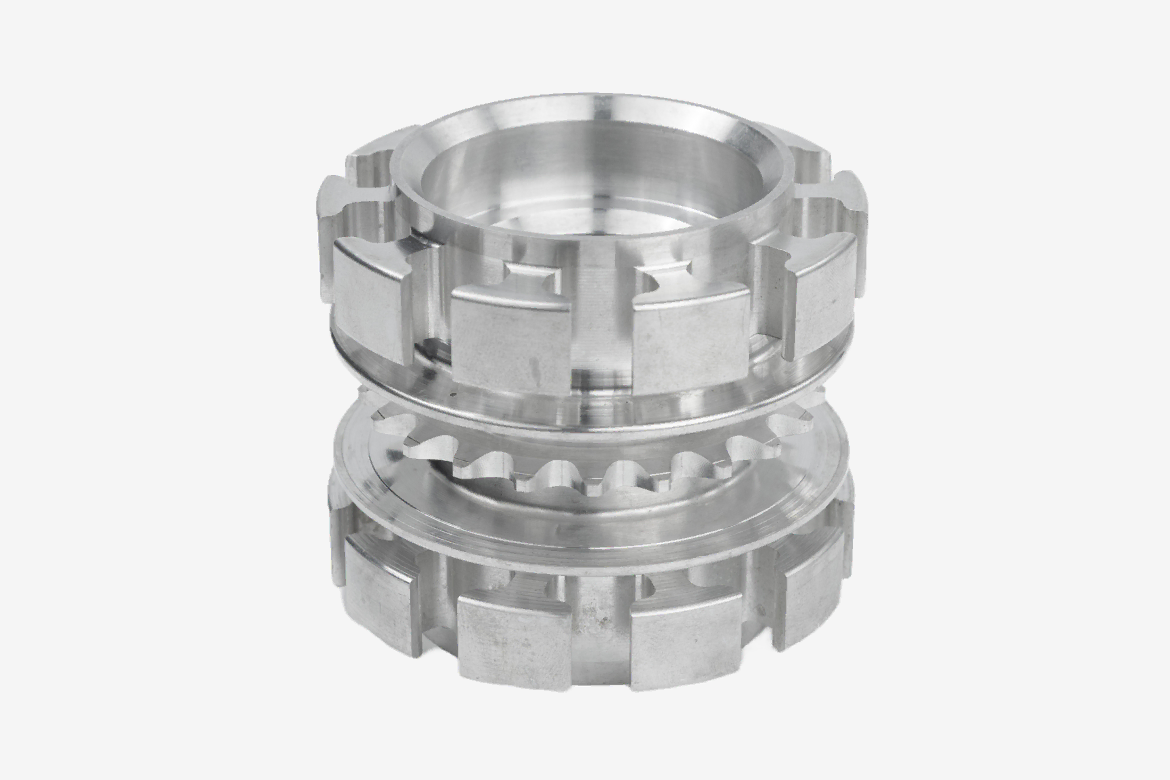
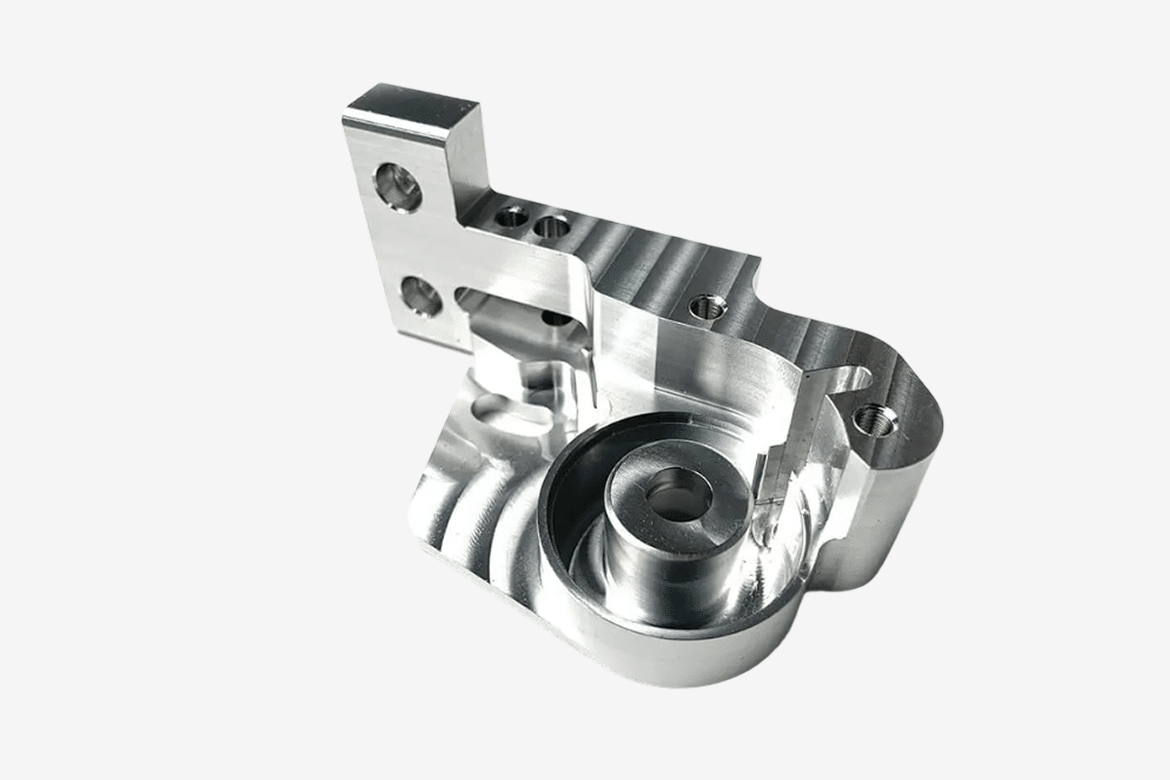
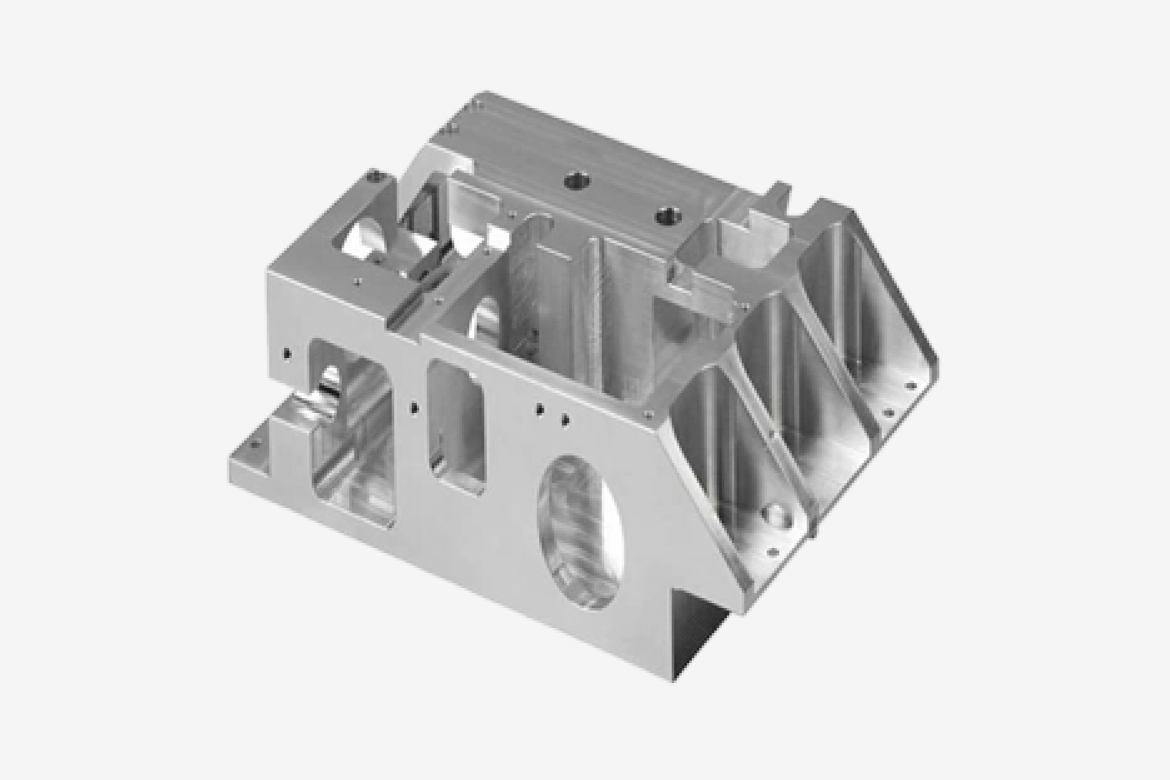
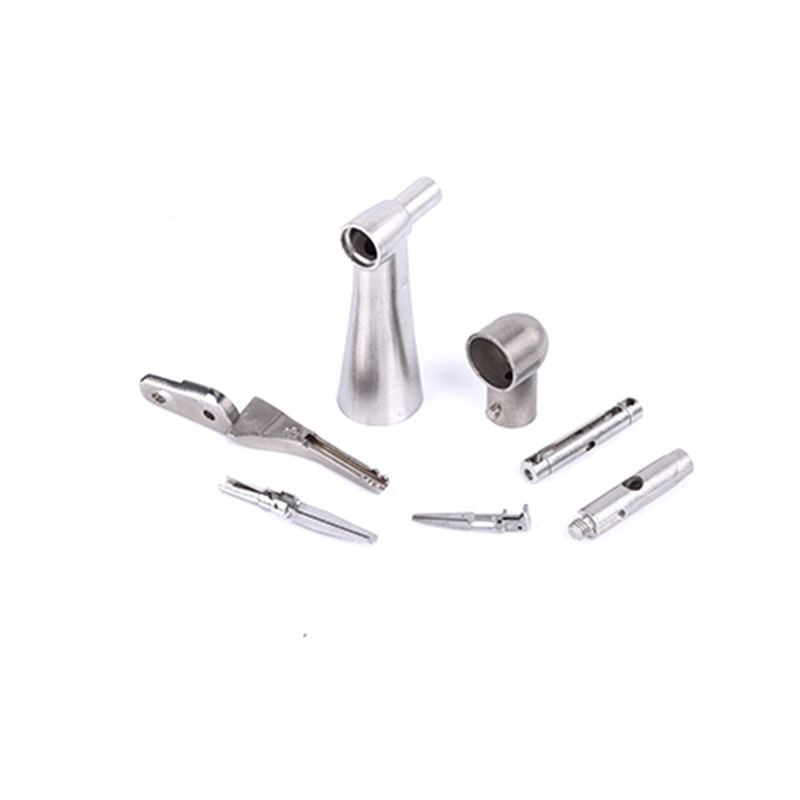
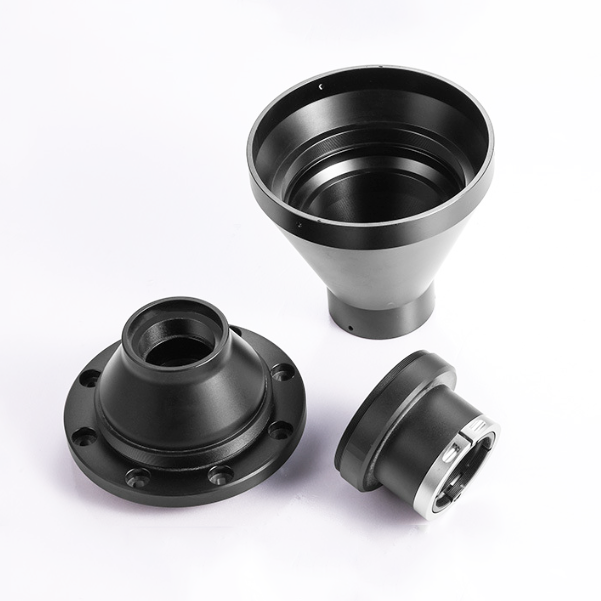
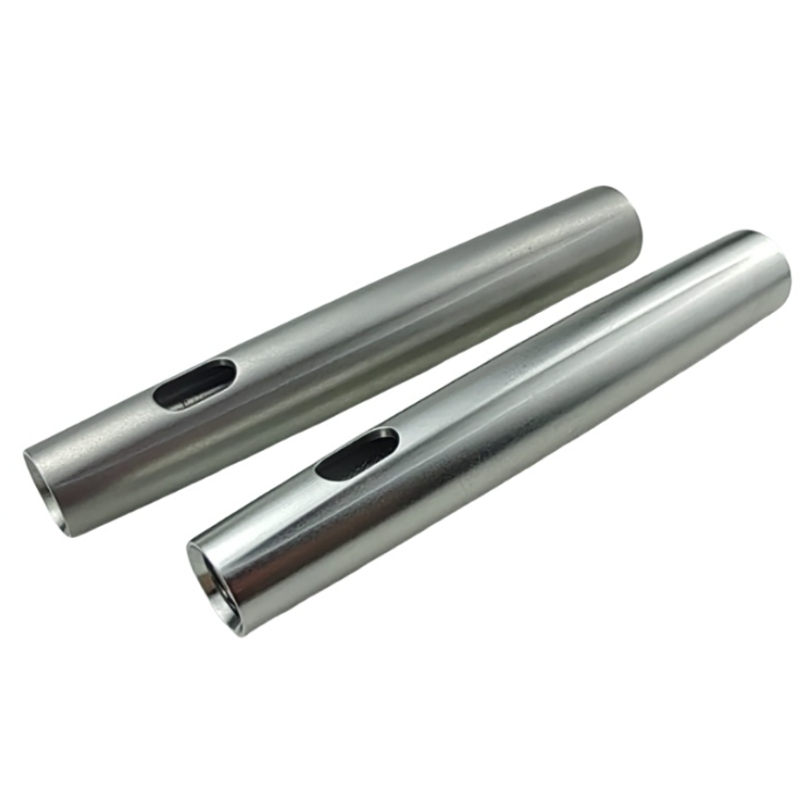
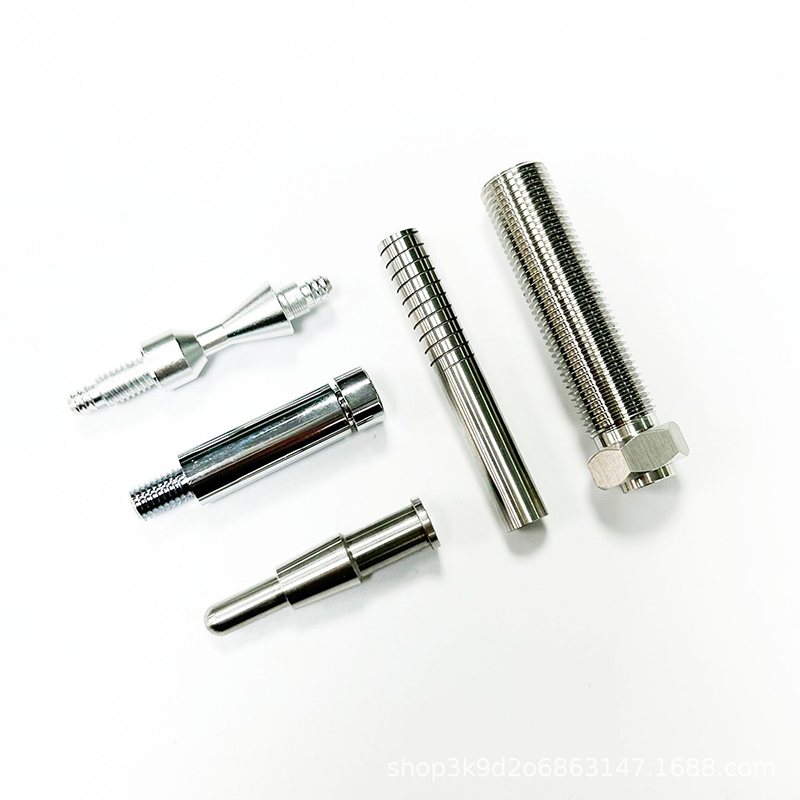
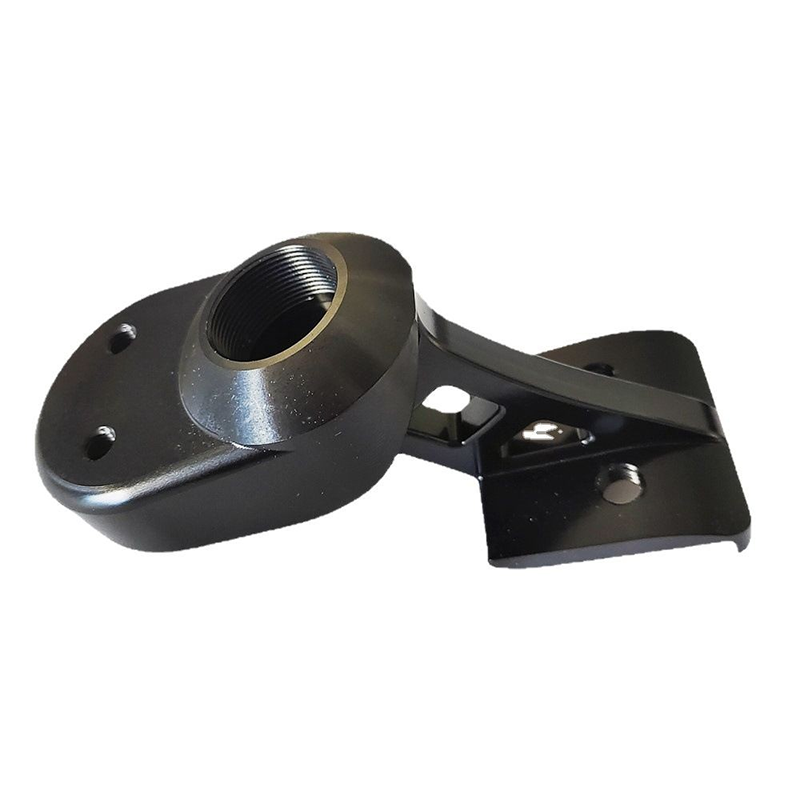
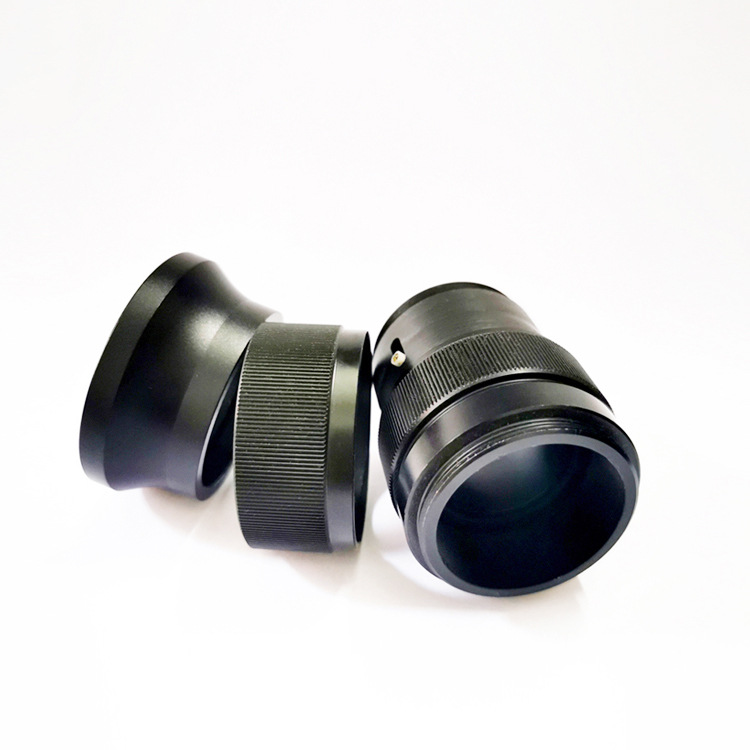
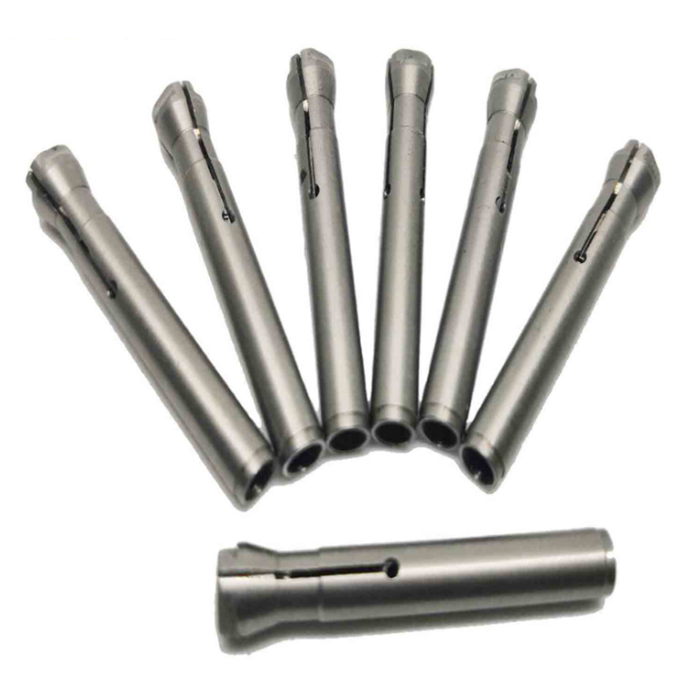
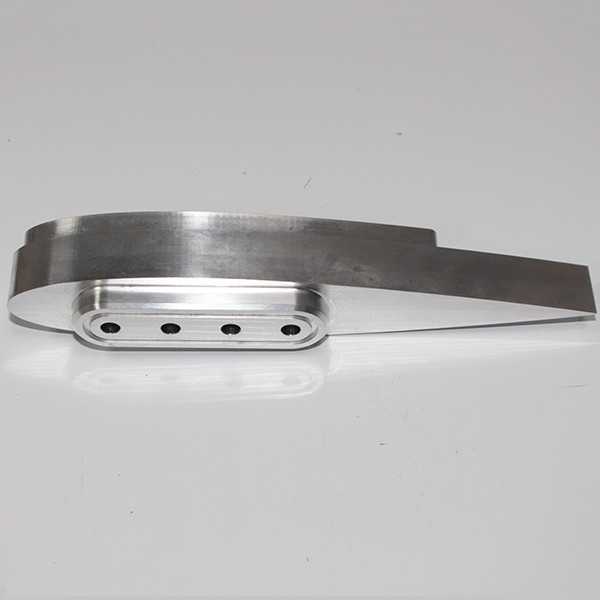
CNC Milling Parts
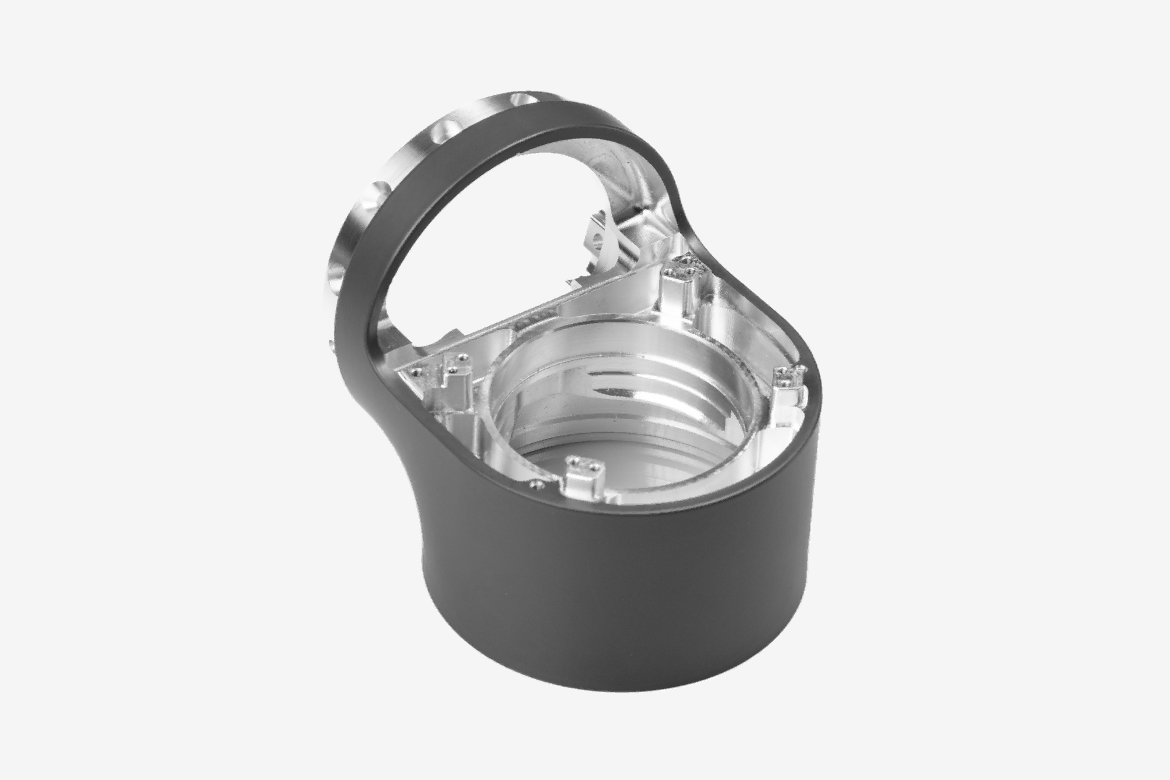
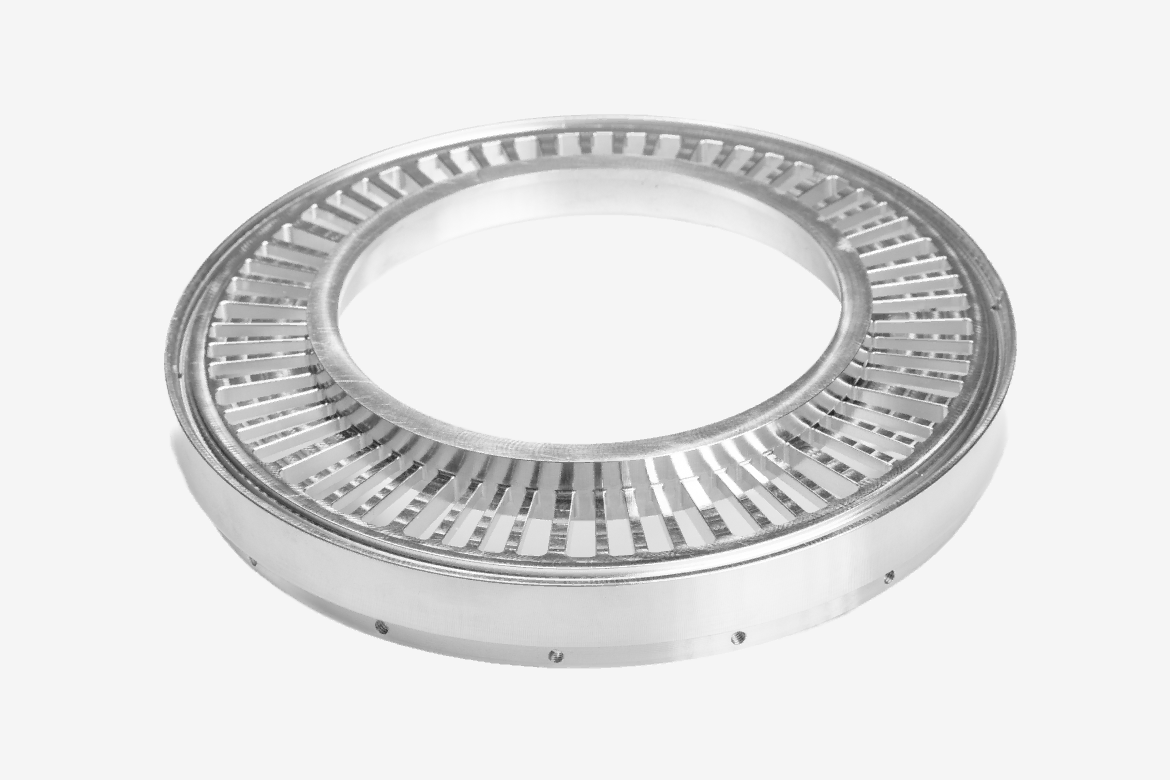
Explore our CNC Milling Parts Gallery to see precision-crafted components manufactured with high accuracy and quality.
Tolerances for CNC Milling
3-Axis | 4-Axis | 5-Axis | |
Maximum Part Size | 3000*1800*800 mm | 850*510*600 mm | 925*1050*600 mm |
Minimum Part Size | 5*5*5 mm | 5*5*5 mm | 5*5*5 mm |
General Tolerances | ± 0.05 mm | ± 0.02 mm | ± 0.01 mm |
Lead Time | Simple parts can be delivered in as little as 1 day. | Most projects are completed within 3 business days. | Most projects are delivered in 3 business days. |
Core Characteristics of Milling Processing
1. Multi-Edge Cutting and Efficiency
-- Milling cutters have multiple cutting edges (e.g., end mills with 4-6 edges), which can participate in cutting simultaneously, sharing the load and improving efficiency (30%-50% higher than single-edge tools).
-- Suitable for large feed rates or high cutting speed machining, such as surface milling with a cutting depth of up to 5-10mm.
2. Intermittent Cutting and Impact Vibration
-- The cutter teeth engage and disengage from the workpiece periodically, causing fluctuations in cutting force, requiring machines with good rigidity (e.g., heavy-duty milling machines) to ensure precision.
-- Intermittent cutting facilitates tool cooling and extends tool life, but durable tool materials (e.g., carbide) must be used.
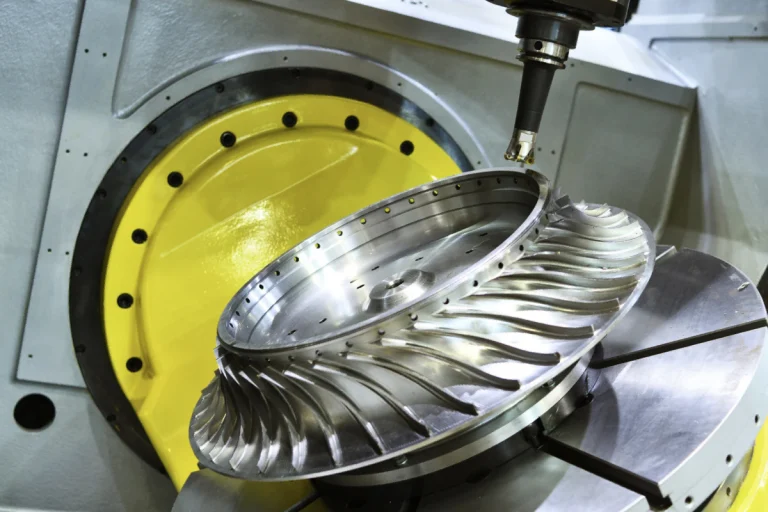
3. Process Flexibility-- By changing tools (e.g., face mills, T-slot mills), it can process complex features such as flat surfaces, grooves, gears, and curved surfaces.
-- Supports multi-axis linkage (e.g., five-axis milling) to achieve machining of three-dimensional complex profiles (e.g., mold cavities).4. Controllable Surface Quality-- Adjusting cutting parameters (e.g., feed rate, speed) can control surface roughness (Ra 0.8-12.5μm).
-- End mills' secondary cutting edges can polish surfaces with roughness down to Ra 0.4μm.Range of Milling Processing
1. Basic Processing-- Flat/Step Surfaces: Face mills (end mills) process large flat surfaces, three-edge mills process steps.
-- Grooves/Keys: End mills mill straight grooves, keyway cutters process key slots (accuracy IT8-IT9).2. Complex Feature Processing
-- Gears/Threads: Modular shaped end mills process gears, thread mills process threads.
-- Cavities/Molds: Ball end mills process three-dimensional curves (e.g., injection molds).
2. Special Processing
-- Cutting/Indexing: Saw blades mill cut workpieces, dividing heads achieve evenly spaced holes/teeth.
-- Special-Shaped Slots: Dove-tail milling cutters and T-slot mills process specific connection structures.Typical Application Scenarios
-- Automotive Manufacturing: Milling flat surfaces of engine blocks, processing gear case shells.
-- Aerospace: Frameworks of fuselages, structural components of landing gear.
-- Electronics: Mounting slots for circuit boards, arrays of heat sink fins.
Comparison with Other
ProcessesTurning:
Suitable for rotating parts (e.g., shafts), milling is better for polyhedral/complex profiles.
Drilling:
Milling can replace some drilling operations (e.g., large diameter holes) but with higher precision.
40px
80px
80px
80px