

40px
80px
80px
80px
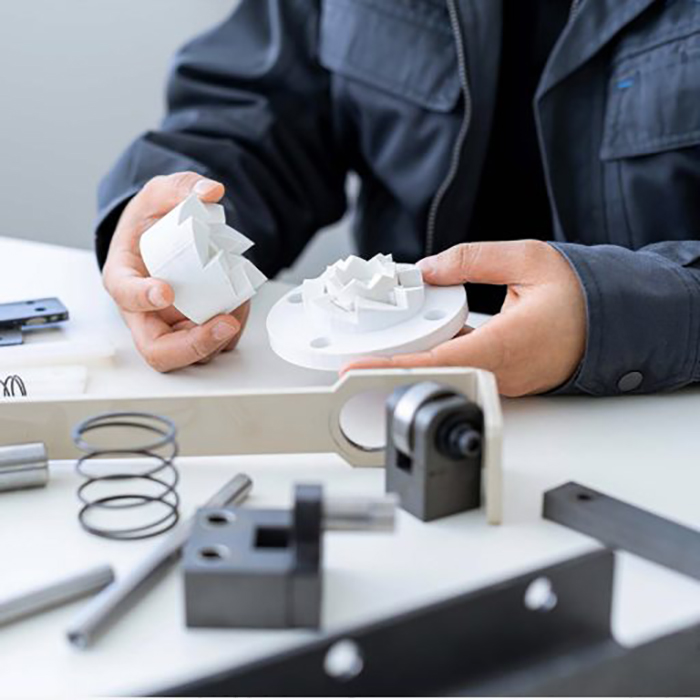
Rapid 3D Prototyping Service Technology Types and Features:
1. Stereolithography (SLA)
--Uses UV lasers to cure liquid resin, achieving an accuracy of ±0.05mm, suitable for high-detail prototypes with excellent surface finish;
2. Selective Laser Sintering (SLS)
--Uses nylon or nylon glass powders to create functional prototypes with mechanical strength similar to injection molded parts, suitable for small-batch production;
3. Direct Metal Laser Sintering (DMLS)
--Suitable for metal parts such as titanium alloys and stainless steel, achieving 90% the strength of forged parts, used in aerospace and medical implants. Input;
Service Process:
--Design Optimization: AI-powered generative design automatically optimizes structures, reducing weight by 15%-30%;
--Fast Delivery: Industrial-grade equipment increases printing speed by 300% compared to 2020, with an error of <0.1mm;
--Post-Processing: Sandblasting, electroplating, and other processes are available to enhance appearance or mechanical properties;
Industry Applications:
--Medical: Customized orthopedic implants achieve a fit rate exceeding 95%, reducing post-operative infection rates by 70%;
--Automotive: 3D-printed titanium alloy fuel nozzles reduce weight by 50% and costs by 25%;
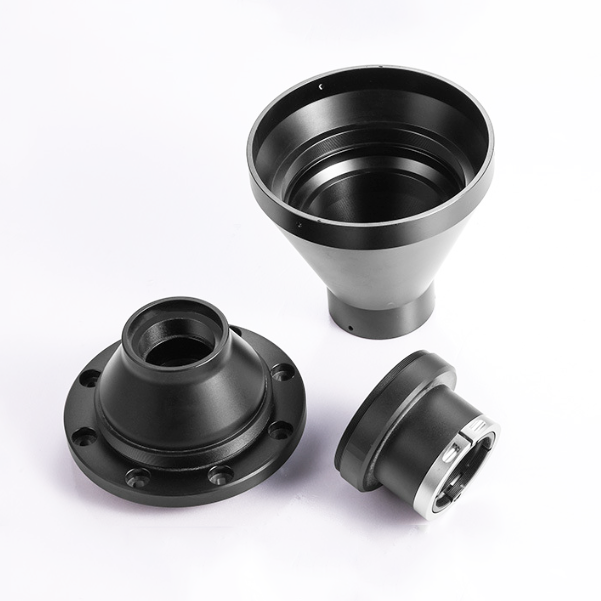
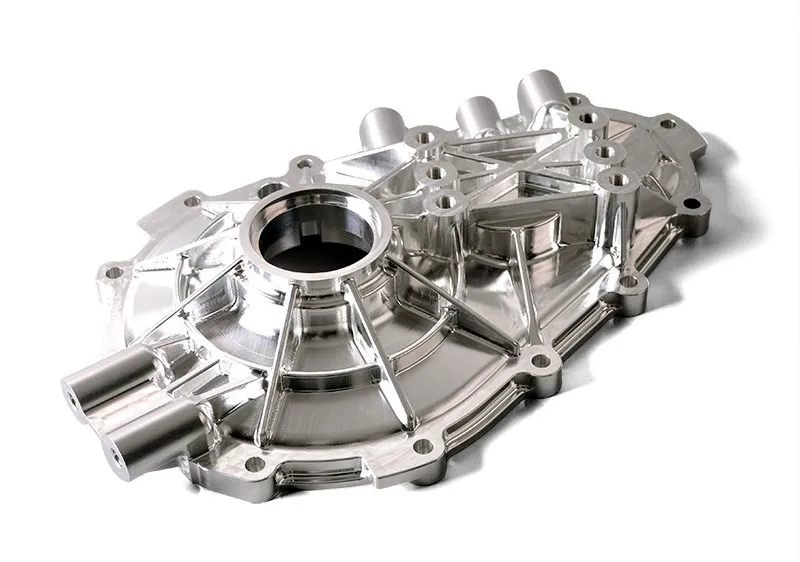
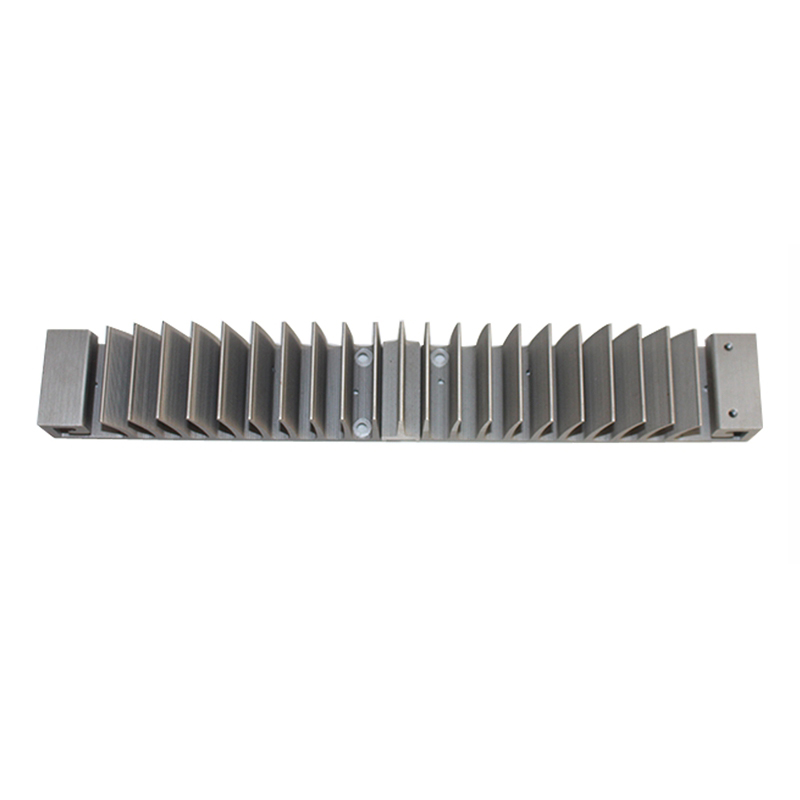
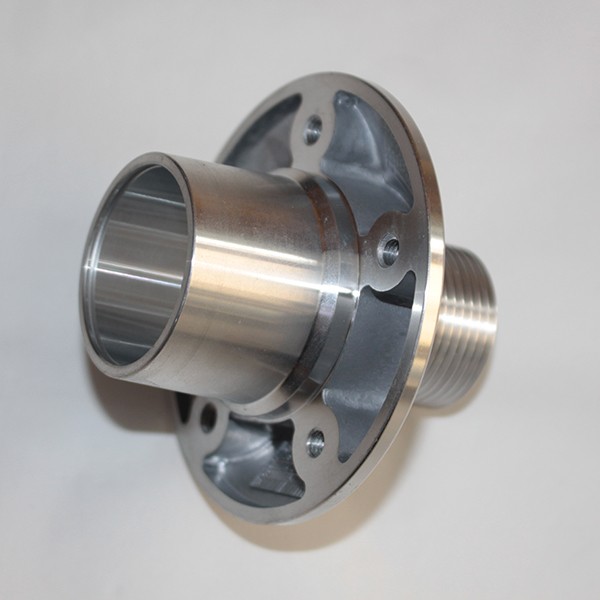
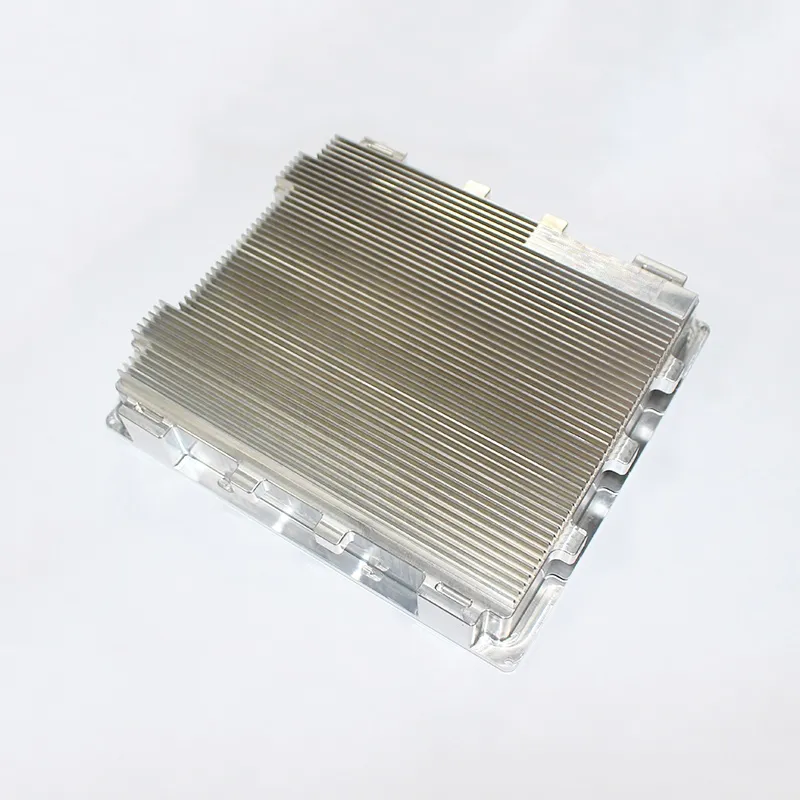
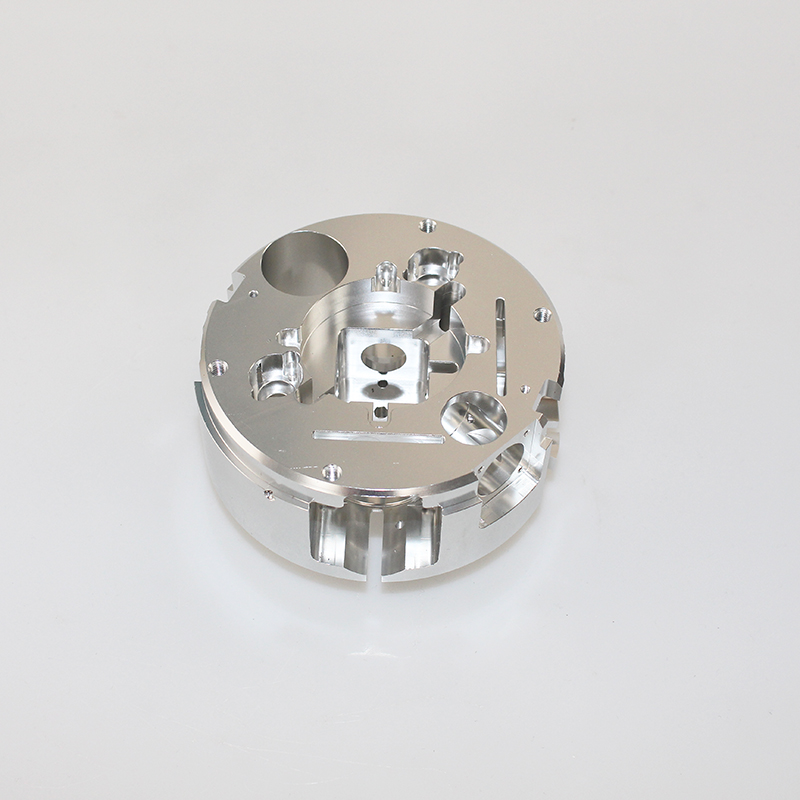
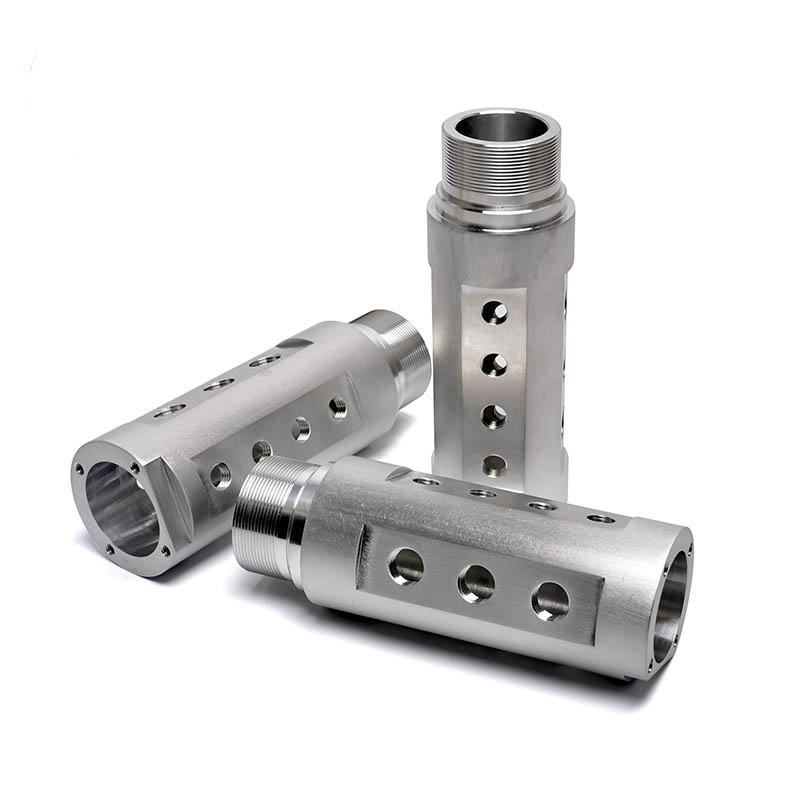
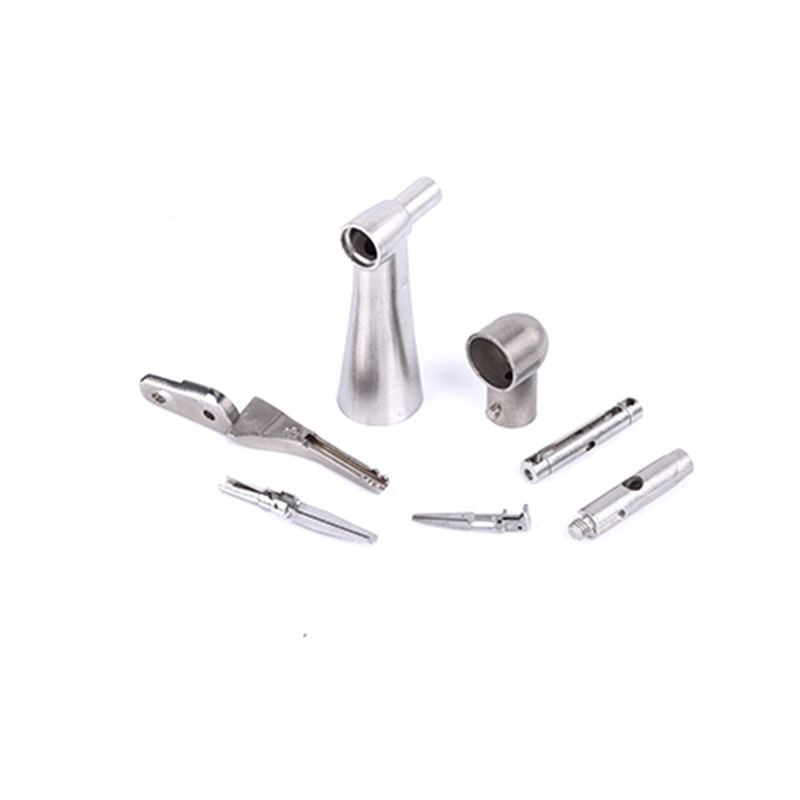
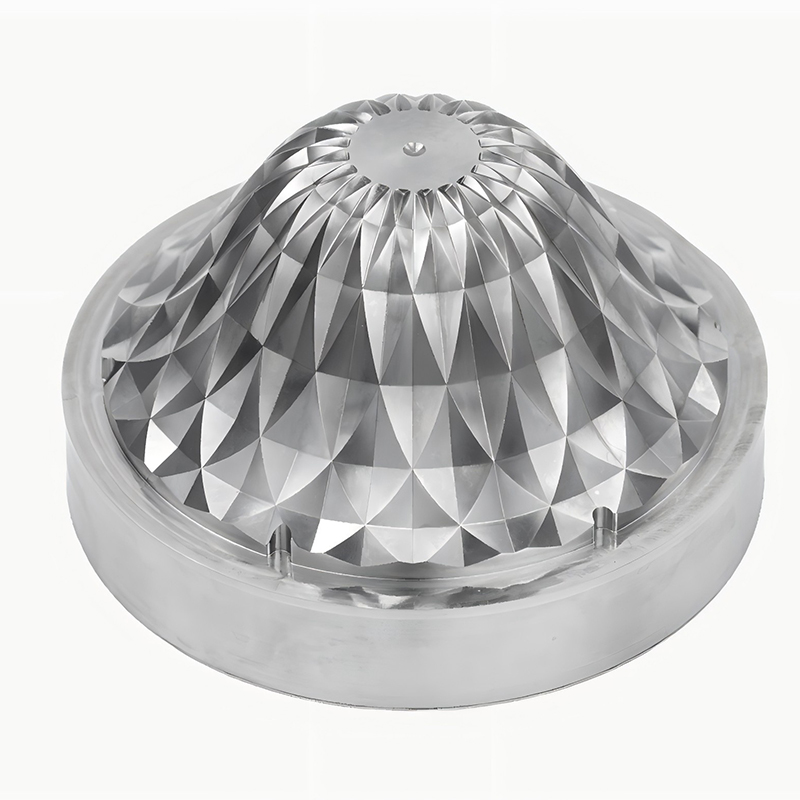
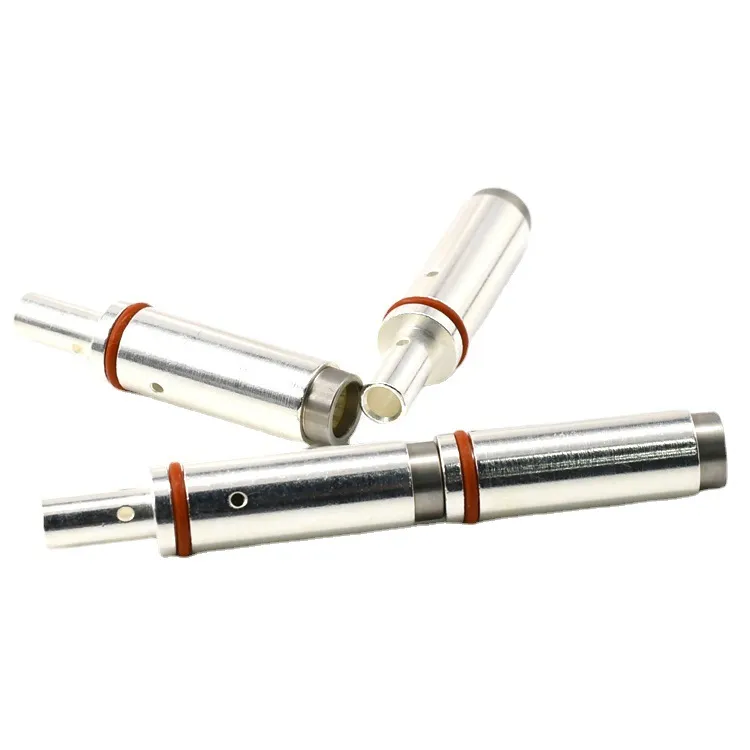
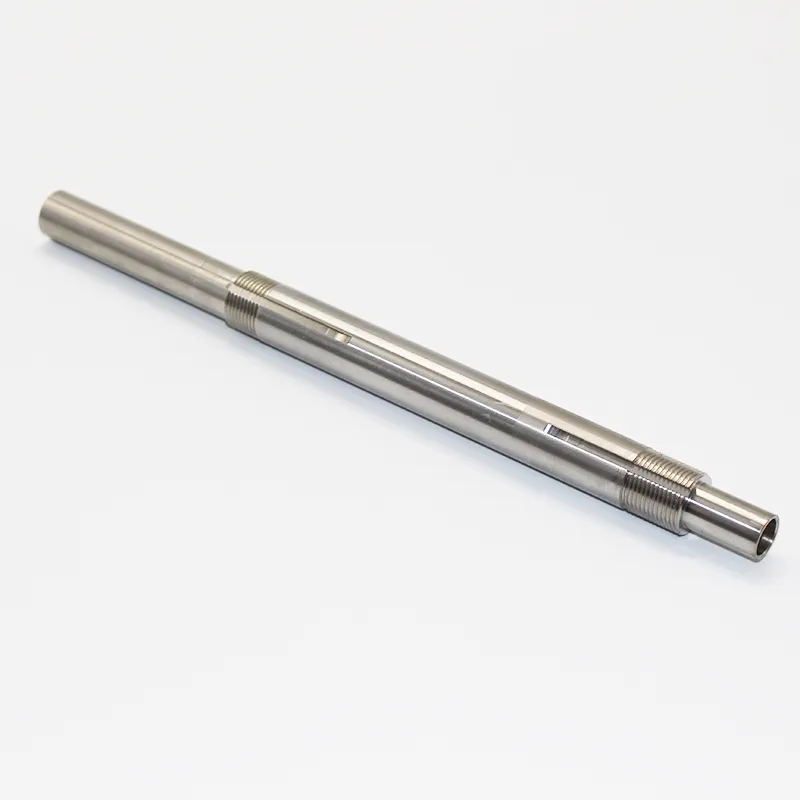
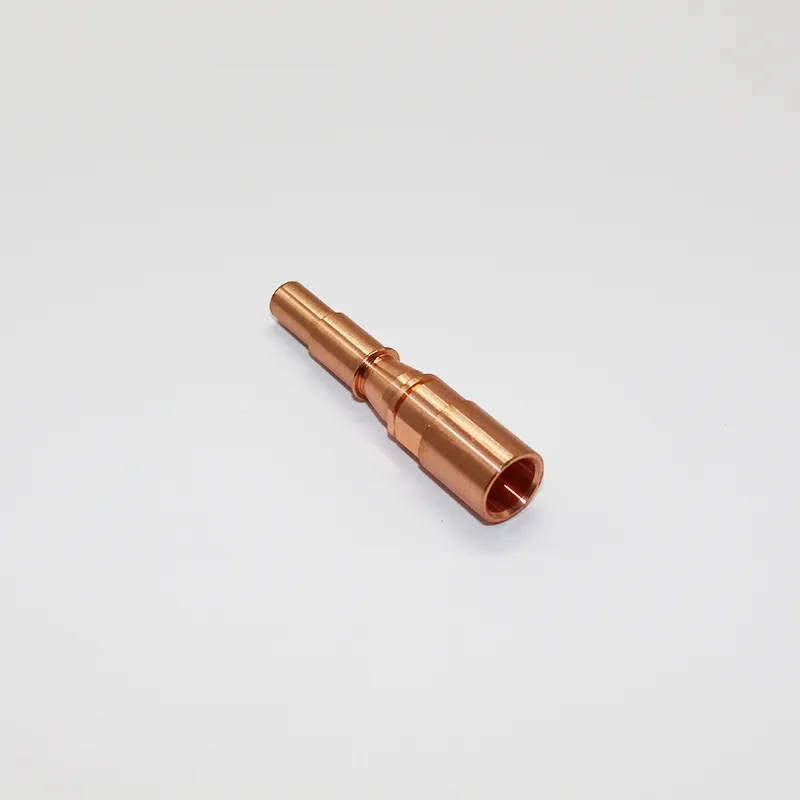
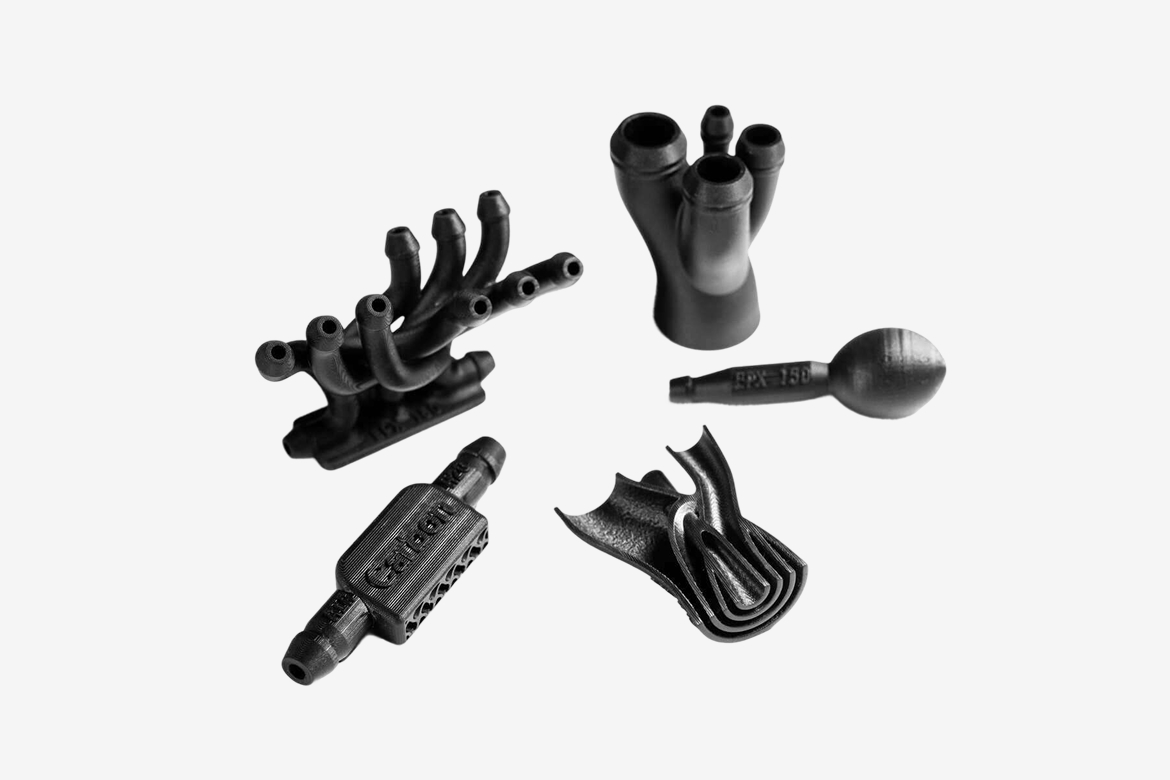
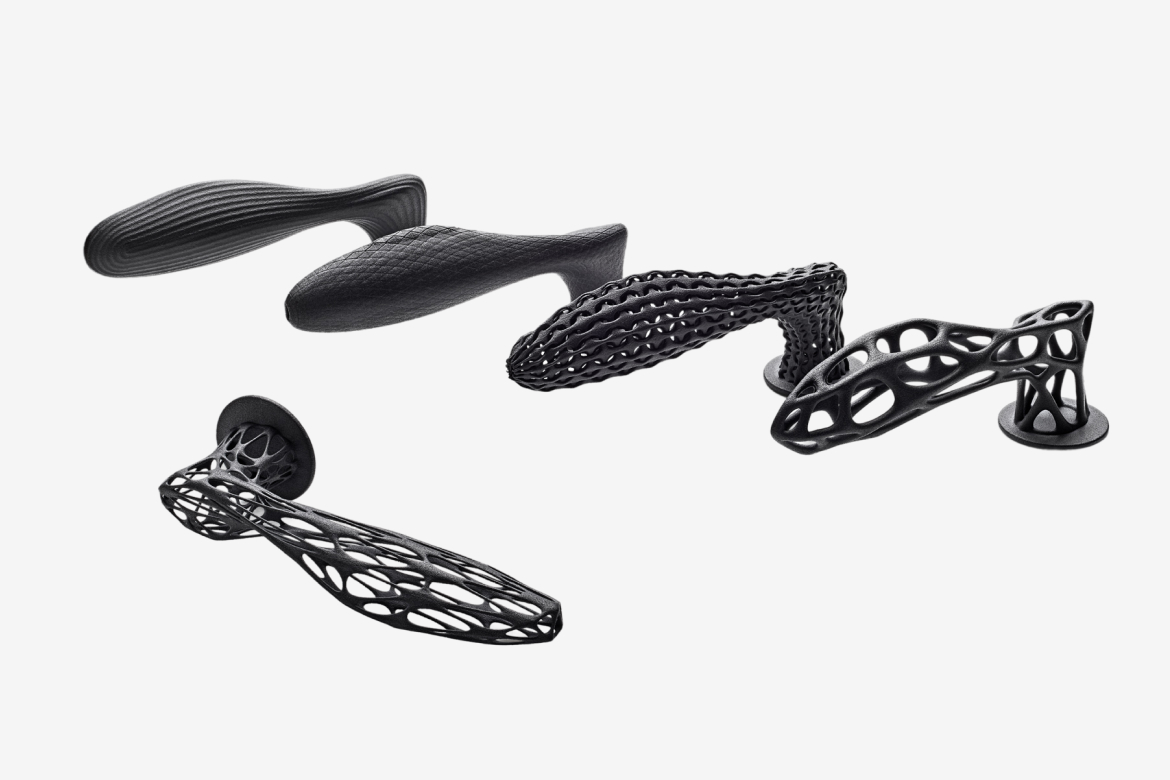
Rapid Prototyping Parts
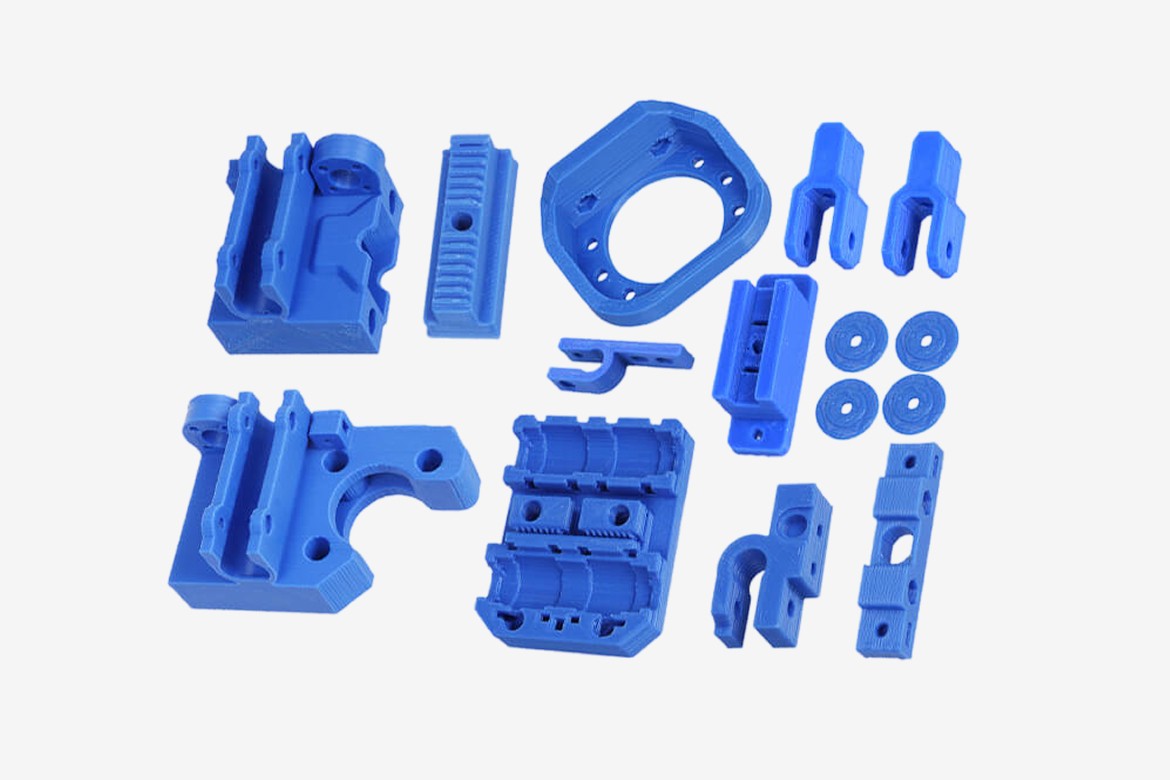
Rapid Prototyping Process:
Experience an efficient journey from design to prototype with our simplified process, and obtain high-quality parts quickly and precisely;

Our Rapid Prototyping Technology
Our rapid prototyping integrates advanced manufacturing technologies to turn designs into high-quality prototypes quickly and efficiently. By leveraging cutting-edge equipment and diverse processes, we ensure precision, material versatility, and fast turnaround times.
Key technologies we use:
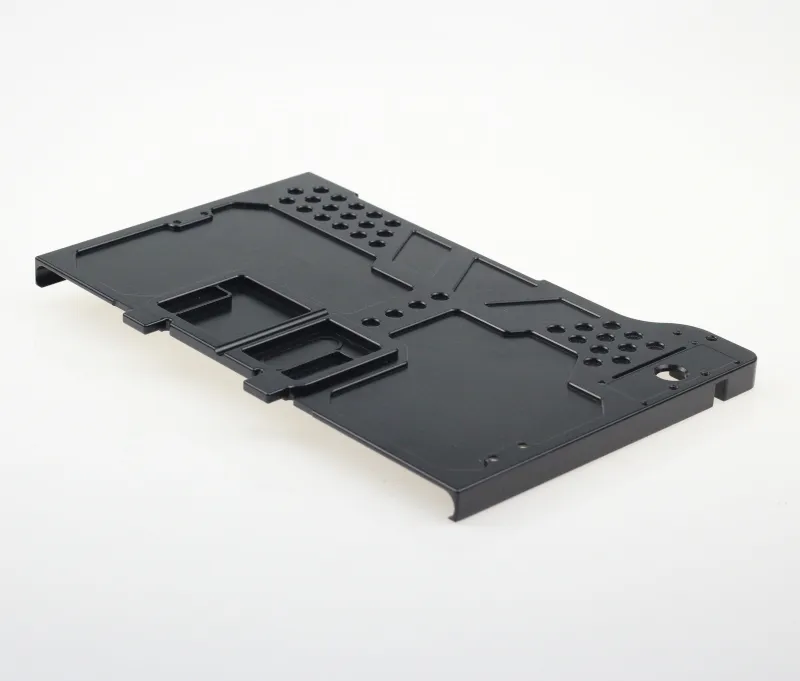
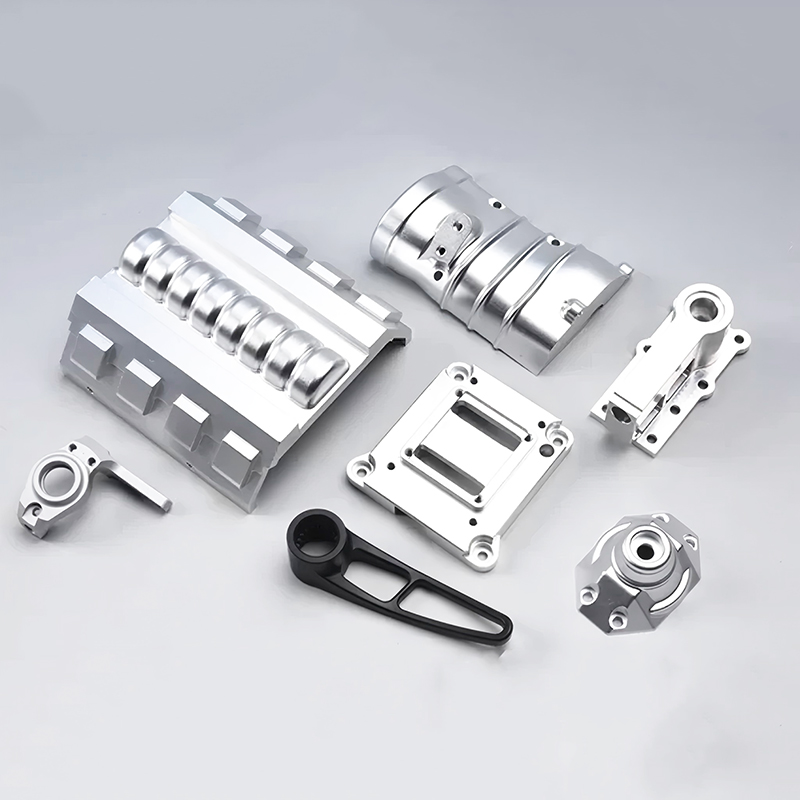
--CNC Machining – High-precision milling and turning for metal and plastic prototypes.
--3D Printing – SLA, SLS, MJF, and SLM for fast, detailed parts.
--Vacuum Casting – Ideal for small-batch plastic prototypes with injection-molded quality.
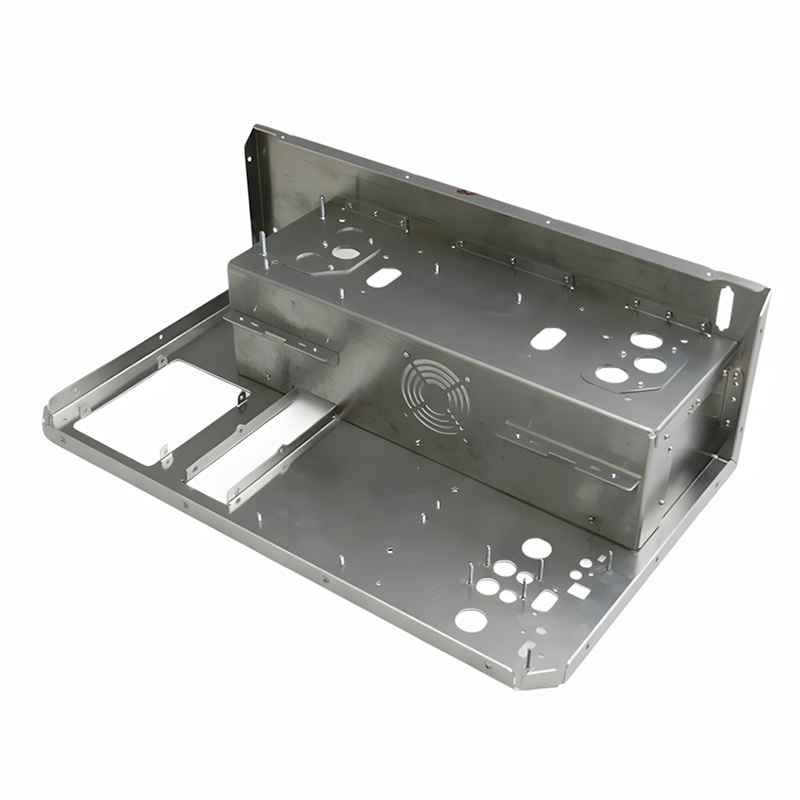
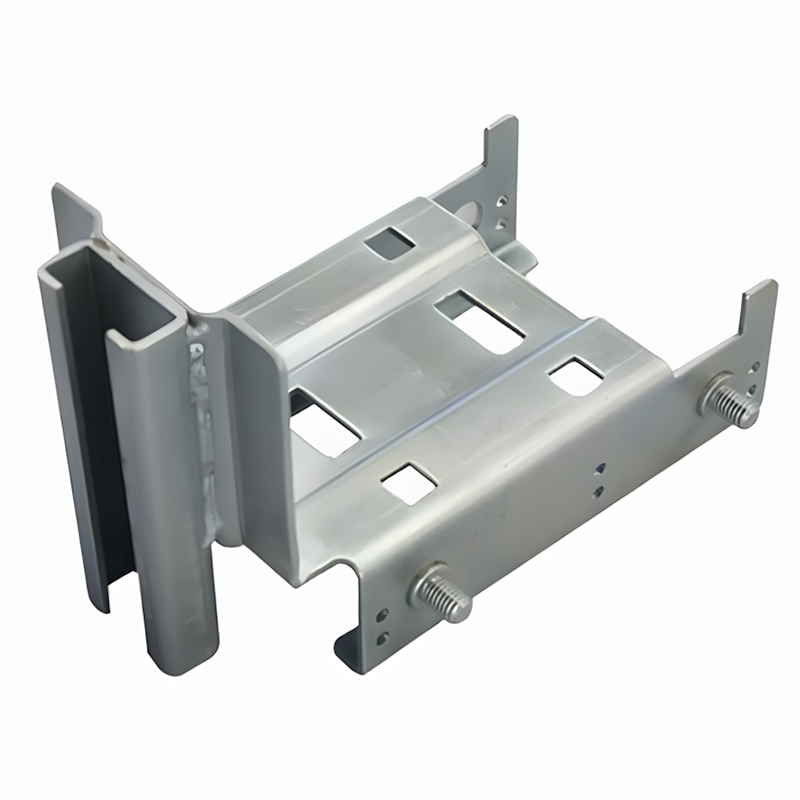
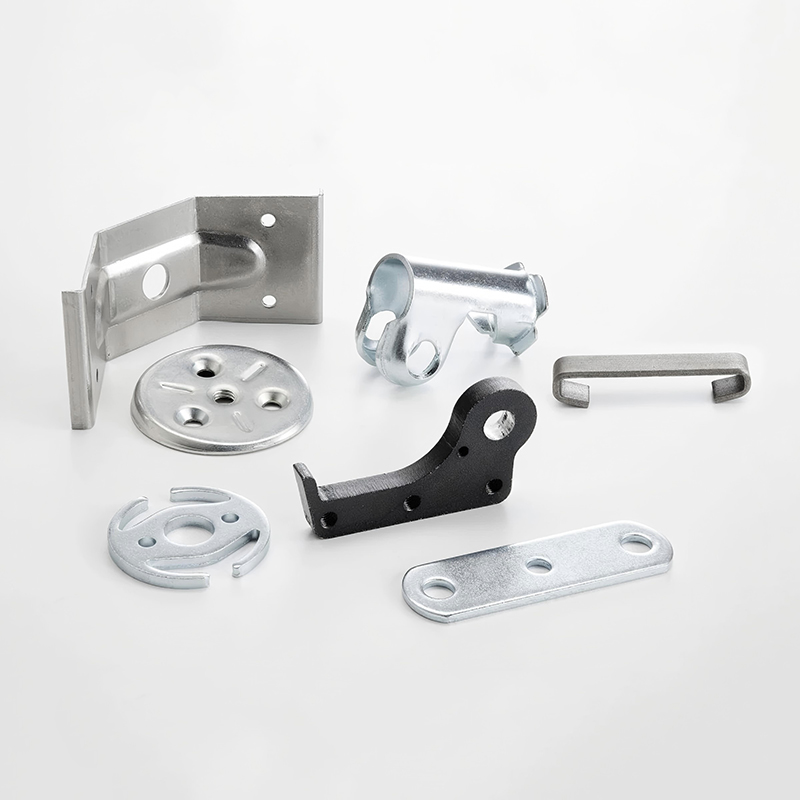
--Sheet Metal Fabrication – Quick production of metal enclosures and structural parts.
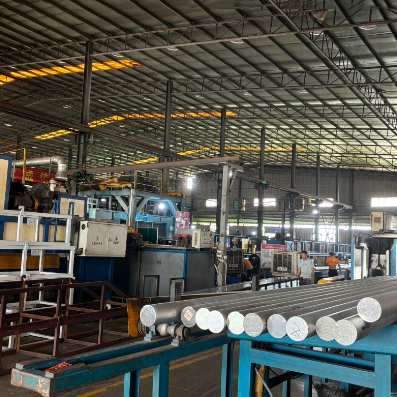
--Our facilities feature industrial 3D printers, multi-axis CNC machines, and advanced molding systems, ensuring exceptional accuracy and repeatability.
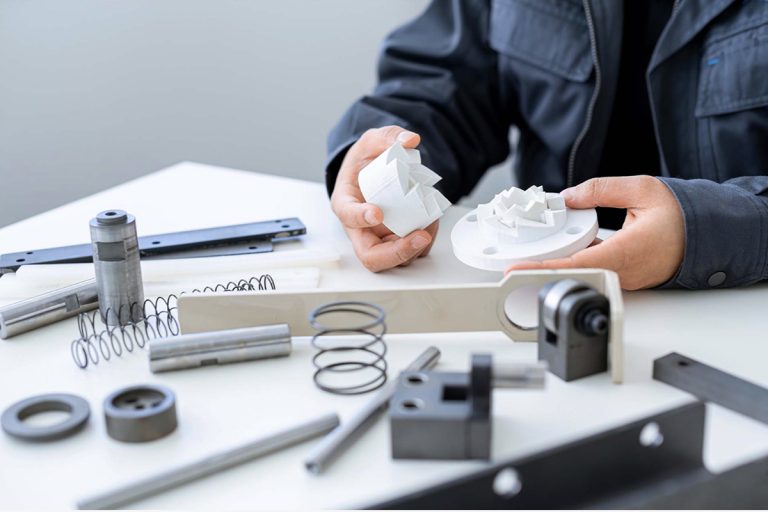
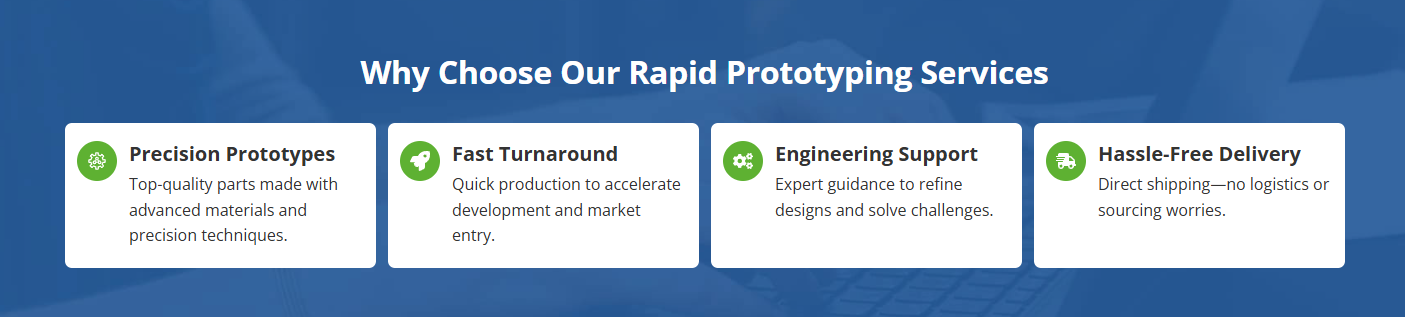
Choose Our Rapid Prototyping Services
1. Technology Type and Applications
--SLA (Stereolithography)
Suitable for high-precision, high-surface-finish prototypes, such as medical models or complex structural parts, with an accuracy of ±0.05mm.
--SLS (Selective Laser Sintering)
Suitable for functional prototypes and small-batch production. Made of nylon or metal powder, it offers mechanical strength similar to injection molding.
--FDM (Fused Deposition Modeling)
Low-cost, suitable for rapid design concept verification, but with lower accuracy and strength (±0.5mm).
2. Key Considerations
--Precision Requirement: SLA and SLS are suitable for micron-level precision, while FDM is suitable for lower-precision requirements.
--Material Properties: SLS's nylon material is suitable for mechanical testing, while SLA resin is suitable for visual verification.
--Cost and Speed: FDM offers the lowest cost, while SLA and SLS are suitable for high-value prototypes.
40px
80px
80px
80px